Thailand revives $31bn Land Bridge to bypass Malacca Strait amid Hormuz crisis

&imwidth=600&imheight=450&format=webp&quality=medium "Thailand revives $31bn Land Bridge to bypass Malacca Strait amid Hormuz crisis")
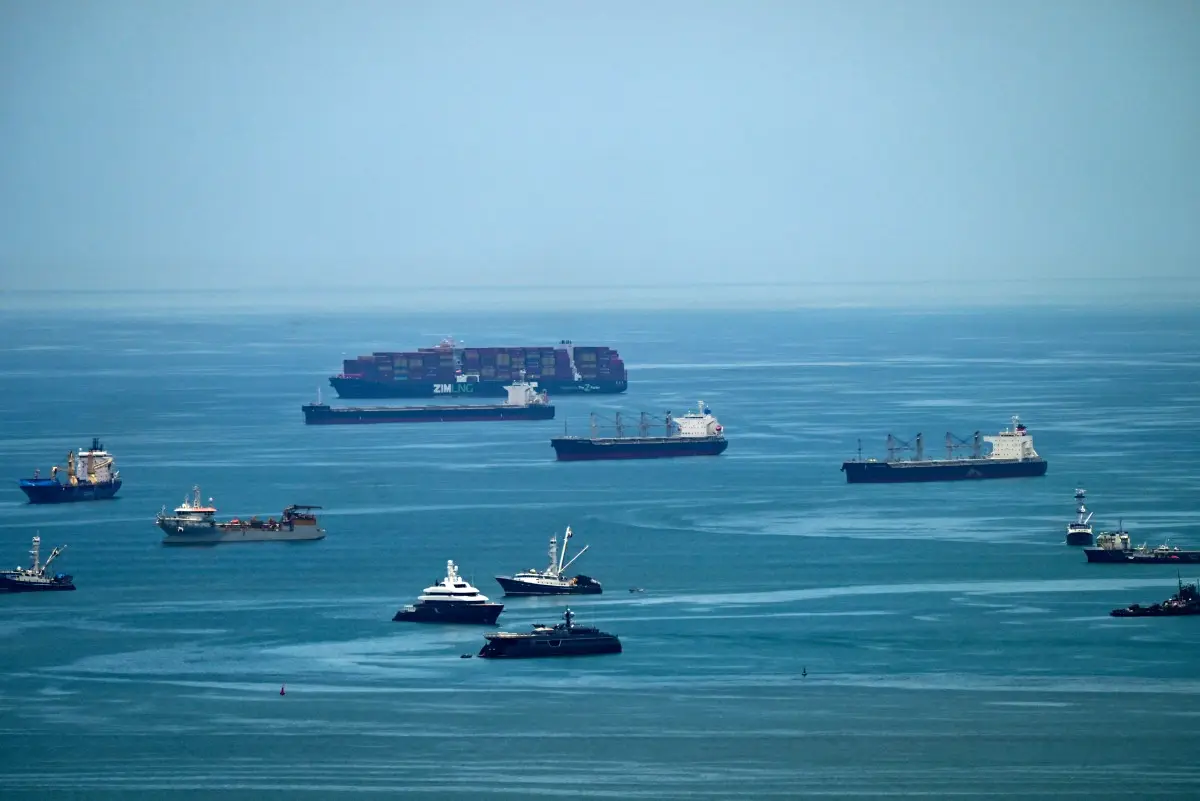
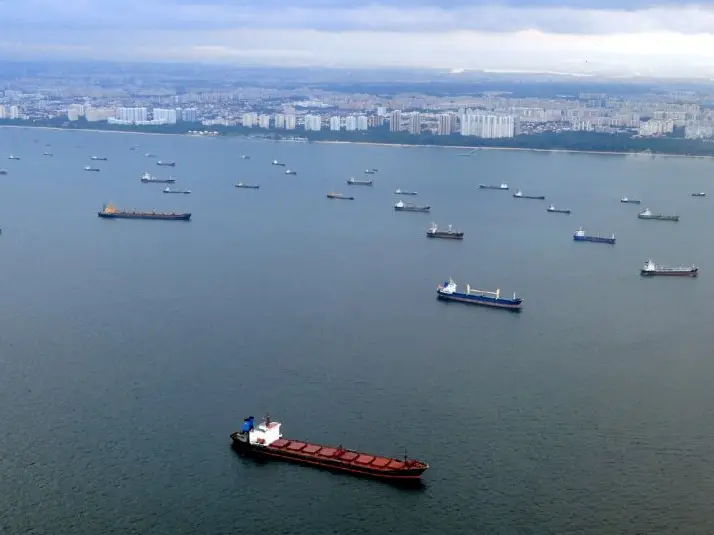
A vessel (bottom) sailing past ships anchored along the coast of Singapore at the mouth of the Strait of Malacca. The Strait of Malacca, a narrow strip of sea between Indonesian Sumatra island and the Malay Peninsula is one of the most important shipping lanes in the world linking providing links between major Asian economies like India, China and Japan. Photograph: (AFP)
Thailand pushes its $31B Land Bridge project to bypass the Strait of Malacca amid Hormuz crisis, aiming to secure global trade and cut transit time.
Thailand is already preparing for ways to bypass the Strait of Malacca, as the crisis in the Strait of Hormuz has brought the Global economy to a standstill. It is working on the long-standing ambitious 'Land Bridge' infrastructure megaproject, a transhipment route connecting the Andaman Sea and the Gulf of Thailand to act as an alternate to the Strait of Malacca and reduce the transport time by approximately 5 days.
What is the Land Bridge project?
The Thai Land Bridge project is a massive 1 trillion baht/ $31 billion project, which aims to establish two deep-sea ports, one in Ranong on the Andaman Sea and another in Chumphon on the Gulf of Thailand. The two ports will be connected by a massive 90km corridor featuring a six-lane motorway, dual-track railway, and an oil pipeline. The port is designed to handle 40 million TEUs (twenty-foot equivalent units), which can rival most of the busiest ports. This is an alternative to the centuries-old "Kra Canal", a shipping passage across Southern Thailand, which met resistance due to environmental, financial and security concerns.
The project is still in the consideration phase, a previous attempt failed due to resistance, environmental concerns and domestic instability. Phiphat Ratchakitprakarn, the Minister of Transport, has suggested that the proposal will be tabled before the cabinet in June/July. They are seeking investors now, potentially from Singapore, and will allow tender in Q3 2026, with development commencing in late 2026.
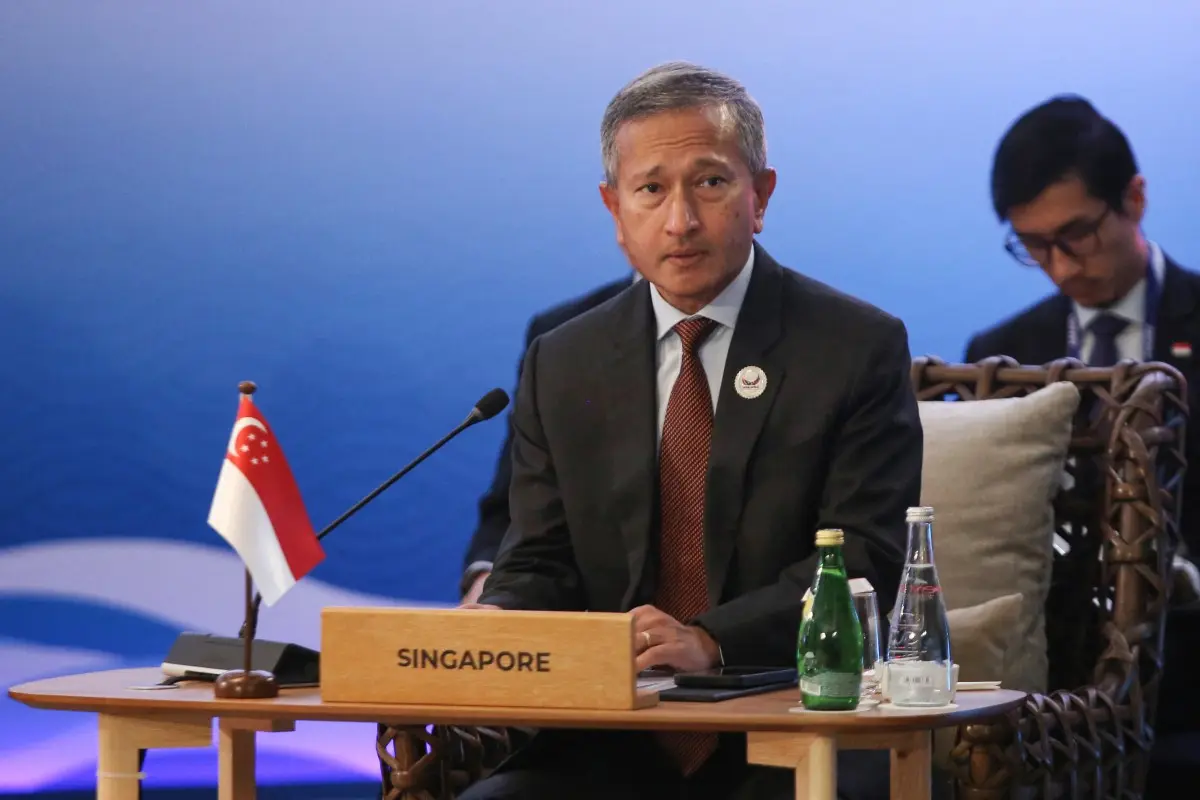
"He sees it as an economic opportunity for Thailand and for foreign investors, if the project can be successfully pushed forward," said Thai government spokesperson Rachada Dhanadirek, referring to Chan Chun Sing, the defence minister of Singapore.
Trending Stories
)
)
)
)
)
)
)
)
)
)
)
)
)
)
)
)
)
)
&im=FitAndFill=(700,400))
)
)
)
&im=FitAndFill=(700,400))
)
&im=FitAndFill=(700,400))
&im=FitAndFill=(700,400))
)
Why is Thailand reviving the decade-old Land Bridge project?
The project is expected to increase the GDP of Thailand by at least 1.5 per cent. But the main concern lies elsewhere, with the growing crisis over maritime trade chokepoints like the Strait of Hormuz and the Bab el Mandeb, and the energy security of Southeast Asian nations is threatened. Singapore's Minister of Foreign Affairs Vivian Balakrishnan said that the disruption in the Strait of Hormuz is just a “dry run” for a potential conflict between the US and China in the Eastern Pacific that has been in the making for decades now. Analysts predict that shipping disruption will become more frequent. The Strait of Malacca is currently the world's busiest chokepoint, handling roughly 40 per cent of global trade and the majority of oil shipments to East Asia. So, preparing for an alternative or "optionality" is a form of insurance for global trade