Scientists reveal the SAFEST COUNTRY when catastrophe strikes the planet

&imwidth=600&imheight=450&format=webp&quality=medium "Scientists reveal the SAFEST COUNTRY when catastrophe strikes the planet")
When the world faces an imminent existential threat, only one country will be most resilient.
When the world witnesses an unprecedented danger, a nuclear attack or an asteroid strike, one place on Earth will remain the least affected. This does not mean it will be fully immune to the effects of a catastrophe, but that it would be largely the least exposed.
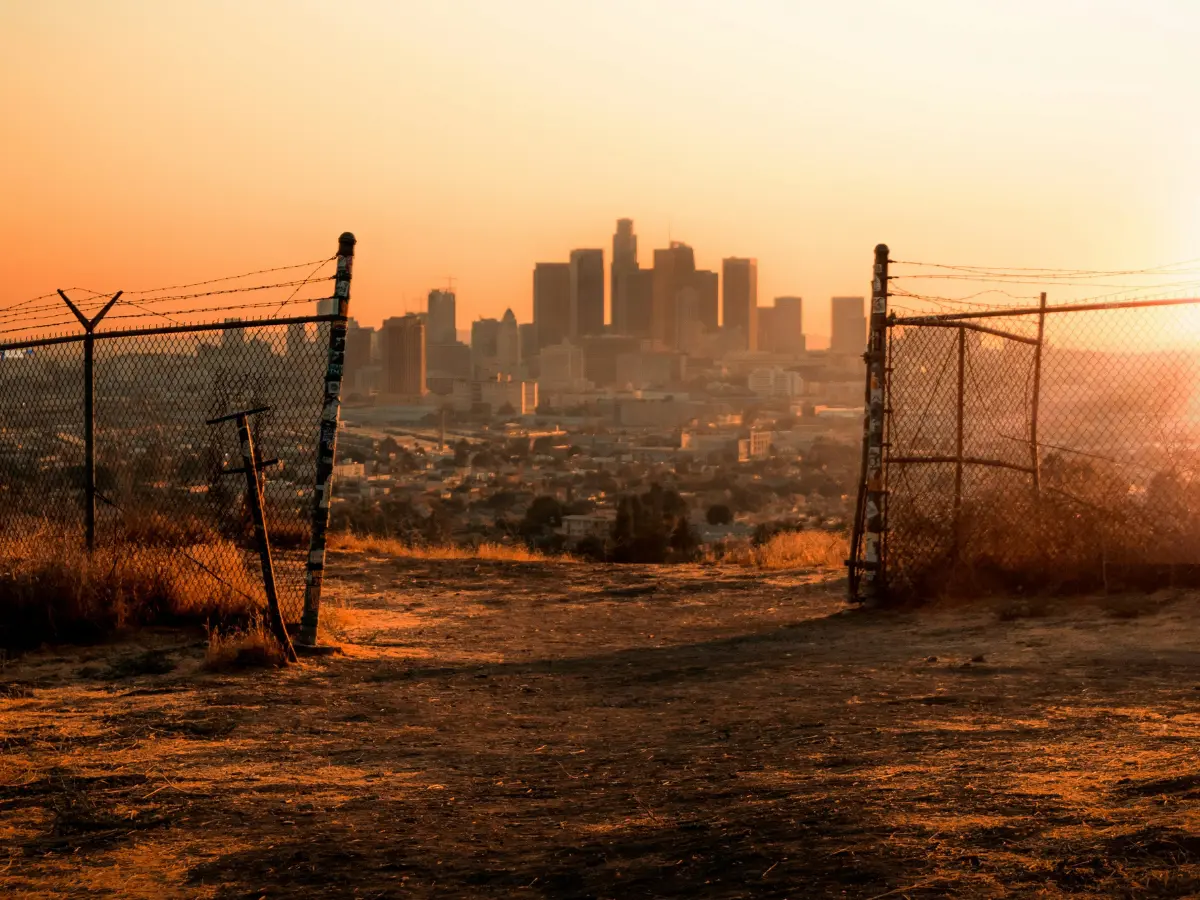
The day a major catastrophe strikes the world, only one place on Earth will be relatively safe. According to a study published in Global Challenges, the place most cut off from the rest of the world will be least impacted, and this is the continent of Australia. Climate change, nuclear war and artificial intelligence are some of the threats facing us today, and in the event a calamity unfolds, the overall safest place in the world will be Down Under.
However, the scientists clarify that it won't remain untouched and will only be least exposed overall to the spectrum of potential threats. So being in Australia won't make you completely immune to the problem at hand. "No single place on Earth is resilient against all global catastrophic risks, but Australia is the country most frequently identified as resilient," the researchers said.
Also Read: Why are we obsessed with the idea of 'doomsday', the end of our own world? Psychologist decodes
Lead author and environmental scientist Florian Ulrich Jehn from the University of Hagen in Germany said, "Australia is likely the most resilient place on Earth when it comes to global catastrophic risks." The researchers studied data on global catastrophic risks (GCRs) from across the globe, including studies on how certain disasters impact an area. This includes asteroid strikes, volcanic eruptions, diseases, cyberattacks, etc.
Three types of global threats
The team classified the GRCs into three categories and also assessed the research on resilience. The first group is the Abrupt Sunlight Reduction Scenarios (ASRS), where sunlight is blocked due to volcanoes, dust clouds from asteroid strikes and nuclear attacks, etc. The second category is called Global Catastrophic Infrastructure Loss (GCIL), where electricity, transport, and food production are affected because of geomagnetic storms, cyberattacks, pandemics, and High Altitude Electromagnetic Pulses (HEMP).
Trending Stories
&imwidth=280&imheight=210&format=webp&quality=medium)
&imwidth=280&imheight=210&format=webp&quality=medium)
&imwidth=280&imheight=210&format=webp&quality=medium)
&imwidth=280&imheight=210&format=webp&quality=medium)
&imwidth=280&imheight=210&format=webp&quality=medium)
&imwidth=280&imheight=210&format=webp&quality=medium)
&imwidth=280&imheight=210&format=webp&quality=medium)
&im=FitAndFill=(700,400)&imwidth=280&imheight=210&format=webp&quality=medium)
&imwidth=280&imheight=210&format=webp&quality=medium)
&imwidth=280&imheight=210&format=webp&quality=medium)
&imwidth=280&imheight=210&format=webp&quality=medium)
&imwidth=280&imheight=210&format=webp&quality=medium)
&imwidth=280&imheight=210&format=webp&quality=medium)
&imwidth=280&imheight=210&format=webp&quality=medium)
&imwidth=280&imheight=210&format=webp&quality=medium)
&imwidth=280&imheight=210&format=webp&quality=medium)
&imwidth=280&imheight=210&format=webp&quality=medium)
&imwidth=280&imheight=210&format=webp&quality=medium)
&imwidth=280&imheight=210&format=webp&quality=medium)
&im=FitAndFill=(700,400)&imwidth=280&imheight=210&format=webp&quality=medium)
&imwidth=280&imheight=210&format=webp&quality=medium)
&imwidth=280&imheight=210&format=webp&quality=medium)
&imwidth=280&imheight=210&format=webp&quality=medium)
&im=FitAndFill=(700,400)&imwidth=280&imheight=210&format=webp&quality=medium)
&imwidth=280&imheight=210&format=webp&quality=medium)
&imwidth=280&imheight=210&format=webp&quality=medium)
&imwidth=280&imheight=210&format=webp&quality=medium)
&imwidth=280&imheight=210&format=webp&quality=medium)
&imwidth=280&imheight=210&format=webp&quality=medium)
&imwidth=280&imheight=210&format=webp&quality=medium)
&imwidth=280&imheight=210&format=webp&quality=medium)
&imwidth=280&imheight=210&format=webp&quality=medium)
&imwidth=280&imheight=210&format=webp&quality=medium)
Third is the Global Catastrophic Biological Risk (GCBR), under which fall major biological hazards that cause mass fatalities on a continental scale. In the face of a catastrophe, countries that are able to continue critical functions and maintain human welfare are classified as most resilient. Countries that passed this test fulfilled the parameters below -
- Democracy
- Wealth and lower inequality
- Large industrial base, with high governmental influence
- Remote locations
- Higher decentralisation and diversity
- Not highly reliant on trade
- Absence of geographically close trading partners
Why Australia wins
Australia fit the bill best, especially because of being geographically isolated. "It's an island, so it can more easily shut itself off and isolate itself. Australia produces an incredible amount of food, has a large domestic industry and mining sector. It's also wealthy and a fairly stable democracy – all things that make a country more resilient," Jehn said.
But even Australia has its share of issues when it comes to GCRs, such as certain hazards and dependency on international trade for fuel, medicine, and fertiliser.
Next on the list are New Zealand, Japan, Switzerland, and Argentina. But they too have their specific issues. Except Switzerland, each of them has long coastlines, increasing their risk of being impacted by tsunamis from a near-Earth object. "All except Switzerland could be impacted by one of the several volcanoes in South-East Asia and South America erupting, as Tambora did in 1815," the authors wrote.

