

&imwidth=800&imheight=600&format=webp&quality=medium "Russia unleashes 800-jet powered drones on Ukraine in four days as Kyiv faces prolonged air raids")
Kyiv is facing increasingly lengthy daytime air raid warnings as Russia intensifies its drone campaign against Ukraine, launching around 800 jet-powered drones in just four days.
The new-generation Shahed drones can reportedly reach cruising speeds of between 200mph and 250mph, roughly twice the speed of their piston-engine predecessors, which travel at about 115mph. Their higher speed is making them more difficult for Ukraine’s low-cost interceptor drones to bring down.
Ukrainian President Volodymyr Zelenskyy said on Sunday that jet-powered drones now make up more than half of the unmanned aircraft Russia is using in its attacks, describing the campaign as an effort to “wear down” Ukraine.
“There were almost 1,500 drones of all types in these four days alone – about 800 of them jet-powered,” the president said. Ukraine was currently relying on combat aircraft to shoot them down, he added.
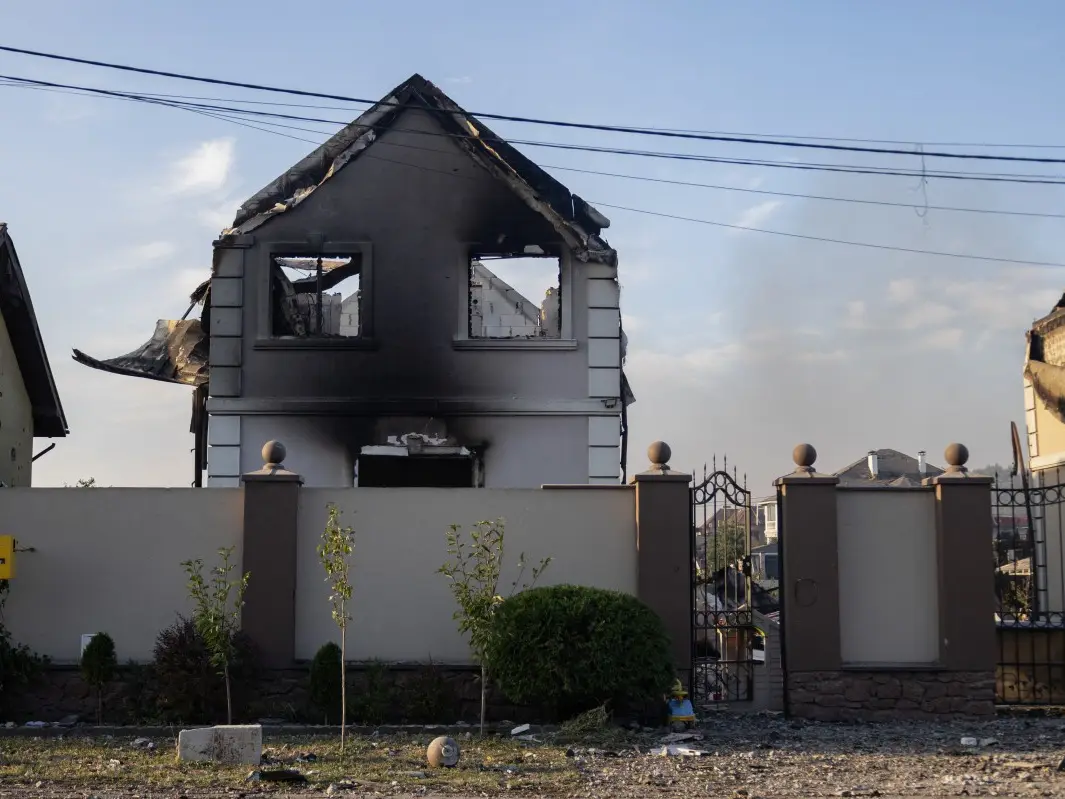
One of the latest models, the Geran-4, hit an ammunition storage site in Myla, a village around 15 miles west of Kyiv, on Thursday. The attack reportedly killed 38 people and triggered hours of secondary explosions. Warehouses were destroyed and nearby residential properties were also damaged.
Russia has continued to conduct waves of daytime drone attacks over recent days, resulting in prolonged air raid warnings, particularly in the Ukrainian capital. Kyiv recorded eight air raid alerts by lunchtime on Monday.
Trending Stories
&im=FitAndFill=(700,400)&imwidth=180&imheight=135&format=webp&quality=medium)
‘0-100km/h in 1 second Tesla Roadster’: Why tyre grip becomes a problem when cars accelerate this fast
&imwidth=180&imheight=135&format=webp&quality=medium)
Up to 1 million satellites in orbit? the space race raising questions about who controls space
&imwidth=180&imheight=135&format=webp&quality=medium)
US sanctions Cuban state-owned bank BICSA over alleged financial links to Iran
&imwidth=180&imheight=135&format=webp&quality=medium)
Majid Majidi's new film Midday Meal takes top prize at Asia's biggest film festival
&imwidth=180&imheight=135&format=webp&quality=medium)
Russian woman and Bihar boy's love story goes viral after she reaches India to marry him
&imwidth=180&imheight=135&format=webp&quality=medium)
Arijit Singh 9-city India stadium tour to start from January: Check venue and ticket prices
&imwidth=180&imheight=135&format=webp&quality=medium)
'A new space debris solution for global customers’: Samtel CEO Puneet Kaura on India-Japan partnership
&imwidth=180&imheight=135&format=webp&quality=medium)
Billy Joel's health update: Why the singer can't drive or perform right now?
&imwidth=180&imheight=135&format=webp&quality=medium)
Ukraine blinded: Musk deflects blame on Trump, Putin sharpens attack | Gravitas
&imwidth=180&imheight=135&format=webp&quality=medium)
Oregon school shooting: 16-year-old identified as suspect after at least four killed, including three children
&imwidth=180&imheight=135&format=webp&quality=medium)
Who is Abu Dhabi royal Mahrah Al Nahyan, found unconscious on London street with toddler after cocaine use
&imwidth=180&imheight=135&format=webp&quality=medium)
US-Iran War: Trump eyes mother of all bombs; Iran in crosshairs

Not Khan but Pal: Why did Imran Khan choose his mother's surname over his father's? Family tree explained
&imwidth=180&imheight=135&format=webp&quality=medium)
Russia-Ukraine War: Putin vows retaliation against Ukraine
&imwidth=180&imheight=135&format=webp&quality=medium)
'Turns out the future does have flying cars': Musk's Tesla unveils 'flying' sports car with SpaceX technology | Watch
&imwidth=180&imheight=135&format=webp&quality=medium)
‘He told me clearly...’: Yuzvendra Chahal reveals why Rohit Sharma dropped him from India’s 2023 WC squad
&imwidth=180&imheight=135&format=webp&quality=medium)
China tells Israel to stop West Bank settlements, calls Palestine issue ‘historic injustice’
&im=FitAndFill=(700,400)&imwidth=180&imheight=135&format=webp&quality=medium)
Inside the Peshawar school tragedy: 34 dead, building's condition under scrutiny and owner arrested. Here's what all happened
&im=FitAndFill=(700,400)&imwidth=180&imheight=135&format=webp&quality=medium)
‘No traffic jams for Tesla owners’: How Elon Musk’s new flying car is different from regular cars?
&imwidth=180&imheight=135&format=webp&quality=medium)
‘My president, I mean my husband’: Trump's new press secretary Katie Zacharia's first briefing goes off the rails in 14 minutes
&im=FitAndFill=(700,400)&imwidth=180&imheight=135&format=webp&quality=medium)
World's 7 most innovative countries in 2026 REVEALED: Did India make the list? | In Pics
&imwidth=180&imheight=135&format=webp&quality=medium)
Trump says Zelensky 'not a good guy' amid fresh Russia-Ukraine tensions | Watch video
&imwidth=180&imheight=135&format=webp&quality=medium)
Earthquake measuring 7 magnitude strikes Russia’s Kamchatka Peninsula
&imwidth=180&imheight=135&format=webp&quality=medium)
Vijay Deverakonda and Rashmika Mandanna's Ranabaali X Review: Netizens call it history-rich but overstuffed
&imwidth=180&imheight=135&format=webp&quality=medium)
Was Trump in danger at Alaska rally? Viral video shows Secret Service agents reacting
&imwidth=180&imheight=135&format=webp&quality=medium)
'Will stand with Pakistan in case of war with US': Rajasthan BJP chief's remark sparks row
&imwidth=180&imheight=135&format=webp&quality=medium)
US midterms 2026: FBI investigates suspicious mailings containing 'unknown substance' sent to election offices
&imwidth=180&imheight=135&format=webp&quality=medium)
Durga Puja 2026: Kajol kicks of celebrations along with mother Tanuja, sister Tanishaa and cousin Ayan Mukerji
&im=FitAndFill=(700,400)&imwidth=180&imheight=135&format=webp&quality=medium)
Inside Tesla's Roadster: 10 features of Elon Musk's 'flying car' that push the limits of electric vehicles | In Pics
&imwidth=180&imheight=135&format=webp&quality=medium)
India’s naval priorities: Ex-Navy Chief calls for third aircraft carrier, more warships and submarines
&imwidth=180&imheight=135&format=webp&quality=medium)
Netanyahu defies Trump, blocks Gaza military base for Board of Peace | Gravitas
&imwidth=180&imheight=135&format=webp&quality=medium)
Saudi Arabia executes Two Bangladesh nationals over immoral act
&im=FitAndFill=(700,400)&imwidth=180&imheight=135&format=webp&quality=medium)
Tesla Roadster's thrusters vs rocket engines: What's the difference?
&imwidth=180&imheight=135&format=webp&quality=medium)
Mumbai: CJP brings Tricolour protest to Azad Maidan after weeks of demonstrations

US ends automatic work permit extensions; Indian workers lose 540-day safety net: What it means
&imwidth=180&imheight=135&format=webp&quality=medium)
'Ukraine must get all it needs to protect civilians and infrastructure': Macron
&im=FitAndFill=(700,400)&imwidth=180&imheight=135&format=webp&quality=medium)
New Friday OTT releases (October 16, 2026): DC, Sacrifice, Aasha- 6 new movies and TV shows coming on Netflix, Zee 5, Prime Video and more
Although daytime strikes have occurred previously, they were relatively unusual. The latest attacks have disrupted daily life, with some businesses temporarily suspending operations during alerts. Residents have also been forced to decide whether to stay inside, move to shelters or continue their activities despite the warnings.
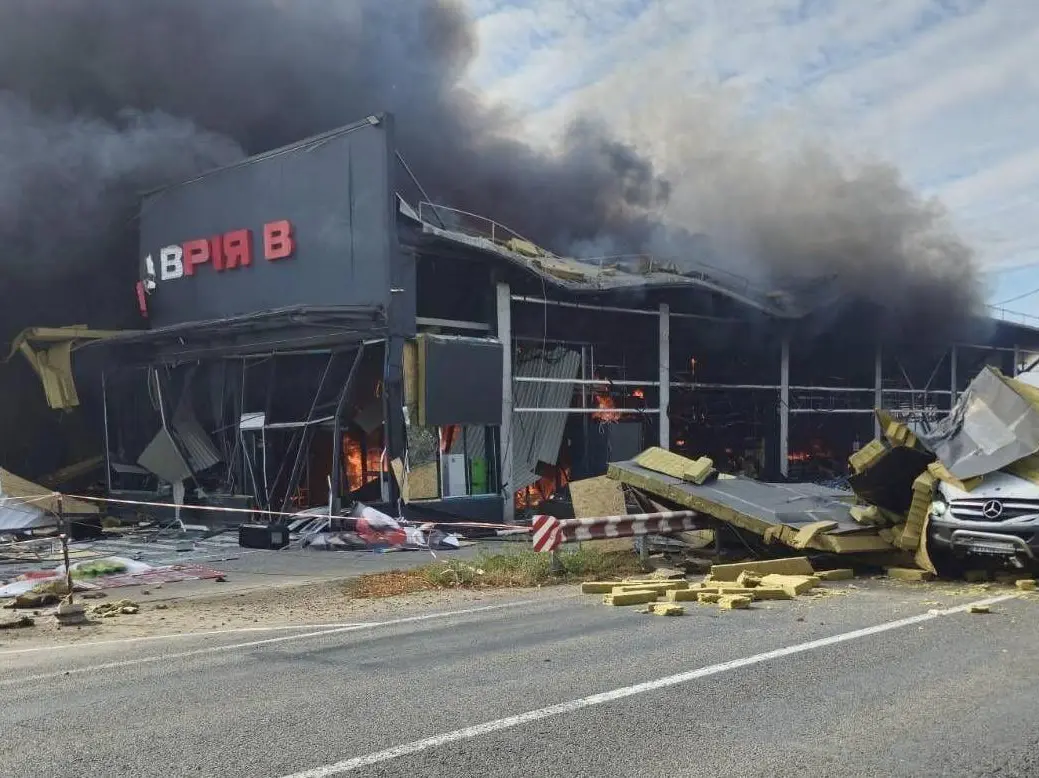
The presence of nearby drones can also complicate emergency response operations. Firefighters and other emergency crews may be forced to withdraw from damaged locations when another attack is detected, potentially allowing fires to spread. A similar situation occurred earlier this month after a food storage facility in Boryspil, east of Kyiv, was hit.
Russian forces have also targeted warehouses in and around Kyiv during the past month. The strikes have been linked to retaliation for Ukrainian attacks on the Wildberries and Ozon distribution networks in Russia. The resulting disruption has contributed to shortages of some food products in Ukrainian stores, although officials have attempted to reassure the public.
Serhii Beskrestnov, an adviser to Zelenskyy on defence technology, urged people “do not give in to rumours, misinformation, and panic” and said that companies were rebuilding supply chains in response to the attacks. “We will not die of hunger,” he wrote in a social media posting.
Shahed drones feature a distinctive delta-wing design and were initially developed in Iran before the technology was transferred to Russia. Iran first unveiled the jet-powered Shahed-238 in autumn 2023, and the system subsequently appeared in attacks against Ukraine.
Russia began producing and deploying its newest jet-powered version, the Geran-4, in significant numbers during the spring. Moscow is now producing more jet-powered drones than the earlier piston-engine variants, with the Geran-4 and Geran-5 among the models being used.
The Geran-5 has a different appearance from the delta-wing Geran-4, resembling a small missile fitted with wings.
Beskrestnov said at least 2,500 jet-powered drones had been launched against Ukraine during August, compared with approximately 1,500 in July. He said production date stamps discovered on drone components indicated that some weapons were being launched only days after leaving the manufacturing facility in Yelabuga.
Ukraine has previously developed a network of inexpensive ground-launched interceptors capable of destroying slower piston-engine Shahed drones. Those systems helped push interception rates above 90%.
Over the weekend, Zelenskyy said Ukraine would need to maintain that level of defence effectiveness as the country enters autumn.
Ukrainian engineers are now working on faster interceptor drones designed specifically to counter the newer jet-powered Shaheds. Few technical details have been disclosed publicly, but Zelenskyy said progress was already being made.
“Four companies have developed the relevant interceptor drones, and one company has the most successful technology,” Zelensky said.
The shift toward faster drones presents a new challenge for Ukraine's air-defence network. As Russia increases production and uses the weapons in sustained waves during daylight hours, Ukrainian forces face growing pressure to develop interceptors capable of matching their speed while remaining inexpensive enough for large-scale deployment.

