The Verdict | How Moscow’s alleged hybrid warfare is challenging Europe

&imwidth=600&imheight=450&format=webp&quality=medium "The Verdict | How Moscow’s alleged hybrid warfare is challenging Europe")
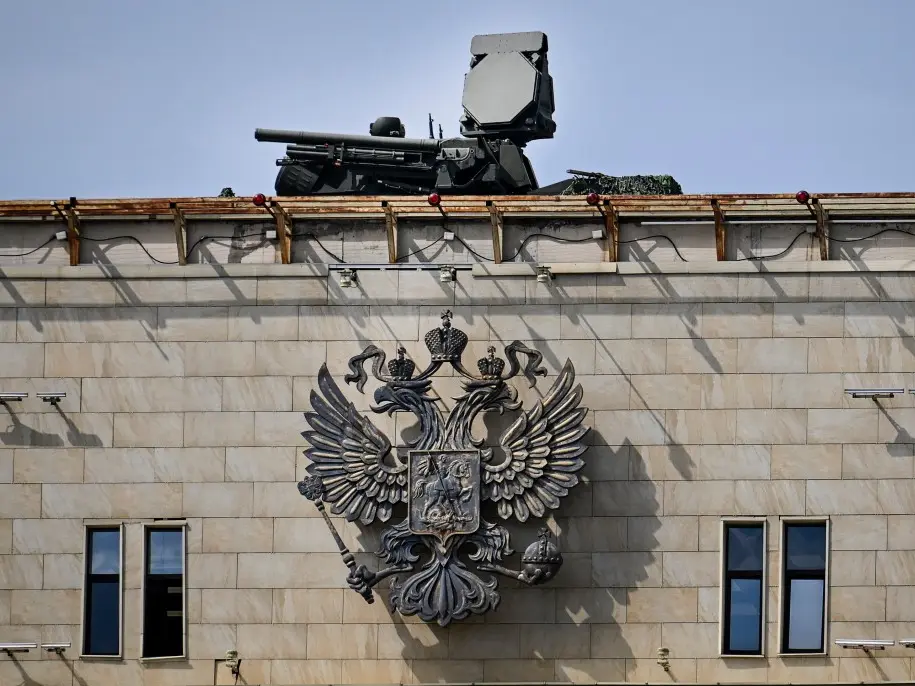
The Pantsyr S-1 air defence missile system (NATO name SA-22 Greyhound) is seen atop the Russian Defence Ministry headquarters in Moscow on May 5, 2026, few days ahead of the Victory Day military parade, to be held at Red Square on May 9. Photograph: (AFP)
Russia-NATO tensions are entering a new phase as European nations accuse Moscow of using cyberattacks, disinformation, drones and covert operations.
The rivalry between Russia and NATO has entered a new phase, and this time, it goes beyond the realm of conventional warfare. European countries are accusing Moscow of unleashing hybrid warfare — a tactic that combines limited kinetic action with non-kinetic operations such as cyberattacks, disinformation and economic coercion to destabilise an adversary without triggering a full-scale open war.
The United States has reportedly also focused on the issue. According to reports published in the US media, the chief of America's external intelligence agency warned Moscow against attacking NATO countries. The warning raised concerns about the possibility of a limited Russian military venture aimed at testing NATO's resolve. However, Moscow has rejected these claims. Kremlin spokesperson Dmitry Peskov dismissed them as "scare stories" that have nothing to do with reality and instead accused European countries of pursuing an aggressive policy towards Russia.
Concerns over Russia's alleged hybrid warfare tactics have intensified in recent months. Since March, several drones have entered NATO airspace across the Baltic region. Russia has reportedly been accused of steering Ukrainian drones towards NATO territory by manipulating satellite navigation signals and feeding them false target coordinates. According to Lithuania's defence minister, Moscow is also weighing a potential false-flag operation using captured Ukrainian drones to strike critical infrastructure in the Baltic region.
Incidents that European countries describe as hybrid attacks have also increased across the continent. Poland said it thwarted an attempted assassination of a US citizen, while Estonia accused Moscow of being behind a fire at a drone manufacturing facility. In May, a drone struck an apartment building in Romania. Most recently, Germany discovered an explosive-laden drone at Leipzig Airport. German Chancellor Friedrich Merz said those responsible for hybrid attacks would "pay the price."
In the latest diplomatic pushback, Hungary has classified Russia as a threat. New Prime Minister Peter Magyar is seeking to rewrite Hungary's ties with Moscow, with new policy documents stating that Russia's behaviour poses a threat to Hungary, Europe and the global order.
European countries have also accused Russia of election interference. The allegations, involving major NATO members such as France, Germany and Poland, include attempts to influence public opinion, electronic warfare, covert operations and cyberattacks.
Trending Stories
&imwidth=280&imheight=210&format=webp&quality=medium)
&im=FitAndFill=(700,400)&imwidth=280&imheight=210&format=webp&quality=medium)
&im=FitAndFill=(700,400)&imwidth=280&imheight=210&format=webp&quality=medium)
&imwidth=280&imheight=210&format=webp&quality=medium)
&imwidth=280&imheight=210&format=webp&quality=medium)
&imwidth=280&imheight=210&format=webp&quality=medium)
&imwidth=280&imheight=210&format=webp&quality=medium)
&imwidth=280&imheight=210&format=webp&quality=medium)
&imwidth=280&imheight=210&format=webp&quality=medium)
&imwidth=280&imheight=210&format=webp&quality=medium)
&imwidth=280&imheight=210&format=webp&quality=medium)
&imwidth=280&imheight=210&format=webp&quality=medium)
&imwidth=280&imheight=210&format=webp&quality=medium)
&imwidth=280&imheight=210&format=webp&quality=medium)
&imwidth=280&imheight=210&format=webp&quality=medium)
&imwidth=280&imheight=210&format=webp&quality=medium)
&imwidth=280&imheight=210&format=webp&quality=medium)
&imwidth=280&imheight=210&format=webp&quality=medium)
&imwidth=280&imheight=210&format=webp&quality=medium)
&imwidth=280&imheight=210&format=webp&quality=medium)
&imwidth=280&imheight=210&format=webp&quality=medium)
&imwidth=280&imheight=210&format=webp&quality=medium)
&im=FitAndFill=(700,400)&imwidth=280&imheight=210&format=webp&quality=medium)
&imwidth=280&imheight=210&format=webp&quality=medium)
&imwidth=280&imheight=210&format=webp&quality=medium)
&imwidth=280&imheight=210&format=webp&quality=medium)
&imwidth=280&imheight=210&format=webp&quality=medium)
&imwidth=280&imheight=210&format=webp&quality=medium)
&imwidth=280&imheight=210&format=webp&quality=medium)
&imwidth=280&imheight=210&format=webp&quality=medium)
&imwidth=280&imheight=210&format=webp&quality=medium)
&imwidth=280&imheight=210&format=webp&quality=medium)
&imwidth=280&imheight=210&format=webp&quality=medium)
&imwidth=280&imheight=210&format=webp&quality=medium)
Europe appears to have adopted a cautious and defensive stance, as Russia's alleged hybrid warfare activities have so far fallen short of the threshold for triggering NATO's mutual defence clause. Under US President Donald Trump's presidency, this has left European nations scrambling to strengthen their own defences while taking a primary role in supporting Ukraine's war effort against Russia.
Russia maintains that Europe is pushing for war rather than peace. European countries, on the other hand, argue that supporting Ukraine's defence is ultimately part of defending Europe itself.
