Research on ‘molecular drills’ of skin cancer cells gives hope for a cure

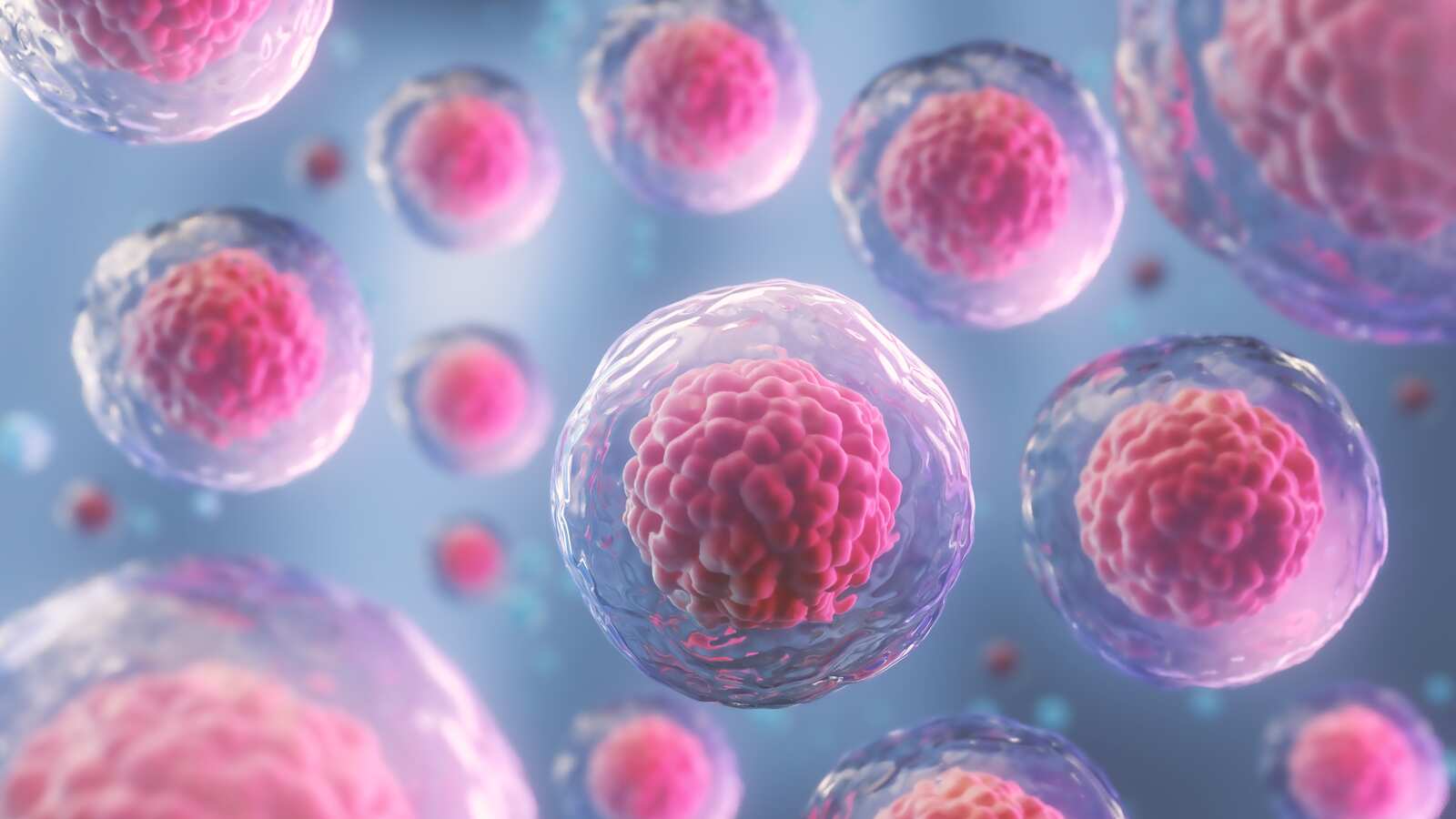
Breakthrough in skin cancer treatment
In order to invade healthy tissues and proliferate throughout the body, skin cancer cells manufacture "molecular drills," according to research that suggests potential treatments for the condition.
Melanoma cells growing in 3D skin-like material in the lab created drills, which researchers were able to photograph using robotic microscopy.
The drills aid tumour cells in adhering to and poking holes through nearby cells and structures, enabling the cancer to spread outside of the place where it first starts and into further tissues and organs.

Professor of cancer morphodynamics at the Institute of Cancer Research in London Chris Bakal stated that this is the first instance of this type of cell shape alteration being connected to any type of metastatic cancer.
Since the 1990s, the number of new cases of melanoma havemore than doubled in the UK, where the disease now affects more than 16,000 people annually. Tumors may frequently be removed by surgeons in the early stages, but as the cancer spreads to other body areas, it becomes more challenging to cure.
A 3D matrix rich in collagen, one of the key proteins in skin, was used by Bakal and his colleagues to grow melanoma cells. They uncovered a particular gene, ARHGEF9, which was essential to the development of the molecular drills by selectively removing genes from the cancer cells.
&imwidth=180&imheight=135&format=webp&quality=medium)
Rahul Gandhi's plea against Election Commission delayed as Supreme Court registry flags 14 ‘defects’
&im=FitAndFill=(700,400)&imwidth=180&imheight=135&format=webp&quality=medium)
Navratri 2026: 9 days, 9 forms of Goddess Durga and 9 colours- Check the complete list
&imwidth=180&imheight=135&format=webp&quality=medium)
Korean peninsula tensions escalate as North Korea launches multiple ballistic missiles, PACOM says 'no threat to US personnel'
&imwidth=180&imheight=135&format=webp&quality=medium)
Trump weighs firing Kimberly Guilfoyle as US ambassador to Greece amid misconduct allegations: Report
&imwidth=180&imheight=135&format=webp&quality=medium)
Anti-SIR protest in Mumbai: Protestors wear black masks & ribbons in Mumbai
&imwidth=180&imheight=135&format=webp&quality=medium)
UK PM Andy Birnham renews claims of Russian meddling in Brexit vote
&imwidth=180&imheight=135&format=webp&quality=medium)
BCCI rejects venue shift reports, India vs Sri Lanka 1st ODI to remain in Delhi
&imwidth=180&imheight=135&format=webp&quality=medium)
'Absolutely disgusting': Australia slams US plan to livestream Nidal Hasan's execution; Mike Johnson raises concerns, warns of terrorist propaganda
&imwidth=180&imheight=135&format=webp&quality=medium)
1,500 drones illuminate Mumbai sky as Cordelia Cruises unveils second ship, Cordelia Sky
&imwidth=180&imheight=135&format=webp&quality=medium)
Houthis warns US of 'painful response' if Washington joins Saudi war in Yemen as airlines suspend flights to Saudi Arabia
&imwidth=180&imheight=135&format=webp&quality=medium)
India Rejects Pakistan-China Boundary Commission, Tells Islamabad to Drop 'Theatrics' | GRAVITAS
&imwidth=180&imheight=135&format=webp&quality=medium)
Congress demands action against chief election commissioner
&imwidth=180&imheight=135&format=webp&quality=medium)
Apple HomeView smart home hub may launch soon with A18 chip, display and Siri controls: What to expect
&imwidth=180&imheight=135&format=webp&quality=medium)
'Turn approver, resign, we'll forgive you': Rahul Gandhi claims receiving messages from CEC Gyanesh Kumar
&imwidth=180&imheight=135&format=webp&quality=medium)
'I will not be silenced': Ilhan Omar alleges political intimidation after federal officers search her Washington home
&imwidth=180&imheight=135&format=webp&quality=medium)
Robotic surgery, advanced treatment: What is coming to this small Gujarat town?
&imwidth=180&imheight=135&format=webp&quality=medium)
Pakistan's government blames PTI for rise of terrorism in Khyber Pakhtunkhwa
&imwidth=180&imheight=135&format=webp&quality=medium)
‘This is just the start’: Maaya Rajeshwaran on historic ITF title, confidence boost and future goals
&im=FitAndFill=(700,400)&imwidth=180&imheight=135&format=webp&quality=medium)
How does a robot decide what to do next?
&imwidth=180&imheight=135&format=webp&quality=medium)
Trump says he 'may' meet North Korean leader Kim Jong Un during upcoming Asia trip
&imwidth=180&imheight=135&format=webp&quality=medium)
'Ouch!!! That must hurt': Kangana Ranaut hails Kamal Haasan's sharp reply to Elon Musk over Starlink row
&imwidth=180&imheight=135&format=webp&quality=medium)
Sidhu Moose Wala’s younger brother wins hearts by recreating late singer’s signature move at Toronto Hologram Show
&imwidth=180&imheight=135&format=webp&quality=medium)
UK school ditches technology, shifts from screen to pen and paper for learning
&imwidth=180&imheight=135&format=webp&quality=medium)
Opposition’s 10 demands in Supreme Court petition range from stay on SIR to audit of voter rolls
&imwidth=180&imheight=135&format=webp&quality=medium)
'I am thoroughly unamused': Judge slams Trump administration after 400 trees cut at Washington golf course
&imwidth=180&imheight=135&format=webp&quality=medium)
Portugal Federation confirms Cristiano Ronaldo’s return to national team despite suspension
&im=FitAndFill=(700,400)&imwidth=180&imheight=135&format=webp&quality=medium)
New OTT releases this week (October 12-18, 2026): Sacrifice, Koffee with Karan S9, Roadies Rebirth- 6 titles coming on Netflix, JioHotstar and more
&imwidth=180&imheight=135&format=webp&quality=medium)
India's Ajit Doval, Iran's Mohsen Rezaei hold talks amid escalating West Asia tensions, discuss 'issues of mutual interest'
&imwidth=180&imheight=135&format=webp&quality=medium)
'Almost certainly': UK Prime Minister Andy Burnham says Iran's IRGC behind RAF Fairford threat
&imwidth=180&imheight=135&format=webp&quality=medium)
Elon Musk pumps $276 million into Republican campaigns ahead of US midterm elections
All human cells contain the gene, however in adults it mostly only becomes active in brain cells to aid in the formation of new connections. The gene enables neurons to create their own drill-like structures far earlier in human development, which aids in the spread of the cells throughout the body and the wiring of the nervous system.
The researchers explain how turning off the ARHGEF9 gene in melanoma cells destabilised the molecular drills, preventing the cancer from attaching to and boring into neighbouring tissues. Their findings are published in the journaliScience
The discovery gives rise to expectations for novel treatments for melanoma and perhaps other malignancies, such neuroblastoma, which may spread similarly.
Despite being connected to a variety of neurological illnesses, the ARHGEF9 gene is thought to be more crucial during early development than in adulthood. If so, creating medications that block the gene could prevent the spread of melanoma without having any negative side effects.
Bakal asserted that disarming the drill "is likely to have widespread use," albeit he believes not all melanomas will benefit from the method. Drugs that target the gene may be more selective to cancer cells and therefore less hazardous as the gene is highly active in metastatic cells and less so in many other normal cells.
The research may have much wider ramifications for understanding cancer in addition to opening the path for potential treatments in the future. "This research may potentially alter the way we perceive cancer cells and tumours. In particular, neurons cooperate to build brains, communicate with one another via neurotransmitters, and transport information via electricity, according to Bakal.
Our research suggests that many cancer cells may behave similarly to establish these networks and that tumours may resemble the human brain in certain ways. One possible method by which cancer cells connect to this network and communicate with one another is through the drills or sensors we identified here. More laboratory research reveals that cancer cells have a high electrical activity.
The outcomes, according to Dr. Sam Godfrey of Cancer Research UK, were positive. Future study will now be able to concentrate on the function of this target in melanoma and consider whether it can also benefit in the treatment of some malignancies that affect adolescents and young adults, he said. "Better understanding of the biology of this illness will result in improved melanoma diagnostic procedures and therapies,"
(As reported bythe Guardian)