Pakistan-Afghan peace talks have collapsed, says Khawaja Asif; no surety on truce

&imwidth=600&imheight=450&format=webp&quality=medium "Pakistan-Afghan peace talks have collapsed, says Khawaja Asif; no surety on truce")
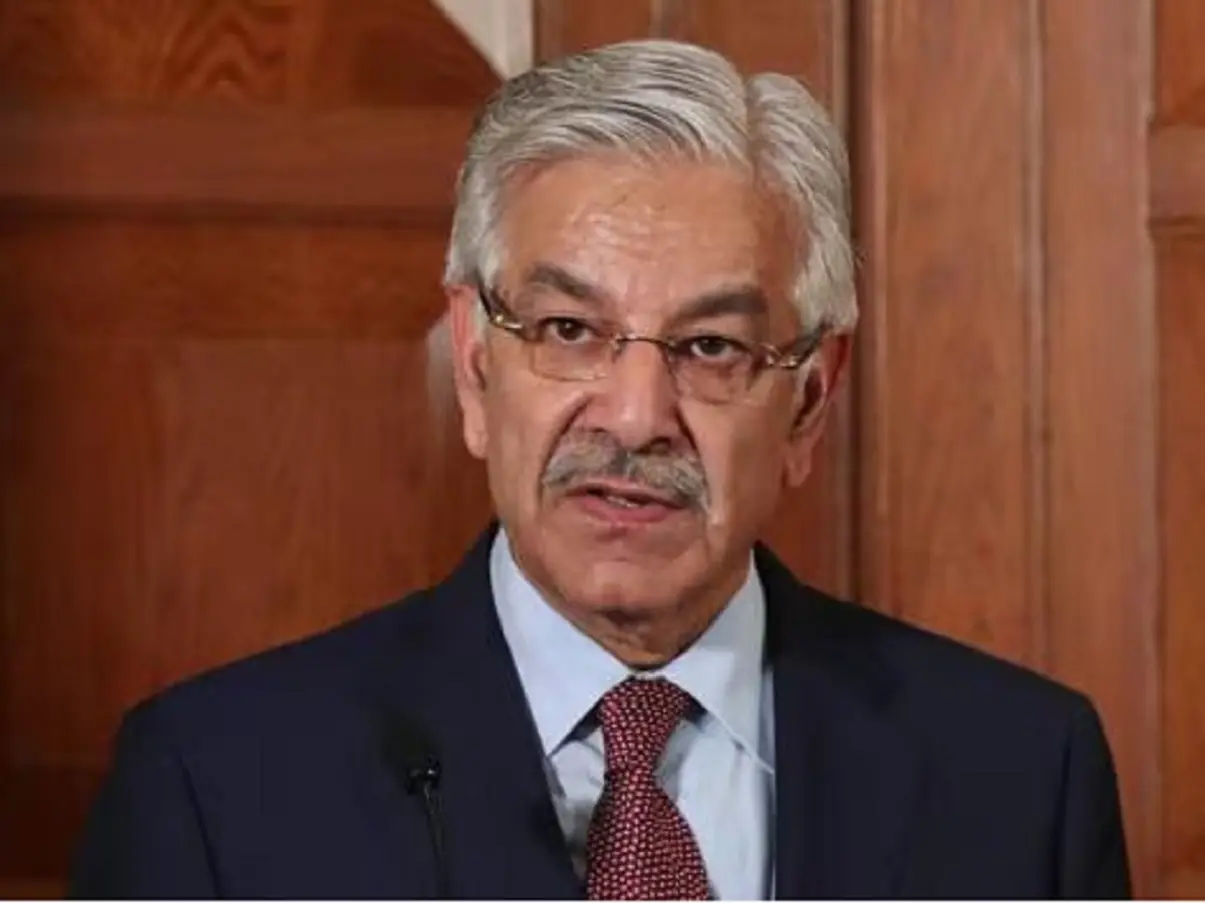
Pakistan’s Defence Minister Khawaja Asif Photograph: (AFP)
At the heart of the dispute is the Durand Line, which colonial Britishers drew as a border between pre-Independent India and Afghanistan. The 2,611-kilometre line cuts through the homeland of the Pashtun people, Afghanistan’s largest ethnic group and the core base of the Afghan Taliban.
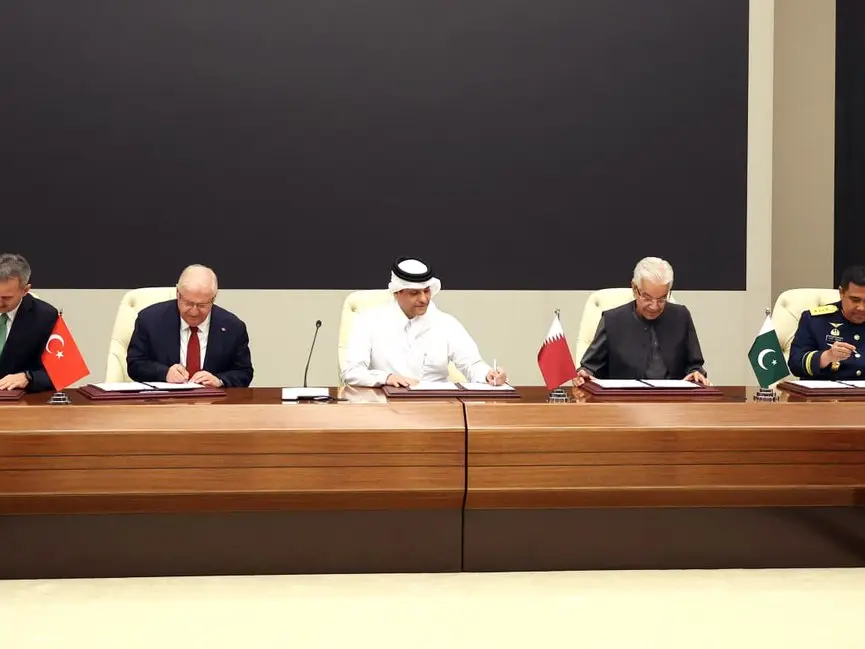
Pakistan’s Defence Minister Khawaja Asif has said that peace talks with Afghanistan, held in Istanbul to prevent renewed border clashes, have collapsed. Asif told GEO News on Friday that the ceasefire would remain in place only as long as no attacks are launched from Afghan territory. Asif had earlier issued a stark warning that the collapse of negotiations would force them to get into a ‘war’ with the Taliban. Officials and security sources earlier confirmed there was no breakthrough. The minister’s blunt remarks came during an interview with Geo TV on the eve of the third round of dialogue, after two earlier rounds in Doha and Istanbul ended without a breakthrough.
“If the negotiations fail, the situation will deteriorate further. We have our options. Considering how we are being targeted, we may respond in the same manner,” Asif said.
The talks were being closely watched after a fragile ceasefire was brokered between the two neighbours following brief cross-border clashes earlier this month.
Turkey has been mediating in the process, which has stumbled over Pakistan's demands that Kabul act decisively against the Tehreek-e-Taliban Pakistan (TTP).
The first round of talks took place in Doha on October 18-19, followed by a second round in Istanbul from October 25, which stretched for several days before concluding last week. Both sides agreed to maintain the ceasefire, but officials acknowledge that deep mistrust persisted.
Trending Stories
&imwidth=280&imheight=210&format=webp&quality=medium)
&imwidth=280&imheight=210&format=webp&quality=medium)
&imwidth=280&imheight=210&format=webp&quality=medium)
&imwidth=280&imheight=210&format=webp&quality=medium)
&imwidth=280&imheight=210&format=webp&quality=medium)
&imwidth=280&imheight=210&format=webp&quality=medium)
&imwidth=280&imheight=210&format=webp&quality=medium)
&imwidth=280&imheight=210&format=webp&quality=medium)
&imwidth=280&imheight=210&format=webp&quality=medium)
&imwidth=280&imheight=210&format=webp&quality=medium)
&imwidth=280&imheight=210&format=webp&quality=medium)
&imwidth=280&imheight=210&format=webp&quality=medium)
&imwidth=280&imheight=210&format=webp&quality=medium)
&imwidth=280&imheight=210&format=webp&quality=medium)
&imwidth=280&imheight=210&format=webp&quality=medium)
&imwidth=280&imheight=210&format=webp&quality=medium)
&imwidth=280&imheight=210&format=webp&quality=medium)
&imwidth=280&imheight=210&format=webp&quality=medium)
&imwidth=280&imheight=210&format=webp&quality=medium)
&imwidth=280&imheight=210&format=webp&quality=medium)
&imwidth=280&imheight=210&format=webp&quality=medium)
&im=FitAndFill=(700,400)&imwidth=280&imheight=210&format=webp&quality=medium)
&imwidth=280&imheight=210&format=webp&quality=medium)
&imwidth=280&imheight=210&format=webp&quality=medium)
&imwidth=280&imheight=210&format=webp&quality=medium)
&imwidth=280&imheight=210&format=webp&quality=medium)
&imwidth=280&imheight=210&format=webp&quality=medium)
&imwidth=280&imheight=210&format=webp&quality=medium)
&imwidth=280&imheight=210&format=webp&quality=medium)
&imwidth=280&imheight=210&format=webp&quality=medium)
&imwidth=280&imheight=210&format=webp&quality=medium)
Meanwhile, Asif dismissed Kabul’s claim that TTP fighters were merely “Pakistani refugees” returning home.
“How can refugees come back carrying heavy weapons and sneaking through mountain routes like thieves? This very argument exposes Afghanistan’s insincerity and ill intent,” he said.
Asif further added that relations with Afghanistan “cannot return to normal” until the Taliban government takes firm steps to stop cross-border attacks.
“I won’t blame the entire Afghan government, but many within its ranks are clearly supporting these groups,” he added.
Hostilities between the two countries started last month after Islamabad targeted Tehreek-e-Taliban Pakistan (TTP) camps in Kabul, even as the Afghan foreign minister of the Taliban regime, Amir Khan Muttaqi, was on his maiden visit to India.
Afghans blamed Pakistan for the border conflict and repeated violation of Afghanistan;s airspace.
At the heart of the dispute is the Durand Line, which colonial Britishers drew as a border between pre-Independent India and Afghanistan. The 2,611-kilometre line cuts through the homeland of the Pashtun people, Afghanistan’s largest ethnic group and the core base of the Afghan Taliban.