

&imwidth=800&imheight=600&format=webp&quality=medium "Pahalgam, Pakistan and power politics: How the US balances India and Islamabad")
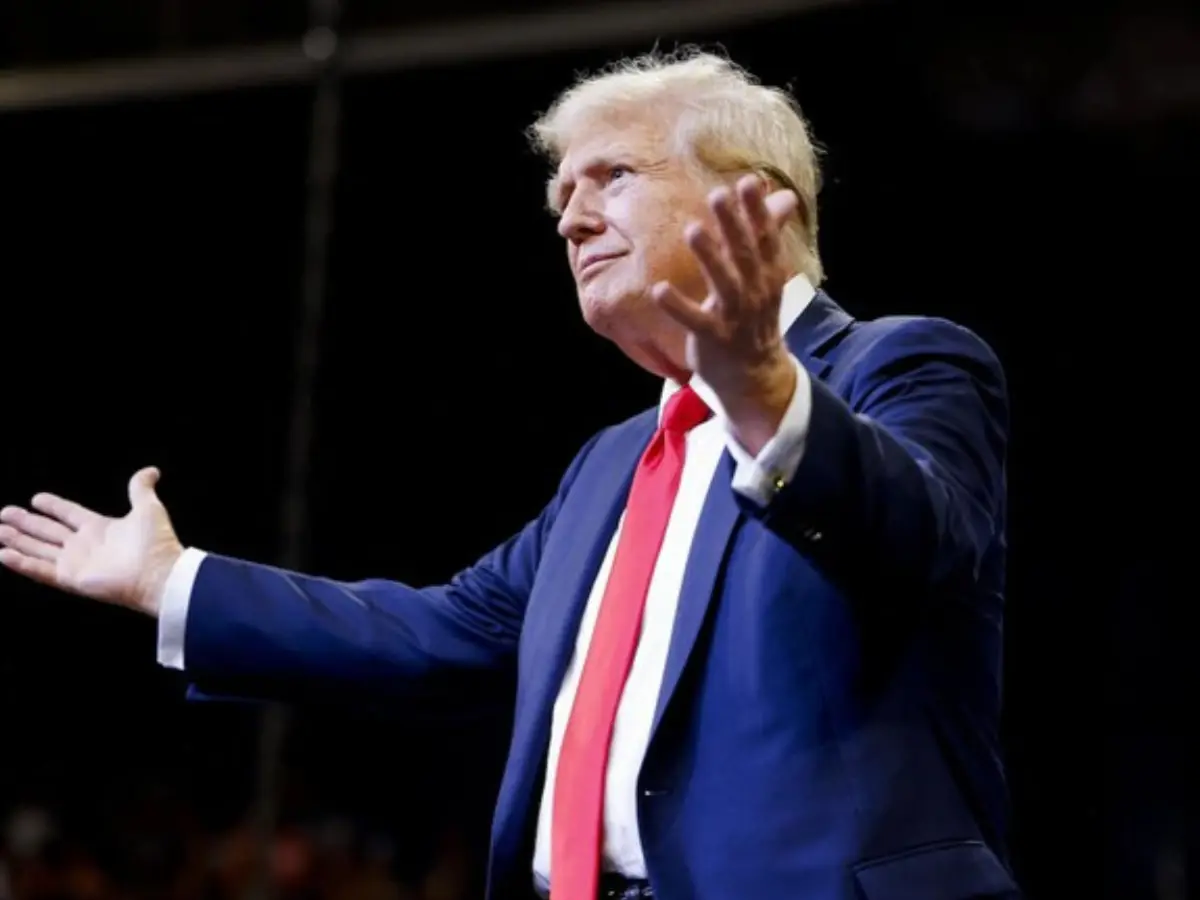
One year after the Pahalgam terror attack that took place on 22 April 2025, the aftershocks are still shaping South Asia’s geopolitics and testing the strategic clarity of the United States. The attack, which killed 26 innocent civilians, mostly Hindu tourists, was among the deadliest assaults on non-combatants in Kashmir in recent years. It not only reignited India–Pakistan tensions but also exposed the enduring duality in Washington’s regional approach—deepening ties with India while preserving tactical en
Yet, the strategic convergence that might have followed did not fully materialise. Instead, India–US relations entered a phase of friction. A key irritant was President Trump’s claim of a US role in mediating between India and Pakistan—something New Delhi has consistently rejected. The disagreement soon spilled into the economic domain, with sharper rhetoric on trade imbalances, tariffs, and market access. What emerged was a familiar contradiction: the two countries aligned closely on security concerns, particularly terrorism and China’s rise, but diverged on economic nationalism and geopolitical autonomy.
Despite these tensions, the relationship did not fracture. It recalibrated. The structural drivers of India–US ties remain strong. China’s growing assertiveness in the Indo-Pacific continues to push both countries closer, making their partnership strategically indispensable. Economic interdependence also plays a stabilising role, with the United States remaining one of India’s largest trading partners and a critical source of investment and technology. Institutional mechanisms—ranging from defence cooperation to multilateral platforms—provide continuity even when political signals fluctuate. In essence, both sides recognised that short-term disagreements could not override long-term strategic interests.
Even as ties stabilised afterthe February 2026 trade deal, bringing the effective tariff rate down to18 per cent, a new geopolitical variable began to change the equation: rising tensions involving the conflict between the US-Israel and Iran. In this evolving West Asian geopolitical landscape, Pakistan has found renewed relevance. In its newfound role as global peacemaker, Pakistan has worked frantically to water down differences between Iran and the US. Leveraging its geography and historical ties, Islamabad has positioned itself as a potential intermediary in backchannel engagements. For Washington, this is less about preference and more about necessity. Pakistan offers access, influence, and logistical advantages that become valuable during regional crises.
This renewed engagement does not imply a strategic shift away from India, but it does highlight a recurring pattern. The United States tends to engage Pakistan tactically when immediate regional challenges demand it, even as it invests in a longer-term partnership with India. For New Delhi, this creates both concern and clarity. The concern lies in the possibility that renewed US–Pakistan engagement could dilute international pressure on terror networks operating from Pakistani soil. The clarity, however, comes from recognising that Washington’s approach is fundamentally interest-driven and issue-specific.
At the same time, India’s position has strengthened in certain respects. Its consistent emphasis on counter-terrorism, reinforced after Pahalgam, has bolstered its credibility globally. The country’s growing economic weight and its role in seminal Indo-Pacific dynamics ensure that it remains central to US strategic thinking. Moreover, India’s policy of strategic autonomy allows it to engage multiple global players without being locked into rigid alliances
Trending Stories
&imwidth=180&imheight=135&format=webp&quality=medium)
Saudi says debris fell in Mecca, Medina after missile interceptions; Houthis deny targeting holy cities
&imwidth=180&imheight=135&format=webp&quality=medium)
Train crashes into crane on São Paulo monorail line, wreckage falls onto busy road | VIDEO
&imwidth=180&imheight=135&format=webp&quality=medium)
Shilpa Rao’s performance cut short at Mumbai event, organisers react to backlash
&imwidth=180&imheight=135&format=webp&quality=medium)
Britain is building the world's first AI biosecurity lab, with OpenAI and Anthropic inside
&imwidth=180&imheight=135&format=webp&quality=medium)
NEET protests: Panel to hear evidence on pellet gun use, harassment
&imwidth=180&imheight=135&format=webp&quality=medium)
Bodies of 2 missing Japanese climbers recovered from Himalayan peak
&imwidth=180&imheight=135&format=webp&quality=medium)
French Open: PV Sindhu storms into final with win over Hina Akechi
&imwidth=180&imheight=135&format=webp&quality=medium)
Viral video shows cross falling on Colombia priest, no official confirmation | WATCH
&imwidth=180&imheight=135&format=webp&quality=medium)
'Already tired of his 9-to-5': Baby born with a moustache becomes internet sensation, video goes viral | Watch
&imwidth=180&imheight=135&format=webp&quality=medium)
WATCH: Thousands across Manipur bang plates, beat drums in "noise protest"
&imwidth=180&imheight=135&format=webp&quality=medium)
Frontier AIs keep escaping their test cages! The industry still can't reliably stop them
&imwidth=180&imheight=135&format=webp&quality=medium)
‘Saddam Hussein opened a cheesecake factory’: Obama mocks Trump’s White House renovations; defends Abdul El-Sayed
&imwidth=180&imheight=135&format=webp&quality=medium)
Tu Hai Meri Kiran film review: Sonakshi Sinha and Zaheer Iqbal's thriller gets tangled in its own twists
&imwidth=180&imheight=135&format=webp&quality=medium)
Nagpur man fails to pay rent, allegedly prints fake Rs 500 notes worth Rs 37 lakh
&imwidth=180&imheight=135&format=webp&quality=medium)
What was the note found inside bag of Class 12 student, who set herself on fire inside Delhi school?
&imwidth=180&imheight=135&format=webp&quality=medium)
Telangana unveils AI avatar of IT minister D Sridhar Babu at Hyderabad DevFest 2026
&imwidth=180&imheight=135&format=webp&quality=medium)
'You’re a horrible little reporter, aren’t you?': Trump snaps at NBC reporter questioning his support for Ramaswamy's campaign ad
&imwidth=180&imheight=135&format=webp&quality=medium)
Why Europe’s protests are about more than austerity and rising costs
&imwidth=180&imheight=135&format=webp&quality=medium)
J-20 designers plan to put radar into aircraft wing; strategy to expand coverage during air combat
&imwidth=180&imheight=135&format=webp&quality=medium)
‘Maybe play one more season’: MS Dhoni to decide on his IPL future before December
&imwidth=180&imheight=135&format=webp&quality=medium)
An AI that reads your face can now estimate how long you have to live
&imwidth=180&imheight=135&format=webp&quality=medium)
China's dancing robot turns violent bodyguard, lifts cars and fights intruders - Watch
&imwidth=180&imheight=135&format=webp&quality=medium)
Chorbagan stampede: A week later, the strangest visarjan Kolkata has seen
&imwidth=180&imheight=135&format=webp&quality=medium)
Serbia votes in high-stakes election as student-led movement challenges Vucic’s ruling party
&imwidth=180&imheight=135&format=webp&quality=medium)
Pezeshkian says Iranians ‘struggling to put food on the table’ as war with US drags on
&imwidth=180&imheight=135&format=webp&quality=medium)
Spanish reporter swept by giant wave while reporting on dangerous sea conditions | WATCH
&imwidth=180&imheight=135&format=webp&quality=medium)
'Killing people never allowed': Elon Musk admits restricting Starlink in Ukraine, explains why
&imwidth=180&imheight=135&format=webp&quality=medium)
France protests: 135 arrested, weapons seized as fresh demonstrations erupt amid heavy security
&imwidth=180&imheight=135&format=webp&quality=medium)
Rising Asia Cup 2026 schedule announced, India-Pakistan clash set for Nov 22
&imwidth=180&imheight=135&format=webp&quality=medium)
AI just found a flaw in software running most of the web! One request hijacks the server
&im=FitAndFill=(700,400)&imwidth=180&imheight=135&format=webp&quality=medium)
New Friday OTT releases (October 23, 2026): Gajab Raat, Dorothy, Chaar Yaar- Watch these 6 new movies and TV shows on Netflix, Prime Video and more
&imwidth=180&imheight=135&format=webp&quality=medium)
Can Putin cheat death? All about his daughter’s billion-dollar quest for immortality
&imwidth=180&imheight=135&format=webp&quality=medium)
Farooq Abdullah says Pakistan’s raising of Kashmir issue keeps pressure on Delhi
&imwidth=180&imheight=135&format=webp&quality=medium)
PL Round-Up: Man City's perfect run ended by Villa as Arsenal draw level at top
&imwidth=180&imheight=135&format=webp&quality=medium)
AI slop or smart strategy? South African author Coral Hart defends Her 370 AI- assisted books in 20 months
&im=FitAndFill=(700,400)&imwidth=180&imheight=135&format=webp&quality=medium)
What is the real meaning behind Pete Hegseth's tattoos?
&imwidth=180&imheight=135&format=webp&quality=medium)
Pakistan airline PIA unveils new crew uniforms, faces online criticism
Pahalgam was a stark reminder that acts of terror can recast not only national security responses but also international alignments. For the United States, it reaffirmed the need to manage competing priorities in a volatile region. For India, it underscored the importance of engaging global partners with both realism and resolve. In a world defined by changing equations, stability is no longer assured—it is continuously negotiated.