If they seek war, we are ready...': Iran sets condition for talks in Pakistan after Trump's ceasefire extension

Iran says it will join talks in Islamabad only if the US ends its naval blockade, calling it a ceasefire violation. As Trump extends the truce, Tehran remains sceptical, citing shifting US demands, while tensions rise and uncertainty surrounds peace negotiations.
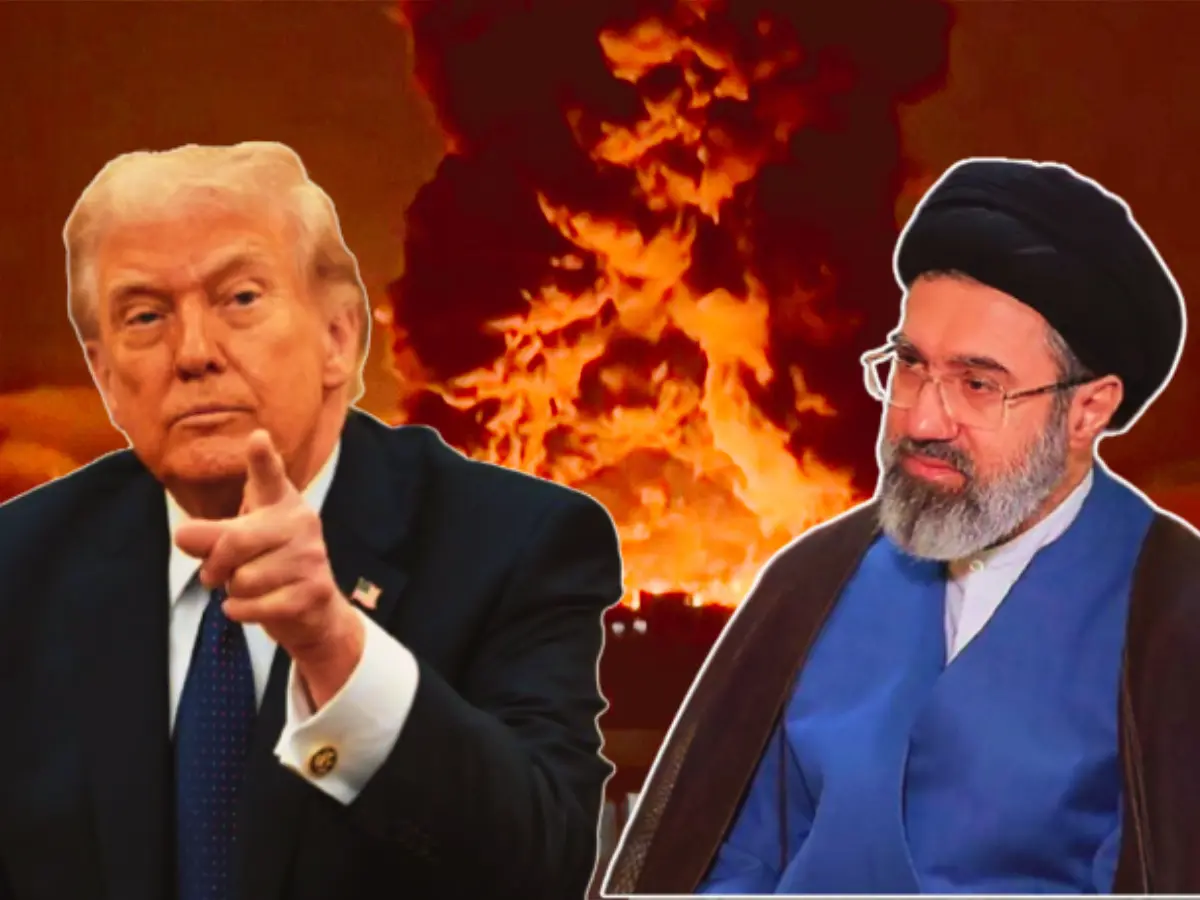
Iran's condition for talks
Iran has set a condition for attending the talks in Pakistan to end the war with Iran. Iran's United Nations (UN) envoy Amir Saeid Iravani has said that negotiations will be held in Pakistan’s capital once the United States ends its blockade of Iranian ports. His comments came as US President Donald Trump extended the ceasefire with a hope that Tehran would submit a proposal to end the conflict permanently. The Iranian envoy said that United States must halt its ‘violation of the ceasefire.’ The 10-day ceasefire was to end on Apr 22.So far, no senior Iranian officials—including Parliament Speaker Mohammad Bagher Ghalibaf and Foreign Minister Abbas Araghchi — have responded to the extended ceasefire.
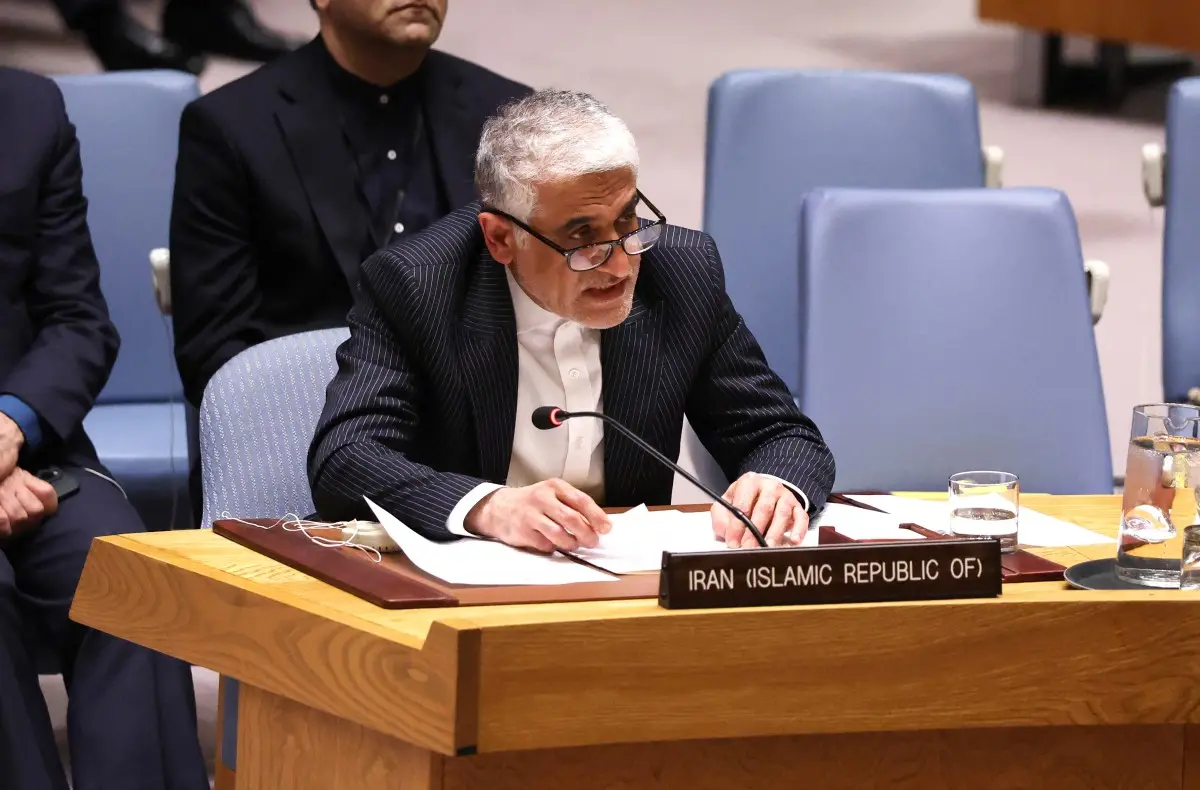
What is the condition?
In a statement to Iranian media IRNA and Tasnim News agency, Iravani said, "As soon as Washington ends the naval blockade, I think the next round of negotiations will be held in Islamabad. "The United States must halt its ‘violation of the ceasefire’ before any new round of negotiations. We have not been the initiator of military aggression. If they seek a political solution, we are ready. If they seek war, Iran is ready for that as well...When that happens, the next round of negotiations will take place in Islamabad." He warned, "If the US wants a political solution, they are ready, if they want war then Iran is also ready." Additionally, Mahdi Mohammadi, a senior adviser to Iranian Parliament Speaker Mohammad Bagher Ghalibaf, has mocked America saying ceasefire extension means "nothing" because the “losing side cannot dictate terms.” He termed the ceasefire extension as a ploy “to buy time for a surprise strike.”
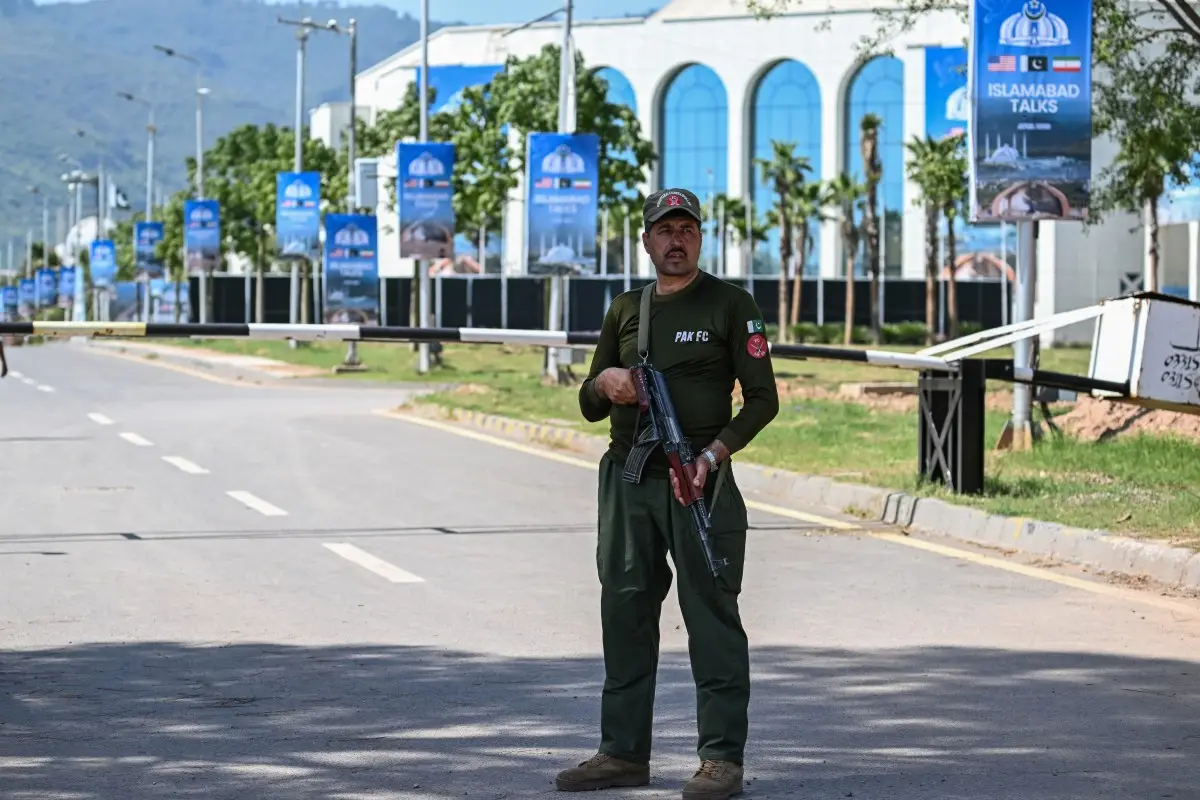
What we know about Iran-US talks in Pakistan?
The uncertainty around the peace talks in Pakistan's Islamabad continues. The White House said in a statement that Vice President JD Vance and the US negotiating delegation would not be travelling to Pakistan. Iran has expressed its doubt about the ceasefire talks stating that it could be a "ploy for surprise strikes" on the country. But high-level security is in place in Pakistan, with administration deploying over 20,000 security personnel in and around Rawalpindi and Islamabad.
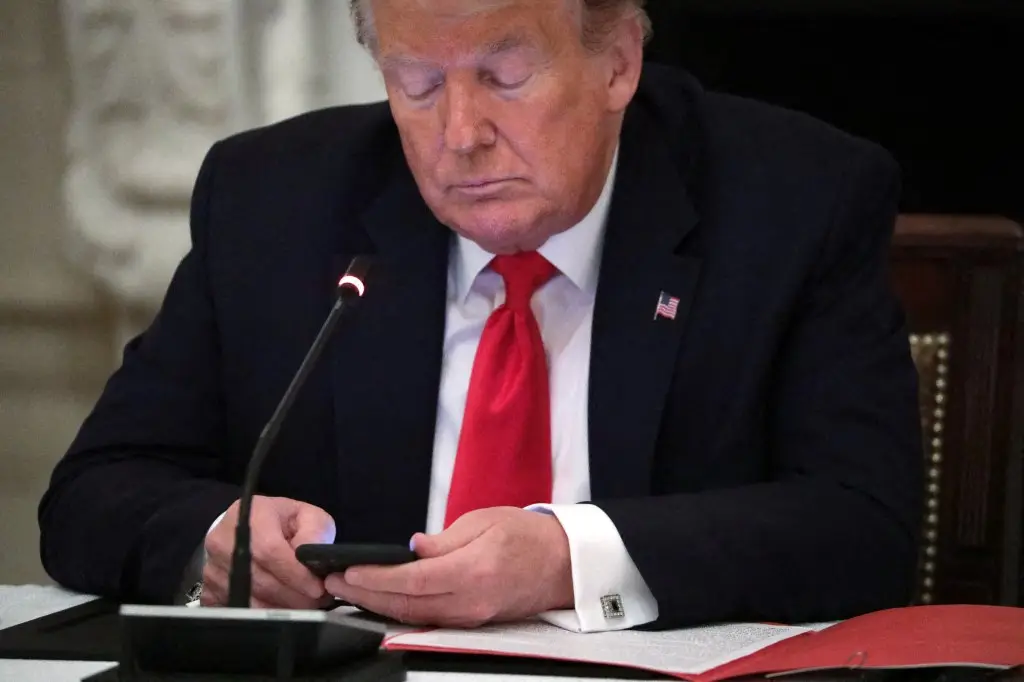
What we know about US ceasefire extension?
US President Donald Trump on Tuesday (Apr 21) announced an extension of the ceasefire on the request of Pakistani Field Marshal Asim Munir, and Prime Minister Shehbaz Sharif. He claimed that the Government of Iran is "seriously fractured" and after the request from Pakistan, he has halted the plans to attack Iran till Iran submits a proposal - "until such time as their leaders and representatives can come up with a unified proposal." He continued that military will continue the blockade and is ready and able, for further action.
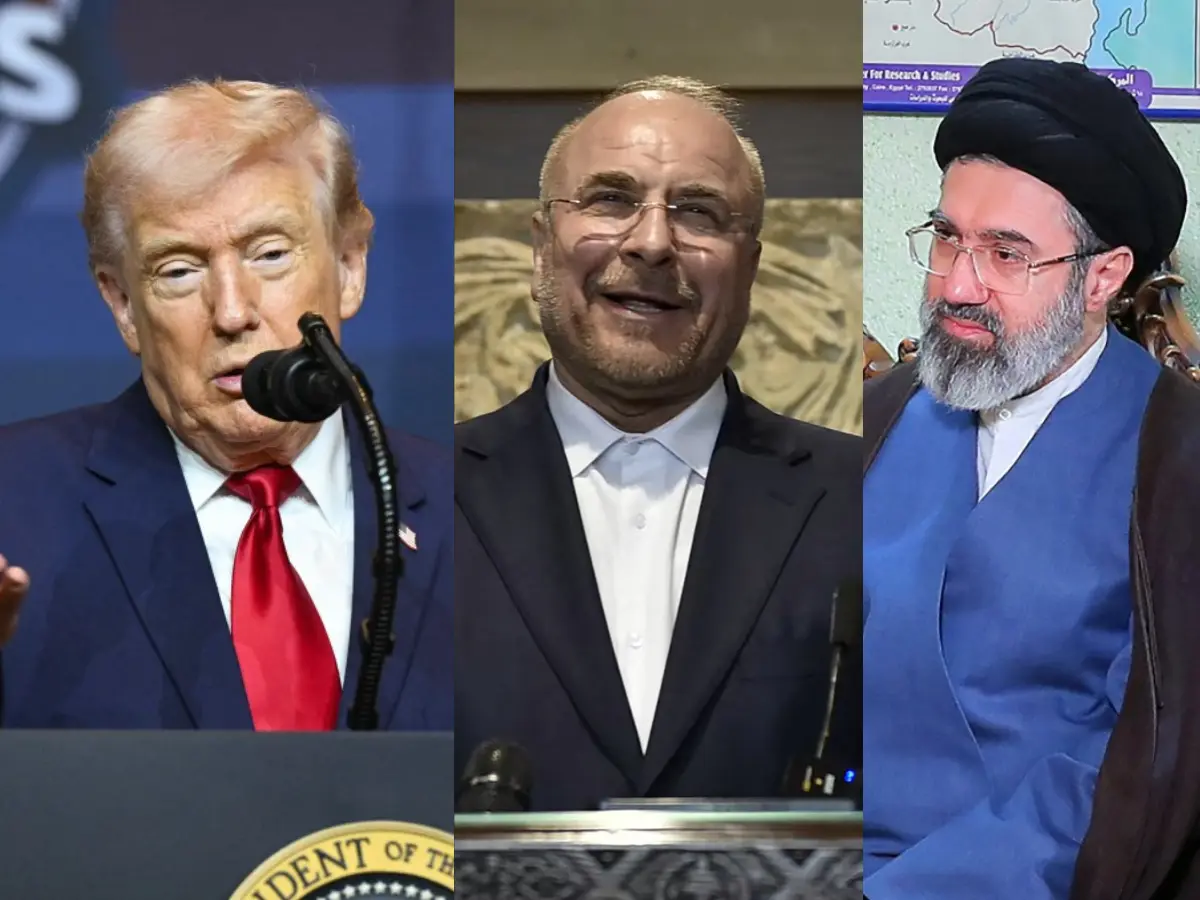
Why Iran is not ready for second round of talks?
Iran said that it is not planning to take part in the second round of talks with the United States. It has blamed America's "excessive demands, unreasonable and unrealistic expectations, frequent shifts in positions, continuous contradictions" for not joining the negotiations. It has also called out the naval blockade terming it as a violation of the ceasefire and stating that Iran would not sit on the negotiation table along threatening rhetoric, have so far hindered progress in the negotiations."
)
)
)
)
)