'Our vision is not limited': Erdogan looks to expand regional defense pact

&imwidth=600&imheight=450&format=webp&quality=medium "'Our vision is not limited': Erdogan looks to expand regional defense pact")
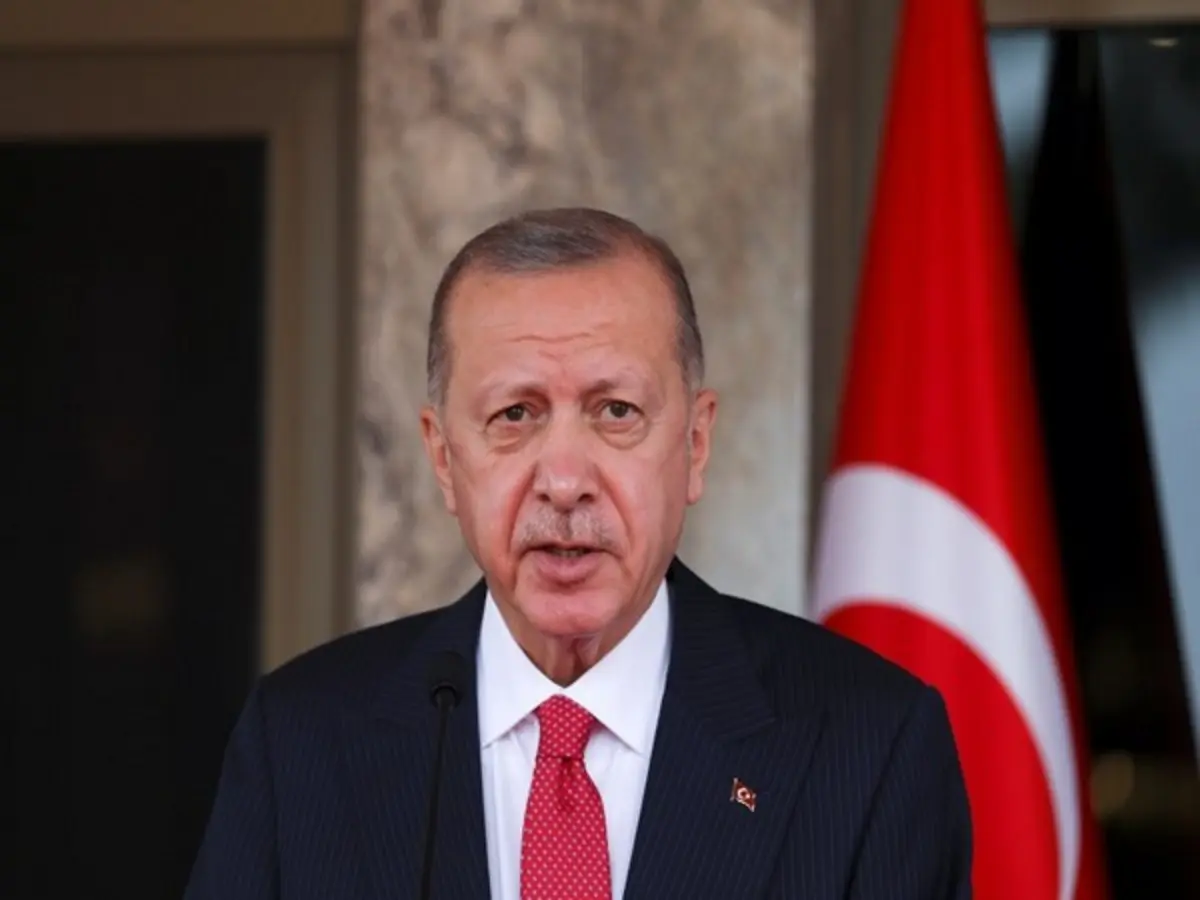
Turkey President Recep Tayyip Erdogan Photograph: (ANI)
The three nations are unified by similar concerns about the Shia revolutionary ideology of Iran, Israeli Zionist expansionism and failure of the US to contain the regional conflict.
Turkey, Saudi Arabia and Pakistan signed a landmark trilateral defence agreement known as the Mecca agreement on August 7 amid the US-Iran war and Israeli aggression in the region and disruption of shipping through the Strait of Hormuz.
Turkey President Recep Tayyip Erdogan has expressed hope of the alliance growing and more countries joining the pact.
Speaking to London-based Asharq Al-Awsat daily Erdogan said, "Our vision for it is not limited to the three countries, rather we aspire for it to grow, and perhaps appropriate conditions will emerge one day for all countries of the region to gather under its umbrella."
According to Erdogan the pact was due to the "new circumstances" in the Middle East with regional players seeking to assume greater responsibility for their own security and stability.
"Regional issues should be resolved by regional actors, and with this action, we consider that we have taken a first step toward achieving that goal," he said.
"Resolving regional issues must be carried out away from formulas imposed from the outside. We know very well that solutions imported from abroad only bring disasters," he told the Saudi-owned newspaper.
Trending Stories
)
)
)
)
)
)
)
)
)
)
)
)
)
)
)
)
)
)
)
)
)
)
)
)
)
)
)
)
)
)
)
)
)
)
&im=FitAndFill=(700,400))
)
)
)
)
Turkey is hopeful of Egypt joining the pact in the next stage, according to Foreign Minister Hakan Fidan, who said only "a few technical issues" stood in the way.
The historic Makkah Joint Defence Agreement was signed by Crown Prince Mohammed bin Salman, President Recep Tayyip Erdoğan, and Prime Minister Shehbaz Sharif.
Why is the trilateral defence pact formed?
The three nations are unified by similar concerns about the Shia revolutionary ideology of Iran, Israeli Zionist expansionism and failure of the US to contain the regional conflict. This is significant as Turkey has the second largest military in NATO, Saudi Arabia, one of the world's largest oil exporters, is home to two of the holiest sites of Islam, Mecca and Medina, and Pakistan is the only Islamic country armed with nuclear power.
The pact follows a year of negotiation as Turkey's Foreign Minister Hakan Fidan said that it favoured a broader regional agreement. It is a build-up on the Saudi-Pakistani pact, which treats an attack on either as an attack on both and encompasses “all military means”. Officials emphasise that this new platform is strictly defensive, intended to stabilise the region, and will not alter or undermine the prior international alliance commitments of any participant.
