Opposition Jailed: Tunisia hands top political figures prison sentences stretching up to 45 years

&imwidth=600&imheight=450&format=webp&quality=medium "Opposition Jailed: Tunisia hands top political figures prison sentences stretching up to 45 years")
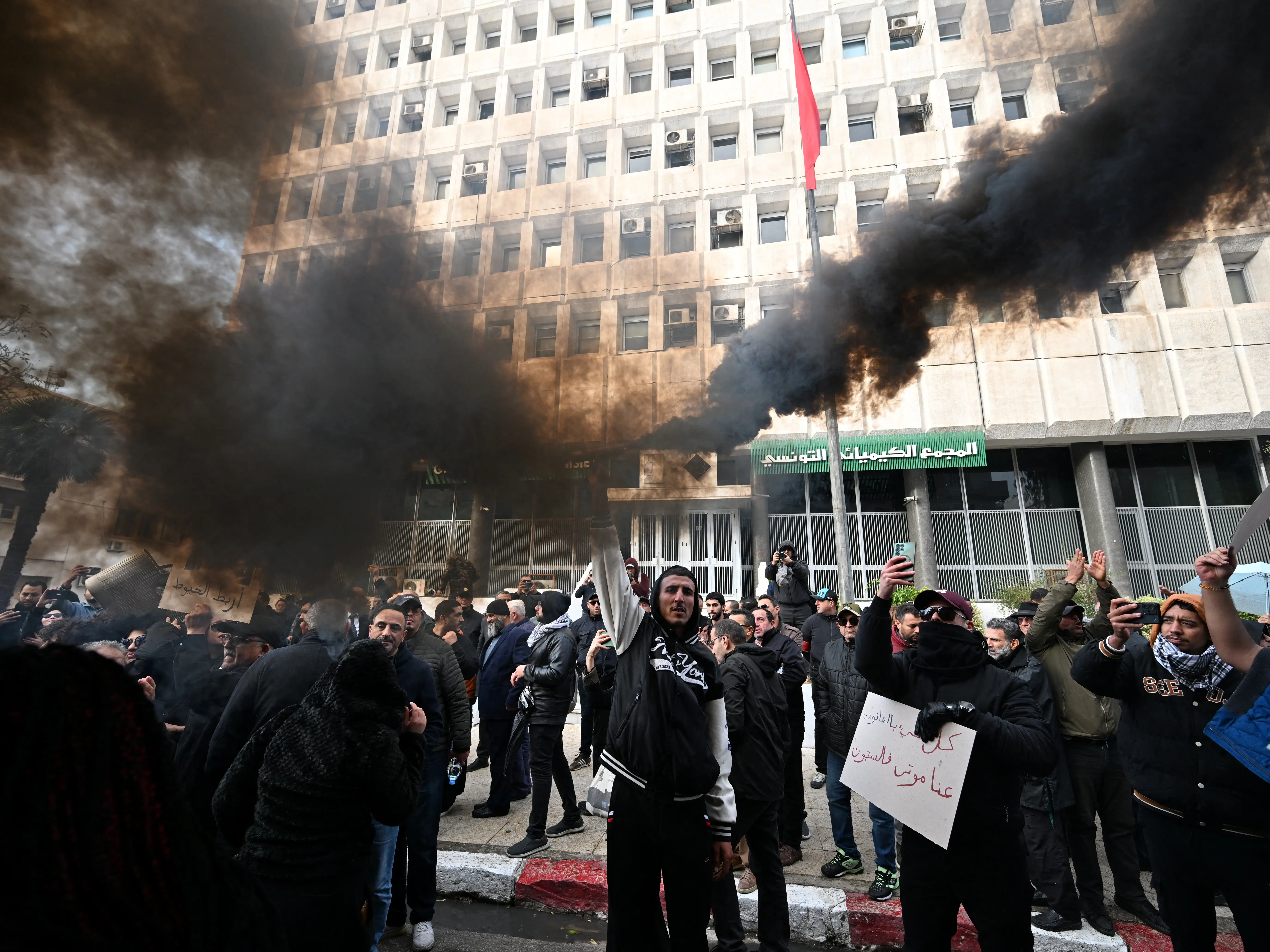
A Tunisian burns a flare as he and others demonstrate in a protest dubbed 'March Against Injustice' led by the opposition and the civil society against the Tunisian president's regime, in Tunis on November 22, 2025. Photograph: (AFP (File Photo)
President Kais Saied launched a harsh crackdown on political freedoms after he staged a power grab in 2021.
A Tunisian appeals court handed prison sentences of up to 45 years to dozens of opposition figures on Friday (Nov 28). Nearly 40 individuals, many of them critics of President Kais Saied, were sentenced to up to 66 years in April for their alleged involvement in a Plot to overthrow the president by hatching "conspiracy against state security" and "being part of a terrorist group".
Twenty of those charged fled the country, fearing persecution and were sentenced in absentia. The United Nations and rights groups have slammed the trials, stating that the charges mostly stemmed from accusations of meeting with foreign diplomats.
Among the sentenced, businessman Kamel Latif was handed the longest term of 45 years, down from 66 years, while politician Khyam Turki received 35 years, down from 48 years, which was previously given in April.
Others included Leader of Opposition coalition Jawahr Ben Mbarek, party leaders Isam Chebbi and Ghazi Chaouachi, all of whom were already detained in 2023 and were put behind bars. Ben Mbarek, Chebbi and Chaouachi were jailed for 20 years, up from 18, while FSN co-founder Ahmed Nejib Chebbi, an octogenarian, got 12 years, down from 18, according to a document communicated by the defence team, as reported by AFP.
Following the April ruling, the UN High Commissioner for Human Rights denounced "violations of the law... raising serious concerns about political motivations".
Trending Stories
&imwidth=280&imheight=210&format=webp&quality=medium)
&imwidth=280&imheight=210&format=webp&quality=medium)
&imwidth=280&imheight=210&format=webp&quality=medium)
&imwidth=280&imheight=210&format=webp&quality=medium)
&imwidth=280&imheight=210&format=webp&quality=medium)
&imwidth=280&imheight=210&format=webp&quality=medium)
&imwidth=280&imheight=210&format=webp&quality=medium)
&imwidth=280&imheight=210&format=webp&quality=medium)
&imwidth=280&imheight=210&format=webp&quality=medium)
&imwidth=280&imheight=210&format=webp&quality=medium)
&imwidth=280&imheight=210&format=webp&quality=medium)
&imwidth=280&imheight=210&format=webp&quality=medium)
&imwidth=280&imheight=210&format=webp&quality=medium)
&im=FitAndFill=(700,400)&imwidth=280&imheight=210&format=webp&quality=medium)
&imwidth=280&imheight=210&format=webp&quality=medium)
&imwidth=280&imheight=210&format=webp&quality=medium)
&imwidth=280&imheight=210&format=webp&quality=medium)
&imwidth=280&imheight=210&format=webp&quality=medium)
&imwidth=280&imheight=210&format=webp&quality=medium)
&imwidth=280&imheight=210&format=webp&quality=medium)
&imwidth=280&imheight=210&format=webp&quality=medium)
&imwidth=280&imheight=210&format=webp&quality=medium)
&imwidth=280&imheight=210&format=webp&quality=medium)
&imwidth=280&imheight=210&format=webp&quality=medium)
&imwidth=280&imheight=210&format=webp&quality=medium)
&imwidth=280&imheight=210&format=webp&quality=medium)
&imwidth=280&imheight=210&format=webp&quality=medium)
&imwidth=280&imheight=210&format=webp&quality=medium)
&imwidth=280&imheight=210&format=webp&quality=medium)
&imwidth=280&imheight=210&format=webp&quality=medium)
&imwidth=280&imheight=210&format=webp&quality=medium)
&imwidth=280&imheight=210&format=webp&quality=medium)
&imwidth=280&imheight=210&format=webp&quality=medium)
&imwidth=280&imheight=210&format=webp&quality=medium)
&imwidth=280&imheight=210&format=webp&quality=medium)
Saied was elected as president in 2019 in the only democracy that emerged out of the Arab Spring. In 2021, he staged a power grab and launched a crackdown on the opposition in 2023 after dubbing them "terrorists."
Also Read: ‘Absolutely no problem; Tejas is among safest aircraft in the world’: HAL chief after Dubai crash
Human rights groups raised repeated concerns on multiple occasions about criticising Said for curtailing freedoms. The Tunisian president dismissed the criticism, including a European Parliament resolution on human rights calling for the release of opposition, as "blatant interference".