'Operation Economic Outcast': How India, China, Pakistan could be hit by US 'Economic D Day' moves against Iran

&imwidth=600&imheight=450&format=webp&quality=medium "'Operation Economic Outcast': How India, China, Pakistan could be hit by US 'Economic D Day' moves against Iran")
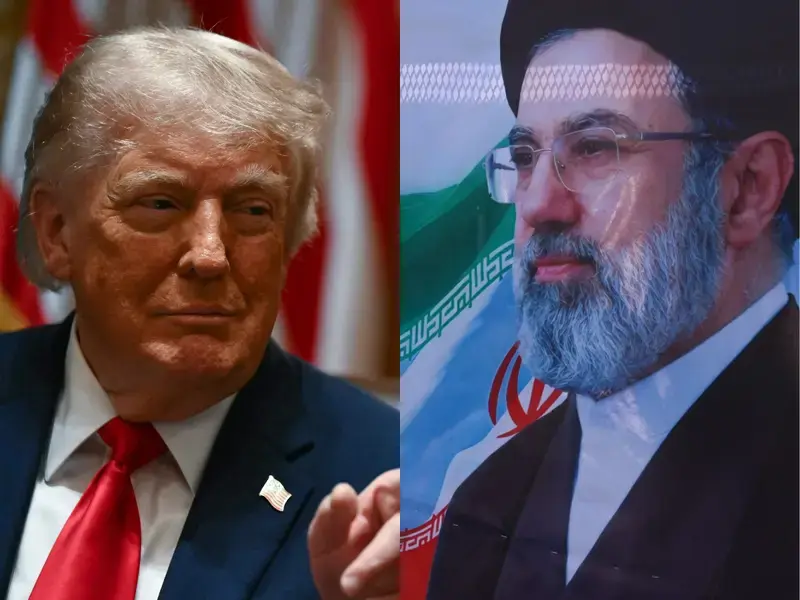
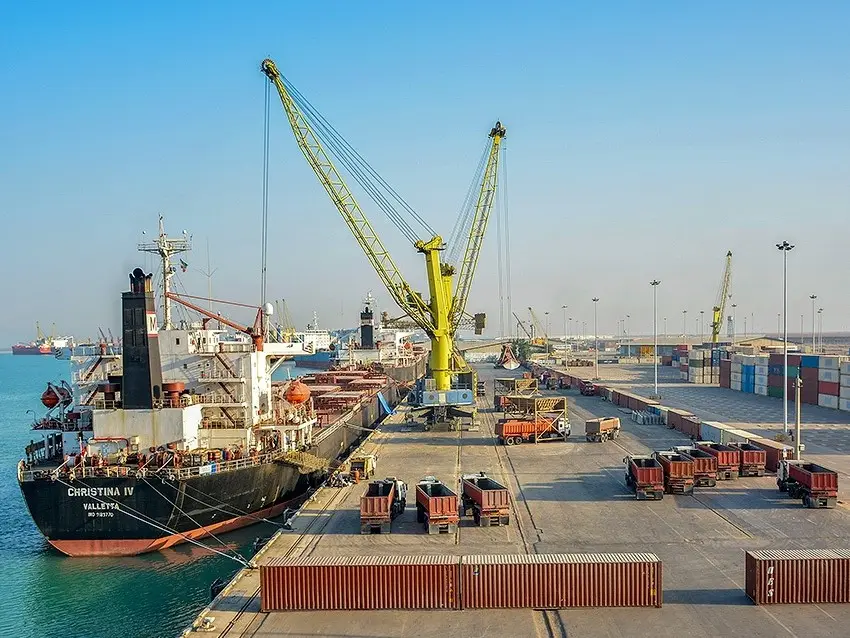
When it comes to trade, Iran is globally connected in spite of decades of crippling sanctions Photograph: (Others)
America's “Operation Economic Outcast” targets Iran’s economic lifelines, with secondary sanctions threatening countries and businesses. China, India and Pakistan could face pressure over Iran trade and finance. How badly could they be hit?
The US on Monday (Aug 24) launched the “Operation Economic Outcast” campaign to isolate Iran financially. However, the threatened secondary sanctions on countries and businesses dealing with the Islamic Republic have not yet been imposed. Washington has instead warned third parties to cut Iran-related activity or face sanctions. Treasury Secretary Scott Bessent said the US would give countries a “cure period” but warned that action could move quickly.
Bessent described the campaign as an “economic onslaught” and an “economic D-Day”.
A gradual action plan to put pressure on Iran
The first phase sanctioned more than 60 individuals, entities and vessels and expanded sanctions risk across five sectors: digital assets, technology, gold, aviation and shipping. Targets were linked to Iran’s oil revenues, nuclear and missile technology procurement and cyber operations.
Bessent warned that no one is above the reach of US sanctions. He also said the administration did not want to “blow up the global financial system”, adding the US was initially giving countries an opportunity to change course. Secondary sanctions could target foreign banks, companies, vessels and other facilitators involved in Iran-related oil, finance, shipping and other restricted activity. The most severe consequence could be exclusion from the US financial system and loss of access to dollar transactions and correspondent banking.
Trending Stories
&imwidth=280&imheight=210&format=webp&quality=medium)
&imwidth=280&imheight=210&format=webp&quality=medium)
&imwidth=280&imheight=210&format=webp&quality=medium)
&imwidth=280&imheight=210&format=webp&quality=medium)
&imwidth=280&imheight=210&format=webp&quality=medium)
&imwidth=280&imheight=210&format=webp&quality=medium)
&imwidth=280&imheight=210&format=webp&quality=medium)
&im=FitAndFill=(700,400)&imwidth=280&imheight=210&format=webp&quality=medium)
&imwidth=280&imheight=210&format=webp&quality=medium)
&imwidth=280&imheight=210&format=webp&quality=medium)
&imwidth=280&imheight=210&format=webp&quality=medium)
&imwidth=280&imheight=210&format=webp&quality=medium)
&imwidth=280&imheight=210&format=webp&quality=medium)
&imwidth=280&imheight=210&format=webp&quality=medium)
&imwidth=280&imheight=210&format=webp&quality=medium)
&imwidth=280&imheight=210&format=webp&quality=medium)
&imwidth=280&imheight=210&format=webp&quality=medium)
&imwidth=280&imheight=210&format=webp&quality=medium)
&imwidth=280&imheight=210&format=webp&quality=medium)
&imwidth=280&imheight=210&format=webp&quality=medium)
&imwidth=280&imheight=210&format=webp&quality=medium)
&im=FitAndFill=(700,400)&imwidth=280&imheight=210&format=webp&quality=medium)
&imwidth=280&imheight=210&format=webp&quality=medium)
&imwidth=280&imheight=210&format=webp&quality=medium)
&imwidth=280&imheight=210&format=webp&quality=medium)
&imwidth=280&imheight=210&format=webp&quality=medium)
&imwidth=280&imheight=210&format=webp&quality=medium)
&imwidth=280&imheight=210&format=webp&quality=medium)
&imwidth=280&imheight=210&format=webp&quality=medium)
&imwidth=280&imheight=210&format=webp&quality=medium)
&imwidth=280&imheight=210&format=webp&quality=medium)
&im=FitAndFill=(700,400)&imwidth=280&imheight=210&format=webp&quality=medium)
&imwidth=280&imheight=210&format=webp&quality=medium)
&imwidth=280&imheight=210&format=webp&quality=medium)
&imwidth=280&imheight=210&format=webp&quality=medium)
&imwidth=280&imheight=210&format=webp&quality=medium)
&imwidth=280&imheight=210&format=webp&quality=medium)
China is the biggest concern for US when it comes to Iran trade
China is the world’s largest buyer of Iranian oil. Most Iranian crude exports go to China, particularly independent “teapot” refineries — smaller, privately owned Chinese refineries that operate outside the major state-controlled oil companies and have been important buyers of discounted Iranian crude. The US has already sanctioned several Chinese teapot refineries, shipping companies and vessels involved in Iran’s oil trade. But the latest sanctions did not target major Chinese financial institutions, despite Washington warning that Chinese banks could face consequences.
China has resisted unilateral US sanctions and has used yuan settlements, domestic financial channels and opaque shipping networks to maintain Iran trade. Any broader secondary sanctions could therefore hit Chinese refiners, banks, traders and shipping companies.
The move could further complicate US-China trade relations. Targeting major Chinese banks would carry much wider financial consequences, which helps explain Washington’s cautious approach so far.
How vulnerable is India to Iran-related US actions?
India has historically had significant economic ties with Iran, but its exposure has fallen sharply since the US reimposed sanctions on Iranian oil. India largely stopped importing Iranian crude after 2019, reducing the risk to its overall economy. India-Iran trade is now much smaller than before 2019, with recent trade largely centred on non-oil goods. India has traditionally run a trade surplus with Iran through exports including rice, tea, pharmaceuticals and other products.
The risk to India is therefore lower than to China, particularly because India has diversified its energy supplies and has previously adjusted its Iran trade to comply with US sanctions.
However, Indian private companies could still be exposed. The sectors identified by Bessent — shipping, finance, gold, aviation, technology and digital assets — overlap with areas where Indian-linked entities have previously faced US sanctions for Iran-related activity.
Indian banks and companies with US-dollar exposure, correspondent banking relationships or significant international operations are likely to be particularly cautious. They may avoid transactions involving designated Iranian banks and entities even without being directly sanctioned.
India’s remaining economic interests in Iran, including trade in agricultural and pharmaceutical products and its strategic involvement in Chabahar Port, could therefore face greater US scrutiny.
For India, the bigger immediate risk is likely to be individual companies rather than the Indian economy as a whole. New US measures could pressure firms involved in residual Iran-related shipping, finance, technology or other restricted activities.
India’s diversified energy sources, reduced oil dependence and strategic partnership with Washington provide some cushion against broader economic disruption.
Pakistan is stuck in the middle: Low trade with Iran but high dollar dependency
Pakistan’s trade with Iran is smaller and more informal, covering oil, wheat, rice, livestock and medicines. Cross-border commerce uses barter and local-currency arrangements, limiting exposure to the formal dollar system. Nevertheless, Pakistani banks, traders, transport companies and other facilitators could face secondary-sanctions risks if they handle prohibited Iran-related transactions.
Pakistan's vulnerability, however, comes from its dollar shortages, dependence on the IMF and exposure to international financial institutions.
Turkey, Iraq and UAE maintain trade relations with Iran
Turkey and Iraq have significant economic ties with Iran. Iraq has long traded Iranian gas for electricity, while Turkey remains an important importer of Iranian gas. The UAE has been a major hub for Iran-related trade, finance and logistics, although it has recently suspended many financial and economic transactions with Iran. Businesses and financial intermediaries in these countries could face scrutiny if they continue facilitating sanctioned activity.
How effective are sanctions? Iran’s trade network extends far beyond its immediate neighbours
Secondary sanctions do not automatically stop all trade. They increase the cost and risk of doing business with Iran, encouraging companies and banks to self-comply or develop alternative payment and shipping channels. The US does not need to sanction an entire country to impose economic pressure. It can target specific banks, companies, vessels and individuals that facilitate Iran-related activity. Those entities could then lose access to US dollars, correspondent banking and the wider US-linked financial system.
Enforcement could therefore be selective, with the greatest pressure falling on businesses that still depend heavily on the US financial system.
But dealing a blow to Iranian trade is not easy. It has survived decades of sanctions by using shadow fleets, exchange houses, front companies and financial intermediaries across Hong Kong, Singapore, Europe, Russia, China and the Gulf. Washington has already identified parts of this network, but Operation Economic Outcast suggests enforcement could widen further.
Operation Economic Outcast could become a global economic pressure campaign rather than a measure confined to Iran.
Its impact on China, Pakistan and India will depend on how aggressively Washington moves from warnings and diplomacy to actual secondary sanctions in the coming days and weeks.