No screens for under-twos, one-hour cap for under-fives: UK joins global push to curb children’s screen use

&imwidth=600&imheight=450&format=webp&quality=medium "No screens for under-twos, one-hour cap for under-fives: UK joins global push to curb children’s screen use")
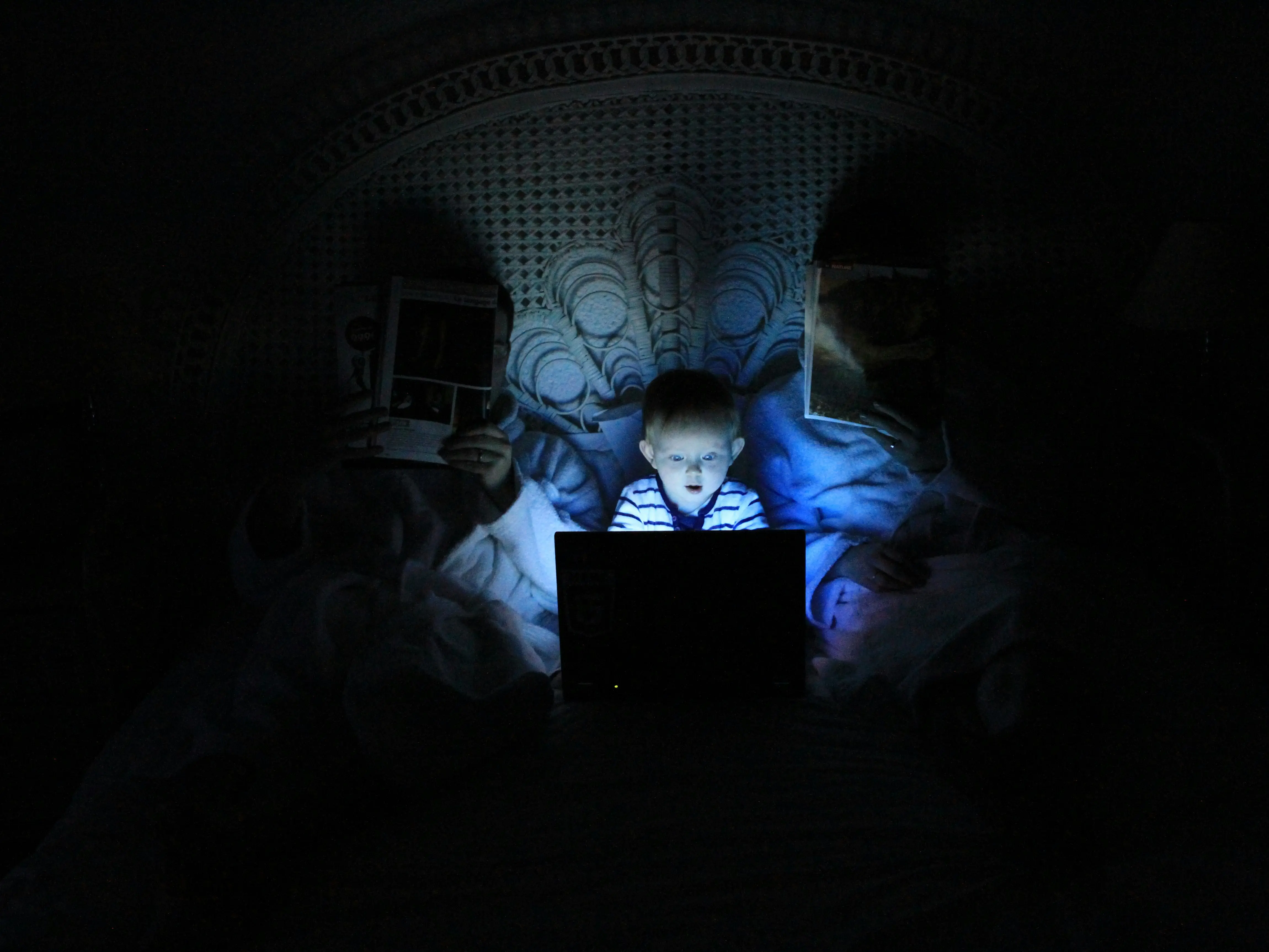
Representative Photo Photograph: (unsplash)
Beyond the UK, several countries are taking similar steps. Nations such as Australia have already enforced restrictions, while others, including Austria and Indonesia, are at advanced stages of implementation.
The UK government under Prime Minister Keir Starmer has joined a growing global push to regulate smartphone use among children, rolling out new guidelines that advise parents not to expose children under two to screens and limit time to about one hour for children under five. It is also reportedly considering Australia-style measures to restrict or ban social media use for those under 16.
These guidelines were developed by an expert panel led by the Children’s Commissioner, Rachel de Souza and children’s health expert Russell Viner. Starmer emphasised that the guidelines aim to help families keep children safe and build healthy habits around screen use.
“Parenting in a digital world can feel relentless. Screens are everywhere, and the advice is often conflicting. My government will not leave parents to face this battle alone,” the British Prime Minister said.
He acknowledged that some may oppose the idea but added, “Whether it’s navigating technology, tackling the cost of living, or balancing the demands of family life, I will always stand on the side of parents doing their best for their children.”
Also Read: 'Pakistan remains in denial over 1971 atrocities': India backs Bangladesh’s fight for justice
The guidelines also advise families to avoid fast-paced, social media-style videos and toys or tools that use artificial intelligence. They recommend keeping bedtimes and mealtimes screen-free, suggesting alternatives such as background music, table games, bedtime stories, and colouring.
Trending Stories
)
)
)
)
)
)
)
)
)
)
)
)
)
)
)
)
)
)
&im=FitAndFill=(700,400))
)
)
)
&im=FitAndFill=(700,400))
)
&im=FitAndFill=(700,400))
&im=FitAndFill=(700,400))
)
According to the government, around 98 per cent of children are exposed to screens daily by the age of two. It warned that excessive screen use can impact language development, disrupt sleep, and lead to other health consequences if left unchecked.
However, the panel noted that screen time limits should not be applied uniformly to children with special educational needs and disabilities who rely on screen-based assistive technologies.
Beyond the UK, several countries are taking similar steps. Nations such as Australia have already enforced restrictions, while others, including Austria and Indonesia, are at advanced stages of implementation. Australia became the first country to enact such a law on December 10, 2025, banning children under 16 from using major social media platforms.
Indonesia is currently in a transitional phase. Its “PP TUNAS” regulation, introduced on March 6, 2026, will begin deactivating accounts of users under 16 from March 28. Austria has also approved a nationwide ban for children under 14 on March 27, with plans to implement it in the upcoming school year.
Meanwhile, the UK is conducting pilot trials and a national consultation, set to close on May 26, to decide whether to move forward with a full ban or adopt a model focused on restricting addictive design features.