Millions at nuclear radiation risk in North Korea and neighbouring countries, suggests latest US-backed study


Kim Jong un
Millions of citizens in North Korea, South Korea, Japan and China live at the risk of being exposed to radioactive material spread through groundwater from a Pyongyang-operated underground nuclear test site, a Seoul-based human rights group said in a report on Tuesday.The study by Seoul-based Transitional Justice Working Group said radioactive materials could have spread across eight cities and counties near the site, housing over onemillion North Koreans.It also said that neighbouring South Korea, China and Japan might be at risk due partly to agricultural and fisheries products smuggled from the North.
Between 2006 and 2017, North Korea secretly conducted six tests of nuclear weapons at the Punggye-ri site, about 50 km north of the capital Pyongyang,in the mountainous North Hamgyong Province, according to the US and South Korean governments.
North Korean nuclear spillage: How bad is it?

The Transitional Justice Working Group reportedlyworked with nuclear and medical experts and defectors and used open-source intelligence and publicly available government and UNreports for the study. The studywas backed by the National Endowment for Democracy, a non-profit corporation funded by the US Congress.
"This report is significant in showing that North Korea's nuclear tests could threaten the right to life and health of not only the North Korean people but also of those in South Korea and other neighbouring countries," Hubert Young-hwan Lee, the group's chief and a co-author was quoted as saying by Reuters.
North Korean nuclear spillage: Previous evidence of radioactive spread in spotlight
&imwidth=180&imheight=135&format=webp&quality=medium)
Elon Musk pumps $276 million into Republican campaigns ahead of US midterm elections
&imwidth=180&imheight=135&format=webp&quality=medium)
'I will not be silenced': Ilhan Omar alleges political intimidation after federal officers search her Washington home
&imwidth=180&imheight=135&format=webp&quality=medium)
'I am thoroughly unamused': Judge slams Trump administration after 400 trees cut at Washington golf course
&imwidth=180&imheight=135&format=webp&quality=medium)
Apple HomeView smart home hub may launch soon with A18 chip, display and Siri controls: What to expect
&imwidth=180&imheight=135&format=webp&quality=medium)
Sidhu Moose Wala’s younger brother wins hearts by recreating late singer’s signature move at Toronto Hologram Show
&imwidth=180&imheight=135&format=webp&quality=medium)
BCCI rejects venue shift reports, India vs Sri Lanka 1st ODI to remain in Delhi
&im=FitAndFill=(700,400)&imwidth=180&imheight=135&format=webp&quality=medium)
How does a robot decide what to do next?
&imwidth=180&imheight=135&format=webp&quality=medium)
Pakistan's government blames PTI for rise of terrorism in Khyber Pakhtunkhwa
&imwidth=180&imheight=135&format=webp&quality=medium)
India Rejects Pakistan-China Boundary Commission, Tells Islamabad to Drop 'Theatrics' | GRAVITAS
&imwidth=180&imheight=135&format=webp&quality=medium)
'Absolutely disgusting': Australia slams US plan to livestream Nidal Hasan's execution; Mike Johnson raises concerns, warns of terrorist propaganda
&imwidth=180&imheight=135&format=webp&quality=medium)
'Turn approver, resign, we'll forgive you': Rahul Gandhi claims receiving messages from CEC Gyanesh Kumar
&imwidth=180&imheight=135&format=webp&quality=medium)
Korean peninsula tensions escalate as North Korea launches multiple ballistic missiles, PACOM says 'no threat to US personnel'
&imwidth=180&imheight=135&format=webp&quality=medium)
'Almost certainly': UK Prime Minister Andy Burnham says Iran's IRGC behind RAF Fairford threat
&imwidth=180&imheight=135&format=webp&quality=medium)
Trump weighs firing Kimberly Guilfoyle as US ambassador to Greece amid misconduct allegations: Report
&imwidth=180&imheight=135&format=webp&quality=medium)
India's Ajit Doval, Iran's Mohsen Rezaei hold talks amid escalating West Asia tensions, discuss 'issues of mutual interest'
&imwidth=180&imheight=135&format=webp&quality=medium)
'Ouch!!! That must hurt': Kangana Ranaut hails Kamal Haasan's sharp reply to Elon Musk over Starlink row
&imwidth=180&imheight=135&format=webp&quality=medium)
‘This is just the start’: Maaya Rajeshwaran on historic ITF title, confidence boost and future goals
&imwidth=180&imheight=135&format=webp&quality=medium)
Congress demands action against chief election commissioner
&imwidth=180&imheight=135&format=webp&quality=medium)
Rahul Gandhi's plea against Election Commission delayed as Supreme Court registry flags 14 ‘defects’
&imwidth=180&imheight=135&format=webp&quality=medium)
Portugal Federation confirms Cristiano Ronaldo’s return to national team despite suspension
&imwidth=180&imheight=135&format=webp&quality=medium)
Houthis warns US of 'painful response' if Washington joins Saudi war in Yemen as airlines suspend flights to Saudi Arabia
&im=FitAndFill=(700,400)&imwidth=180&imheight=135&format=webp&quality=medium)
New OTT releases this week (October 12-18, 2026): Sacrifice, Koffee with Karan S9, Roadies Rebirth- 6 titles coming on Netflix, JioHotstar and more
&imwidth=180&imheight=135&format=webp&quality=medium)
1,500 drones illuminate Mumbai sky as Cordelia Cruises unveils second ship, Cordelia Sky
&imwidth=180&imheight=135&format=webp&quality=medium)
UK school ditches technology, shifts from screen to pen and paper for learning
&imwidth=180&imheight=135&format=webp&quality=medium)
Anti-SIR protest in Mumbai: Protestors wear black masks & ribbons in Mumbai
&imwidth=180&imheight=135&format=webp&quality=medium)
Robotic surgery, advanced treatment: What is coming to this small Gujarat town?
&im=FitAndFill=(700,400)&imwidth=180&imheight=135&format=webp&quality=medium)
Navratri 2026: 9 days, 9 forms of Goddess Durga and 9 colours- Check the complete list
&imwidth=180&imheight=135&format=webp&quality=medium)
UK PM Andy Birnham renews claims of Russian meddling in Brexit vote
&imwidth=180&imheight=135&format=webp&quality=medium)
Opposition’s 10 demands in Supreme Court petition range from stay on SIR to audit of voter rolls
&imwidth=180&imheight=135&format=webp&quality=medium)
Trump says he 'may' meet North Korean leader Kim Jong Un during upcoming Asia trip
In 2015, South Korea's food safety agency detected nine times the standard level of radioactive caesium isotopes in imported hedgehog mushrooms. These mushrooms were being sold as Chinese produce though their actual origin was North Korea. Tokyo and Beijing have sped up radiation monitoring after Pyongyang's nuclear tests. Between2017 and 2018, South Korea tested 40 defectors from the regions near the North Korean nuclear test site, of which at least nine showed abnormalities linked with exposure to nuclear radiation.
Reports say that in 2018 when North Korea invited foreign press to witness the destruction of some tunnels atPunggye-ri nuclear test site, it confiscated the radiation detectors. North Korea has rejected the concerns about radioactive spillage.
The rights group has urged a resumption of testing and an international enquiry into the radiation risks for communities around Punggye-ri. Seoul and Washington have said Pyongyang could be preparing for a seventh nuclear test.
ALSO WATCH |Why has North Korea warned of turning the Pacific into a 'firing range'?
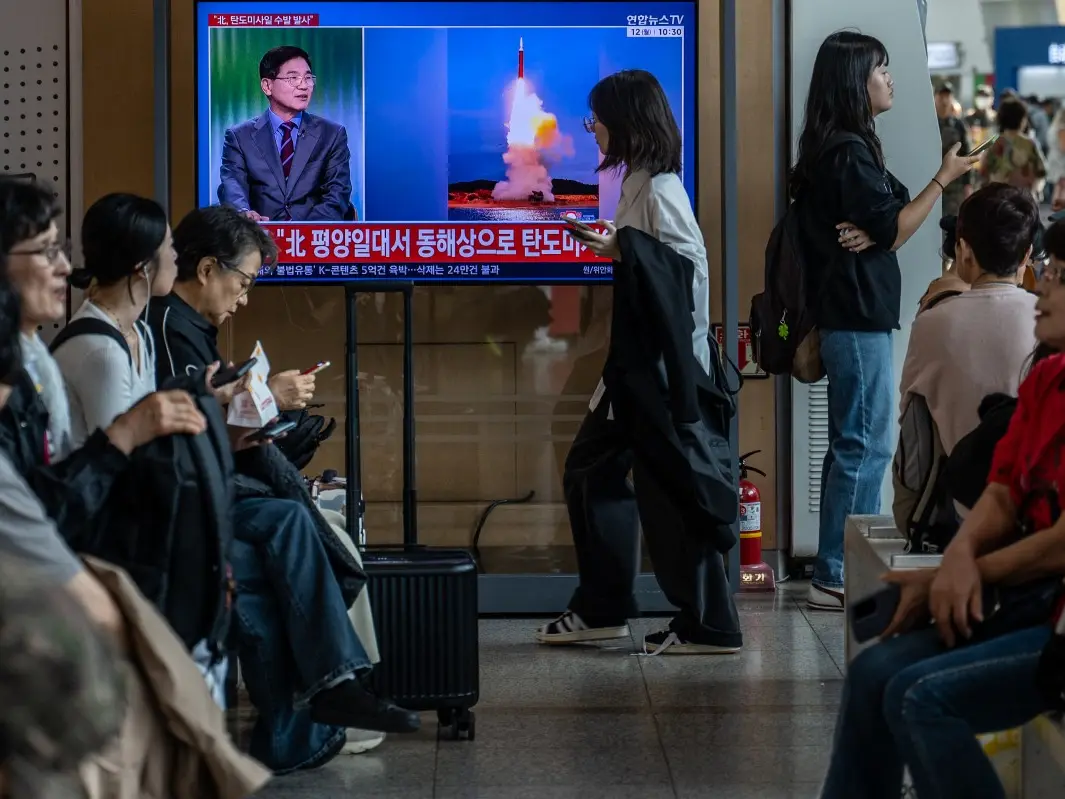
Meanwhile, the tensions in the Korean peninsula escalated afterNorthKoreafirst fired a ballistic missile toward the sea off its east coast on Saturday (February 18), according to SouthKorea's Joint Chiefs of Staff, before conducting two more similar launches on Monday. Japan has sought an urgent meeting of the UN Security Council over the matter.
WATCH WION LIVE HERE
You can now write for wionews.com and be a part of the community. Share your stories and opinions with us here.