Microsoft warns against possible Chinese manipulation during elections in India and US

Microsoft
Microsoft, the US-based multinational corporation, has raised concerns over possible Chinese influence and disruptions during elections in the United States, South Korea and India using artificial intelligence-generated content. Beijing apparently made a dry run during the presidential election in Taiwan.
A new report released Friday (Apr 5) by Microsoft Threat Intelligence revealed that the tech company has observed notable trends from state-backed actors "that demonstrate not only doubling down on familiar targets but also attempts to use more sophisticated influence techniques to achieve their goals".
The report said that it expects Chinese state-backed cyber groups to target crucial and high-profile elections with a possible involvement of North Korea also.

The report said, "As populations in India, South Korea and the United States head to the polls, we are likely to see Chinese cyber and influence actors, and to some extent, North Korean cyber actors, work toward targeting these elections."
Chinese influence actors "experimented with new media" and "continued to refine AI-generated or AI-enhanced content" the report said.
)
The Early Spring is proof not everyone can talk about their real feelings, and it is perfectly OK
)
UN votes to ‘correct the map’ as India backs fairer world view
)
Nigerian Navy discovers 99,000 litres of suspected stolen, illegally refined products as it intensifies anti-crude oil theft operations
)
Who is Aditi Paudel? 17-year-old becomes Japan's first literacy ambassador
)
Bengaluru: Officials find 40 kg expired chilli at chairman's club
)
Jaishankar rejects trade link to ending Ukraine war
)
Israeli strikes on Lebanon kill three, injure 23 despite truce
)
Alpine glacier was covered with sheep wool sheets to prevent melting. It worked
)
South Korea mulls deploying military assets to Strait of Hormuz
)
World's fifth-largest economy, British army can't afford to train
)
Breaking | Vance takes the podium: First White House briefing since Leavitt's exit
)
Taiwan raises 'concerns' over China's missile test
)
BRICS 2026: $1 trillion sovereign capital set to converge in Delhi for first iBRICS Summit
)
What is Iran's Pickaxe Mountain that Trump has again threatened to bomb?
)
UN votes to correct world map that visually shrank Africa for 450 years
)
Former NewJeans member Danielle launches YouTube channel, hints at new solo journey
)
Bangladesh batter Towhid Hridoy creates history with 350 not out in South Africa
)
Brendan Fraser’s transformation fuels The Mummy 4 excitement as fans welcome back Rick O’Connell
&im=FitAndFill=(700,400))
Krishna Janmashtami 2026: From Dhaniya Panjiri to Makhana Kheer- 5 best sweet dishes perfect for celebrating Lord Krishna’s birth
)
Donald Trump plans to travel to Ireland on Qatari-donated jet amid security concerns
)
Nazi-looted art to return to Jewish heirs
)
Eight killed in Kerala’s Thrissur after car rams into lorry parked on highway
&im=FitAndFill=(700,400))
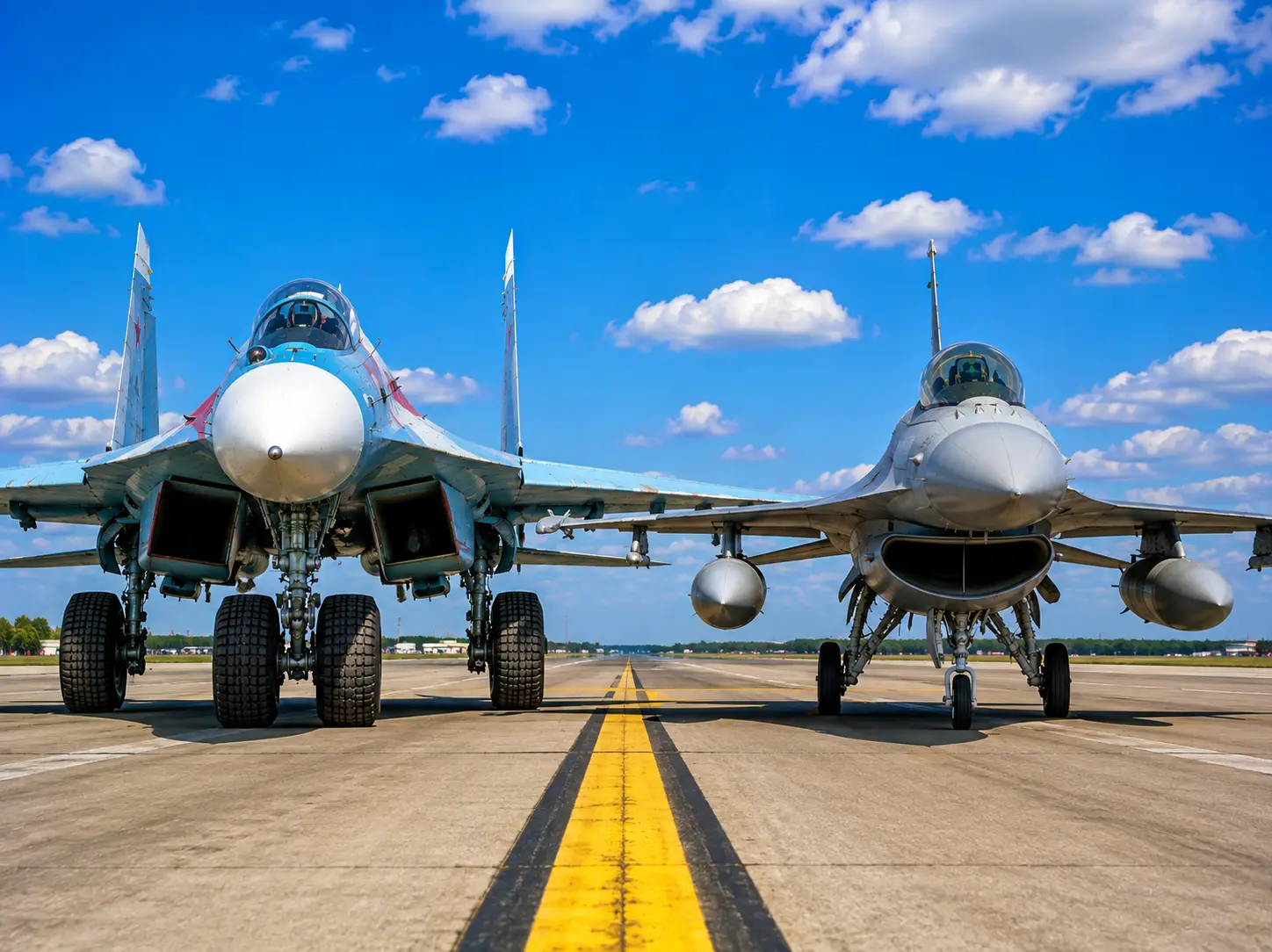
Why Russian fighter jets use bulky, low-pressure tyres compared to US jets
)
FBI-wanted fraud accused arrested in Jalandhar over $600,000 scam
&im=FitAndFill=(700,400))
Why US tanks weigh over 20 tons more than Russian tanks
&im=FitAndFill=(700,400))
New Friday OTT releases (September 4, 2026): GDN, Dhamaal 4, Jagamae Sangeetham- Watch 6 new movies and TV shows on Netflix, Prime Video and more
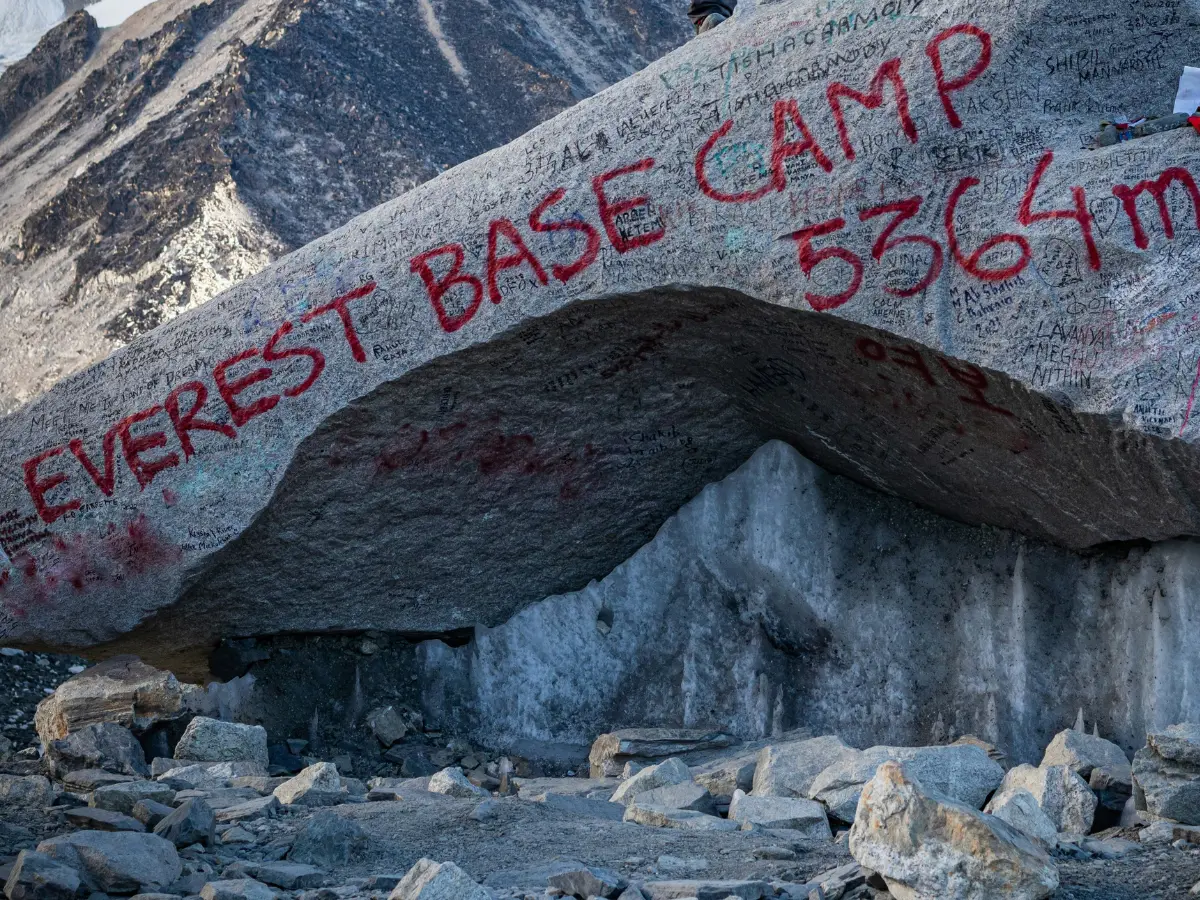)
Killing the Himalayas slowly: Human urine is melting a glacier on Mount Everest
"The influence actors behind these campaigns have shown a willingness to both amplify AI-generated media that benefits their strategic narratives, as well as create their own video, memes, and audio content," it added.
The report highlighteda "notable uptick in content featuring Taiwanese political figures ahead of the January 13 presidential and legislative elections".
Besides Taiwan, China also used AI-generated content to spread propaganda related to Japan's disposal of nuclear wastewater, Hawaii's wildfire and Kentucky's train derailment last year in the form of memes and conspiracy theories.
According to Microsoft, the news anchors were created by the CapCut tool, which is developed by the Chinese company ByteDance, the owner of TikTok.
China hasn't reacted to Microsoft's report yet.
Watch:India elections 2024: Populist poll promises vs reality in India
Taiwan election: When pro-China disinformation targeted voters
Taiwan had claimed thatthe presidential election campaign was hit by a wave of disinformation and TikTok videos, which are particularly aimed at candidates China opposes.
Beijing has made it clear that it opposes the frontrunner Lai Ching-te, whose Democratic Progressive Party (DPP) rejects China's assertion that Taiwan is its own territory.
(With inputs from agencies)