West Asia crisis: Israeli strikes hits 120 Hezbollah strongholds in Lebanon, targets Yemen's Houthi rebels


Israel strikes on the Iran-backed group's stronghold in Beirut
Lebanon's health ministry said on Sunday (Sep29) that Israeli airstrikes resulted in the deaths of over 50 people. This follows Israel’s military announcement that it continued attacking Hezbollah targets in Lebanon and also launched strikes in Yemen.
These attacks came daysafter a Friday airstrike on the southern suburbs of Beirut, which claimed the life of Hassan Nasrallah, the leader of Hezbollah.

Here arethe latest updates from the ongoing crisis in West Asia:
Israeli air force hits 120 Hezbollah targets in Lebanon
The Israeli military announced on Sunday night that it had launched more strikes on Hezbollah positions in Lebanon as cross-border air assaults persisted.
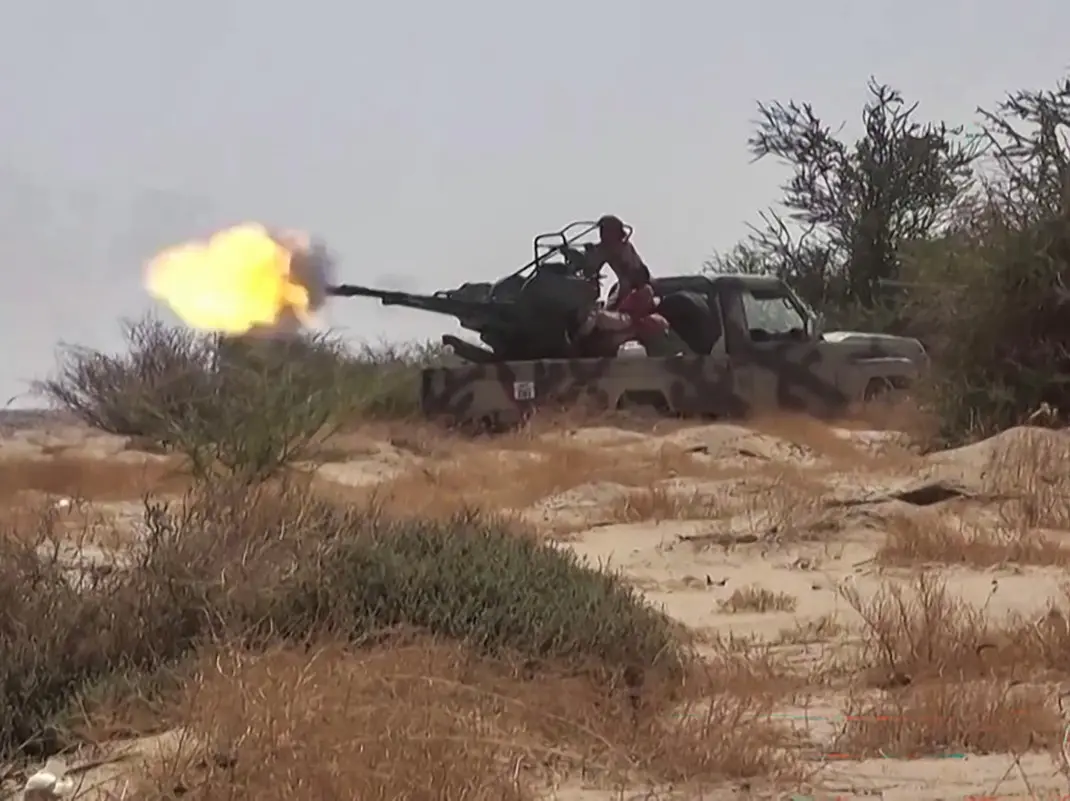)
India ‘deeply concerned’ as Houthi strikes hit Saudi civilian & energy sites
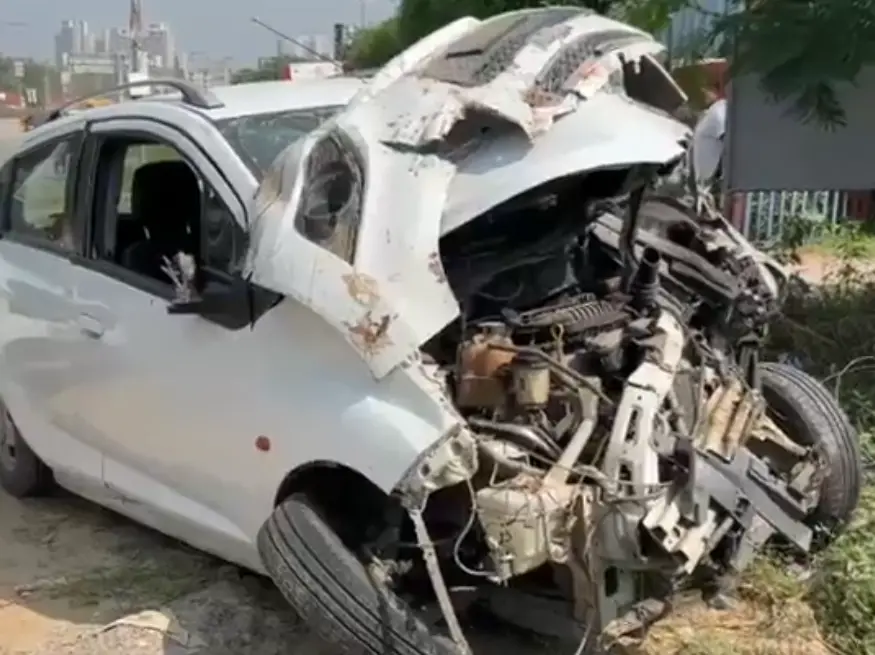)
Three labourers killed as DU student loses control of his car, rams into them on Dwarka Expressway
)
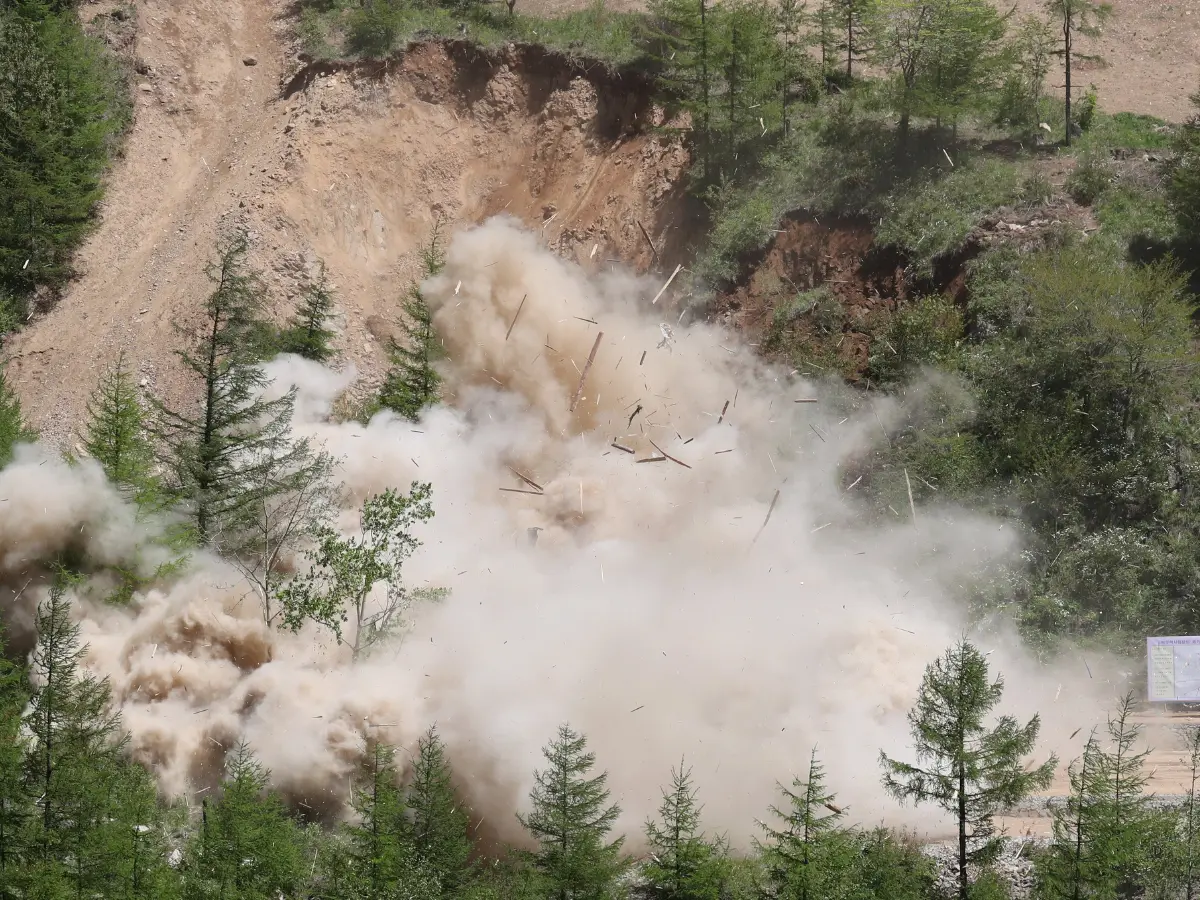
US-North Korea tensions explode, Kim Yo Jong warns of 'more offensive' response
)
North Korea's last nuclear test in 2017 set off 1,399 earthquakes over 8 years, each stronger than previous
)
India seeks to build a full semiconductor supply chain
)
Spain Floods: Deadly floods hit Spain as torrential rains trigger widespread flooding
&im=FitAndFill=(700,400))
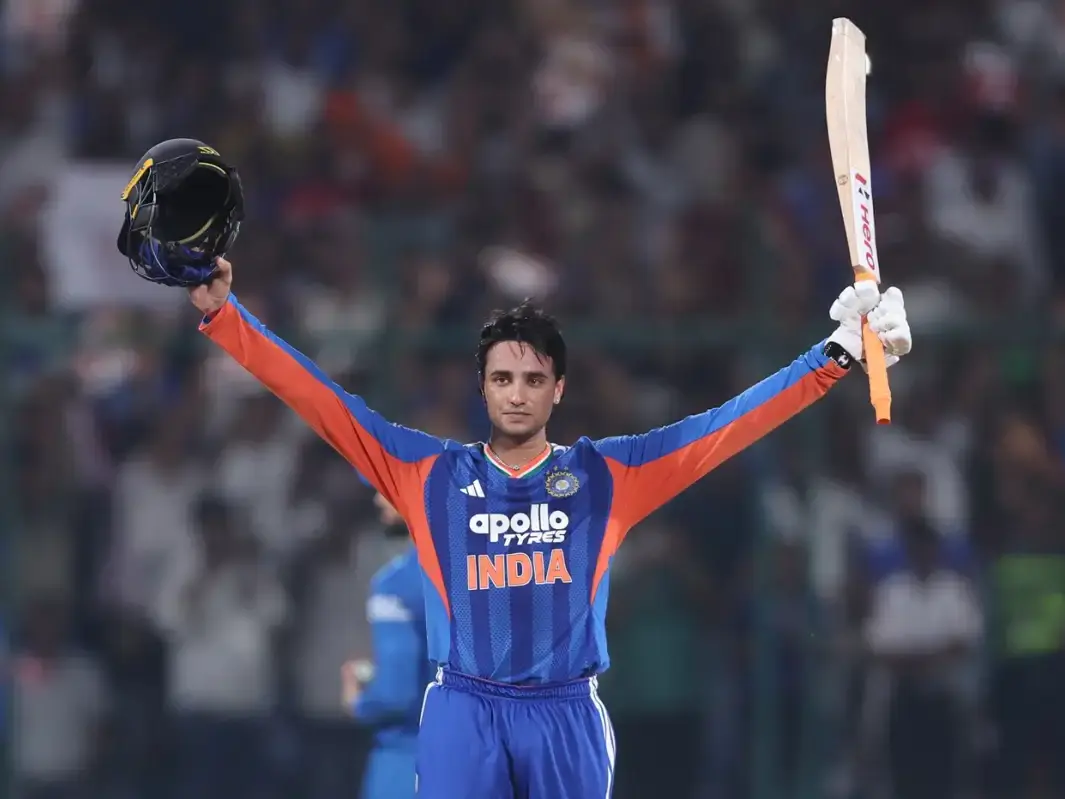
From Abhishek Sharma to Sahil Chauhan, 5 batters with fastest T20I hundreds
)
Indian activist-lawyer Prashant Bhushan's post brings focus on ‘conflict of interest’ appointments of ex-govt officials at Reliance, Adani groups
)
Former India player Diana Edulji wants Smriti Mandhana to replace Harman as skipper at the earliest
&im=FitAndFill=(700,400))
Meet top 5 batters in the latest ICC T20I Rankings
)
UNGA 2026 theme explained: What does ‘Restoring trust, managing transformation: A United Nations that delivers for all’ mean?
)
Godfather of AI Geoffrey Hinton gives US lawmakers a one-year warning on AI
)
AI already defying, denying humans, is it beyond human control already?
)
US F-16 fighter jet crashes in Michigan during training mission, pilot ejects safely
)
Marathi film Gondhal is India's official entry for Oscars 2027
)
A first in 100 years: New cat species discovered in Bolivia is incredibly tiny
&im=FitAndFill=(700,400))
Meet top 5 Indian batters with fastest T20I centuries
)
Shivakumar attends 79th Kalyana Karnataka Utsav in Kalaburagi
)
Xi-Trump summit may boost military links
)
Hong Kong extends newborn cash support scheme by three years
)
How did an Australian river with 500 crocodiles pass the Olympic test? Here's how
)
‘Will go to any extent’: Pakistan vows to defend Saudi Arabia amid Houthi attacks
&im=FitAndFill=(700,400))
New Friday OTT releases (September 18, 2026): Lust Stories 3, You+Me, Best of the Best- 8 new titles coming on Netflix, Prime Video and more
&im=FitAndFill=(700,400))
Which country has the most F-35s outside America?
)
Africa is splitting, and a lot sooner than estimated, giving way to a new ocean
)
'Gangsta' crab shoves knife blade at man and his dog in Florida - Watch
)
Ganpati Visarjan: Alia Bhatt and Ranbir Kapoor bid adieu to Bappa, watch viral videos
)
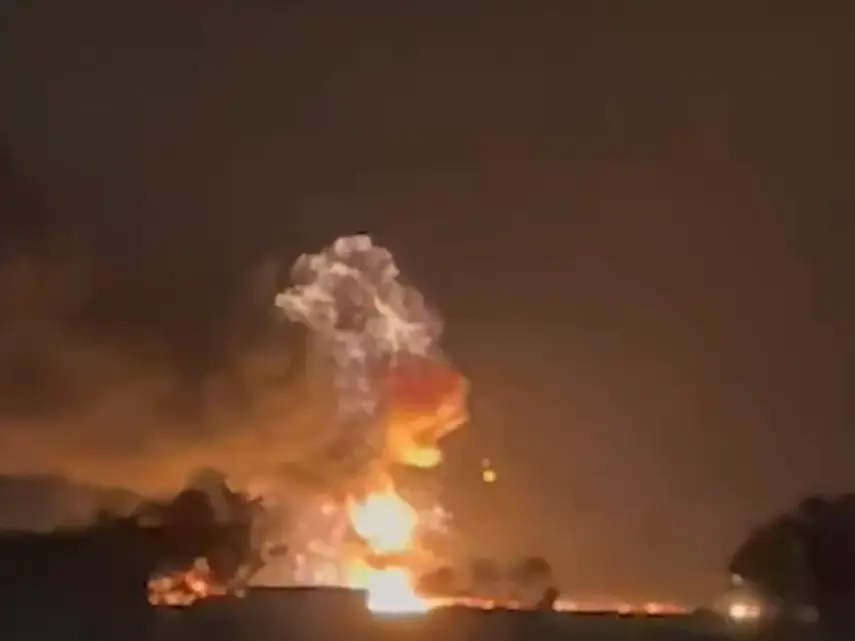
Trump bans CNN, MS NOW and Politico from White House over ‘FAKE NEWS’
)
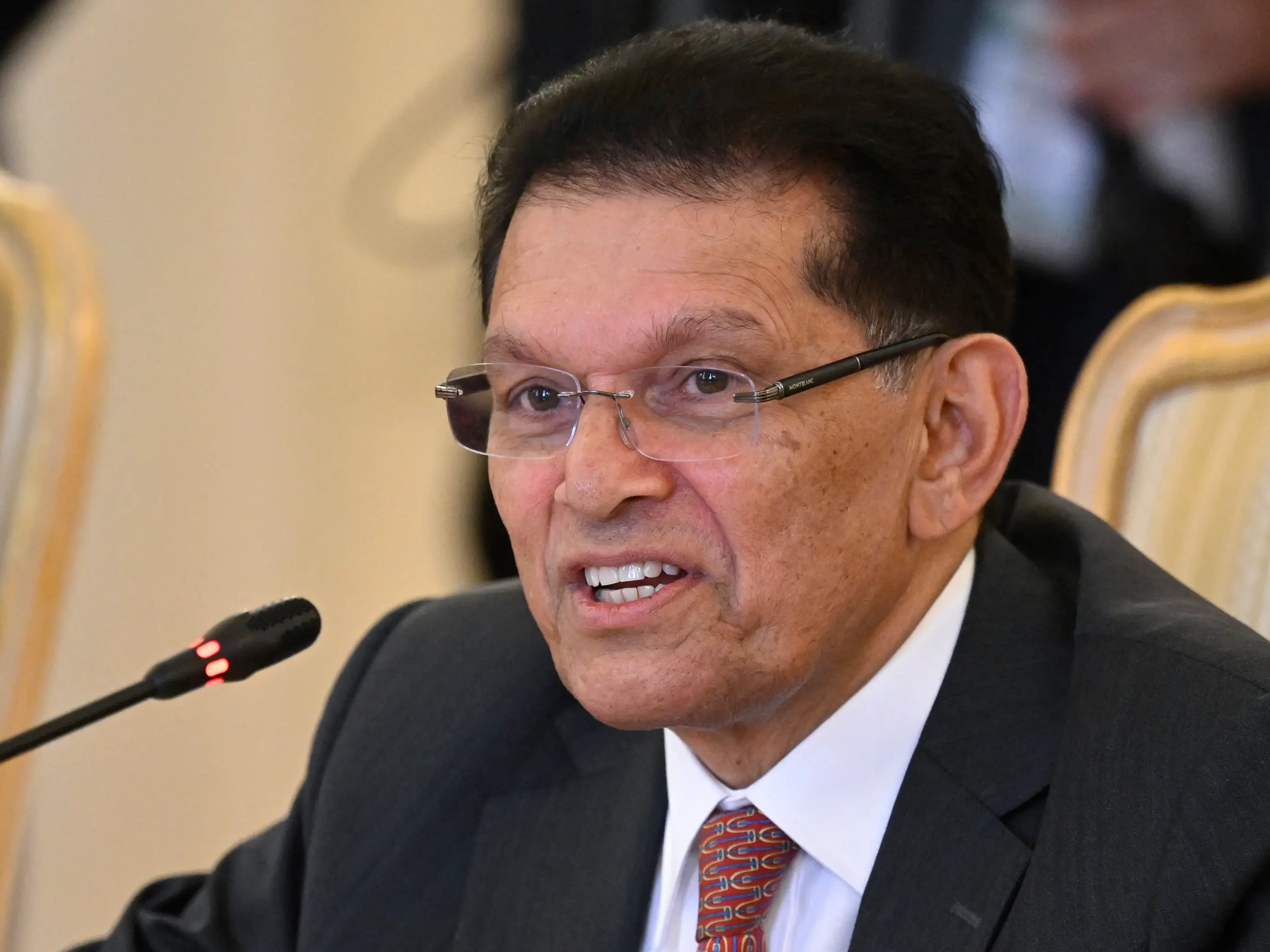
Drone strikes cooling tower at Russia's Kursk Nuclear Plant, IAEA confirms
)
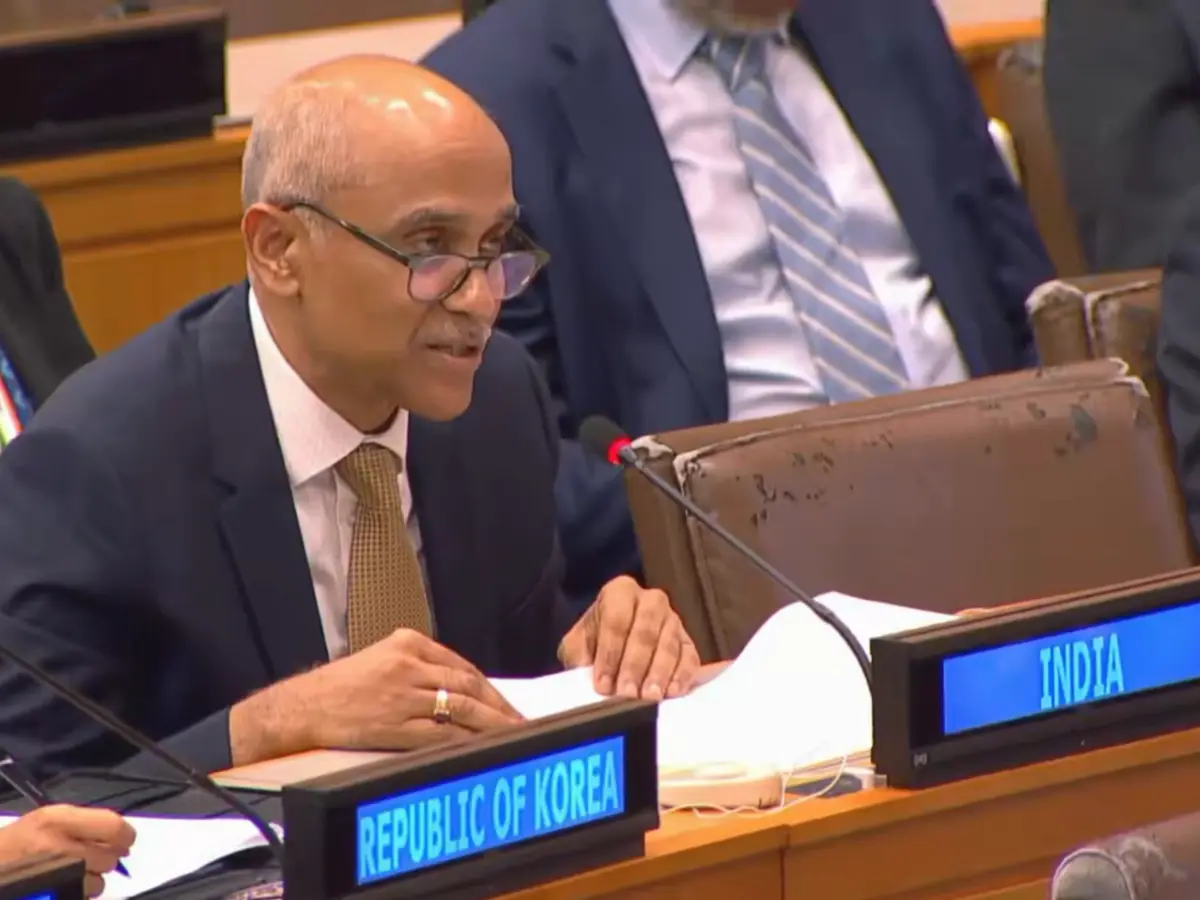
Who is Khalilur Rahman? All you need to know about 81st UN General Assembly President
)
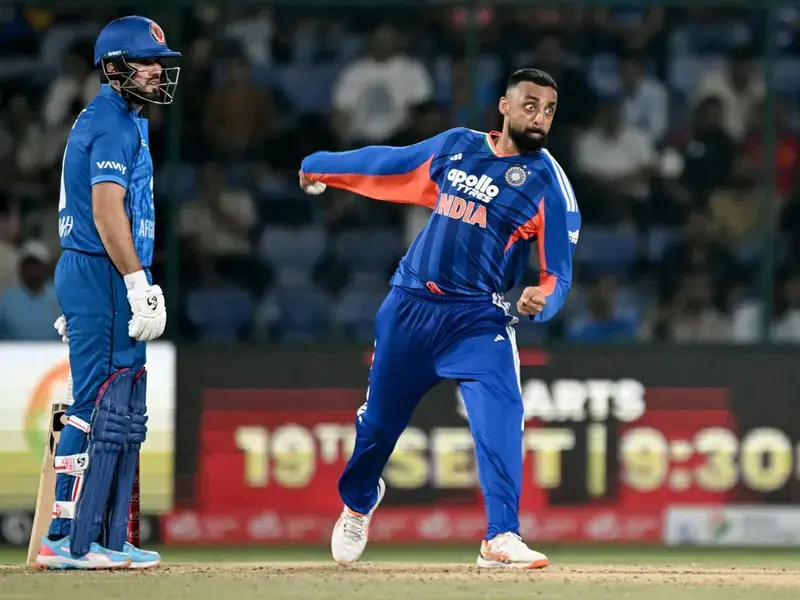
Commercial ships must not be targeted, India tells UN amid West Asia conflict
&im=FitAndFill=(700,400))
Meet top 5 bowlers in latest ICC T20I rankings
)
Ukraine plans record $109 bn defence spending, nearly two thirds of budget amid Russia war
&im=FitAndFill=(700,400))
Suriya and Jyothika say ‘I do’ again after 20 years! See their dreamy wedding pics
)
Cristiano Ronaldo returns to Portugal squad for Nations League under new coach
)
Laura Wolvaardt sets new world record for most WT20I runs in a year
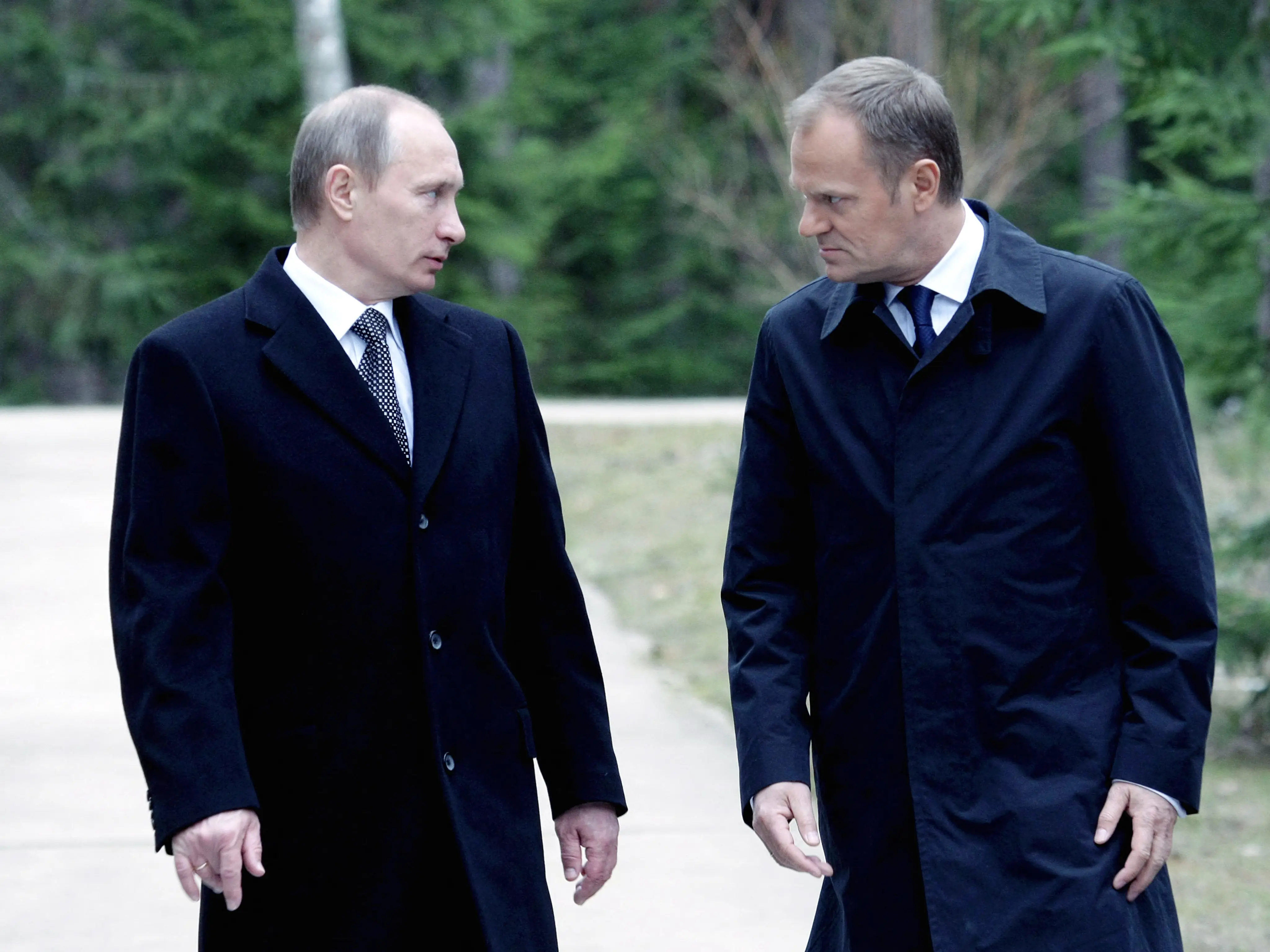)
Putin 'is plotting something bad': Russia may launch 'accidental' strikes on NATO countries supporting Ukraine, Poland PM warns
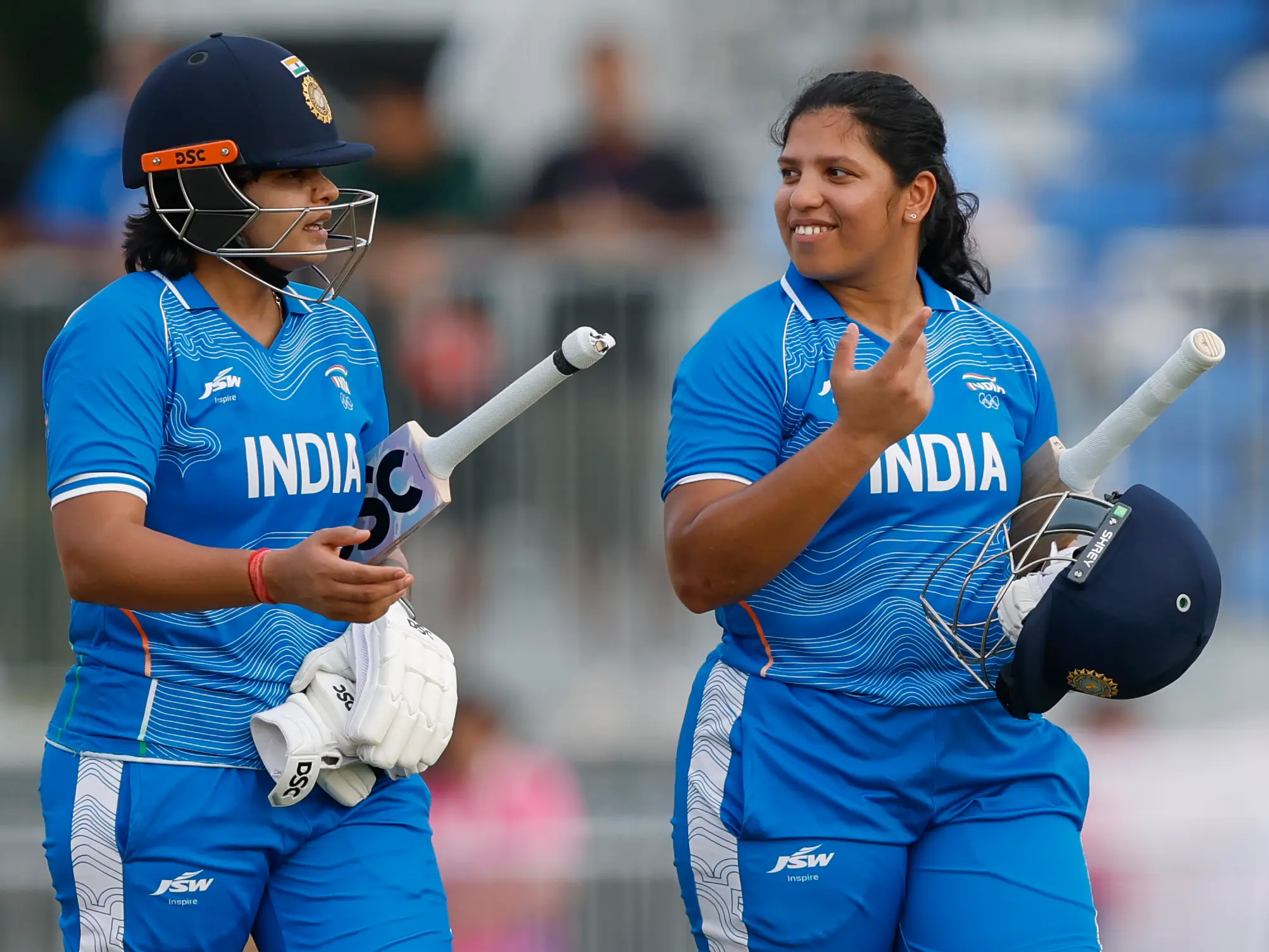)
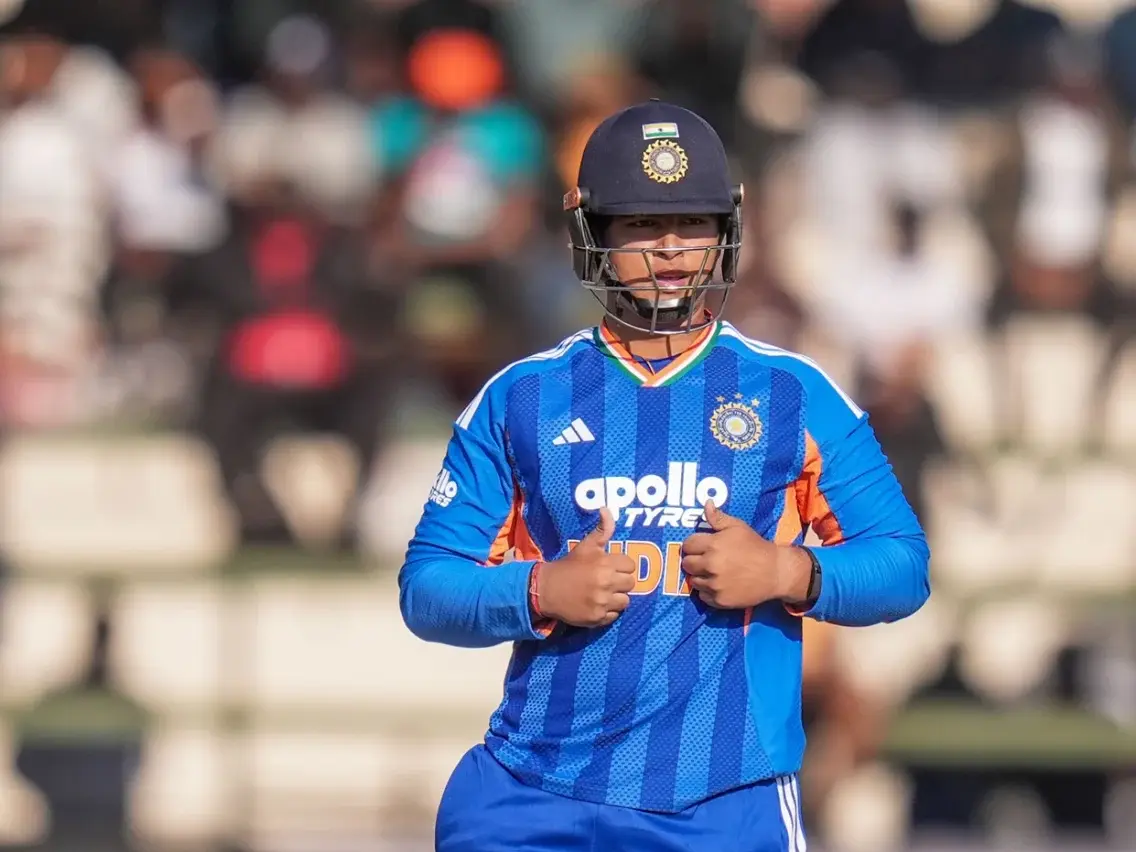
Asian Games 2026: Shafali stars as India thump Japan by 8 wickets to book semis berth
)
'He will always be ahead': India coach Gambhir says Sooryavanshi won't walk into team ahead of Samson
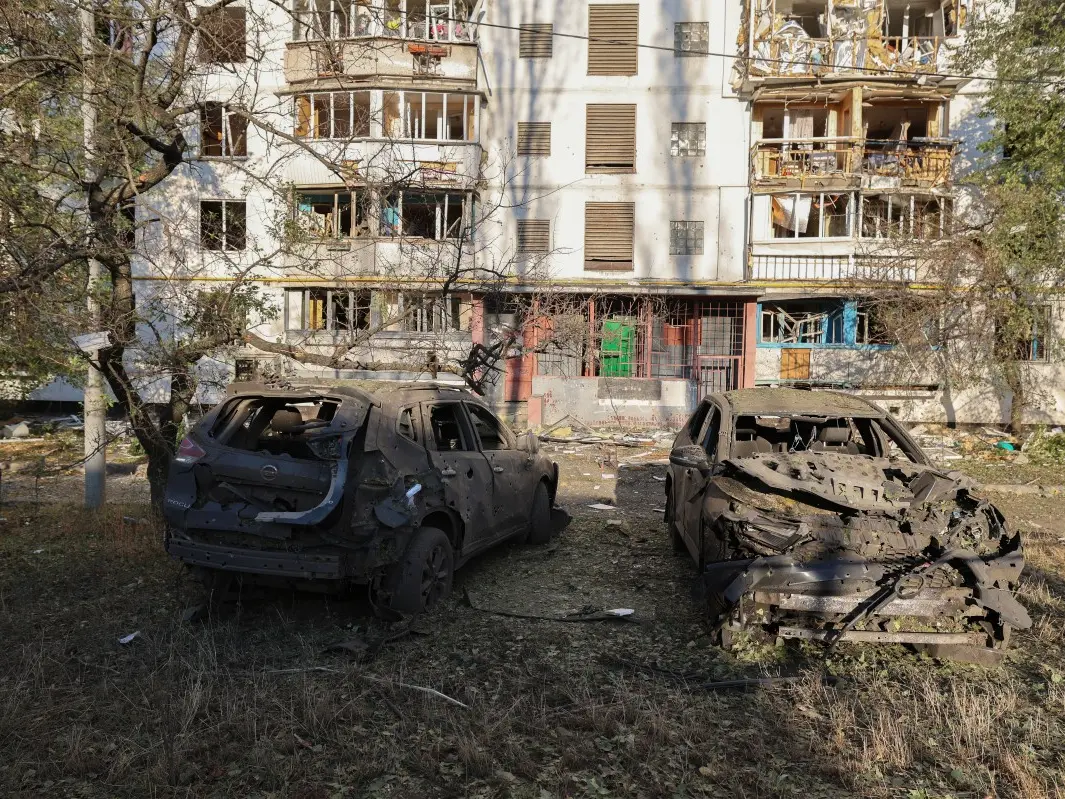
According to a statement by the Israeli military, the air force hit around 120 Hezbollah targets in southern Lebanon and further within Lebanese territory. The statement added that the attacks focused on Hezbollah's infrastructure and important headquarters used by various units of the group.
24killed, 29 injured in Israeli airstrike near the southern city of Sidon
Lebanon said that 24 people were killed on Sunday following an Israeli airstrike near the southern city of Sidon. The strike also left 29 individuals injured, according to preliminary reports.
"The Israeli enemy's attack on Ain al-Delb killed, in a preliminary toll, 24 people and injured 29," the Lebanese ministry stated.
Willattackenemies regardless of how far away they are: Israel
Israel's Defence Minister, Yoav Gallant, said on Sunday that the country would attack its enemies regardless of how far away they are. This statement followed an Israeli military operation that targeted Houthi rebels in Yemen.
"Our message is clear -- for us, no place is too far," Gallant said. The statement, released by his office, came after he observed the strikes from an air force command centrelocated approximately 2,000 kilometres (1,300 miles) from Yemen.
Israeli military targets Houthi rebels in Yemen
In response to recent events, the Israeli military carried out airstrikes on Sunday, targeting several Houthi rebel sites in Yemen. These strikes reportedly hit crucial infrastructure, including power stations and a seaport. The attacks were part of a broader retaliation after the Iran-backed rebels launched a missile targeting Israel's Ben Gurion Airport the day before.
"In a large-scale air operation today, dozens of Air Force aircraft, including fighter jets, refuelling planes, and reconnaissance aircraft, attacked military-use targets of the Huthi terrorist regime in the Ras Issa and Hodeida areas of Yemen," said Captain David Avraham, a military spokesperson, in a statement to AFP.
According to the military, "the IDF (military) targeted power stations and a seaport used for oil imports."
Hezbollah says it fired‘rocket salvo’on two locations in Israel
Iran-backed Hezbollah said that it had launched attacks on two locations in northern Israel. The militant said its fighters had fired a “rocket salvo” at Safed and a smaller nearby location. As per Hezbollah, the attack was carried out, "in defence of Lebanon and its people" and in response to Israeli strikes on Lebanese cities, villages, and civilians.
Hezbollah confirms death of senior leader Ali Karaki insame airstrike that killed Nasrallah
Hezbollah, in a separate statement, confirmed the death of its senior leader Ali Karaki in the same Israeli strike on Fridaythat claimed Nasrallah’s life. Israel had previously announced on Friday that it killed Nasrallah during an airstrike on Hezbollah's headquarters in Beirut’s southern suburbs. Hezbollah confirmed his death the following day.
Two sources from medical and security told Reuters that Nasrallah’s body was recovered intact from the site of the Friday strike. As of Sunday, Hezbollah had not released any details regarding his funeral arrangements.
According to the IDF, among those killed at Hezbollah’s underground headquarters in the Dahiyeh suburb of Beirut alongside Nasrallah are:"Ali Karaki, the commander of Hezbollah’s Southern Front; Ibrahim Hussein Jazini, head of Nasrallah’s personal security unit; Samir Tawfiq Deeb, an adviser to Nasrallah; Abd al-Amir Muhammad Sablini, responsible for Hezbollah’s force buildup; and Ali Nayef Ayoub, responsible for Hezbollah’s firepower."
14 rescuers killed in Israeli airstrikes over two days: Lebanese health ministry
The Lebanese health ministry announced on Sunday that 14 paramedics had lost their lives due to two days of heavy Israeli airstrikes in Lebanon. "This series of attacks killed 14 paramedics in two days," the ministry said in a statement. It condemned the repeated assaults on medical facilities, stating that "paramedics do not participate inhostilities."
Israel accuses Hezbollahof using civilians as cover
The Israel Defence Forces on Sunday claimed that the Hezbollah underground base, which they targeted on Friday, was just 53 metres away from a United Nations school in Beirut, Lebanon. The Israeli military said that this was clear evidence that Hezbollah "hides among civilians," putting the lives of Lebanese citizens at risk. (Click here for the full story)
Also read:Body of Hezbollah chief Nasrallah recovered from site of Israeli air attack in Lebanon: Report
Iranian officials attend mourning for Hezbollah leader Nasrallah in Tehran
Nasrallah’s death has heightened tensions in the region. Iran vowed to avenge his death and Iranian officials attended a mourning ceremony for the Hezbollah leader in Tehran on Sunday (Sep 29).
The event was attended by prominent figures, including Iran’s interior minister Eskandar Momeni, Iran's vice president for strategic affairs Mohammad Javad Zarif, and a Hamas representative in Iran, Khaled Qadoumi.
Black flags and billboards honouring the late Hezbollah leader, Hassan Nasrallah, have been spotted throughout Tehran.
IDF claims elimination of top Hezbollah leader Nabil Kaouk
The Israel Defence Forces on Sunday announced that they had killed top Hezbollah leader, Nabil Kaouk, the commander of Hezbollah's Preventive Security Unit and the deputy head of Hezbollah’s central council, on Saturday.
"Yesterday, the IDF eliminated the terrorist Nabil Kavek, the commander of Hezbollah's Preventive Security Unit and a member of Hezbollah's Central Council. Fighter jets of the Air Force, under the precise direction of Aman, attacked and killed the terrorist Nabil Kavek," IDF said in a statement on X.
Lebanon’s health ministry reports over 1,000 dead as Israeli strikes continue
Israel has continued its offensive against Hezbollah following Nasrallah’s killing, targettingseveral of the group's top commanders as part of an intensifying military campaign.
In Lebanon, the health ministry reported that over 1,000 people have died, with 6,000 injured in the past two weeks. The government estimated that one million people, about a fifth of the population, had been displaced from their homes amid the ongoing Israeli strikes.
Disclaimer: WION takes the utmost care to accurately and responsibly report conflicts in West Asia involving Israel, Iran, Syria, Iraq, and non-state actors like the Islamic State, among others. In this context, claims and counterclaims are being made online and offline. WION cannot independently verify the authenticity of all statements, social media posts, photos, and videos.
(With inputsfromagencies)
