Is Trump trying to control midterm postal ballots? Supreme Court decision could affect one-third of votes

&imwidth=600&imheight=450&format=webp&quality=medium "Is Trump trying to control midterm postal ballots? Supreme Court decision could affect one-third of votes")
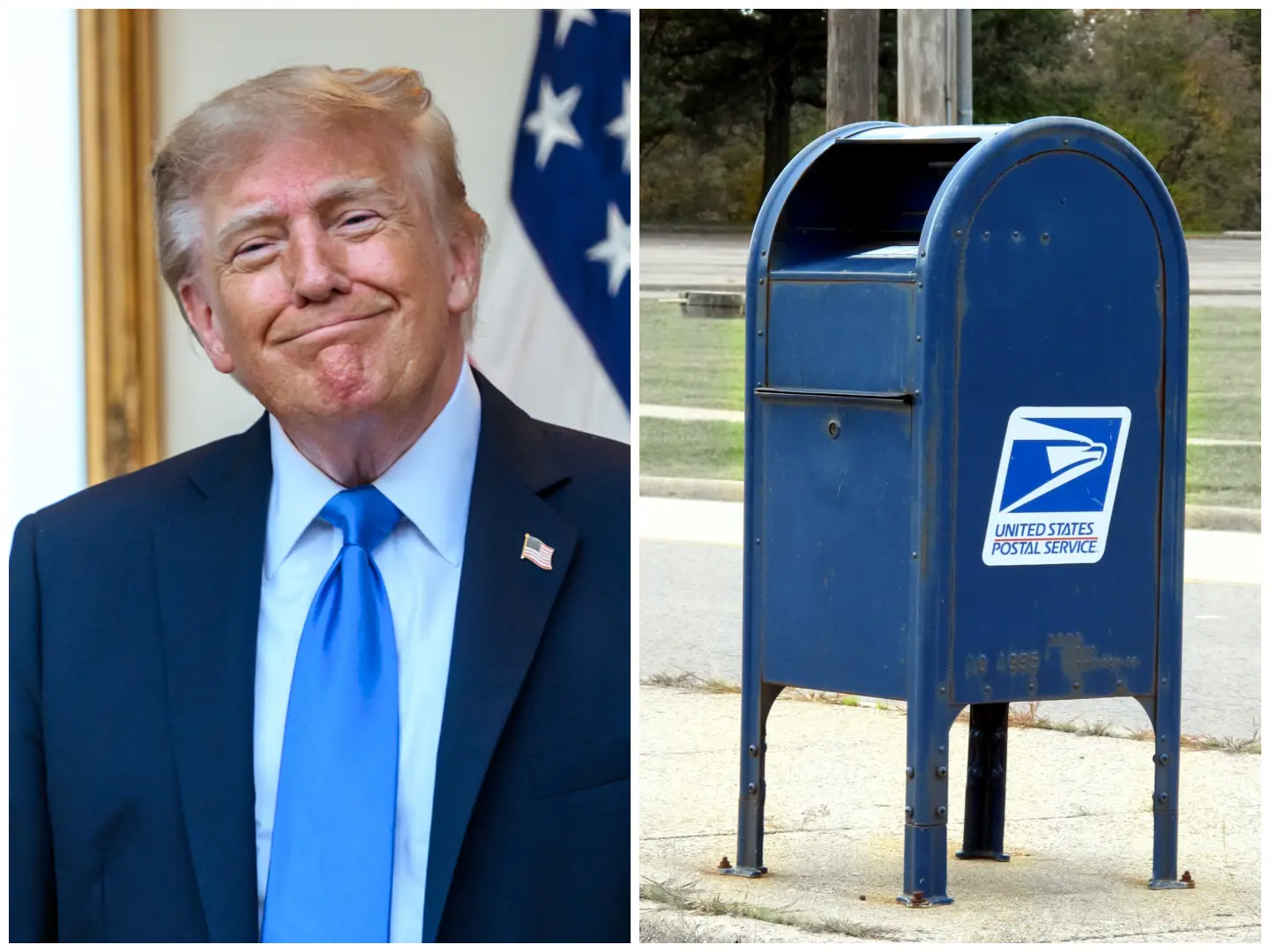
Postal ballots have been one of the targets of US President Donald Trump Photograph: (Others)
Trump is once again appealing to the Supreme Court to enforce his mail-ballot restrictions. States have started sending ballots for the 2026 midterms. Voting access and election procedures are now a legal battle. Here is why it matters
The Trump administration has again appealed to the US Supreme Court to implement its restrictions on mail-in voting after a federal judge blocked the US Postal Service (USPS) from enforcing key parts of the rules ahead of the November midterm elections. Critics say the measures could restrict access to mail-in voting, which is a major and potentially decisive part of US elections. The Trump administration claims the restrictions are intended to ensure that ineligible people, including non-US citizens, do not receive or cast federal-election ballots. The court battle is heating up even as states have started sending ballots for the November 3 polls.
US postal ballot row: The legal showdown so far
The Trump administration's latest appeal on Sunday (Sep 6) came after US District Judge Indira Talwani on September 4 issued a preliminary injunction preventing USPS from enforcing key mandatory parts of its new mail-ballot requirements. An earlier temporary restraining order had also blocked parts of the USPS rule. Talwani said states would face serious practical difficulties implementing the changes so late in the election cycle and that doing so could risk disenfranchising eligible voters.
The administration has appealed Talwani's ruling to the US Court of Appeals for the First Circuit and has also returned to the Supreme Court seeking an emergency stay of the preliminary injunction.
Justice Ketanji Brown Jackson has set September 9 as the deadline for responses to the latest government request.
Trending Stories
&imwidth=280&imheight=210&format=webp&quality=medium)
&imwidth=280&imheight=210&format=webp&quality=medium)
&im=FitAndFill=(700,400)&imwidth=280&imheight=210&format=webp&quality=medium)
&imwidth=280&imheight=210&format=webp&quality=medium)
&imwidth=280&imheight=210&format=webp&quality=medium)
&imwidth=280&imheight=210&format=webp&quality=medium)
&imwidth=280&imheight=210&format=webp&quality=medium)
&imwidth=280&imheight=210&format=webp&quality=medium)
&imwidth=280&imheight=210&format=webp&quality=medium)
&imwidth=280&imheight=210&format=webp&quality=medium)
&imwidth=280&imheight=210&format=webp&quality=medium)
&imwidth=280&imheight=210&format=webp&quality=medium)
&imwidth=280&imheight=210&format=webp&quality=medium)
&im=FitAndFill=(700,400)&imwidth=280&imheight=210&format=webp&quality=medium)
&imwidth=280&imheight=210&format=webp&quality=medium)
&imwidth=280&imheight=210&format=webp&quality=medium)
&imwidth=280&imheight=210&format=webp&quality=medium)
&imwidth=280&imheight=210&format=webp&quality=medium)
&imwidth=280&imheight=210&format=webp&quality=medium)
&imwidth=280&imheight=210&format=webp&quality=medium)
&imwidth=280&imheight=210&format=webp&quality=medium)
&imwidth=280&imheight=210&format=webp&quality=medium)
&imwidth=280&imheight=210&format=webp&quality=medium)
&imwidth=280&imheight=210&format=webp&quality=medium)
&imwidth=280&imheight=210&format=webp&quality=medium)
&imwidth=280&imheight=210&format=webp&quality=medium)
&imwidth=280&imheight=210&format=webp&quality=medium)
&imwidth=280&imheight=210&format=webp&quality=medium)
&imwidth=280&imheight=210&format=webp&quality=medium)
&imwidth=280&imheight=210&format=webp&quality=medium)
&imwidth=280&imheight=210&format=webp&quality=medium)
&imwidth=280&imheight=210&format=webp&quality=medium)
&imwidth=280&imheight=210&format=webp&quality=medium)
&imwidth=280&imheight=210&format=webp&quality=medium)
&imwidth=280&imheight=210&format=webp&quality=medium)
&imwidth=280&imheight=210&format=webp&quality=medium)
Trump's USPS orders: Why does he want to restrict voting by mail?
At the heart of the row is an executive order issued by Trump on March 31, formally titled "Ensuring Citizenship Verification and Integrity in Federal Elections", directing USPS to introduce new procedures for federal-election mail ballots.
The final USPS rule issued in August requires states using the postal service for federal-election ballots to comply with new standards for ballot and return-envelope design. It also requires election officials to provide information about voters receiving mail ballots through a new Federal Ballot Mail Portal. Ballot envelopes are required to carry unique Intelligent Mail barcodes.
Under the rule, USPS would not mail ballots that fail to meet the prescribed requirements or are associated with voters not included in the required information submitted through the federal system.
The Democratic opposition and several states pushed back against the reforms, arguing that they could disenfranchise valid voters and improperly intrude on states' authority over elections. The administration insists the rules are about operating the federal postal system, not controlling how elections are conducted.
The government argues that states will continue to have final authority over voter eligibility, ballot content, election deadlines and the counting of votes. The administration also says the USPS requirements are limited to the use of the federal postal network.
Trump's reforms on mail-in ballots came too late, and critics see a disruption risk
Critics argue that USPS lacks the authority to impose conditions on state election systems and that introducing such rules just weeks ahead of the election could cause widespread disruption.
Talwani, in her ruling, stressed the practical difficulties facing states. Election officials have already prepared millions of ballots under existing procedures, and changing envelope designs, voter-data procedures and postal requirements at this stage could create confusion and delays.
The case also raises broader constitutional questions because US elections are primarily administered by state and local authorities. The challengers argue that Trump's executive order cannot by itself give USPS the power to impose new conditions on states using the federal postal system.
States have already started sending out mail ballots
The legal battle is unfolding as the election process is already underway. North Carolina became the first state to begin sending out mail-in ballots for the 2026 midterm elections on September 4. Other states are expected to follow in the coming weeks. This has increased the urgency of the Supreme Court case, as election officials are now working under existing state procedures while the administration seeks permission to introduce the new federal postal requirements.
Why are mail-in ballots a crucial issue?
Nearly one-third of US voters are expected to cast their ballots by mail. Any major change to the system this close to the election could impact how voters receive and return their ballots.
A whistleblower has alleged that the Federal Ballot Mail Portal was developed rapidly and inadequately tested. One concern raised in the disclosure is that a failure to verify a single ballot in a batch could result in the entire batch being rejected for correction and another verification cycle. Such problems could potentially delay ballot processing and create additional pressure on election officials and USPS.
USPS has disputed claims that it has ignored court orders and says it has been developing the system while complying with judicial directives.
The Supreme Court's response could now be crucial. If the justices grant the administration's request, key parts of Trump's proposed mail-ballot system could be implemented for the 2026 midterm elections. If they leave Talwani's injunction in place, the new mandatory requirements will remain blocked while the broader legal challenge continues.