Is China among world’s most earthquake-prone zones? Here's how this 'fault' affects India

&imwidth=600&imheight=450&format=webp&quality=medium "Is China among world’s most earthquake-prone zones? Here's how this 'fault' affects India")
Representational Image. Photograph: (Reuters (File Photo))
China is located between two major seismic zones, the circum-Pacific seismic belt and the circum-Indian seismic belt. Surrounded by the Pacific plate, the Indian plate and the Philippine plate, the region has highly developed seismic fault lines.
An earthquake of magnitude 4.2 jolted China's Xinjiang on Monday, as per the statement by the National Centre for Seismology (NCS). Similarly, a quake of magnitude 4.1 also hit China at a shallow depth of 10km on Sunday, making it susceptible to aftershocks.
Why is China more prone to earthquakes?
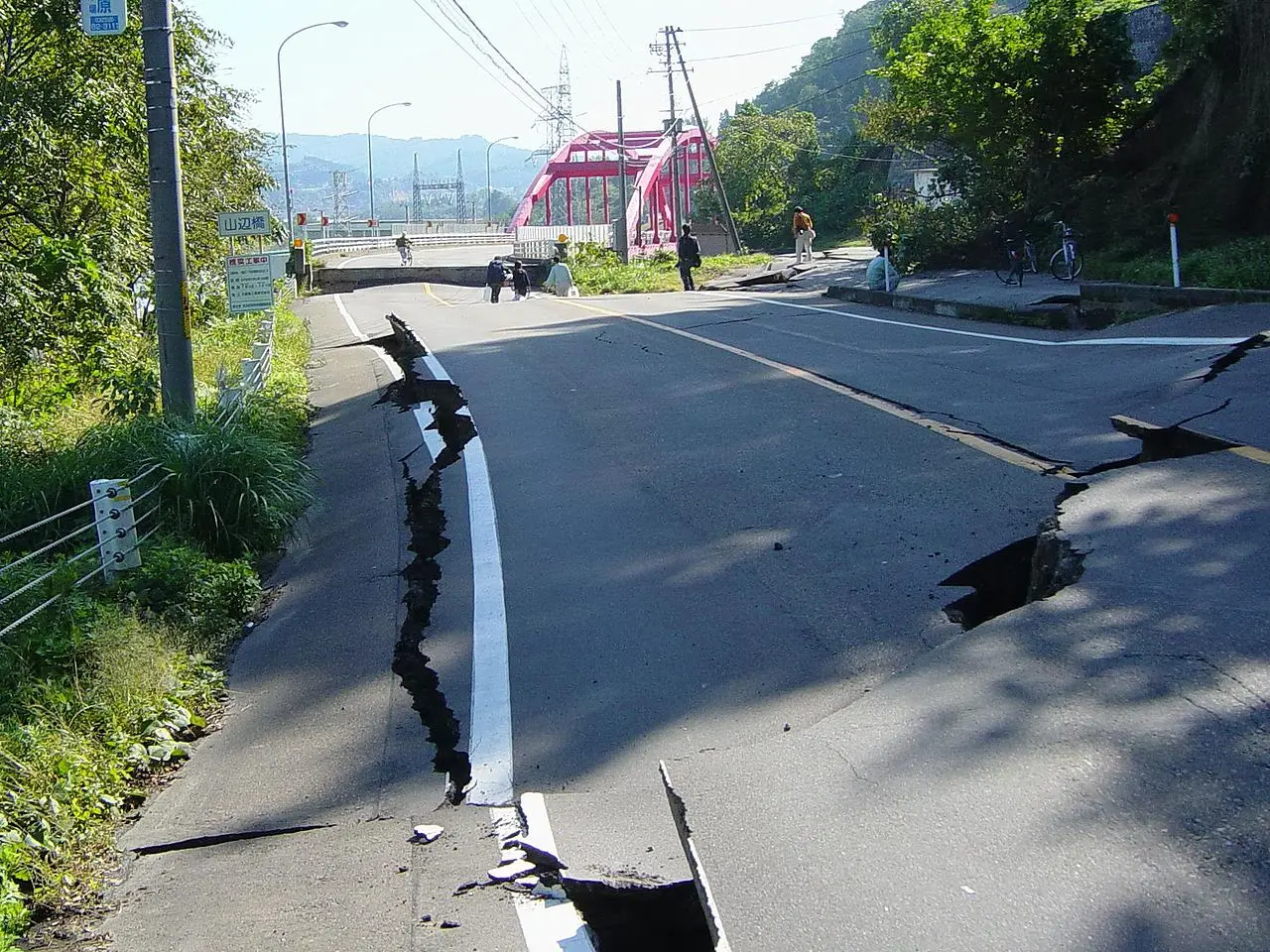
Shallow quakes are generally more disastrous than deep earthquakes, as the seismic waves surfacing from shallow earthquakes have a shorter distance to travel to the surface. As a result, it is likely to shake the ground strongly, potentially more damaging to structures with greater casualties.
China is located between two major seismic zones, the circum-Pacific seismic belt and the circum-Indian seismic belt. Surrounded by the Pacific plate, the Indian plate and the Philippine plate, the region has highly developed seismic fault lines.
Much of western China, including Tibet, Sichuan, Qinghai, Xinjiang, and Yunnan, falls within the collision interface of the Indian and Eurasian tectonic plates. The Indian Plate continues to drive northward into Eurasia, uplifting the Himalayas and Tibet, and generating intense seismic activity across western China.
For example, the Sichuan Basin is continuously jolted by earthquakes as it also lies adjacent to the uplifting eastern Tibet. Tectonic strains from the plateau thrust into the basin, and the region’s deep sedimentary layers amplify seismic waves, worsening ground shaking.
Trending Stories
&imwidth=280&imheight=210&format=webp&quality=medium)
&imwidth=280&imheight=210&format=webp&quality=medium)
&imwidth=280&imheight=210&format=webp&quality=medium)
&imwidth=280&imheight=210&format=webp&quality=medium)
&imwidth=280&imheight=210&format=webp&quality=medium)
&imwidth=280&imheight=210&format=webp&quality=medium)
&imwidth=280&imheight=210&format=webp&quality=medium)
&imwidth=280&imheight=210&format=webp&quality=medium)
&imwidth=280&imheight=210&format=webp&quality=medium)
&imwidth=280&imheight=210&format=webp&quality=medium)
&imwidth=280&imheight=210&format=webp&quality=medium)
&imwidth=280&imheight=210&format=webp&quality=medium)
&imwidth=280&imheight=210&format=webp&quality=medium)
&imwidth=280&imheight=210&format=webp&quality=medium)
&imwidth=280&imheight=210&format=webp&quality=medium)
&imwidth=280&imheight=210&format=webp&quality=medium)
&imwidth=280&imheight=210&format=webp&quality=medium)
&imwidth=280&imheight=210&format=webp&quality=medium)
&imwidth=280&imheight=210&format=webp&quality=medium)
&im=FitAndFill=(700,400)&imwidth=280&imheight=210&format=webp&quality=medium)
&imwidth=280&imheight=210&format=webp&quality=medium)
&imwidth=280&imheight=210&format=webp&quality=medium)
&imwidth=280&imheight=210&format=webp&quality=medium)
&imwidth=280&imheight=210&format=webp&quality=medium)
&imwidth=280&imheight=210&format=webp&quality=medium)
&imwidth=280&imheight=210&format=webp&quality=medium)
&imwidth=280&imheight=210&format=webp&quality=medium)
&imwidth=280&imheight=210&format=webp&quality=medium)
&imwidth=280&imheight=210&format=webp&quality=medium)
&imwidth=280&imheight=210&format=webp&quality=medium)
&imwidth=280&imheight=210&format=webp&quality=medium)
&imwidth=280&imheight=210&format=webp&quality=medium)
&imwidth=280&imheight=210&format=webp&quality=medium)
&imwidth=280&imheight=210&format=webp&quality=medium)
&imwidth=280&imheight=210&format=webp&quality=medium)
&imwidth=280&imheight=210&format=webp&quality=medium)
China hosts multiple active fault systems that accommodate tectonic strain. Major faults such as the Longmenshan (site of the 2008 Wenchuan quake), Xianshuihe, Haiyuan, Tanlu, and others form seismic belts spread across both western and eastern China, according to a report in the International Journal of Springer Nature Link.
How this 'fault' affects India
Given the shared tectonic boundary, the seismic activity in China also significantly affects India. For instance, the massive 1950 Assam–Tibet earthquake (Mw 8.6–8.7) originated in Tibet and struck Assam, killing approximately 4,800 people in India.
Furthermore, the northern and northeastern regions of India, including the Himalayas and the Indo-Gangetic plains, fall into the highest seismic zones (Zones IV and V), making them highly vulnerable to cross-border tremors and their cascading impacts on the region of India that lies in this range.
Earthquakes' impact in China
Citing data from the Science Museums of China, ANI reported that over 800 earthquakes of magnitude 6 or greater have hit China ever since the region entered the 20th century. All the provinces, municipalities and autonomous regions except in Guizhou, Zhejiang and Hong Kong were hit by earthquakes.
Since 1900, more than 5,50,000 people have lost their lives due to earthquakes in China, accounting for 53% of global earthquake deaths. China has experienced more than 100 disastrous earthquakes across its provinces, municipalities, and autonomous regions since 1949. Among these, 14 earthquakes took place in East China.
More than 2.7 lakh people have died in earthquakes, making up nearly 54% of all natural disaster-related fatalities in China. The earthquake-prone zones of the country cover around 3 lakh square kilometres, while seismic activity has led to the destruction of over 70 lakh rooms across these vulnerable regions.

