Iraq oil exports through Strait of Hormuz plunge from 93 million to 10 million barrels in April

&imwidth=600&imheight=450&format=webp&quality=medium "Iraq oil exports through Strait of Hormuz plunge from 93 million to 10 million barrels in April")
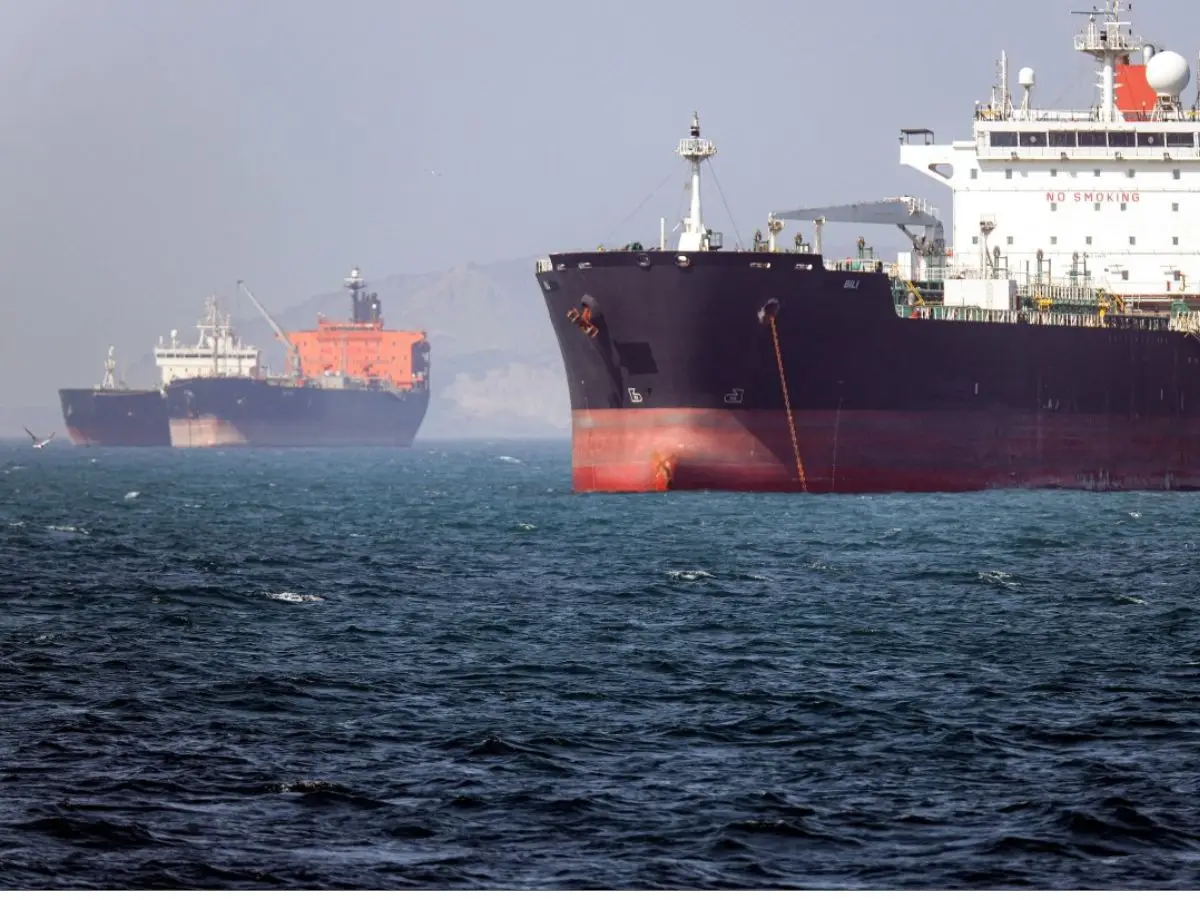
Iraq’s Hormuz oil exports crash to 10 million barrels from 93 million as Gulf tensions rise Photograph: (AFP)
While speaking at his first press conference since taking office, Iraqi oil minister Basim Mohammed said Iraqi exports through the waterway had become heavily dependent on the arrival of oil tankers, many of which were avoiding the route because of soaring insurance risks.
Iraq exported just 10 million barrels of crude oil through the Strait of Hormuz in April, a steep fall from the roughly 93 million barrels it shipped monthly before the Iran war disrupted Gulf energy routes, the country’s newly appointed oil minister Basim Mohammed said at a press conference on Saturday. The sharp decline puts focus on the growing impact of the regional conflict on global energy markets. The closure of the strategic Strait of Hormuz, through which nearly a fifth of the world’s oil supply normally passes, has disrupted exports from Iraq, Saudi Arabia, Kuwait and the United Arab Emirates, while pushing oil prices sharply higher.
According to Reuters, while speaking at his first press conference since taking office, Mohammed said Iraqi exports through the waterway had become heavily dependent on the arrival of oil tankers, many of which were avoiding the route because of soaring insurance risks. “Exports through the Strait of Hormuz are low and depend on the arrival of oil tankers, which are not entering because of insurance,” he said.
Iraq turns to alternative export routes
Iraq is currently producing around 1.4 million barrels of oil per day, according to the minister. Baghdad has increasingly relied on alternative export infrastructure after crude flows through the Kirkuk–Ceyhan pipeline to Turkey resumed in March following an agreement between the federal government and the Kurdistan Regional Government. Mohammed said Iraq was now exporting 200,000 barrels per day through Turkey’s Ceyhan port and planned to more than double that volume.
Trending Stories
&imwidth=280&imheight=210&format=webp&quality=medium)
&imwidth=280&imheight=210&format=webp&quality=medium)
&imwidth=280&imheight=210&format=webp&quality=medium)
&imwidth=280&imheight=210&format=webp&quality=medium)
&imwidth=280&imheight=210&format=webp&quality=medium)
&imwidth=280&imheight=210&format=webp&quality=medium)
&imwidth=280&imheight=210&format=webp&quality=medium)
&imwidth=280&imheight=210&format=webp&quality=medium)
&imwidth=280&imheight=210&format=webp&quality=medium)
&imwidth=280&imheight=210&format=webp&quality=medium)
&imwidth=280&imheight=210&format=webp&quality=medium)
&imwidth=280&imheight=210&format=webp&quality=medium)
&imwidth=280&imheight=210&format=webp&quality=medium)
&imwidth=280&imheight=210&format=webp&quality=medium)
&imwidth=280&imheight=210&format=webp&quality=medium)
&imwidth=280&imheight=210&format=webp&quality=medium)
&imwidth=280&imheight=210&format=webp&quality=medium)
&imwidth=280&imheight=210&format=webp&quality=medium)
&imwidth=280&imheight=210&format=webp&quality=medium)
&imwidth=280&imheight=210&format=webp&quality=medium)
&imwidth=280&imheight=210&format=webp&quality=medium)
&imwidth=280&imheight=210&format=webp&quality=medium)
&imwidth=280&imheight=210&format=webp&quality=medium)
&imwidth=280&imheight=210&format=webp&quality=medium)
&imwidth=280&imheight=210&format=webp&quality=medium)
&imwidth=280&imheight=210&format=webp&quality=medium)
&im=FitAndFill=(700,400)&imwidth=280&imheight=210&format=webp&quality=medium)
&im=FitAndFill=(700,400)&imwidth=280&imheight=210&format=webp&quality=medium)
&imwidth=280&imheight=210&format=webp&quality=medium)
&imwidth=280&imheight=210&format=webp&quality=medium)
&imwidth=280&imheight=210&format=webp&quality=medium)
&imwidth=280&imheight=210&format=webp&quality=medium)
&imwidth=280&imheight=210&format=webp&quality=medium)
“We export 200,000 barrels through Ceyhan port, and we have a plan to increase it to 500,000 barrels,” he said, quoted Reuters.
Baghdad is also negotiating a broader energy cooperation agreement with Ankara that would extend beyond crude exports to include upstream and downstream oil and gas projects.
Push for higher output and OPEC talks
The Iraqi government is simultaneously seeking investment from major US energy firms including Chevron, ExxonMobil and Halliburton to develop domestic oil and gas projects. Mohammed said Iraq was also in dialogue with OPEC over raising the country’s production and export ceiling, with Baghdad aiming to expand its production capacity to five million barrels per day.
“We have a dialogue with OPEC to increase Iraq’s export capacity,” he said, adding that higher exports would generate “significant financial revenues for Iraq”.
The Strait of Hormuz crisis has also become a major diplomatic issue for Washington and Beijing. Returning from a two-day visit to China on Friday, US President Donald Trump said Chinese President Xi Jinping had agreed that Tehran must reopen the strategic waterway. Trump also said he was considering whether to lift US sanctions on Chinese companies purchasing Iranian oil. China remains the largest buyer of Iranian crude despite existing sanctions.