

&imwidth=800&imheight=600&format=webp&quality=medium "Iranian FM holds talks with European leaders but Trump says 'they want to speak to us' | Here's what we know about Iran-US nuclear talks amid war")
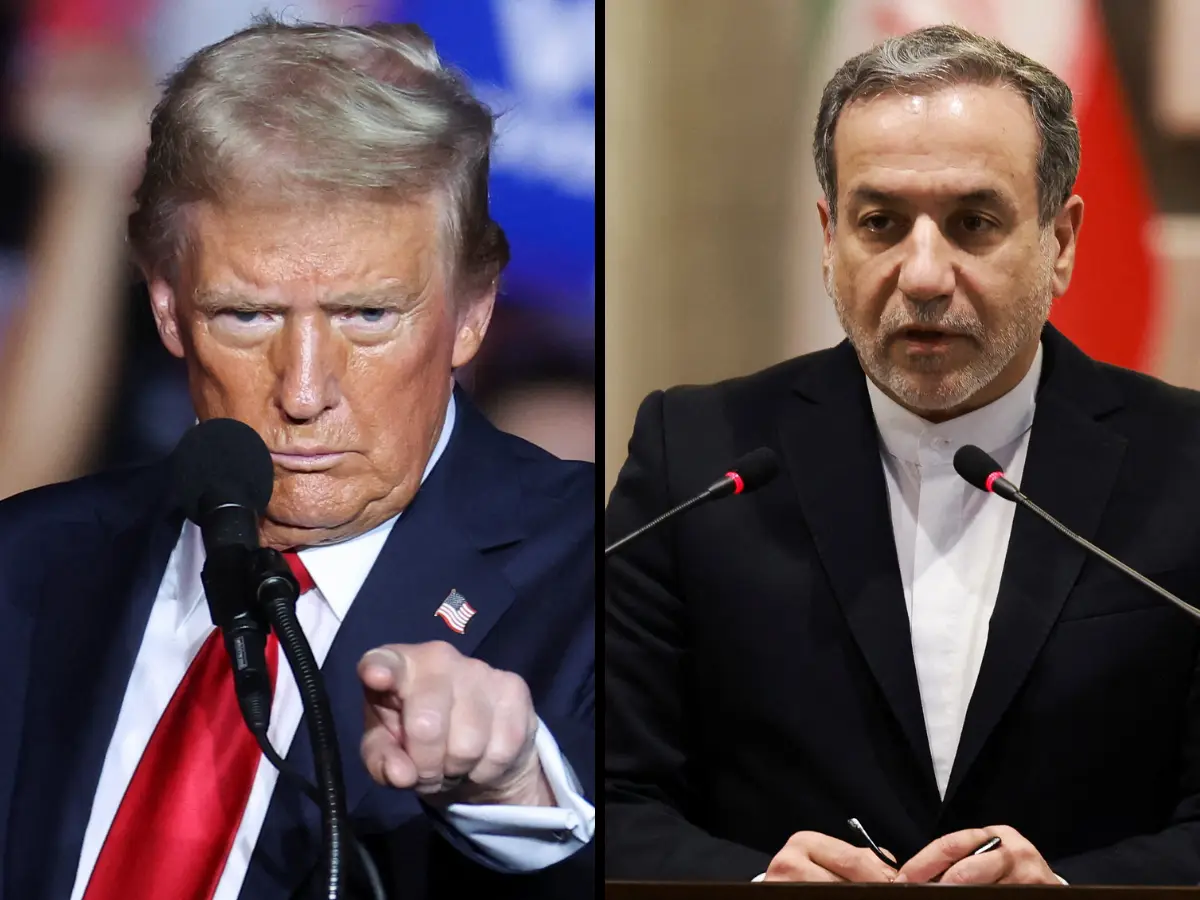
Iran’s Foreign Minister Abbas Araghchi held talks with European foreign ministers in Geneva in an attempt to prevent an escalation in the country’s conflict with Israel, after United States President Donald Trump said he would decide within two weeks whether to join the assault on Tehran. Abbas Araghchi met diplomats, including French Foreign Minister Jean-Noel Barrot, British Foreign Secretary David Lammy, German Foreign Minister Johann Wadephul, and European Union foreign policy chief Kaja Kallas on Friday.
After the meeting, Araghchi told reporters that Iran was “prepared” to meet with the European officials again, calling Friday’s talks a “serious, respectful” discussion. But he also expressed “grave concern” about the failure of European countries to condemn Israel’s attacks on Iran. “Iran is ready to consider diplomacy once again – once the aggression is stopped and the aggressor is held accountable for the crimes committed,” Araghchi said. Iran had earlier said that it would not discuss the future of its nuclear programme while under attack by Israel, as Europe tried to coax Tehran back into negotiations.
French Foreign Minister Jean-Noel Barron on behalf of European leaders said, “The Iranian Foreign Minister has expressed his willingness to continue discussions on the nuclear programme and more broadly on all issues, and we expect Iran to commit to the discussion, including with the United States, to reach a negotiated settlement."
Phone call between Macron and Iranian president Pezeshkian
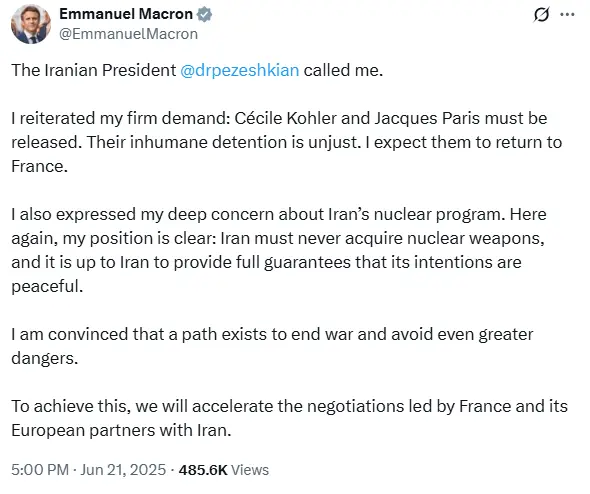
Meanwhile, French President Emmanuel Macron said on Saturday that France and its European partners would ramp up talks with Iran. "I am convinced that there is a way out of war and to avoid even greater dangers," Macron said on X after holding phone talks with Iranian President Masoud Pezeshkian. “To achieve this, we will step up the negotiations initiated by France and its European partners with Iran.”
Speaking about the call, Iran's President Masoud Pezeshkian said that his country's response to continued Israeli "aggression" will be "more devastating" in the coming days. He also said that his country will not halt nuclear activity "under any circumstances."
Trending Stories
&im=FitAndFill=(700,400)&imwidth=180&imheight=135&format=webp&quality=medium)
What is the real meaning behind Pete Hegseth's tattoos?
&imwidth=180&imheight=135&format=webp&quality=medium)
UK navy hit by espionage scandal: Sailor accused of spying for Russia | Gravitas
&imwidth=180&imheight=135&format=webp&quality=medium)
Katie Zacharia likely to succeed Karoline Leavitt as Trump's White House press secretary
&imwidth=180&imheight=135&format=webp&quality=medium)
‘Never-ending flow of cheap labour’: JD Vance hits back at Indian-origin Congresswoman over US green card curbs for major tech companies
&imwidth=180&imheight=135&format=webp&quality=medium)
Trump's naked 23-karat gold statue unveiled near European Parliament
&imwidth=180&imheight=135&format=webp&quality=medium)
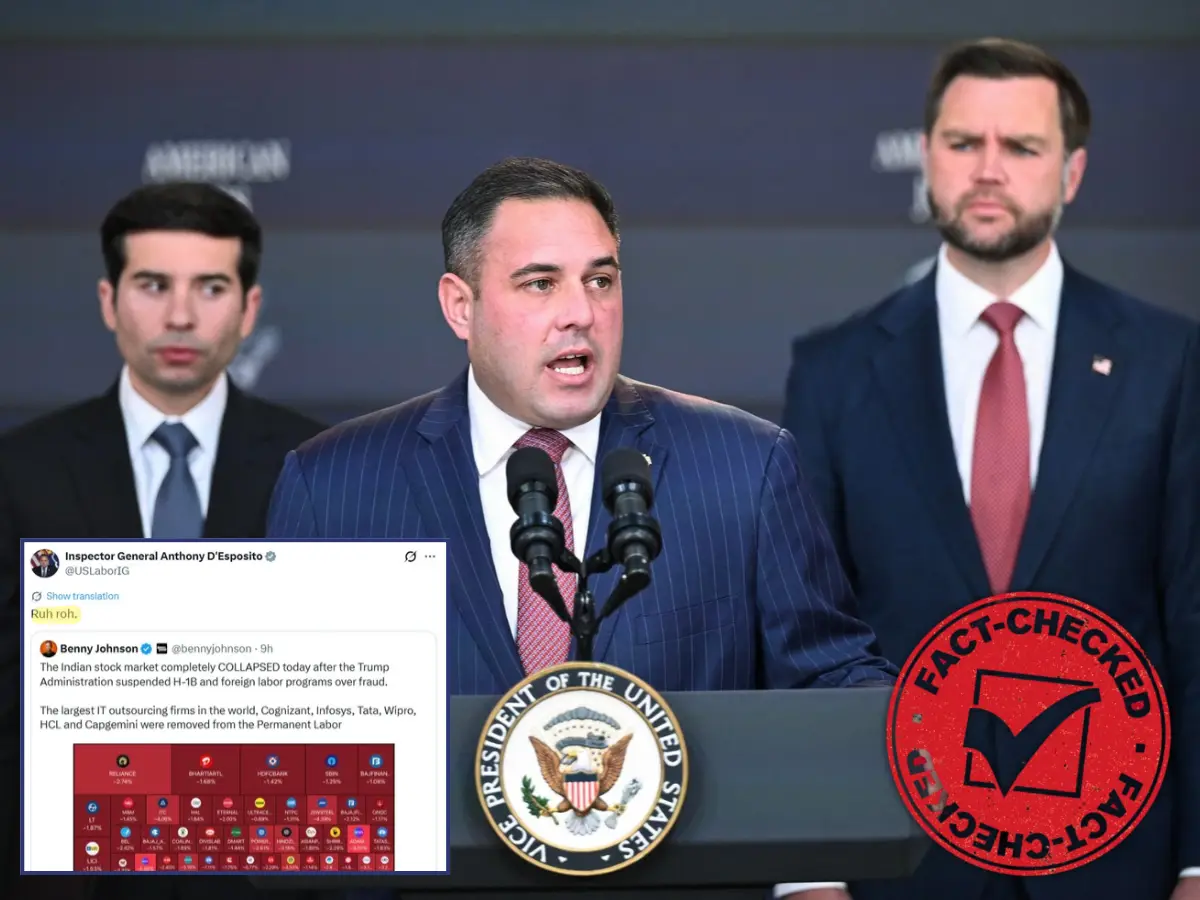
‘Ruh Roh’: Top US official mocks ‘Indian market collapse’ claim after Trump’s IT curbs. But did it? | FACT CHECK
&imwidth=180&imheight=135&format=webp&quality=medium)
Nigeria govt rolls out 30-day NNPC petrol discount, insists it is not a subsidy
&imwidth=180&imheight=135&format=webp&quality=medium)
JK Rowling announces two new 'Harry Potter' books
&im=FitAndFill=(700,400)&imwidth=180&imheight=135&format=webp&quality=medium)
Fastest-growing Asian economies in 2026: Who tops the chart? Where does India rank?
&imwidth=180&imheight=135&format=webp&quality=medium)
Houthis continue direct hits on Saudi targets, Türkiye and Pakistan missing in action | Gravitas
&imwidth=180&imheight=135&format=webp&quality=medium)
'Do not stop it altogether': SC asks Centre to review Delhi Metro curbs ahead of Oct 10 protests
&imwidth=180&imheight=135&format=webp&quality=medium)
Prince Harry opens up about loss, depression, and recovery: 'I felt guilty being happy'
&imwidth=180&imheight=135&format=webp&quality=medium)
Jewar airport in Noida to be renamed Narendra Modi International Airport: CM Yogi
&imwidth=180&imheight=135&format=webp&quality=medium)
Russia president Putin promises to 'do everything' to help settle Middle East conflict as US-Iran negotiations stall
&imwidth=180&imheight=135&format=webp&quality=medium)
Powerful 7.7 magnitude earthquake strikes Panama, tsunami warning issued
&imwidth=180&imheight=135&format=webp&quality=medium)
BTS agency HYBE announces first-ever Weverse Con Festival in India
&imwidth=180&imheight=135&format=webp&quality=medium)
South Africa High Commissioner Anil Sooklal speaks to WION, calls Pillay an inspiration
&imwidth=180&imheight=135&format=webp&quality=medium)
Trump has a new 'enemy': Anyone who calls it 'artificial intelligence'. Here's what we wants instead
&im=FitAndFill=(700,400)&imwidth=180&imheight=135&format=webp&quality=medium)
New Friday OTT releases (October 9, 2026): Reporting Live, Animals, Take Charge of My Heart- 6 new titles coming on Netflix, JioHotstar and more
&imwidth=180&imheight=135&format=webp&quality=medium)
BTS' RM urges Peru fans not to gather outside hotel: 'We can't sleep', It's becoming a nuisance'
&imwidth=180&imheight=135&format=webp&quality=medium)
Is Trump playing a double game with Iran?
&imwidth=180&imheight=135&format=webp&quality=medium)
Pakistan denies reports of PAF jets being used in attacks against Iran-backed Houthis in Yemen
&imwidth=180&imheight=135&format=webp&quality=medium)
New York ICE shooting sparks protests as Mamdani to call on Trump to halt ICE operations
&imwidth=180&imheight=135&format=webp&quality=medium)
IND vs WI: West Indies set record for highest successful run chase in T20Is against India
&imwidth=180&imheight=135&format=webp&quality=medium)
Fact check | Is Sydney Sweeney considering conversion to Judaism?
&imwidth=180&imheight=135&format=webp&quality=medium)
French students light European bonfire, protests erupt in Belgium, Italy & Greece | Gravitas
&im=FitAndFill=(700,400)&imwidth=180&imheight=135&format=webp&quality=medium)
Food shortages, suicide attempts and more: USS Abraham Lincoln returns to US after 321 day deployment supporting war on Iran — The whole row explained
&imwidth=180&imheight=135&format=webp&quality=medium)
OpenAI shuts down Russian, Iranian influence operations using ChatGPT to spread propaganda
&imwidth=180&imheight=135&format=webp&quality=medium)
SC questions closure of 57 Delhi Metro stations, asks Centre to resume services in regulated manner
&im=FitAndFill=(700,400)&imwidth=180&imheight=135&format=webp&quality=medium)
435 House seats, 35 Senate races: The numbers behind US midterms 2026
&imwidth=180&imheight=135&format=webp&quality=medium)
Bangladesh named as Pakistan’s replacement for Asian Hockey Champions Trophy
&imwidth=180&imheight=135&format=webp&quality=medium)
‘We will end ICC’: US sanctions International court, threatens to cripple hours after Navi Pillay wins Nobel Peace Prize
&imwidth=180&imheight=135&format=webp&quality=medium)
US midterm elections 2026: What a blue wave or blue tsunami could mean for Trump
&imwidth=180&imheight=135&format=webp&quality=medium)
SC asks Centre to frame mechanism against unethical pharma marketing practices
&imwidth=180&imheight=135&format=webp&quality=medium)
Man prays to Satan at an Iowa city council, pastor rushes to 'reverse the curse'
&imwidth=180&imheight=135&format=webp&quality=medium)
Trump honours Microsoft CEO Satya Nadella with top technology honour amid immigration scrutiny
&imwidth=180&imheight=135&format=webp&quality=medium)
Sri Lankan Tamil worker gets death sentence in Saudi Arabia over blasphemy, calls for pardon intensify
&imwidth=180&imheight=135&format=webp&quality=medium)
‘Real boss of India’: Elon Musk escalates attack over Starlink’s India entry
‘Iran wants to speak to us, not Europe’: Trump
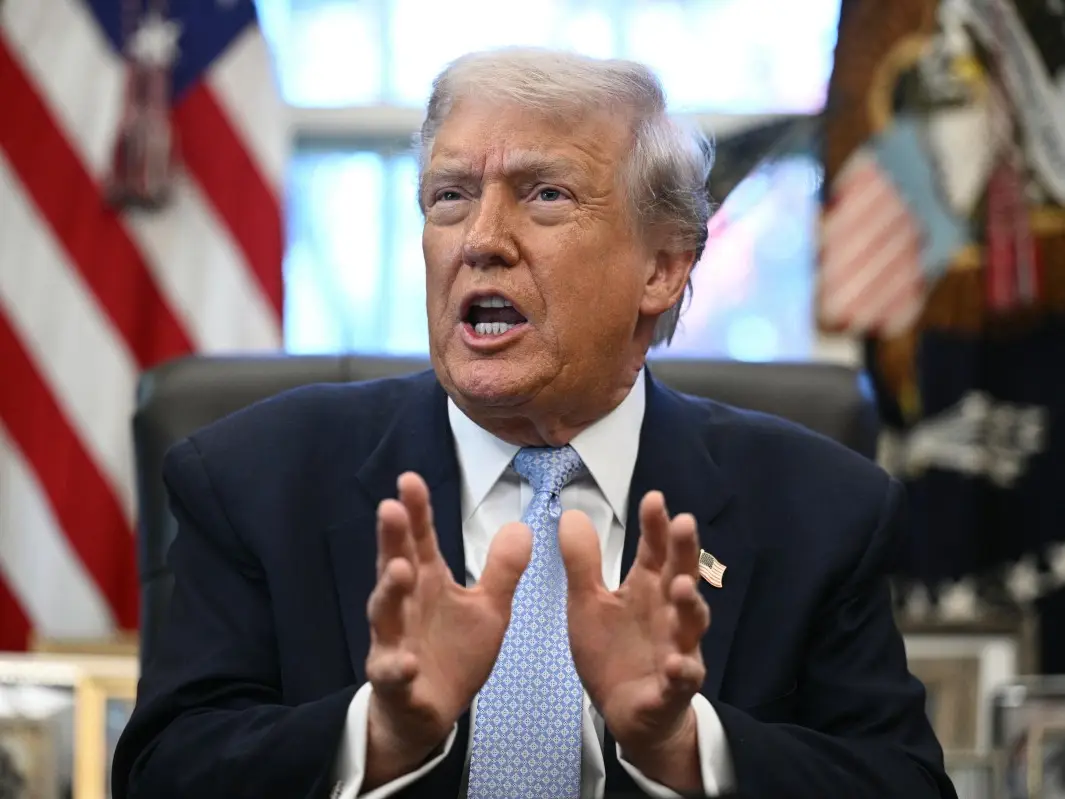
However, US President Donald Trump dismissed a European diplomatic initiative aimed at de-escalating the conflict between Israel and Iran, asserting that Tehran prefers direct talks with Washington instead of engaging with European powers. "Iran didn't want to speak to Europe, they want to speak to us," Trump told reporters. He also acknowledged the limited influence the US has over Israel's military campaign, stating, "Israel is doing well in terms of war, and I think you would have to say Iran is doing less well. It's a little hard to get someone to stop."
Earlier, Trump's White House Press Secretary announced that he will decide in two weeks if the US will enter the war between Israel and Iran. "Based on the fact that there's a substantial chance of negotiations that may or may not take place with Iran in the near future, I will make my decision whether or not to go within the next two weeks," Trump said in the statement read out by Leavitt.

