
&imwidth=800&imheight=600&format=webp&quality=medium "Iran to introduce new navigation law amid Strait of Hormuz blockade: What is it?")
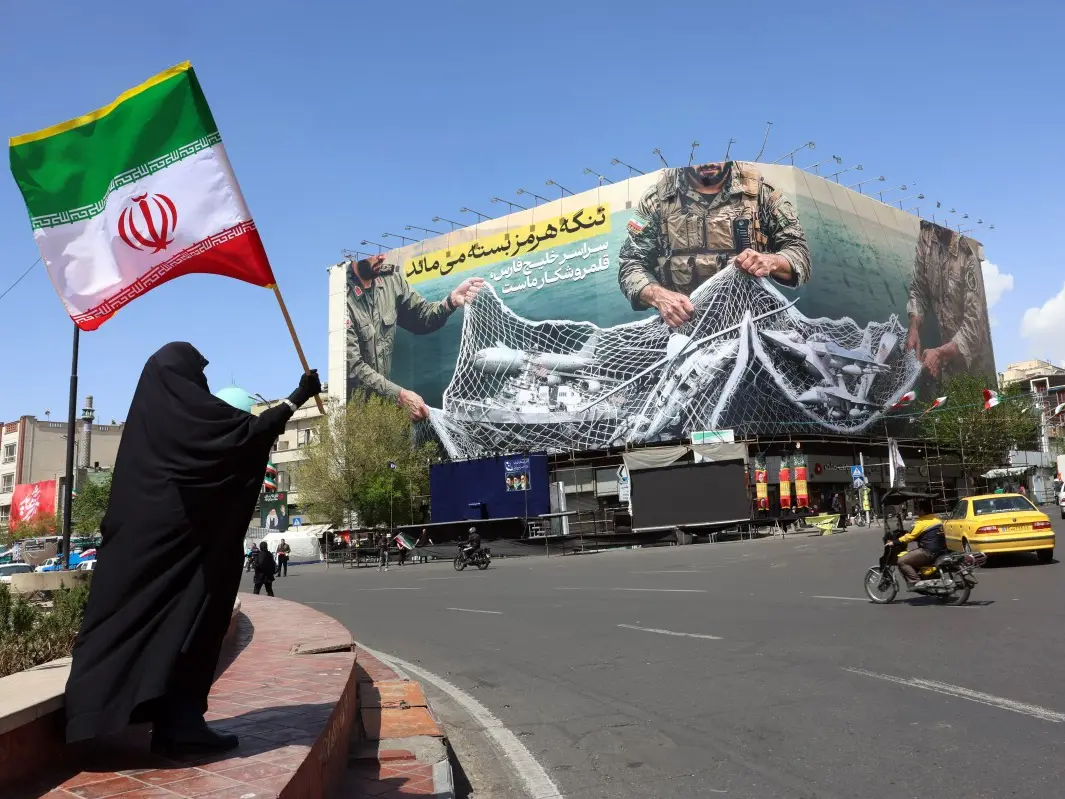
Iran is planning to introduce a new navigation and passage law for ships using the Strait of Hormuz amid ongoing tensions with the US and the ongoing blockage. The legislation is expected to be formally adopted once the Iranian parliament resumes sessions, according to Alaeddin Boroujerdi, a member of the National Security and Foreign Policy Committee. Officials describe the law as “Strait of Hormuz Security Plan,” and it has reportedly undergone multiple legal and international reviews. Boroujerdi said that once passed, it will become binding law and will be forwarded to the government for enforcement, setting new rules for maritime passage through the critical shipping route.
What is the law?
According to Boroujerdi, Iran is planning to introduce a new fee and payment system for vessels passing through the strait, with the Central Bank of Iran already opening accounts in multiple currencies including the rial, yuan, US dollar, and euro. He said that in the future, payments will be mandated in Iranian rials through a digital currency infrastructure. "Many meetings were held to consider the legal and international aspects of the Strait of Hormuz Security Plan. This plan will be adopted as a binding law immediately after the opening of parliament and sent to the government for implementation," TASS quoted him as saying.

What we know about Iran-US deal?
Hopes of reviving peace efforts receded as Iranian Foreign Minister Abbas Araghchi visited Islamabad, Pakistan, in what marked his third visit in 48 hours. Araghchi first arrived on April 24, for meetings with Prime Minister Shehbaz Sharif, Foreign Minister Ishaq Dar, and Army Chief Asim Munir. He briefly left for Oman before returning on April 26, for a second round of talks before heading to Moscow. After meeting Russian President Vladimir Putin, he has again returned to Pakistan. During this phase, Iran has reportedly given a new proposal to reopen the Strait of Hormuz and end the war.
Trending Stories
)
How does the loss of forests affect the way wildlife lives and moves?
)
Why does your skin need protection from UV rays?
)
Osama Bin Laden ‘planned’ to target India, CIA reveals dozens of declassified documents
)
Top 5 places to visit in Goa beyond its famous beaches
&im=FitAndFill=(700,400))
Why Chinese PL-15 air-to-air missiles use dual-pulse motors compared to European interceptors
)
BRICS Summit 2026: PM Modi to hold bilateral with leaders of seven countries
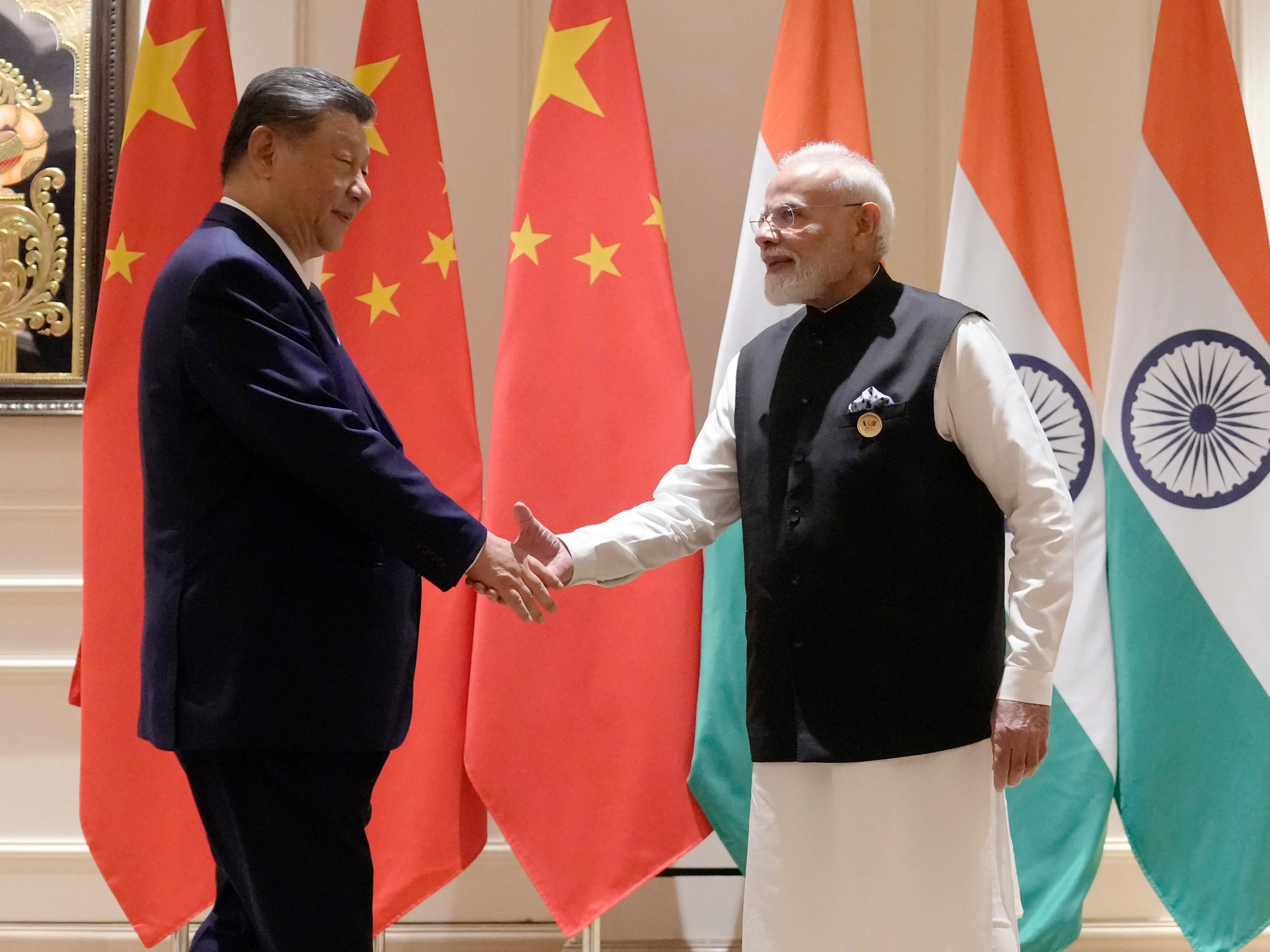)
‘Partners, not rivals’: Xi outlines four point plan for stronger India-China ties
)
BRICS Summit 2026: PM Modi, Xi reach key consensus on ties, China to assume BRICS chairmanship in 2027
)
Frustrated man demolishes his kitchen after thousands flock to see Mother Mary his wife spotted on the wall
)
'He is popular...': Malaysian PM Anwar Ibrahim's praise for PM Modi during bilateral meeting | WATCH
)
IND vs AFG, 1st T20I: When and where to watch live streaming in India?
)
Why do wild animals need quiet places to survive?
)
Why going digital does not always mean becoming more efficient
)
BRICS Summit 2026: 30+ countries seek BRICS membership
)
Why asking questions could be more important than memorising answers
)
Why does your body need time to adjust after a long journey?
)
From severe mobility problems to recovery: Madhuri the elephant’s journey of wildlife care
)
Who is the smiling man beside Modi, Putin and Xi at BRICS Summit 2026?
)
Trump says Canada eager to reach a deal, it could come ‘fairly soon’ if Ottawa treats US farmers better
)
From drones to KAAN fighters: Turkey outlines 229% surge in defence spending amid regional shifts
&im=FitAndFill=(700,400))
Why do air defence missiles explode near their target instead of hitting it?
)
PM Modi and China's Xi offered to help resolve Russia-Ukraine war: Kremlin
)
800 million years old - Scientists discover 'fingerprints' of supercontinent Gondwana in ancient rocks
)
Why dehydration is the hidden cause of travel fatigue on long flights
)
BRICS Summit 2026: Iran's Pezeshkian praises PM Modi at BRICS
)
Did Iran President Pezeshkian touch feet of Hindu spiritual leader at Delhi event as shown in viral video?
)
Could staying indoors all day affect your health?
)
From India, Putin warns Europe against sending troops to Ukraine, Zelensky expresses willingness to meet him at G20 Summit
)
BRICS Summit 2026: Global leaders of BRICS nations attend main open session
)
Ramanathaswamy temple takes centre stage as PM Modi welcomes world leaders at BRICS
)
BRICS rejects EU carbon tax as ‘punitive’, ‘discriminatory’; warns of burden on Global South
)
Baba Vanga's first prophecy for 2027 is out, and straight out of science fiction
)
Humans may lose control of AI: Anthropic CEO calls for slowdown, Altman, Musk back him
)
9-year-old Chennai prodigy clears Cambridge IGCSE grade 10 exams
)
BRICS Summit day 1: New Delhi declaration adopted with full consensus, big diplomatic win for India
It is reportedly a three stage proposal. The first stage demands a total end to the war, specifically hostilities on Hezbollah in Lebanon. The second stage focuses on lifting the US naval blockade of Iranian ports and restoring maritime traffic through the Strait of Hormuz. The third stage is on contentious negotiations regarding Iran's nuclear program are postponed. This will be initiated only after the ceasefire is established and the Strait is reopened.
An Axios report stated that Trump is expected to hold a Situation Room meeting with his top national security and foreign policy team as the US received the proposal. Earlier on Apr 26, Trump scrapped the visit of envoys Steve Witkoff and Jared Kushner to Islamabad and said that Iran could telephone if it wants to negotiate, while he stressed that it can never have a nuclear weapon. Tehran has pulled back from the second round of negotiations in Pakistan stating excessive demands by the US and demanded that talks are only possible if obstacles, including its blockade of Iranian ports are removed.
Also Read: 'Only three days left': Trump claims Iranian pipelines will explode from within if deal not reached
Trump's threat to Iran
Meanwhile, Trump on Sunday (Apr 26) threatened Iran again claiming that the country has just three days to agree to a deal to end the war, or its oil pipelines will “explode from within." Similar claims were made by US Treasury Secretary Scott Bessent. He claimed that the crude oil industry in Iran is beginning to shut down its production due to the US blockade restricting exports. "Pumping will soon collapse. Gasoline shortages in Iran next!" Bessent said. "Surviving IRGC leaders are trapped like drowning rats in a sewage pipe," he added.

