Iran sends new proposal to end war with US; Trump to review it: What are the conditions?

&imwidth=600&imheight=450&format=webp&quality=medium "Iran sends new proposal to end war with US; Trump to review it: What are the conditions?")
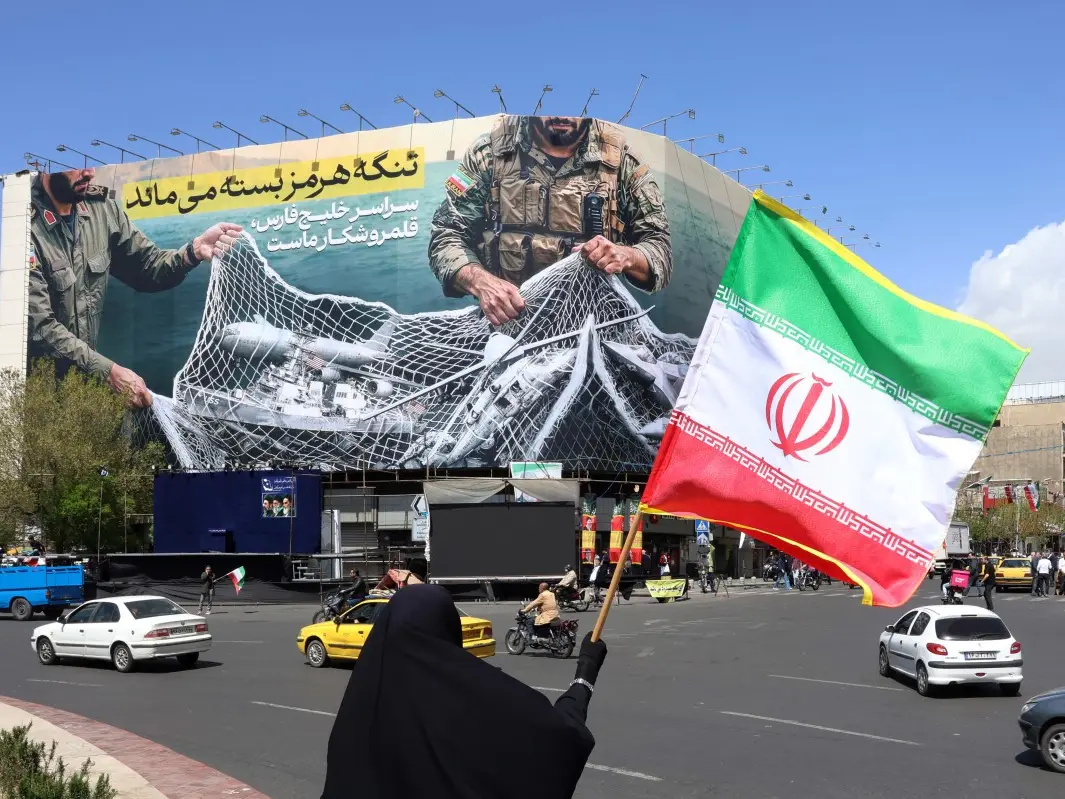
Iran and US war is on hold after Trump extended ceasefire but Strait of Hormuz tension continues Photograph: (AFP)
Iran has reportedly proposed reopening the Strait of Hormuz and ending the conflict first, delaying nuclear talks. The US is reviewing the plan amid stalled negotiations. Trump plans a Situation Room meeting as tensions continue over enrichment demands and oil blockade strategy.
Iran has reportedly given a new proposal to reopen the Strait of Hormuz and end the war, but has proposed to delay the nuclear negotiations. An Axios report stated that Trump is expected to hold a Situation Room meeting with his top national security and foreign policy team as the US received the proposal. This comes after Iranian Foreign Minister Abbas Araghchi visited Pakistan but Iran said that "no meetings with US officials" had been included on the diplomat's agenda during the visit. Earlier on Apr 26, Trump scrapped the visit of envoys Steve Witkoff and Jared Kushner to Islamabad and said that Iran could telephone if it wants to negotiate, while he stressed that it can never have a nuclear weapon. Tehran has pulled back from the second round of negotiations in Pakistan stating excessive demands by the US and demanded that talks are only possible if obstacles, including its blockade of Iranian ports are removed. Hopes of reviving peace efforts receded as Iranian Foreign Minister shuttled to and from mediators Pakistan and Oman on Sunday before heading to Russia, where he is due to meet President Vladimir Putin.
Also Read: Trump finally admits there's no endgame to Iran war: 'Four to five weeks' is now 'no time frame'
What Axios report said?
Quoting a US official and two sources with knowledge, Axios report stated that Iran's new proposal is about reopening of the Strait of Hormuz and end the war. However, the Islamic Republic has proposed through Pakistani mediators that the nuclear negotiations must be delayed for a later stage. The report also said that Trump's team would discuss the stalemate in the negotiations and potential next steps. It said that Trump's war objectives now are to convince Tehran to suspend enrichment and remove Iran's stockpile of enriched uranium.
However, there is no official word on this. "These are sensitive diplomatic discussions and the U.S. will not negotiate through the press. As the president has said, the United States holds the cards and will only make a deal that puts the American people first, never allowing Iran to have a nuclear weapon," White House spokesperson Olivia Wales told Axios.
Trending Stories
)
)
)
)
)
)
)
&im=FitAndFill=(700,400))
)
)
)
)
)
)
)
&im=FitAndFill=(700,400))
)
)
)
)
)
&im=FitAndFill=(700,400))
)
)
)
)
)
)
)
)
)
)
)
)
)
)
)
)
What is the three-staged deal?
Stage 1: The first stage demands a total end to the war, specifically hostilities on Hezbollah in Lebanon.
Stage 2: The second stage focuses on lifting the US naval blockade of Iranian ports and restoring maritime traffic through the Strait of Hormuz
Stage 3: Contentious negotiations regarding Iran's nuclear program are postponed for the final stage, to be initiated only after the ceasefire is established and the Strait is reopened.
What had Trump said earlier?
Trump had said, “If they want to talk, they can come to us, or they can call us. You know, there is a telephone. We have nice, secure lines. They know what has to be in the agreement. It's very simple: They cannot have a nuclear weapon, otherwise there's no reason to meet.” With his approval ratings falling, Trump faces domestic pressure to end the unpopular war. Iranian President Masoud Pezeshkian told Pakistani Prime Minister Shehbaz Sharif by phone on Saturday that Tehran would not enter "imposed negotiations" under threats or blockade.

