Iran’s AI breakthrough amid war: New indigenous system boosts oil recovery by 59% | Gravitas

&imwidth=600&imheight=450&format=webp&quality=medium "Iran’s AI breakthrough amid war: New indigenous system boosts oil recovery by 59% | Gravitas")
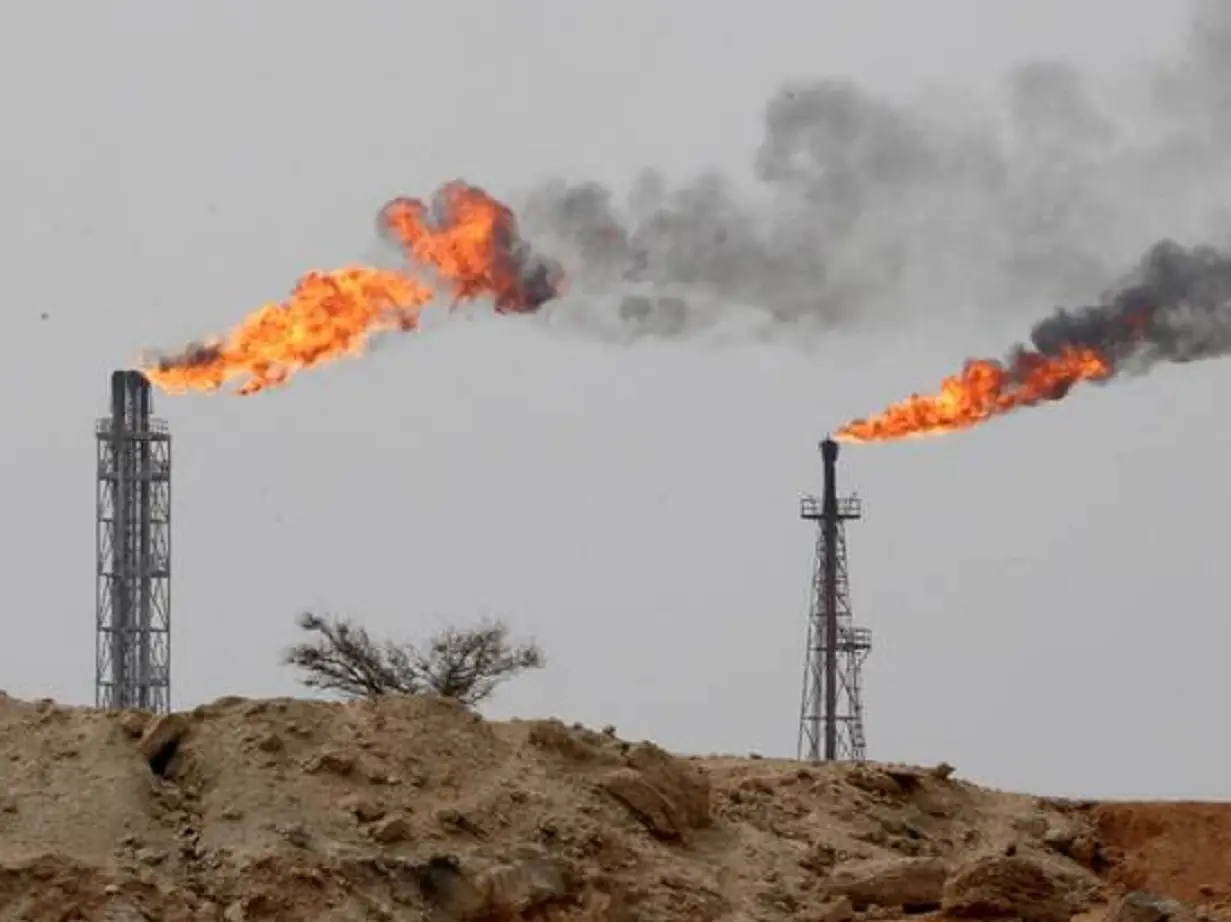
AI has also reportedly helped in increasing the production at the Sepehr oil field from 6,500 to 65,000 barrels per day. Photograph: (AFP)
While the US sought to dent a blow to Iran’s oil exports with its naval blockade, it has achieved limited success. Shipping data indicated that Iranian oil exports fell to their lowest level in at least six years in May. But the ceasefire eased pressure on Tehran.
The West Asia war triggered a global energy crisis with disruptions in the Strait of Hormuz. While US and Israel claimed to have dealt a big blow to Iran with their strikes, the country’s oil and gas industry remains resilient, using artificial intelligence to boost output.
According to Iranian state media, researchers have developed an indigenous, smart production management system.
It integrates wells, pipelines and surface processing facilities and adjusts operating conditions to maximise efficiency.
According to the researchers, this can increase oil recovery in surface storage facilities by up to 59% over a 20-year production period besides reducing maintenance costs.
At the heart of this project is a device that operates automatically without human intervention.
This is not all.
Trending Stories
)
)
)
)
)
)
)
)
)
)
)
)
)
)
)
)
)
)
)
)
)
)
)
&im=FitAndFill=(700,400))
)
)
)
)
)
&im=FitAndFill=(700,400))
)
)
)
)
)
According to reports, AI has been integrated in the country’s well, reservoir and topside management centre.
By utilising machine learning and advanced data analytics, AI is helping optimise operations.
For instance, data showed an increase in twelve thousand five hundred barrels per day in seven wells due to optimised operations.
AI has also reportedly helped in increasing the production at the Sepehr oil field from 6,500 to 65,000 barrels per day.
Why are these developments so crucial?
The oil industry is a key driver of Iran’s economy.
While U.S. sought to dent a blow to Iran’s oil exports with its naval blockade, it has achieved limited success.
While shipping data indicated that Iranian oil exports fell to their lowest level in at least six years in May.
The ceasefire eased pressure on Tehran.
Additionally, Iran’s dominance over Strait of Hormuz remains its key leverage point during ongoing negotiations with U.S.
For instance, it has stressed that this strategic waterway will never return to its pre-war state.
It is also pushing Oman to exercise more control over transit routes in Hormuz.
Now, data depicts a story in itself.
According to Iranian oil minister Mohsen Paknejad, Iran sold oil worth 11.5 billion U.S. dollars during the war.
After signing an MOU with U.S, the country sold additional oil worth 6.5 billion U.S. dollars.
Lower risks to tanker traffic and removal of U.S. sanctions during this phase enabled the sale of around 100 million barrels of stored crude oil.
The minister also added that the sales generated over 60% of the oil revenue forecast in Iran’s annual budget.
Global trade, energy and supply chains remain at risk, though, as tanker traffic in Hormuz is virtually at a standstill.
According to Kpler data, only eight ships passed through this strait on Tuesday.