Iran official shares the exact day when Strait of Hormuz may reopen. Know here

&imwidth=600&imheight=450&format=webp&quality=medium "Iran official shares the exact day when Strait of Hormuz may reopen. Know here")
File image of Strait of Hormuz Photograph: (AFP)
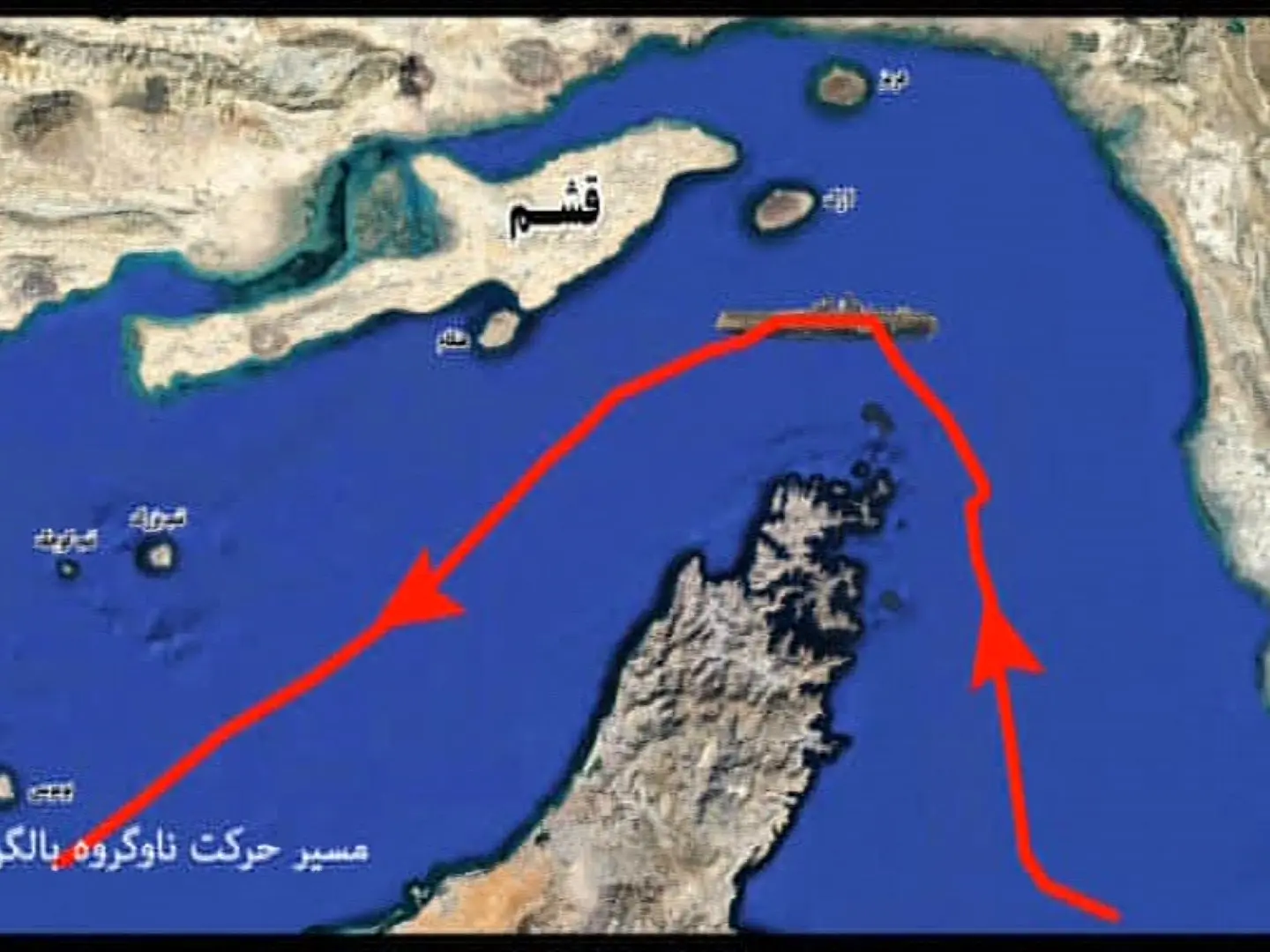
Iran may reopen the Strait of Hormuz under strict military coordination following a fragile ceasefire. These managed transits precede critical US-Iran talks in Pakistan aimed at securing a lasting diplomatic breakthrough.
Iran could allow a limited reopening of the strategically vital Strait of Hormuz as early as Thursday or Friday, a senior Iranian official told Reuters on Wednesday (April 8), signalling a cautious de-escalation ahead of planned talks with the US in Pakistan.
According to the official, any reopening of the key oil transit route would be tightly managed by Tehran. “If an understanding on a framework for talks is reached, the strait could be opened in a limited way under Iran’s control,” the source said, adding that all vessels would be required to coordinate with Iranian military authorities before transiting.
The official warned that the ceasefire remains fragile despite the apparent easing of tensions. “We prefer lasting peace but Iran has no fear to return to war if the US wants to go the same way,” the official told Reuters.
The development follows a last-minute agreement between Tehran and Washington on a two-week ceasefire, reached barely an hour before US President Donald Trump’s deadline to strike Iran’s power plants and bridges expired. Both sides have since claimed victory, although Iranian officials have stressed that the conflict cannot be considered over until formal terms are negotiated. Talks between the two sides are expected to take place in Pakistan on Friday, raising hopes of a more durable diplomatic breakthrough.
As part of the ceasefire arrangement, Iran agreed to permit safe passage through the Strait of Hormuz, a critical global shipping lane that had been effectively blocked for weeks. The disruption had driven up global energy prices and heightened concerns over supply stability.
Trending Stories
&imwidth=280&imheight=210&format=webp&quality=medium)
&imwidth=280&imheight=210&format=webp&quality=medium)
&imwidth=280&imheight=210&format=webp&quality=medium)
&imwidth=280&imheight=210&format=webp&quality=medium)
&imwidth=280&imheight=210&format=webp&quality=medium)
&imwidth=280&imheight=210&format=webp&quality=medium)
&imwidth=280&imheight=210&format=webp&quality=medium)
&imwidth=280&imheight=210&format=webp&quality=medium)
&im=FitAndFill=(700,400)&imwidth=280&imheight=210&format=webp&quality=medium)
&imwidth=280&imheight=210&format=webp&quality=medium)
&imwidth=280&imheight=210&format=webp&quality=medium)
&imwidth=280&imheight=210&format=webp&quality=medium)
&imwidth=280&imheight=210&format=webp&quality=medium)
&imwidth=280&imheight=210&format=webp&quality=medium)
&imwidth=280&imheight=210&format=webp&quality=medium)
&imwidth=280&imheight=210&format=webp&quality=medium)
&imwidth=280&imheight=210&format=webp&quality=medium)
&imwidth=280&imheight=210&format=webp&quality=medium)
&im=FitAndFill=(700,400)&imwidth=280&imheight=210&format=webp&quality=medium)
&imwidth=280&imheight=210&format=webp&quality=medium)
&imwidth=280&imheight=210&format=webp&quality=medium)
&imwidth=280&imheight=210&format=webp&quality=medium)
&imwidth=280&imheight=210&format=webp&quality=medium)
&imwidth=280&imheight=210&format=webp&quality=medium)
&imwidth=280&imheight=210&format=webp&quality=medium)
&imwidth=280&imheight=210&format=webp&quality=medium)
&im=FitAndFill=(700,400)&imwidth=280&imheight=210&format=webp&quality=medium)
&im=FitAndFill=(700,400)&imwidth=280&imheight=210&format=webp&quality=medium)
&imwidth=280&imheight=210&format=webp&quality=medium)
&imwidth=280&imheight=210&format=webp&quality=medium)
&imwidth=280&imheight=210&format=webp&quality=medium)
&imwidth=280&imheight=210&format=webp&quality=medium)
&imwidth=280&imheight=210&format=webp&quality=medium)
&imwidth=280&imheight=210&format=webp&quality=medium)
&imwidth=280&imheight=210&format=webp&quality=medium)
Iranian Foreign Minister Abbas Araghchi confirmed that ships would be allowed to pass through the strait for the duration of the two-week truce, though he emphasised that access would remain subject to coordination with Iran’s armed forces. “There will be safe passage, but it will be possible via coordination with Iran’s Armed Forces,” Araghchi said.
Early signs of resumed maritime activity have already emerged. According to maritime monitoring service MarineTraffic, a Greek-owned bulk carrier, NJ Earth, successfully crossed the strait at 08:44 UTC on Wednesday. A Liberia-flagged vessel, Daytona Beach, had earlier transited the waterway at 06:59 UTC after departing Bandar Abbas.
“The Greek-owned bulk carrier NJ Earth crossed the Strait at 08:44 UTC, while the Liberia-flagged Daytona Beach transited earlier at 06:59 UTC, shortly after departing Bandar Abbas at 05:28 UTC,” MarineTraffic said in a post on X.
The Strait of Hormuz, one of the world’s most important chokepoints for oil shipments, remains central to the unfolding geopolitical tensions, with its status closely tied to the outcome of the upcoming negotiations.

