Inside C430L: The alleged secret Russian mission to help Iran with supersonic missiles

&imwidth=600&imheight=450&format=webp&quality=medium "Inside C430L: The alleged secret Russian mission to help Iran with supersonic missiles")
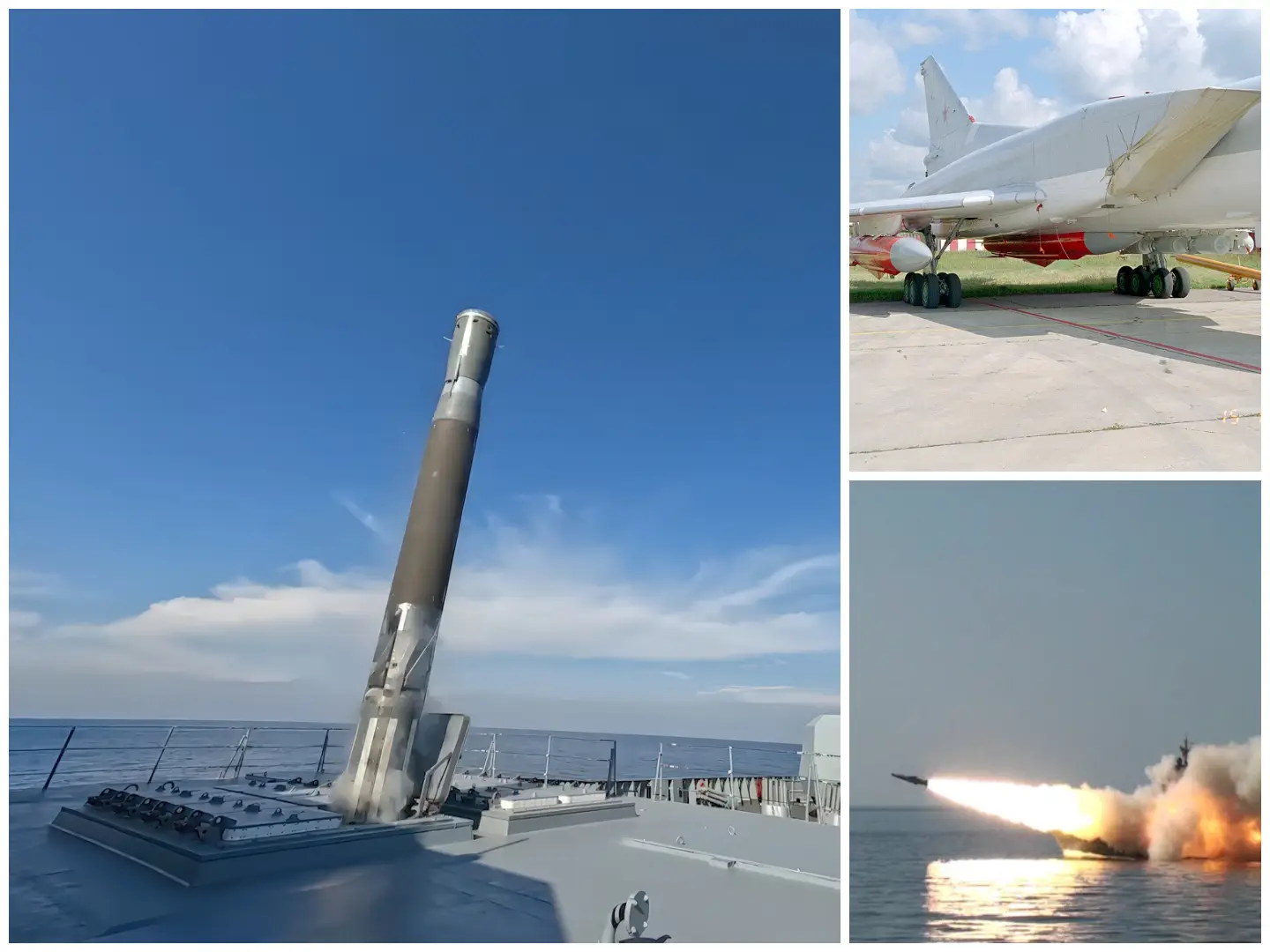
A combination photo showing missiles in Russian arsenal Photograph: (Others)
An FT investigation report has alleged that Russia secretly helped Iran develop ramjet-powered supersonic cruise missiles. The programme codenamed C430L, could give Iran the capability to target US warships, as per the report
A Financial Times report is claiming that Russia has been secretly helping Iran develop advanced supersonic cruise missiles under a programme codenamed ‘C430L’. The multiyear programme began in 2023, claimed the report, which cited leaked Russian communications, travel documents and defence patent analysis. The programme allegedly involves Russian missile specialists, technical exchanges and assistance with a ramjet propulsion system that could allow missiles to travel at several times the speed of sound, the FT investigative report published on Tuesday (Sep 1) said.
How C430L began
According to the report, the defence programme was arranged by Russia’s state arms exporter Rosoboronexport in coordination with NPO Mashinostroyenia, which is a Russian design bureau sanctioned by the US since 2014.
Russian arms-export officials and senior NPO Mashinostroyenia engineers repeatedly travelled to Iran before a formal agreement was signed with Iran’s Ministry of Defence and Armed Forces Logistics in November 2023, said the report.
Senior NPO engineers with expertise in cruise missiles and air-breathing propulsion, including a specialist in supersonic ramjet technology were involved, it claimed.
Supersonic missile for Iran? The ramjet technology
Trending Stories
&imwidth=280&imheight=210&format=webp&quality=medium)
&imwidth=280&imheight=210&format=webp&quality=medium)
&imwidth=280&imheight=210&format=webp&quality=medium)
&imwidth=280&imheight=210&format=webp&quality=medium)
&imwidth=280&imheight=210&format=webp&quality=medium)
&imwidth=280&imheight=210&format=webp&quality=medium)
&imwidth=280&imheight=210&format=webp&quality=medium)
&imwidth=280&imheight=210&format=webp&quality=medium)
&imwidth=280&imheight=210&format=webp&quality=medium)
&imwidth=280&imheight=210&format=webp&quality=medium)
&imwidth=280&imheight=210&format=webp&quality=medium)
&imwidth=280&imheight=210&format=webp&quality=medium)
&imwidth=280&imheight=210&format=webp&quality=medium)
&imwidth=280&imheight=210&format=webp&quality=medium)
&imwidth=280&imheight=210&format=webp&quality=medium)
&imwidth=280&imheight=210&format=webp&quality=medium)
&imwidth=280&imheight=210&format=webp&quality=medium)
&imwidth=280&imheight=210&format=webp&quality=medium)
&imwidth=280&imheight=210&format=webp&quality=medium)
&imwidth=280&imheight=210&format=webp&quality=medium)
&imwidth=280&imheight=210&format=webp&quality=medium)
&imwidth=280&imheight=210&format=webp&quality=medium)
&imwidth=280&imheight=210&format=webp&quality=medium)
&imwidth=280&imheight=210&format=webp&quality=medium)
&imwidth=280&imheight=210&format=webp&quality=medium)
&imwidth=280&imheight=210&format=webp&quality=medium)
&imwidth=280&imheight=210&format=webp&quality=medium)
&im=FitAndFill=(700,400)&imwidth=280&imheight=210&format=webp&quality=medium)
&imwidth=280&imheight=210&format=webp&quality=medium)
&imwidth=280&imheight=210&format=webp&quality=medium)
&imwidth=280&imheight=210&format=webp&quality=medium)
&imwidth=280&imheight=210&format=webp&quality=medium)
&imwidth=280&imheight=210&format=webp&quality=medium)
&imwidth=280&imheight=210&format=webp&quality=medium)
&imwidth=280&imheight=210&format=webp&quality=medium)
&imwidth=280&imheight=210&format=webp&quality=medium)
Ramjet engines use a technology specifically designed for supersonic speeds. A ramjet propulsion system is at the centre of the C430L programme. Unlike conventional rocket propulsion, a ramjet uses the missile’s forward speed to compress incoming air before combustion, allowing sustained high-speed flight within the atmosphere.
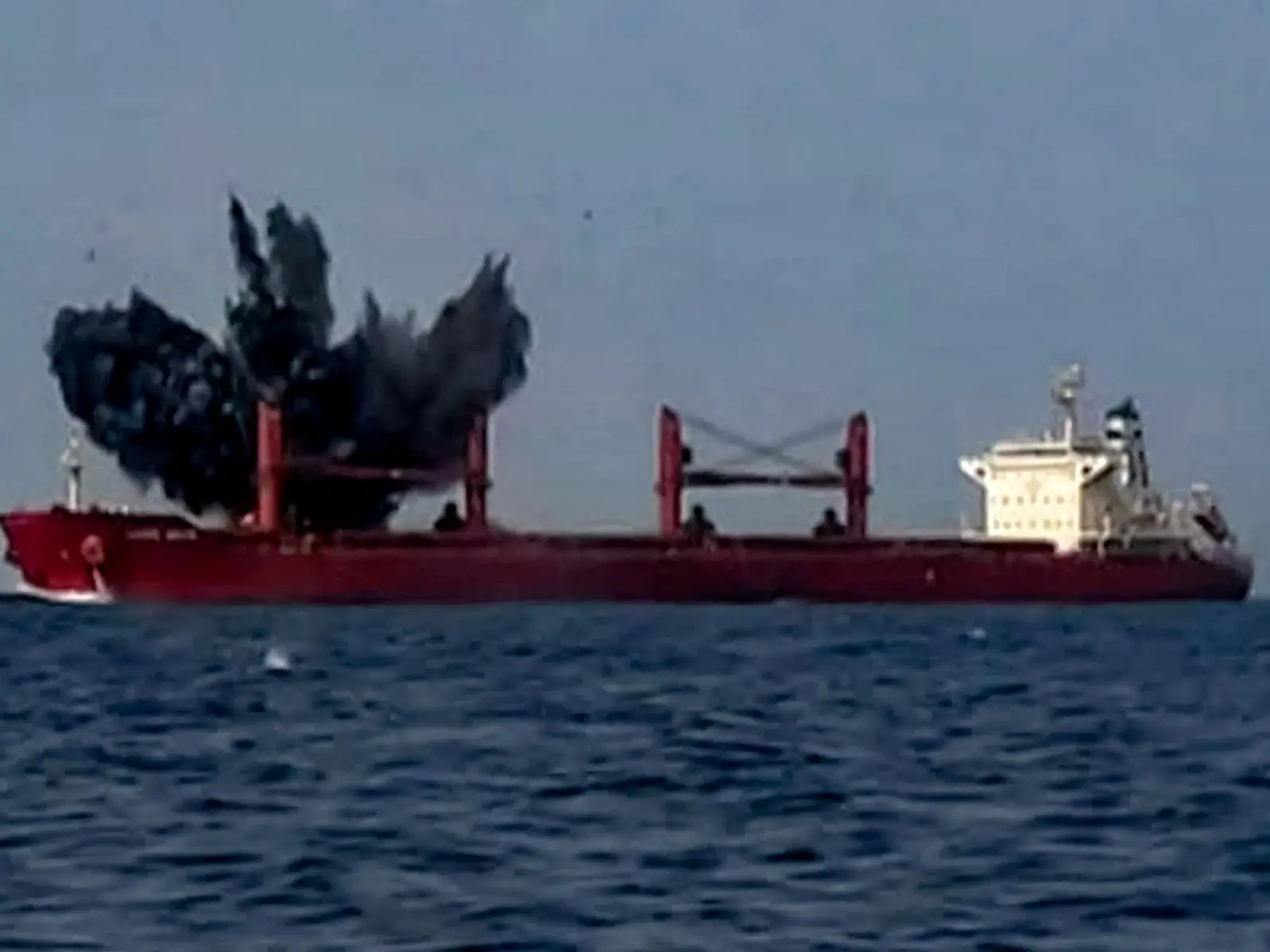
Military experts told FT this tech was almost certainly for anti-ship and land-attack cruise missiles. If developed, these weapons could threaten US aircraft carriers, warships and other military assets in the Middle East.
Ramjet tech is covted for long by Iran, which built and flight-tested it. But the FT report said there is no evidence that a fully Russian-assisted supersonic cruise missile has entered operational service.
The alleged Russian technical assistance to Iran
By 2025, the NPO received extensive Iranian technical material relating to the ramjet system.
The Russian engineers who examined data from an Iranian flight test enquired about fuel-system changes, combustion stability, air intakes and engine nozzles. The correspondence suggests Russian specialists were not simply transferring designs but were helping Iranian engineers identify technical problems and improve an already tested propulsion system, claimed the FT report. It said Rosoboronexport in 2025 proposed sending about 24 Russian specialists to Iran for technical consultations linked to Tehran’s responses to the Russian questions about the flight-test data.
C430L remained active amid US-Iran war. Russian officials were preparing technical reports for Tehran while both sides discussed a further phase of cooperation amid the US-Iran conflict this year. In June, a letter from Rosoboronexport allegedly showed negotiations continuing over elements of that next phase, but it's not clear if that has begun.
Why the ramjet technology matters for Iran
A reliable ramjet could give Iran the foundation to build several generations of high-speed cruise missiles rather than simply acquire one finished weapon. Russian expertise could be particularly valuable because ramjet development is technically difficult, FT cited Fabian Hinz of Conflict Armament Research as saying. “Getting a 60-year-old engineer to fly over and problem-solve, using their experience, is hugely valuable.”
Also read: Iran launches retaliatory strikes with missiles and drones; Trump warns of ‘much harder’ attack
Russia-Iran military partnership is growing
C430L fits into a broader pattern of Russia-Iran military cooperation. During the Ukraine war, Iran supplied Russia with drone technology, while Russia provided Iran with military and intelligence assistance during the latter's conflict with Israel and US.
Russian President Vladimir Putin hinted at the two nations' cooperation during a meeting with Iranian President Masoud Pezeshkian on the sidelines of the Shanghai Cooperation Organisation summit in Bishkek.
Putin told Pezeshkian that Moscow was “trying to give you the help you need in this difficult period” and was “supplying you with the goods you need”. He did not mention what assistance or goods, and his remarks came the same day as the FT report.
There has been no official confirmation of the C430L allegations made in the FT report. There is no concrete evidence that a Russian-assisted supersonic cruise missile is currently operational with Iran.
Disclaimer: WION takes utmost care to accurately and responsibly report ongoing conflicts in West Asia involving Israel, Iran, the US, Gulf nations, and non-state actors like Hezbollah, Hamas, Houthis, Islamic State, and others. Claims and counterclaims, disinformation and misinformation are being made online and offline. Given this context, WION cannot independently verify the authenticity of all statements, social media posts, photos, and videos.