Hawaii is moving to make 'shaka' its official gesture

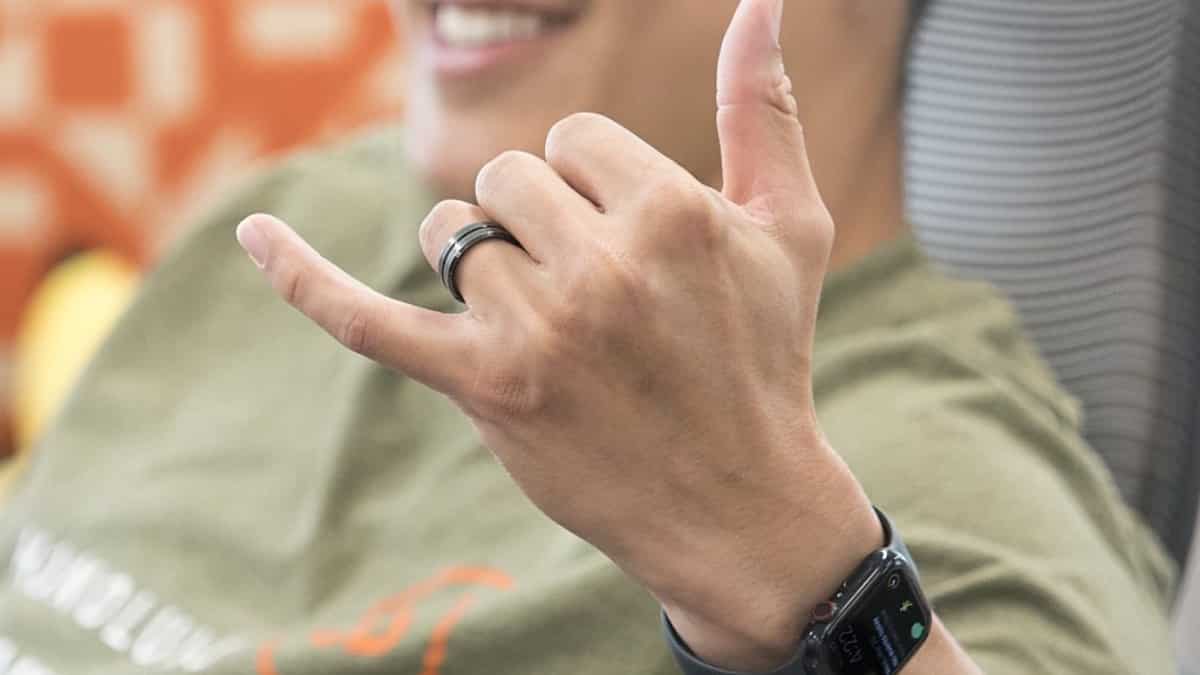
Shaka - the hand gesture
Hawaii residents have used the shaka hand gesture to convey several greetings including hello, goodbye, thank you and aloha.
The shaka, which involves extending the thumb and pinkie finger and curling the others down, is soon to become Hawaii’s official gesture.
Last week, the state lawmakers passed a bill that would recognise Hawaii as the shaka’s birthplace. While different groups in Hawaii interpret the shaka differently, the bill states that it has been used across the state for sharing aloha, fostering connection and being pono, or living rightly.

A primary sponsor of the bill, State Sen. Glenn Wakai (D), said the shaka embodies all the goodness that emanates from Hawaii.
“We’re not improving health care, we’re not getting better educational outcomes. But I do think that it’s important to capture what is special about Hawaii,” said Wakai.
&imwidth=180&imheight=135&format=webp&quality=medium)
Rahul Gandhi's plea against Election Commission delayed as Supreme Court registry flags 14 ‘defects’
&im=FitAndFill=(700,400)&imwidth=180&imheight=135&format=webp&quality=medium)
Navratri 2026: 9 days, 9 forms of Goddess Durga and 9 colours- Check the complete list
&imwidth=180&imheight=135&format=webp&quality=medium)
Korean peninsula tensions escalate as North Korea launches multiple ballistic missiles, PACOM says 'no threat to US personnel'
&imwidth=180&imheight=135&format=webp&quality=medium)
Trump weighs firing Kimberly Guilfoyle as US ambassador to Greece amid misconduct allegations: Report
&imwidth=180&imheight=135&format=webp&quality=medium)
Anti-SIR protest in Mumbai: Protestors wear black masks & ribbons in Mumbai
&imwidth=180&imheight=135&format=webp&quality=medium)
UK PM Andy Birnham renews claims of Russian meddling in Brexit vote
&imwidth=180&imheight=135&format=webp&quality=medium)
BCCI rejects venue shift reports, India vs Sri Lanka 1st ODI to remain in Delhi
&imwidth=180&imheight=135&format=webp&quality=medium)
'Absolutely disgusting': Australia slams US plan to livestream Nidal Hasan's execution; Mike Johnson raises concerns, warns of terrorist propaganda
&imwidth=180&imheight=135&format=webp&quality=medium)
1,500 drones illuminate Mumbai sky as Cordelia Cruises unveils second ship, Cordelia Sky
&imwidth=180&imheight=135&format=webp&quality=medium)
Houthis warns US of 'painful response' if Washington joins Saudi war in Yemen as airlines suspend flights to Saudi Arabia
&imwidth=180&imheight=135&format=webp&quality=medium)
Congress demands action against chief election commissioner
&imwidth=180&imheight=135&format=webp&quality=medium)
'Turn approver, resign, we'll forgive you': Rahul Gandhi claims receiving messages from CEC Gyanesh Kumar
&imwidth=180&imheight=135&format=webp&quality=medium)
'I will not be silenced': Ilhan Omar alleges political intimidation after federal officers search her Washington home
&imwidth=180&imheight=135&format=webp&quality=medium)
Robotic surgery, advanced treatment: What is coming to this small Gujarat town?
&imwidth=180&imheight=135&format=webp&quality=medium)
Pakistan's government blames PTI for rise of terrorism in Khyber Pakhtunkhwa
&imwidth=180&imheight=135&format=webp&quality=medium)
‘This is just the start’: Maaya Rajeshwaran on historic ITF title, confidence boost and future goals
&im=FitAndFill=(700,400)&imwidth=180&imheight=135&format=webp&quality=medium)
How does a robot decide what to do next?
&imwidth=180&imheight=135&format=webp&quality=medium)
Trump says he 'may' meet North Korean leader Kim Jong Un during upcoming Asia trip
&imwidth=180&imheight=135&format=webp&quality=medium)
'Ouch!!! That must hurt': Kangana Ranaut hails Kamal Haasan's sharp reply to Elon Musk over Starlink row
&imwidth=180&imheight=135&format=webp&quality=medium)
Sidhu Moose Wala’s younger brother wins hearts by recreating late singer’s signature move at Toronto Hologram Show
&imwidth=180&imheight=135&format=webp&quality=medium)
Girl 'dead' for 8 hours wakes up at her own funeral, dad insists she wasn't breathing
&imwidth=180&imheight=135&format=webp&quality=medium)
UK school ditches technology, shifts from screen to pen and paper for learning
&imwidth=180&imheight=135&format=webp&quality=medium)
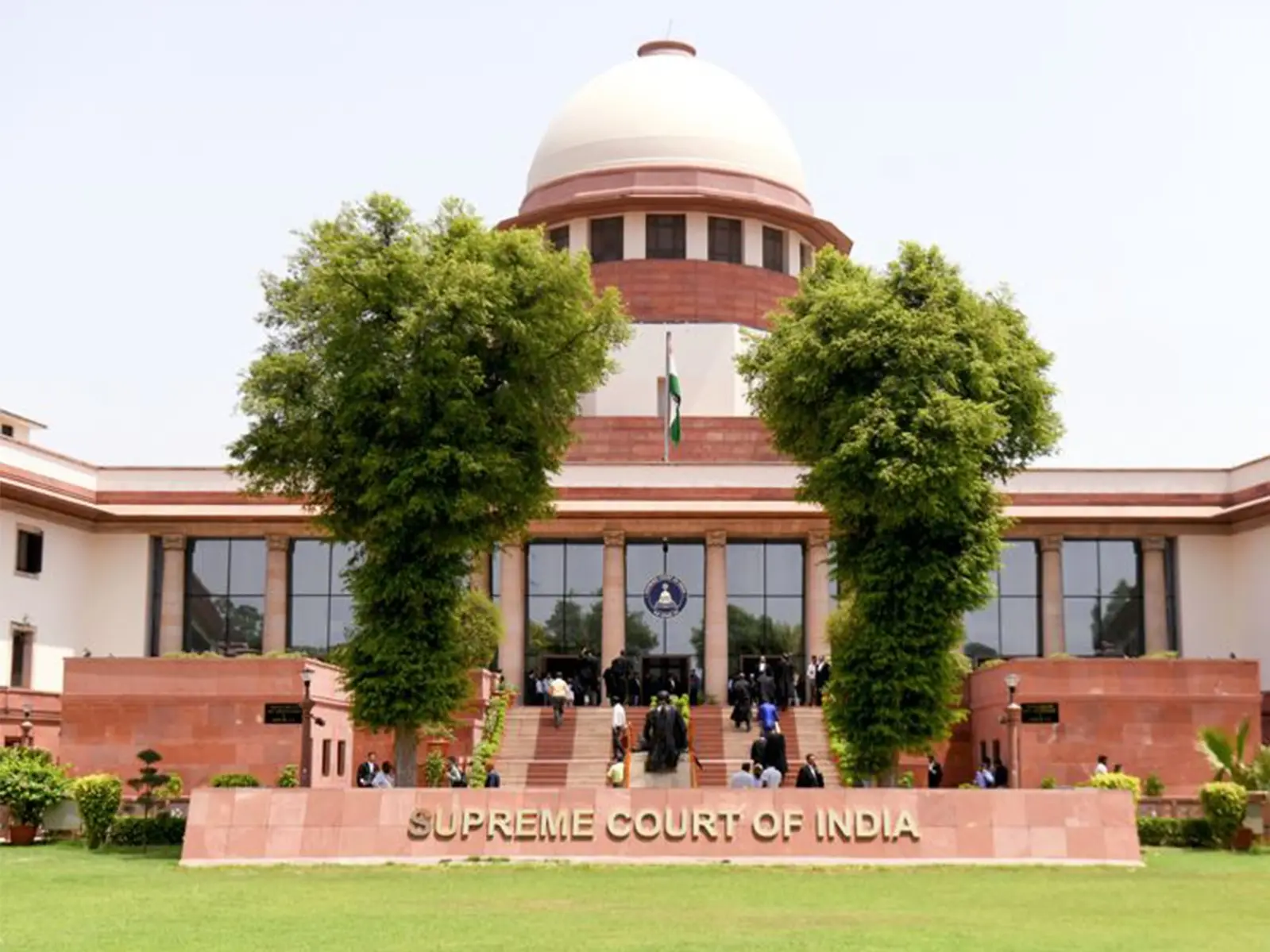
Opposition’s 10 demands in Supreme Court petition range from stay on SIR to audit of voter rolls
&imwidth=180&imheight=135&format=webp&quality=medium)
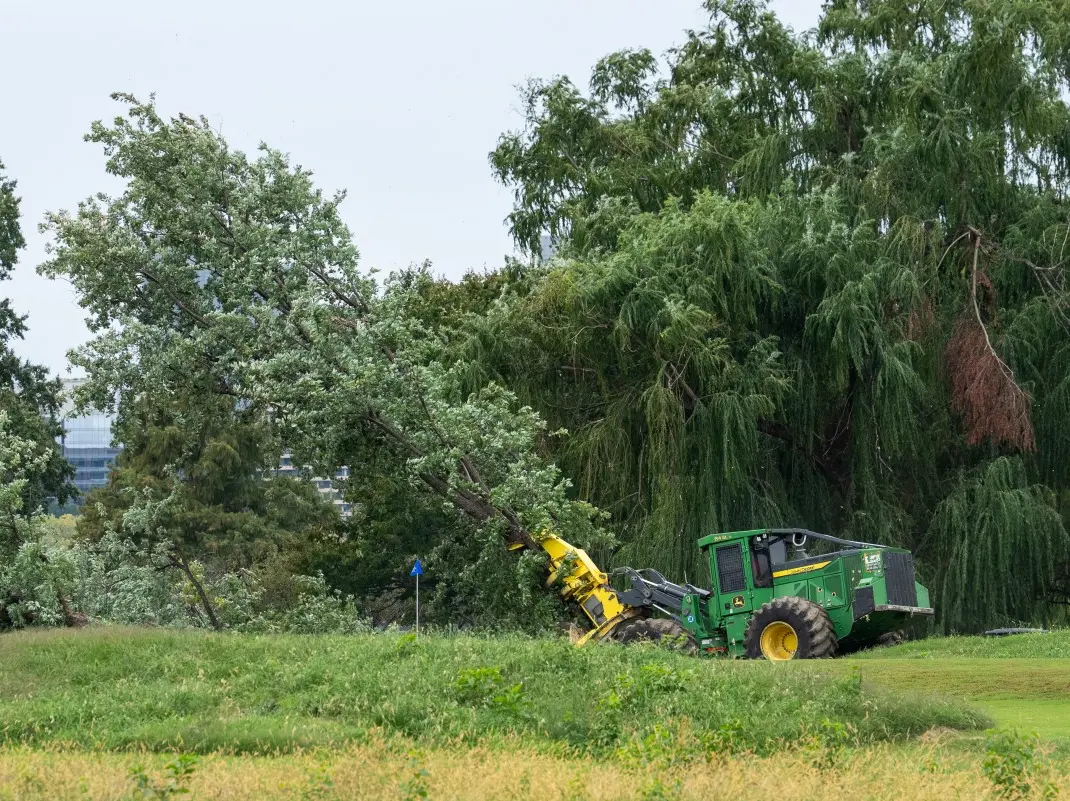
'I am thoroughly unamused': Judge slams Trump administration after 400 trees cut at Washington golf course
&im=FitAndFill=(700,400)&imwidth=180&imheight=135&format=webp&quality=medium)
New OTT releases this week (October 12-18, 2026): Sacrifice, Koffee with Karan S9, Roadies Rebirth- 6 titles coming on Netflix, JioHotstar and more
&imwidth=180&imheight=135&format=webp&quality=medium)
Delhi protest: CJI Surya Kant declines to meet India Bloc leaders
&imwidth=180&imheight=135&format=webp&quality=medium)
China’s gold rush puts billion in focus
&imwidth=180&imheight=135&format=webp&quality=medium)
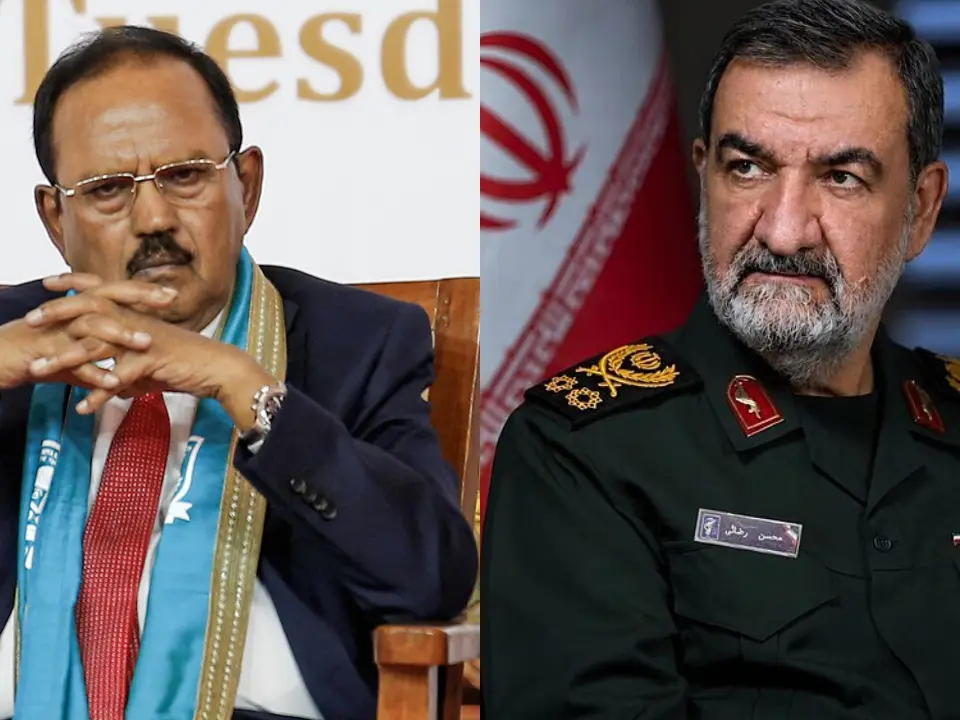
India's Ajit Doval, Iran's Mohsen Rezaei hold talks amid escalating West Asia tensions, discuss 'issues of mutual interest'
&imwidth=180&imheight=135&format=webp&quality=medium)
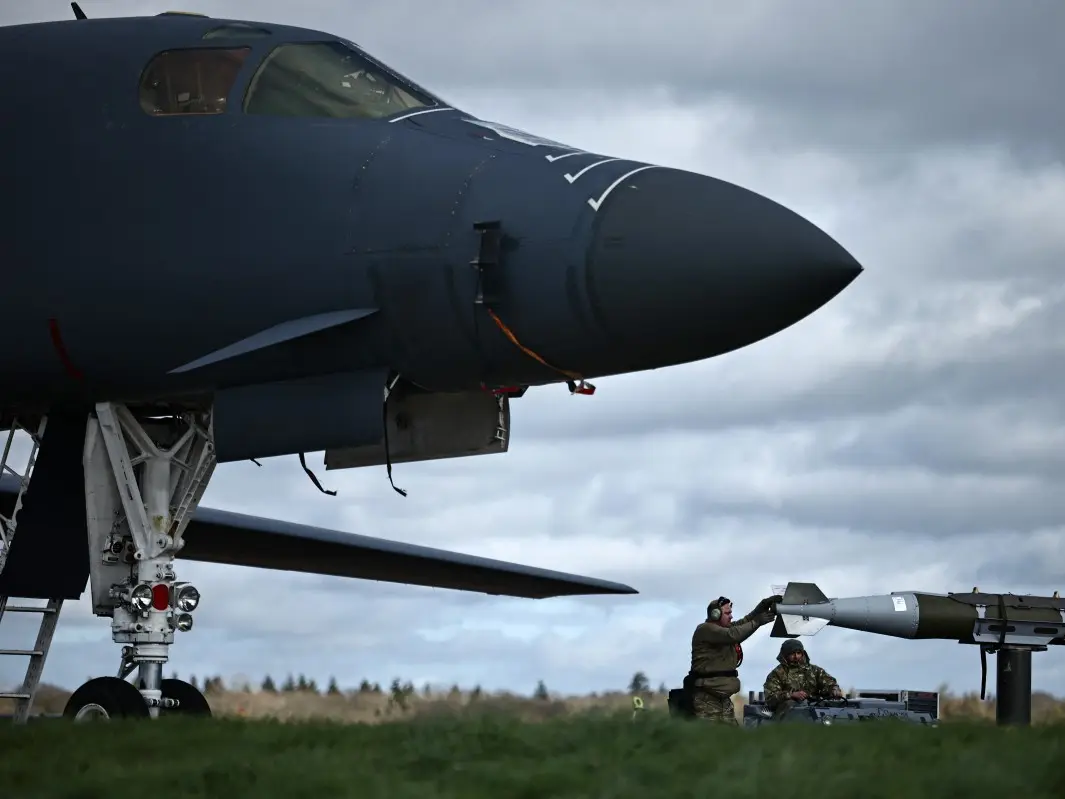
'Almost certainly': UK Prime Minister Andy Burnham says Iran's IRGC behind RAF Fairford threat
&imwidth=180&imheight=135&format=webp&quality=medium)
Elon Musk pumps $276 million into Republican campaigns ahead of US midterm elections
&imwidth=180&imheight=135&format=webp&quality=medium)
'Never met' him: Melbourne Imam denies links to Flydubai co-pilot Hamam al-Hammami
Hawaii Governor Josh Green (D) backs the legislation, according to a statement from his office released on Saturday. He indicated that he is likely to sign it, provided there are no errors or concerns with the wording of the bill. If approved, the law would go into effect right away.
The inspiration for the bill came from Steve Sue, a Honolulu resident who created a documentary about the origins of the shaka gesture, as explained by State Senator Glenn Wakai. Sue started working on the documentary in 2019 and has since gathered various interpretations and stories surrounding the shaka's history.
While talking with Wakai in December, Sue expressed a desire to find a way for Hawaii to enshrine the gesture. “I realized that there’s a huge lurking asset here for the state that’s not really being protected,” Sue told The Washington Post.
After a detailed discussion, they agreed that a bill would help preserve the shaka’s connections to the state.
The bill acknowledges this history while specifying that all theories have the shaka developing within the state.
There's a story that the shaka sign originated from people playing marbles (perhaps using a similar hand position).
Another tale claims it came about after someone, unfortunately, lost their middle three fingers to a shark bite.
Diving deeper into the shaka's history, we encounter Hamana Kalili, a Hawaiian man considered by some to be the source of the gesture. According to this story, Kalili lost his middle three fingers in a sugar mill accident during the 1910s. Later, while working as a train security guard, he'd wave his hand (with the missing fingers) to signal stowaways to get off the train. People began imitating this wave, which some believe is how the shaka sign became popular.
Proponents of the shaka-as-official-gesture bill argue it would boost Hawaii's economy, global image, and resident pride.
(With inputs from agencies)