Germany to dispatch minesweeper ships to Mediterranean for possible Strait of Hormuz mission Dispatch

&imwidth=600&imheight=450&format=webp&quality=medium "Germany to dispatch minesweeper ships to Mediterranean for possible Strait of Hormuz mission Dispatch")
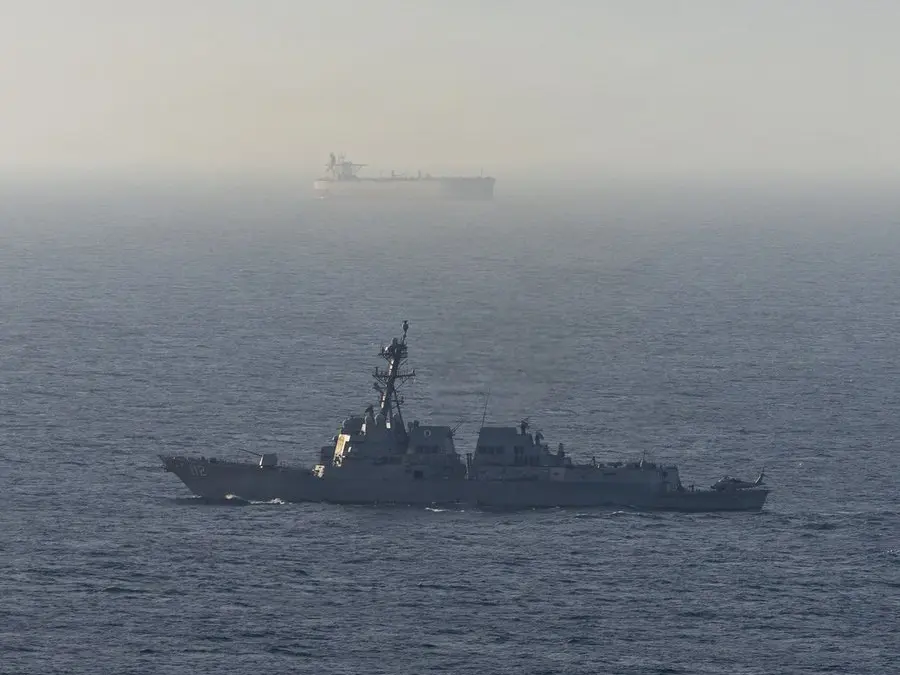
Germany Deploys Minesweeper Ahead of Possible Strait of Hormuz Security Mission Photograph: (CENTCOM/X representational Image)
Several countries have expressed readiness to participate in what has been described as a ‘neutral’ mission to ensure freedom of navigation in the strait. The United States has stated that de-mining operations are underway in coordination with Tehran, though Iran has not confirmed this claim.
Germany is preparing to deploy a naval minesweeper to the Mediterranean in anticipation of a potential mission to secure the Strait of Hormuz, following the recent conflict involving the United States, Israel and Iran, a German defence ministry spokeswoman told AFP on Saturday. The Spokesperson also confirmed that the German navy vessel Fulda will be sent “in the coming days” as part of efforts to contribute to an international maritime security initiative. The move comes amid tentative diplomatic efforts to end hostilities and restore stability in one of the world’s most critical energy corridors.
Strategic deployment and mission scope
The planned deployment is intended as a preparatory step, allowing Germany to act swiftly should a formal mandate be approved. Defence Minister Boris Pistorius said, as reported by AP, “We will deploy a minesweeper to the Mediterranean and provide it with a command and supply ship.” He added that positioning assets early would ensure that “once the mandate is approved — we do not lose any further time.” However, any direct deployment into the Strait of Hormuz will depend on both a “lasting end in hostilities” and approval from Germany’s parliament.
The minesweeper Fulda, staffed by around 45 crew members, is designed to detect and neutralise naval mines, a critical capability given the recent tensions. Both the United States and Iran have sought to exert control over the Strait of Hormuz since they agreed to a cease-fire. Iran says only ships that have permission from the country’s Islamic Revolutionary Guards Corps will be allowed to pass. The United States Navy says it is intercepting all ships coming from or traveling to Iranian ports.
Geopolitical context and coalition efforts
Trending Stories
&imwidth=280&imheight=210&format=webp&quality=medium)
&imwidth=280&imheight=210&format=webp&quality=medium)
&imwidth=280&imheight=210&format=webp&quality=medium)
&imwidth=280&imheight=210&format=webp&quality=medium)
&imwidth=280&imheight=210&format=webp&quality=medium)
&imwidth=280&imheight=210&format=webp&quality=medium)
&im=FitAndFill=(700,400)&imwidth=280&imheight=210&format=webp&quality=medium)
&imwidth=280&imheight=210&format=webp&quality=medium)
&imwidth=280&imheight=210&format=webp&quality=medium)
&imwidth=280&imheight=210&format=webp&quality=medium)
&imwidth=280&imheight=210&format=webp&quality=medium)
&imwidth=280&imheight=210&format=webp&quality=medium)
&imwidth=280&imheight=210&format=webp&quality=medium)
&imwidth=280&imheight=210&format=webp&quality=medium)
&imwidth=280&imheight=210&format=webp&quality=medium)
&imwidth=280&imheight=210&format=webp&quality=medium)
&imwidth=280&imheight=210&format=webp&quality=medium)
&imwidth=280&imheight=210&format=webp&quality=medium)
&imwidth=280&imheight=210&format=webp&quality=medium)
&imwidth=280&imheight=210&format=webp&quality=medium)
&imwidth=280&imheight=210&format=webp&quality=medium)
&imwidth=280&imheight=210&format=webp&quality=medium)
&imwidth=280&imheight=210&format=webp&quality=medium)
&imwidth=280&imheight=210&format=webp&quality=medium)
&imwidth=280&imheight=210&format=webp&quality=medium)
&imwidth=280&imheight=210&format=webp&quality=medium)
&imwidth=280&imheight=210&format=webp&quality=medium)
&imwidth=280&imheight=210&format=webp&quality=medium)
&imwidth=280&imheight=210&format=webp&quality=medium)
&imwidth=280&imheight=210&format=webp&quality=medium)
&imwidth=280&imheight=210&format=webp&quality=medium)
&imwidth=280&imheight=210&format=webp&quality=medium)
&imwidth=280&imheight=210&format=webp&quality=medium)
&imwidth=280&imheight=210&format=webp&quality=medium)
&imwidth=280&imheight=210&format=webp&quality=medium)
&imwidth=280&imheight=210&format=webp&quality=medium)
Several countries have expressed readiness to participate in what has been described as a ‘neutral’ mission to ensure freedom of navigation in the strait. The United States has stated that de-mining operations are underway in coordination with Tehran, though Iran has not confirmed this claim.
ALSO READ: What is India’s Project 75I? What makes it crucial to India’s naval strategy in the Indo-Pacific
The conflict itself began on February 28 with air strikes by the United States and Israel. Since then, the Strait of Hormuz has remained a focal point of global concern due to its strategic and economic significance. Fresh diplomatic efforts are now under way, with both Washington and Tehran sending envoys to Islamabad for possible negotiations, raising cautious hopes for de-escalation.