'Grapes on deck': How are aircraft refuelled on USS Abraham Lincoln, which specialised crews handle the process?

Amidst the sirens, moving ordnance, and taxiing jets, the delivery of fuel remains the most critical logistical pulse. It is a high-stakes operation where the margin for error is non-existent, requiring a specialised cadre of sailors to manage the volatile energy.
A high-risk environment at sea
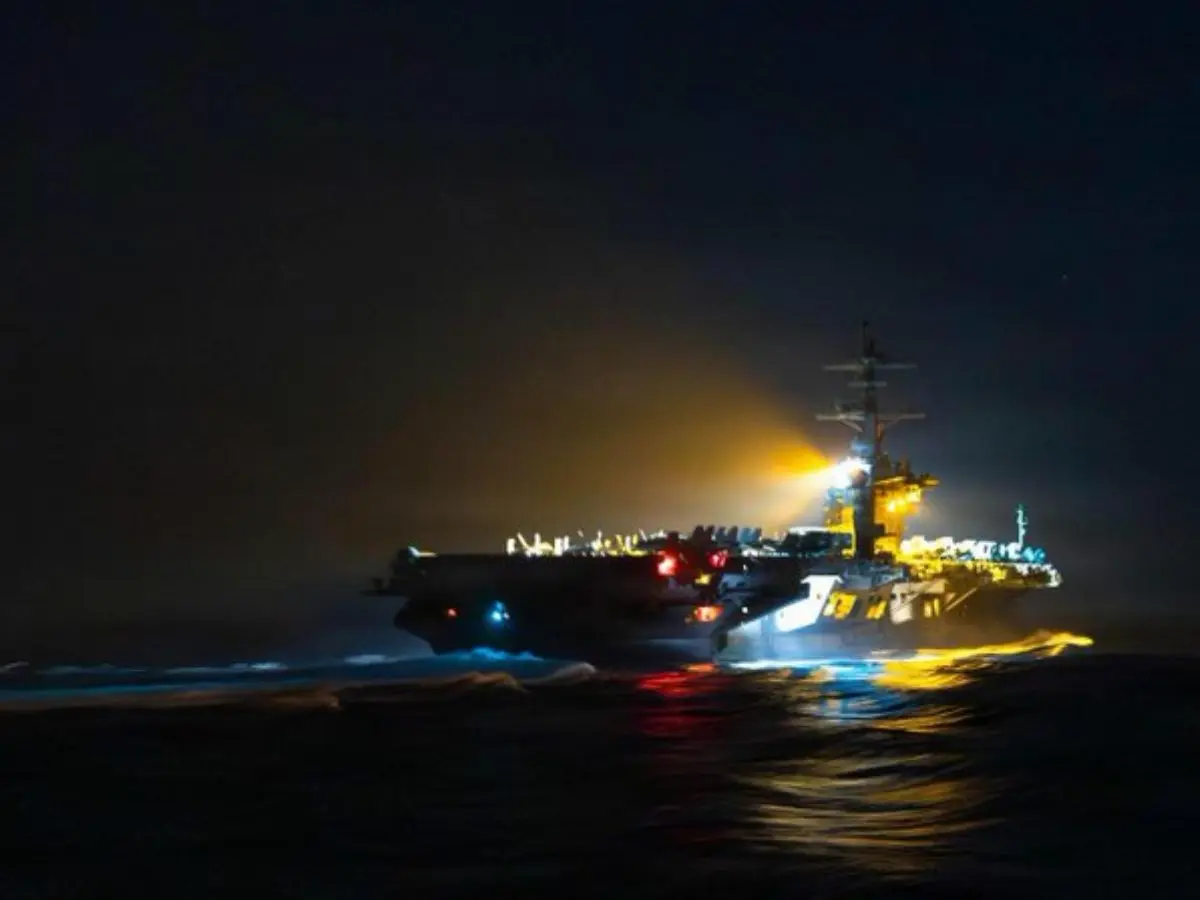
The flight deck of a Nimitz-class supercarrier like the USS Abraham Lincoln is often described as a choreography of chaos, where over a hundred distinct tasks occur simultaneously. George C. Wilson, author of Supercarrier, famously noted that this environment is "a million accidents waiting to happen," a reality that necessitates absolute situational awareness. Amidst the sirens, moving ordnance, and taxiing jets, the delivery of fuel remains the most critical logistical pulse. It is a high-stakes operation where the margin for error is non-existent, requiring a specialised cadre of sailors to manage the volatile energy that powers the carrier’s air wing.
The scale of flight deck operations
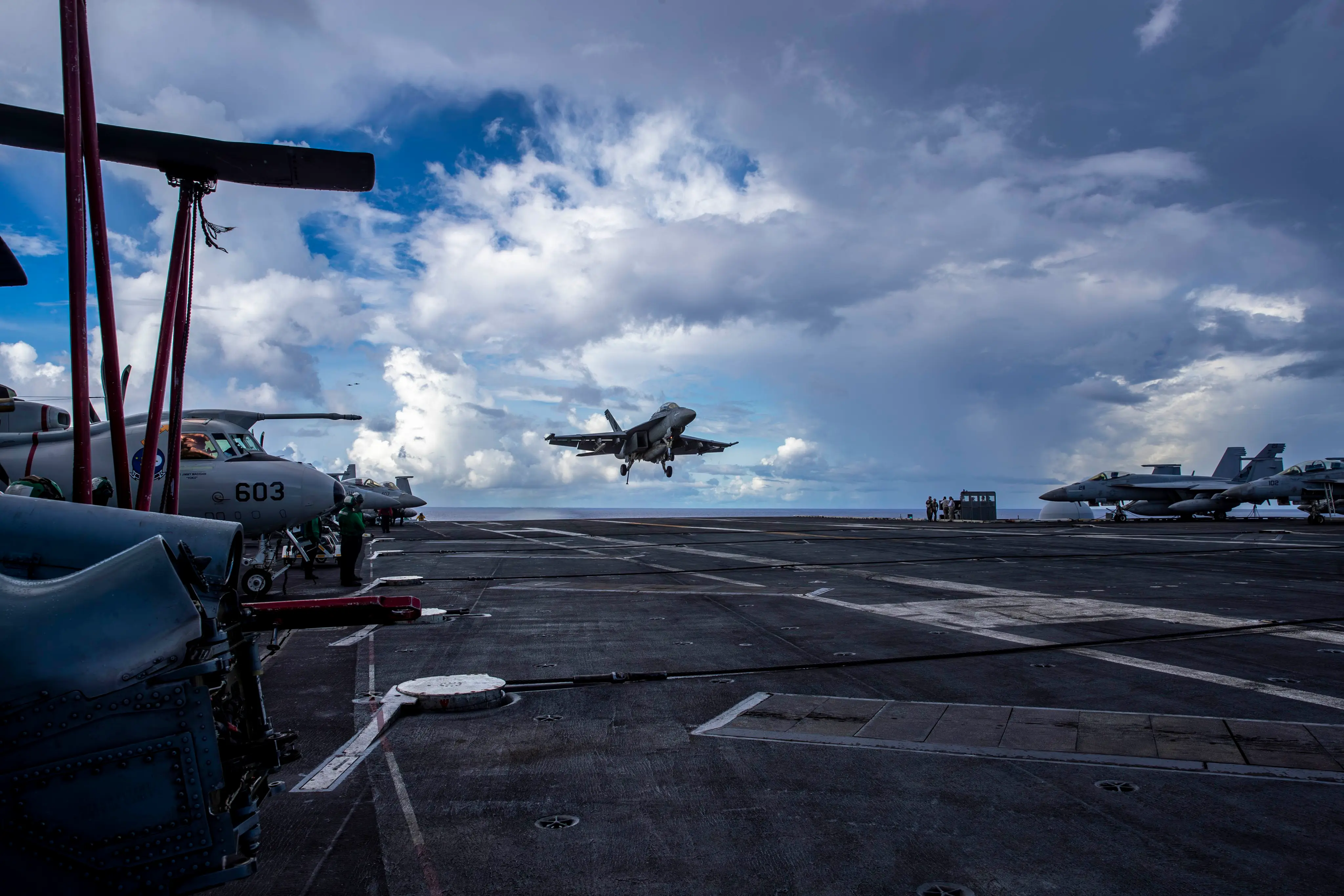
At any given moment, dozens of tasks unfold in parallel. Aircraft taxi, mechanics conduct engine tests, crews reposition jets, and ordnance teams prepare weapons. Refuelling takes place amid this activity, requiring precise coordination to avoid disruption or danger in a confined and fast-moving environment.
The role of specialised refuelling crews
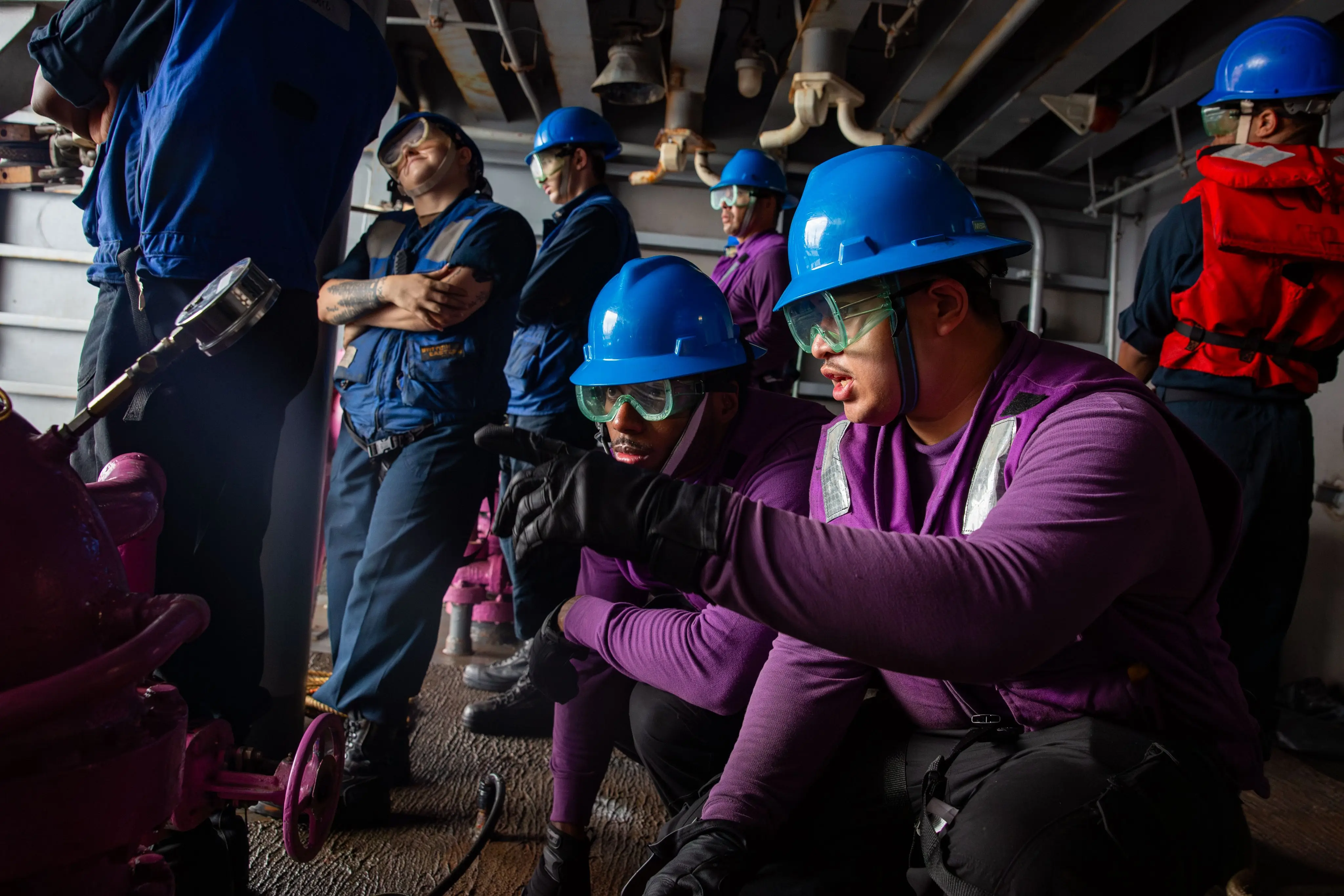
Refuelling is handled by Aviation Boatswain’s Mates (Fuels), commonly known as “grapes” due to their purple jerseys. These crews are responsible for fuelling and defuelling all aircraft, as well as monitoring fuel systems across the carrier. They form part of the V-4 division and oversee the process from fuel intake to aircraft delivery.
How fuel is stored and distributed
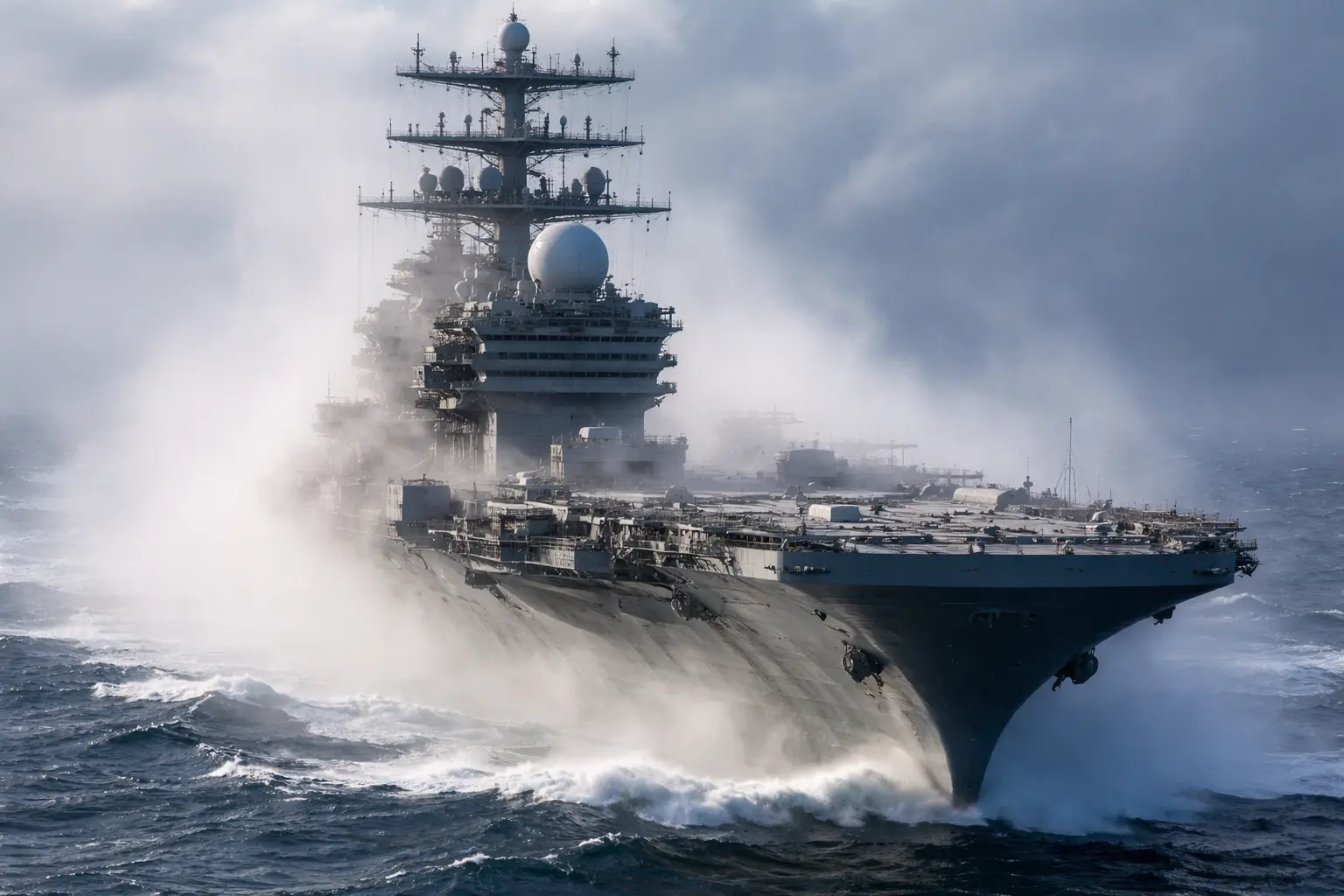
The carrier uses JP-5, a kerosene-based fuel designed for naval use as it possesses a high flashpoint of 60 degrees Celsius, which enhances safety onboard. Fuel is distributed through an extensive network of pipes running throughout the ship, often compared to veins in a living organism. These pipelines connect to fuelling stations across the flight and hangar decks.
Ensuring fuel purity and safety
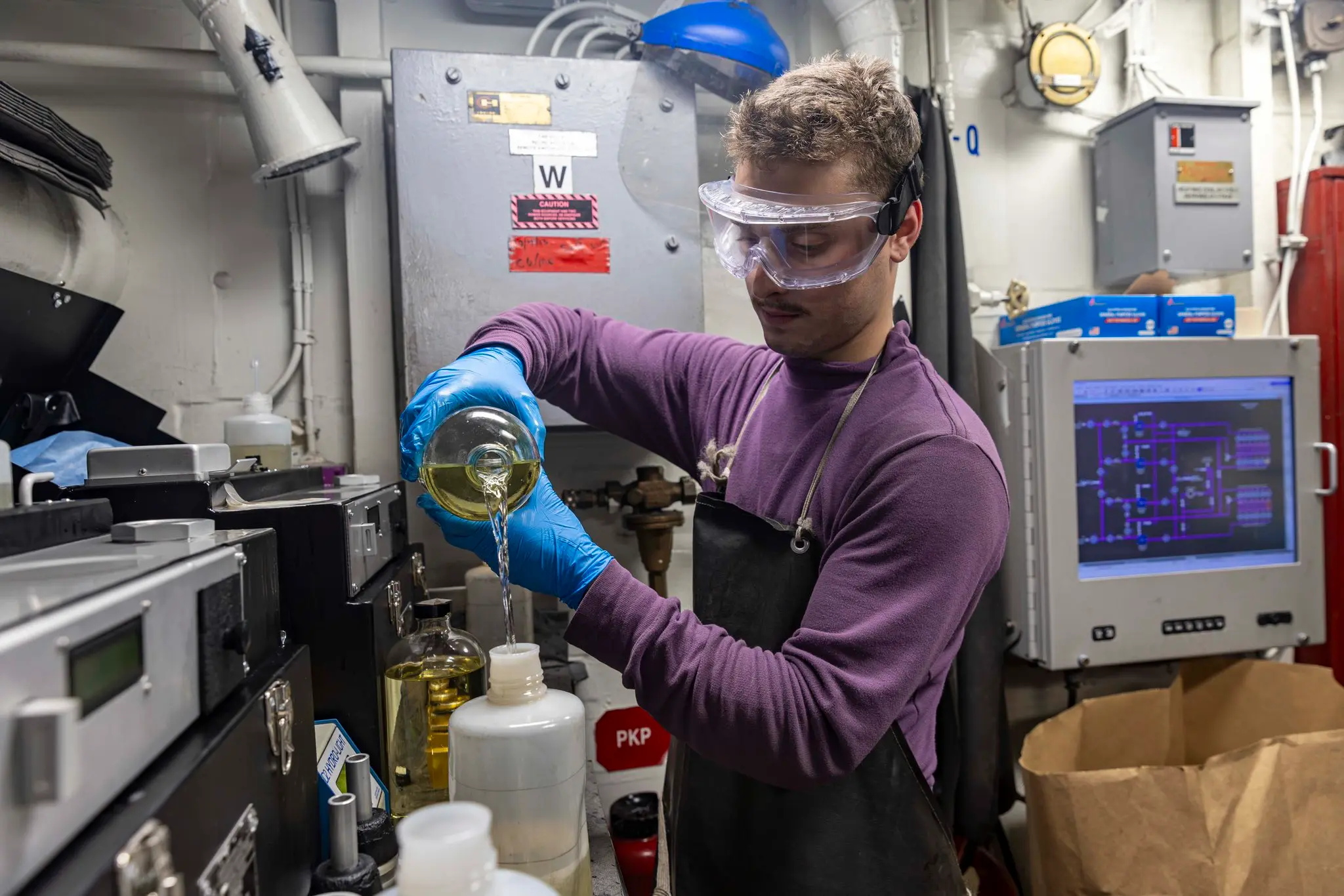
Before reaching aircraft, fuel undergoes rigorous purification. Stripping pumps remove water and sediment, followed by centrifugal cleaning to ensure it meets strict standards. Even minor contamination can damage jet engines, making this process critical. Fuel crews are trained to detect and eliminate any risk to aircraft and personnel.
The mechanics of refuelling aircraft
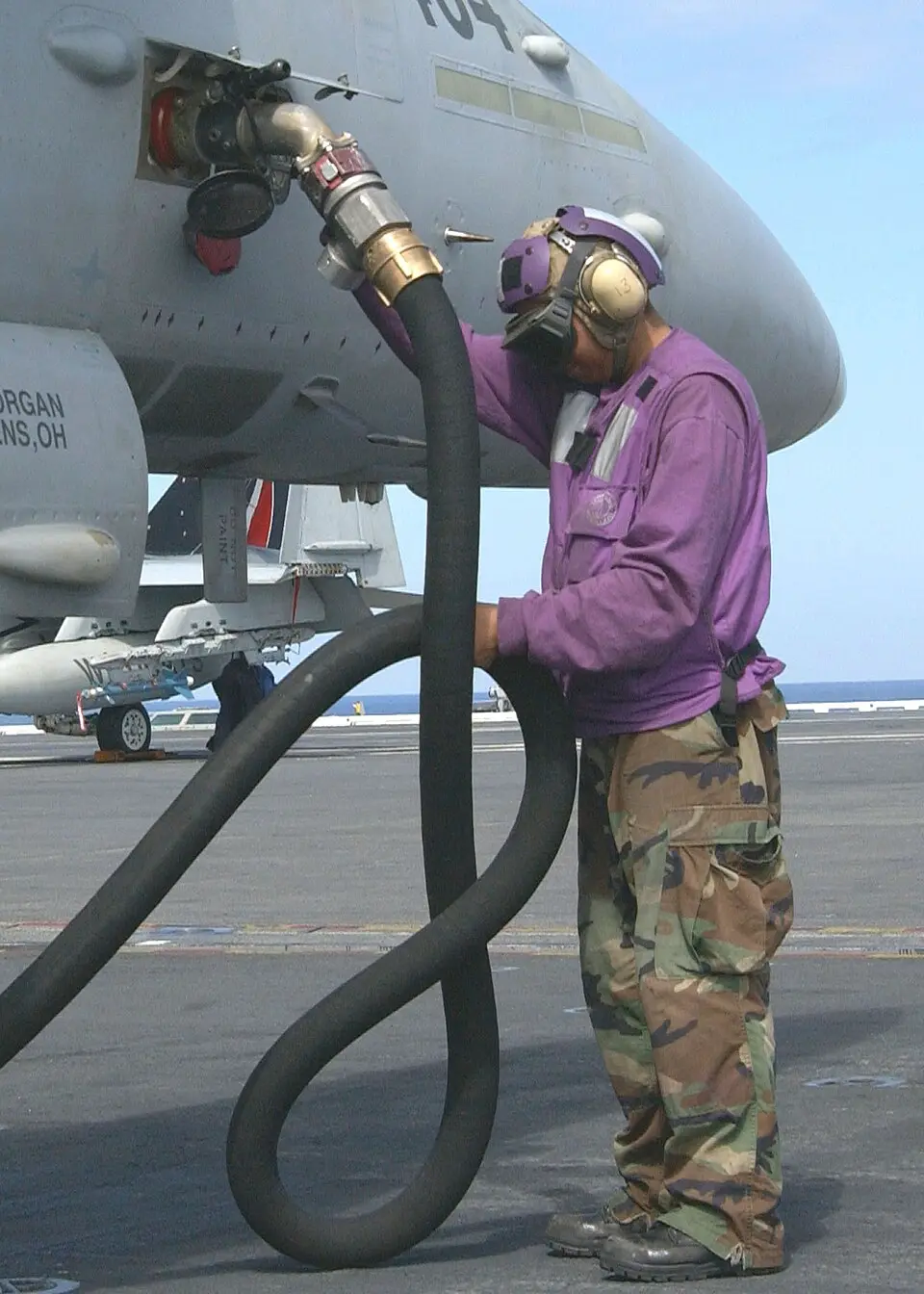
Once an aircraft is secured and grounded, hoses from deck stations are connected to its fuel ports. Fuel is pumped at high speed, allowing rapid turnaround between sorties. The system enables multiple aircraft to be refuelled in succession, sustaining continuous flight operations.
Managing the Deck Fuel Stations
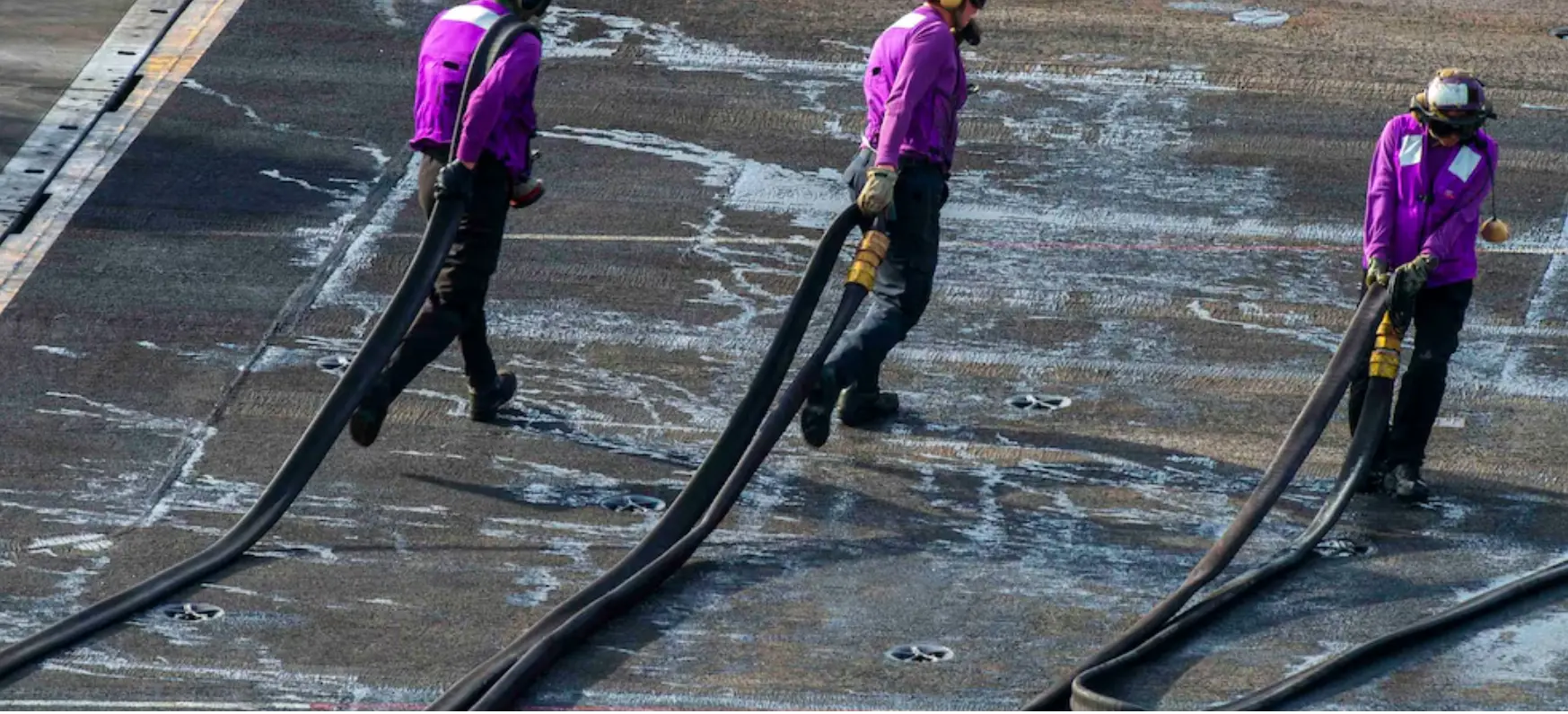
Refuelling is facilitated by a network of risers and stations strategically located across the flight and hangar decks. These stations are connected to powerful pumps capable of moving thousands of litres of fuel per minute. During "hot refuelling", where engines remain running to allow for a rapid relaunch, the grapes must work with extreme speed and precision. They are also responsible for supplying automotive gasoline for deck vehicles, lubricating oil for the catapult systems, and fuel for the jet-engine test cells, proving their utility extends beyond the aircraft themselves.
)
)
)
)
)