What is India’s Project 75I? What makes it crucial to India’s naval strategy in the Indo-Pacific

Project 75I is the Indian Navy’s plan to acquire six advanced diesel-electric submarines equipped with air-independent propulsion (AIP), contemporary equipment, weapons & sensors, advanced torpedoes, modern missiles and state of the art countermeasure systems.
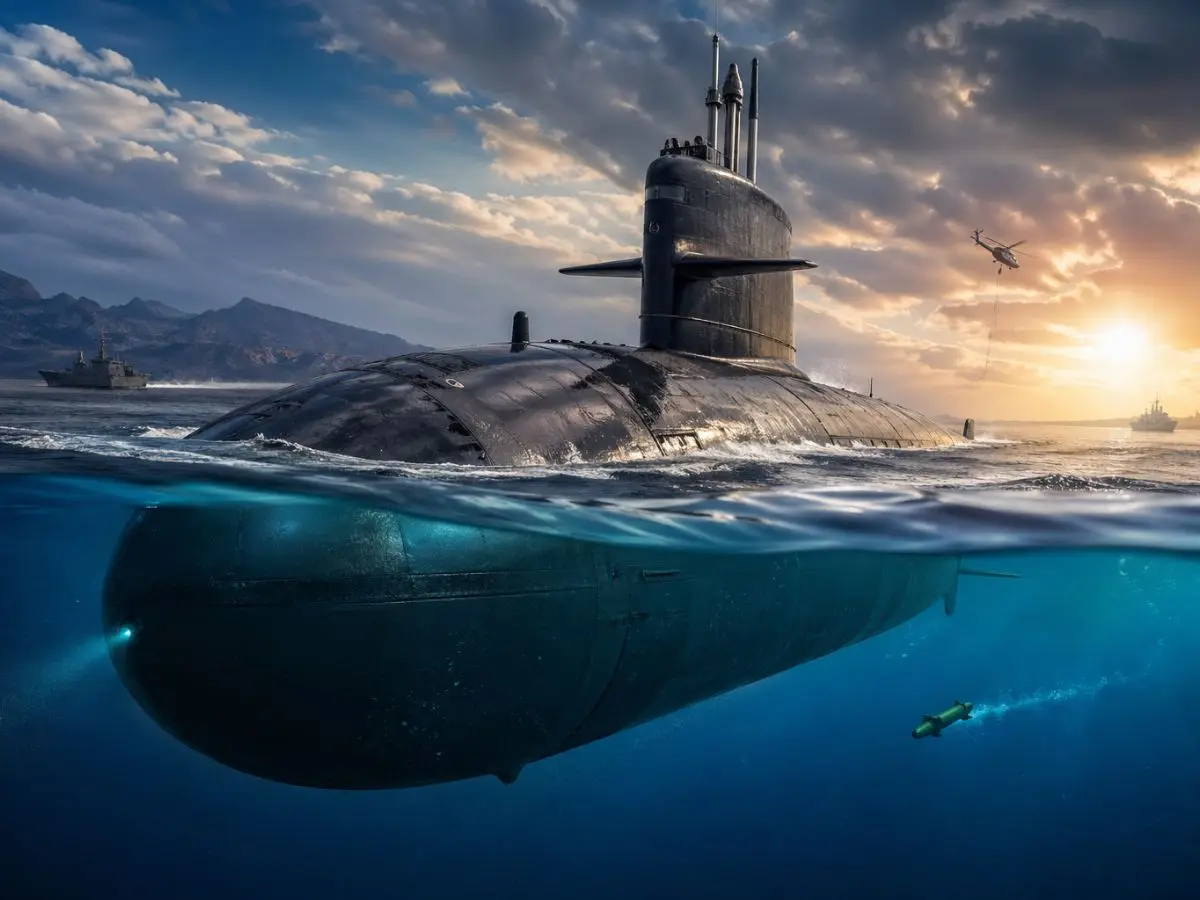
A critical shift in India’s maritime strategy
The Indian Navy’s Project 75I (P-75I) represents a critical juncture in the nation’s maritime strategy, aimed at bolstering its underwater combat capabilities amidst shifting dynamics in the Indian Ocean Region. Driven by lessons from past conflicts, rising tensions with Pakistan, and China’s expanding footprint in the Indian Ocean, the programme reflects a calculated move to strengthen underwater deterrence and surveillance capabilities.
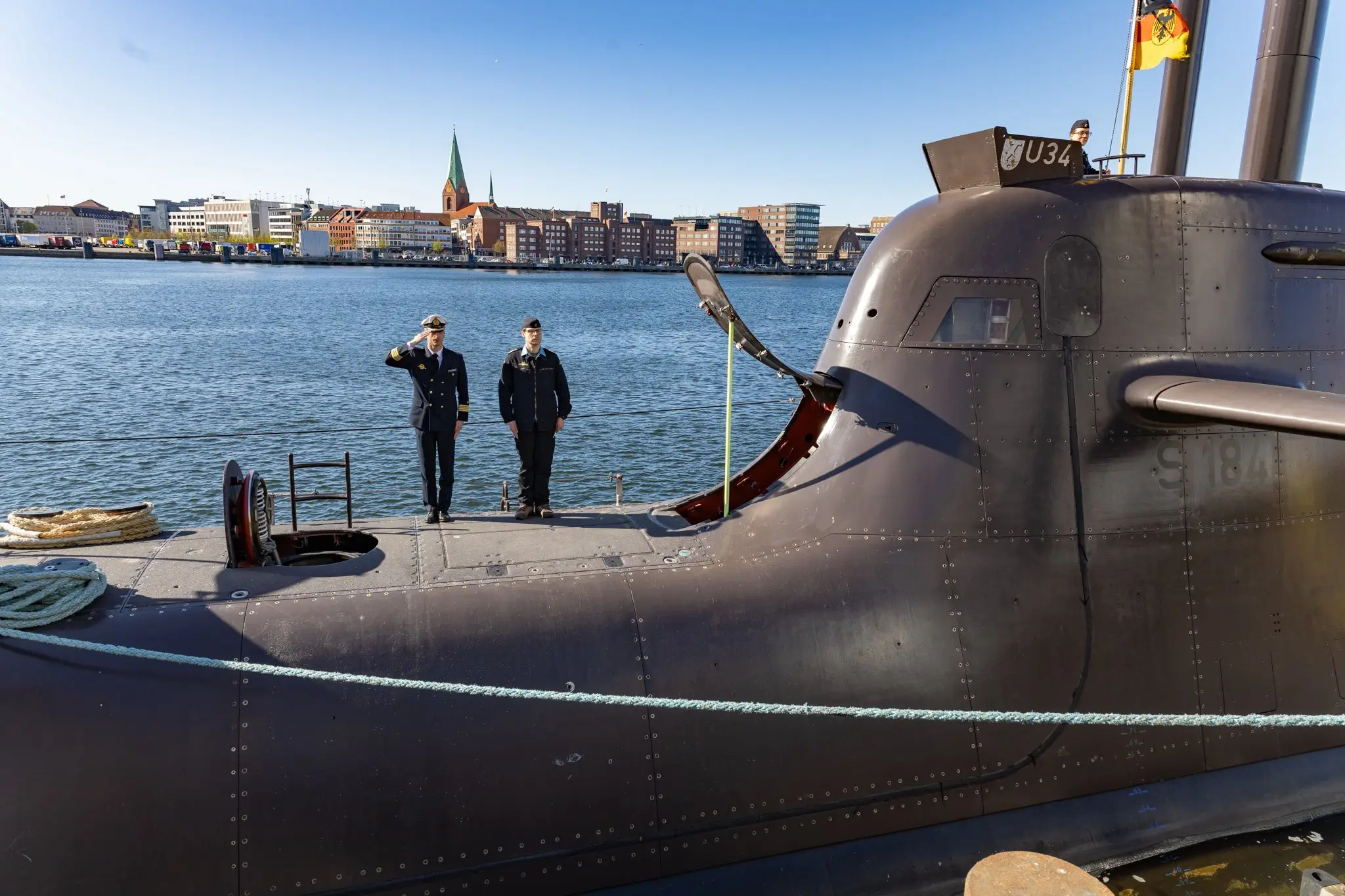
The 'I' in P-75I
The 'I' in P-75I stands for International, signifying a collaborative procurement model under the Strategic Partnership policy. This framework seeks to integrate foreign technology with domestic manufacturing to produce six advanced diesel-electric attack submarines, ensuring the Navy maintains a credible deterrent against regional naval expansionism.
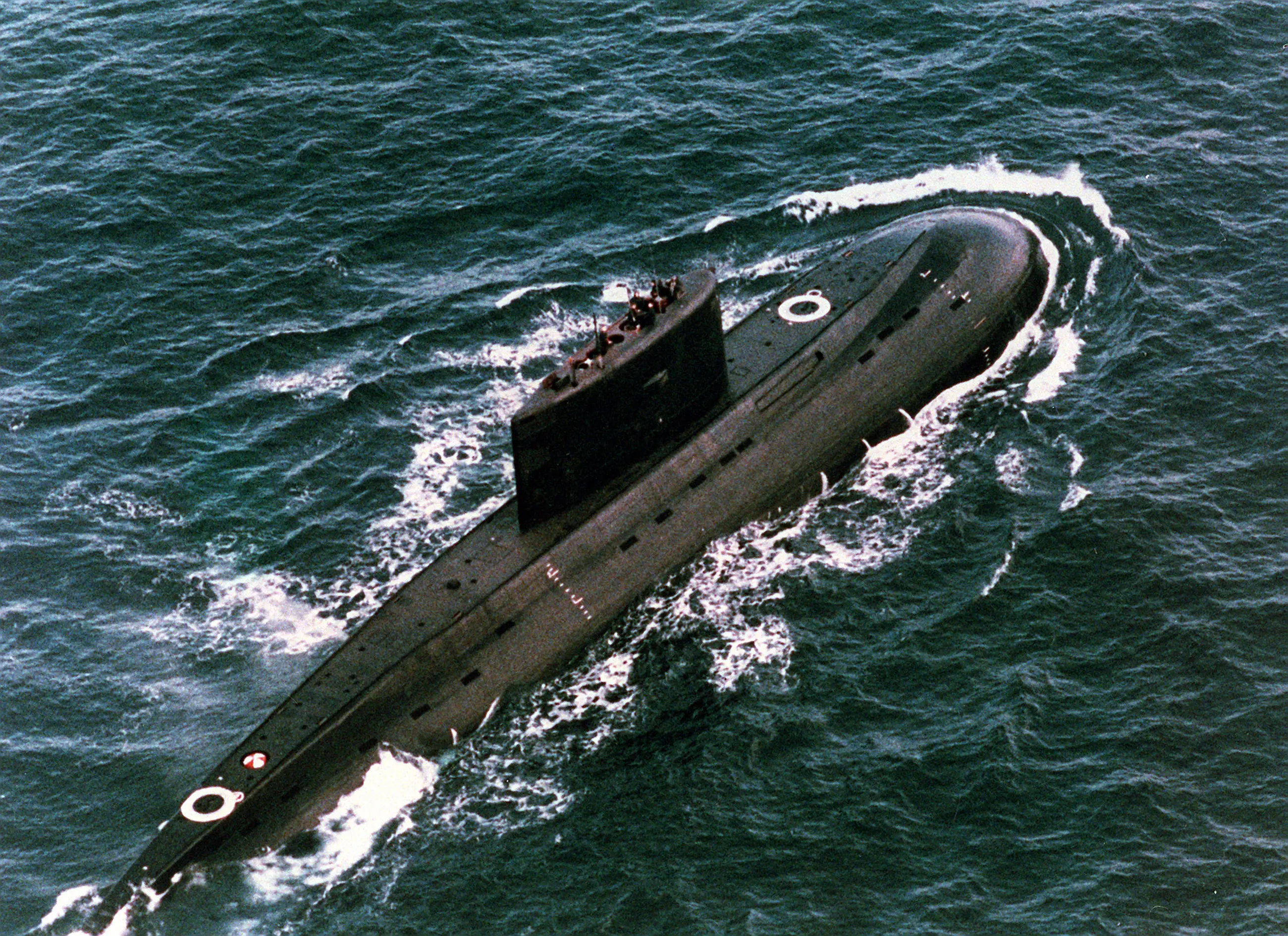
Defining Project 75I
Project 75I is the Indian Navy’s plan to acquire six advanced diesel-electric submarines equipped with air-independent propulsion (AIP), contemporary equipment, weapons & sensors, advanced torpedoes, modern missiles and state of the art countermeasure systems. The Ministry of Defence issued the Request for Proposal in July 2021 under the Strategic Partnership Model, placing the project at the centre of India’s naval modernisation efforts.
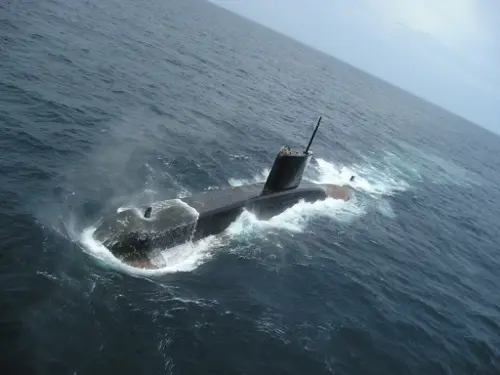
Integration of Air Independent Propulsion
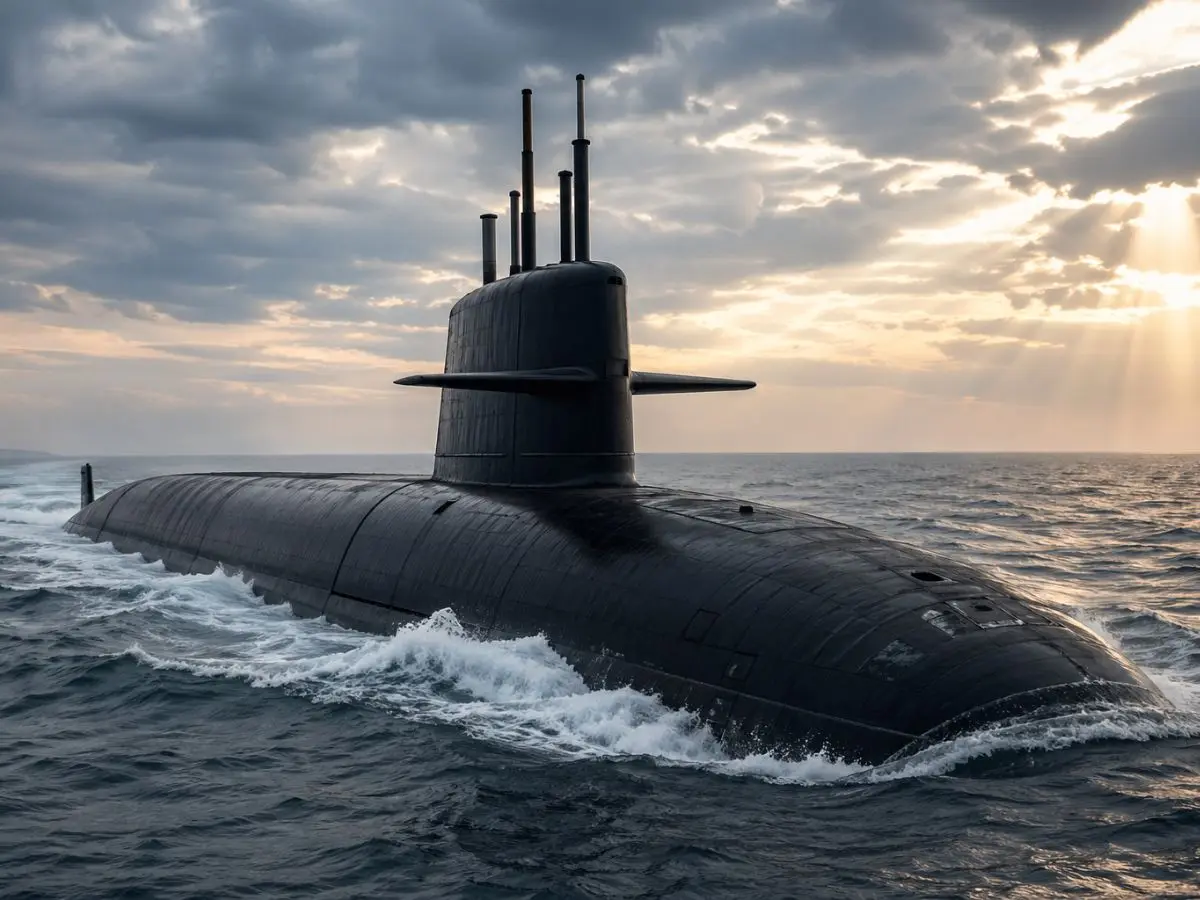
A defining technical requirement of P-75I is the mandatory inclusion of fuel-cell-based Air Independent Propulsion (AIP) systems. Standard diesel-electric submarines must surface or use a snorkel frequently to recharge batteries, increasing their acoustic signature and vulnerability to detection. AIP technology allows a submarine to remain submerged for weeks rather than days, significantly enhancing its stealth and endurance. This capability is viewed as a force multiplier for the Navy, as it bridges the operational gap between conventional boats and nuclear-powered vessels.
Scale, cost and collaboration
Initially estimated at over Rs 40,000 crore, the project’s cost is now projected at around $8 billion, subject to final configuration and lifecycle support. Germany has reportedly emerged as a key partner, with negotiations nearing conclusion, reflecting longstanding defence ties with India. Talking about the $8 billion submarine cooperation between the two countries German Defence Minister Boris Pistorius told Reuters, "I am very, very confident that I will be able to sign it soon," adding he expected a signing within the next three months.
Rajnath Singh Visits German Submarine Facility
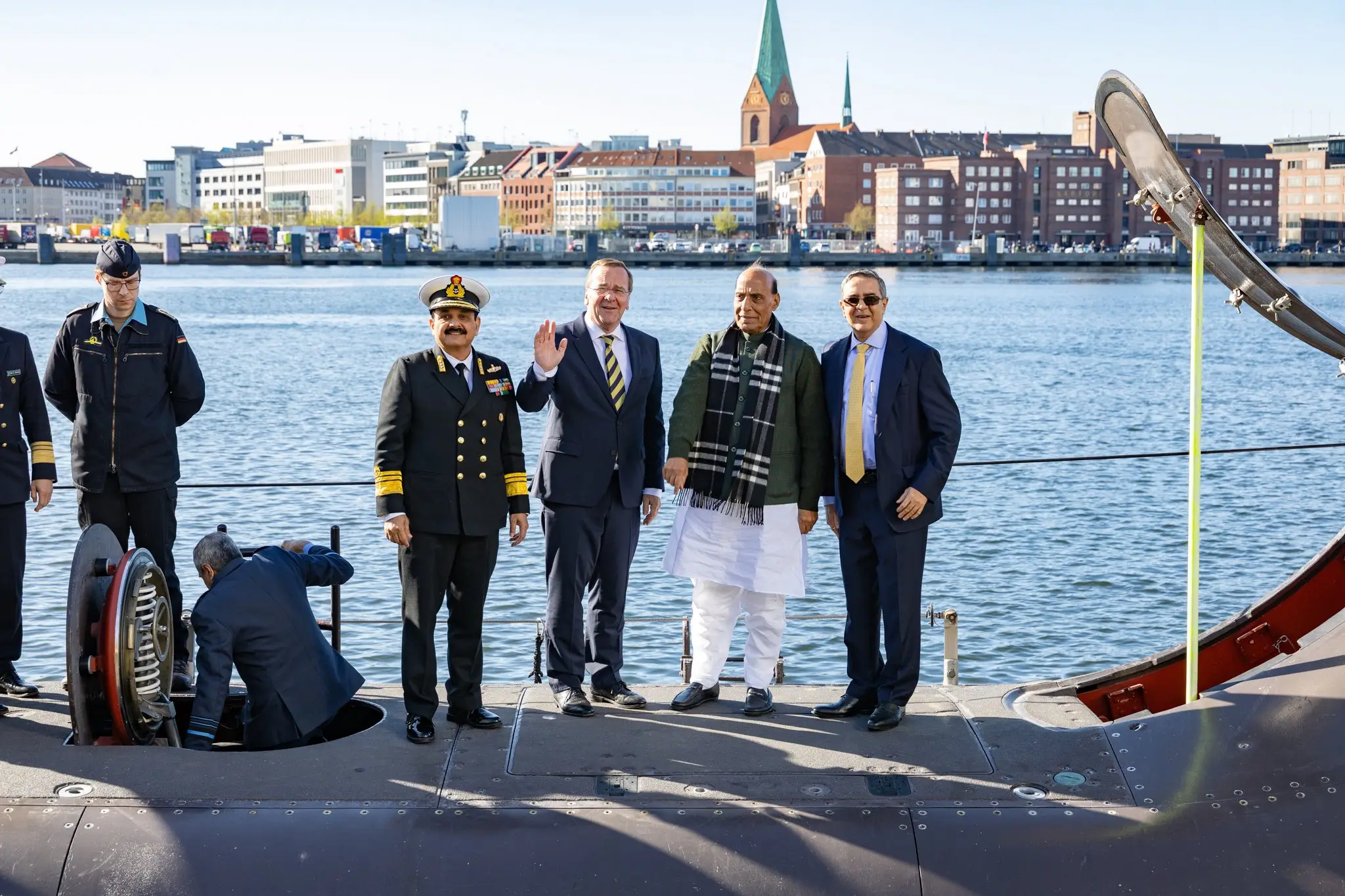
Defence Minister Rajnath Singh, during his three-day visit to Germany, shared on X that he toured the submarine manufacturing facility of ThyssenKrupp Marine Systems in Kiel. He was accompanied by German Defence Minister Boris Pistorius. “An insightful visit showcasing cutting-edge technologies and advanced naval capabilities, which will be mutually beneficial for cooperation in maritime domain”, he said.
Indigenisation and industrial growth
A key feature of Project 75I is its emphasis on domestic manufacturing. All six submarines are planned to be built in India, with significant technology transfer from foreign partners. Indigenous content is expected to rise progressively, supporting the broader objective of building a sustainable domestic submarine production ecosystem.
Geopolitical Stakes in the Indo-Pacific
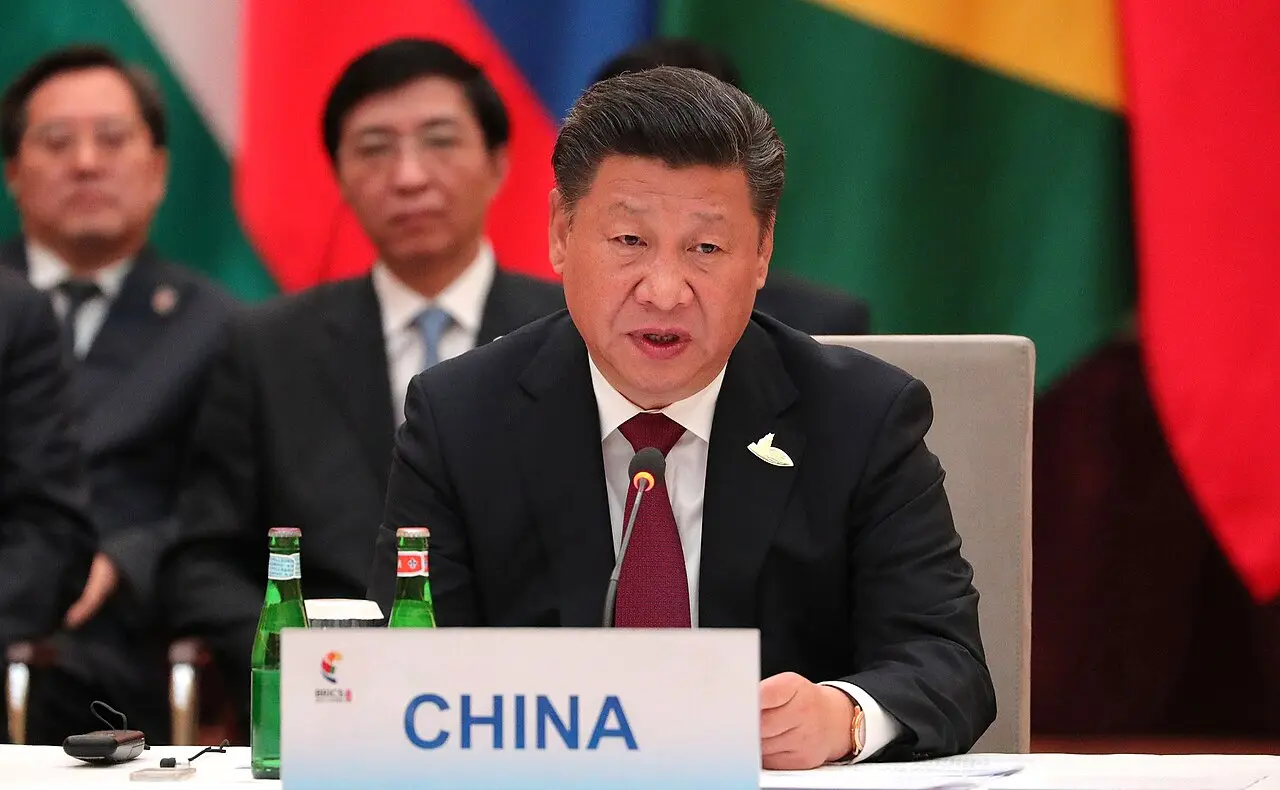
Beyond technical specifications, P-75I is a response to the rapid modernisation of the People’s Liberation Army Navy (PLAN), which frequently deploys both conventional and nuclear submarines into the Indian Ocean. Control over the Malacca Strait and other maritime transit routes is vital for India’s economic security. By deploying advanced AIP-equipped submarines, India can monitor these vital sea lanes with greater persistence. Ultimately, Project 75I is not merely a procurement exercise but a vital pillar of India’s "Security and Growth for All in the Region" (SAGAR) initiative.
)
)
)
)
)