Germany issues 'urgent appeal' to OPEC oil producers to ramp up output following price hike

Oil
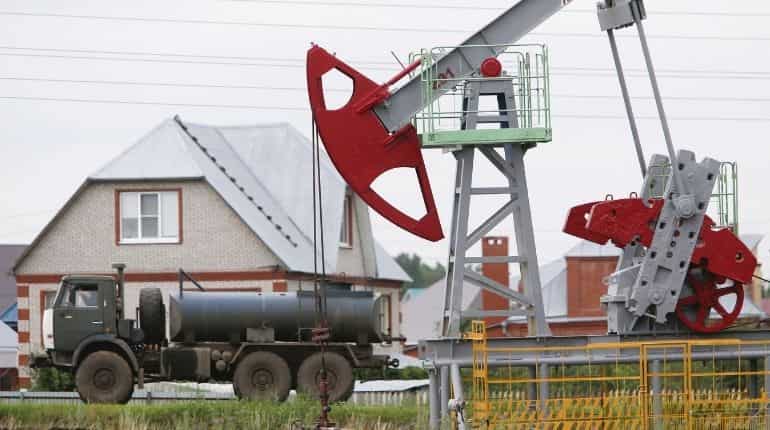
German Economy Minister Robert Habeck on Tuesday issued an "urgent appeal" to OPEC oil producers to ramp up output following a spike in prices and supply fears due to the Ukraine crisis.
Habeck called on top oil-producing nations to "increase production in order to create relief on the market".
"That would be a contribution" to easing the stress on firms and households, he said at a Berlin press conference.

Oilprices rose on Tuesday, with Brent surging past $132 a barrel on expectations that the United States and Britain will announce a formal ban on Russianoilimports, stoking supply concerns.
The ban is expected to be a gradual phasing out over time and is expected to last about a year to try to stop people panic-buying fuel.
)
The Early Spring is proof not everyone can talk about their real feelings, and it is perfectly OK
)
UN votes to ‘correct the map’ as India backs fairer world view
)
Nigerian Navy discovers 99,000 litres of suspected stolen, illegally refined products as it intensifies anti-crude oil theft operations
)
Who is Aditi Paudel? 17-year-old becomes Japan's first literacy ambassador
)
Bengaluru: Officials find 40 kg expired chilli at chairman's club
)
Jaishankar rejects trade link to ending Ukraine war
)
Israeli strikes on Lebanon kill three, injure 23 despite truce
)
Alpine glacier was covered with sheep wool sheets to prevent melting. It worked
)
South Korea mulls deploying military assets to Strait of Hormuz
)
World's fifth-largest economy, British army can't afford to train
)
Breaking | Vance takes the podium: First White House briefing since Leavitt's exit
)
Taiwan raises 'concerns' over China's missile test
)
BRICS 2026: $1 trillion sovereign capital set to converge in Delhi for first iBRICS Summit
)
What is Iran's Pickaxe Mountain that Trump has again threatened to bomb?
)
UN votes to correct world map that visually shrank Africa for 450 years
)
Former NewJeans member Danielle launches YouTube channel, hints at new solo journey
)
Bangladesh batter Towhid Hridoy creates history with 350 not out in South Africa
)
Brendan Fraser’s transformation fuels The Mummy 4 excitement as fans welcome back Rick O’Connell
&im=FitAndFill=(700,400))
Krishna Janmashtami 2026: From Dhaniya Panjiri to Makhana Kheer- 5 best sweet dishes perfect for celebrating Lord Krishna’s birth
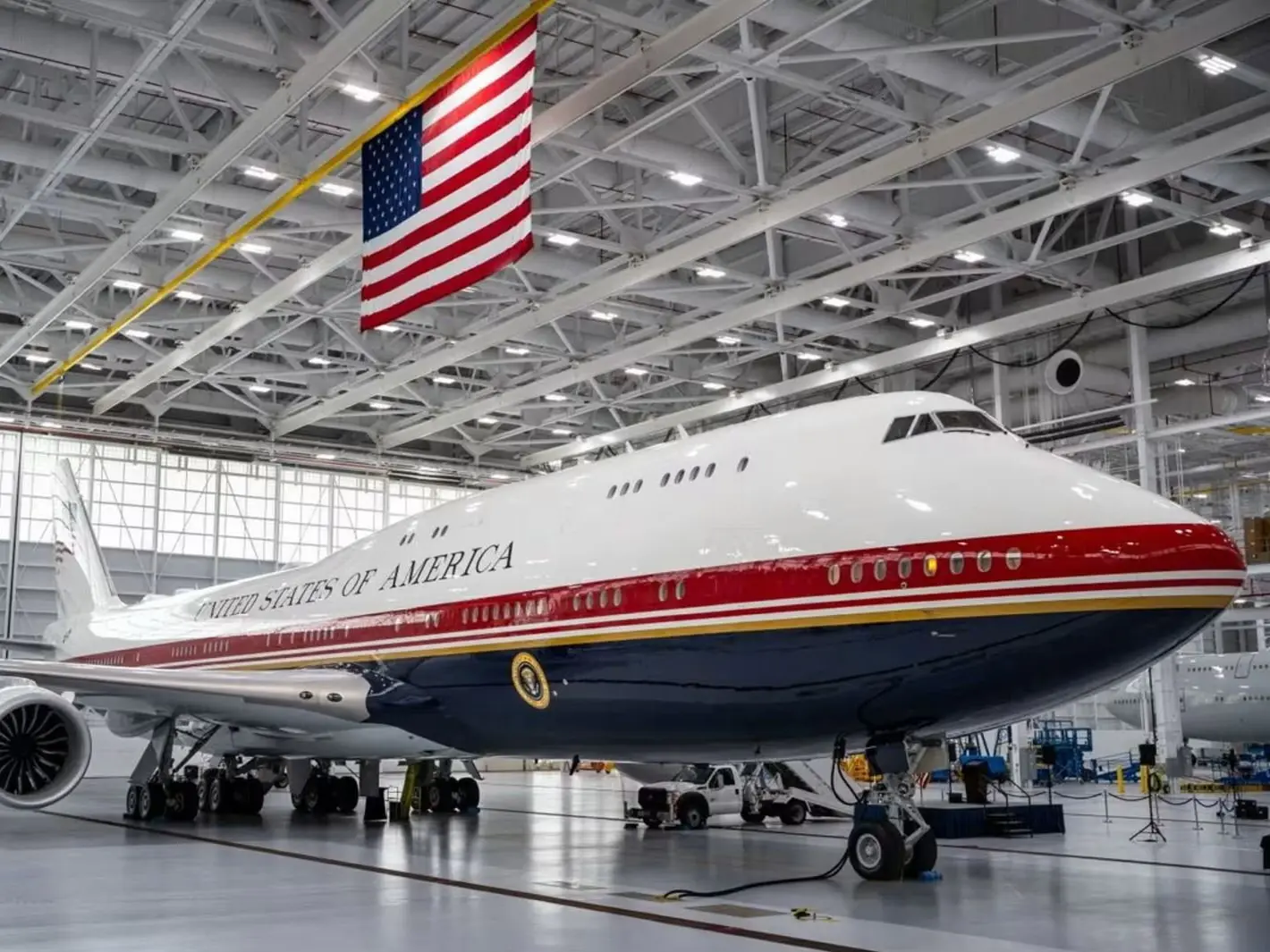)
Donald Trump plans to travel to Ireland on Qatari-donated jet amid security concerns
)
Nazi-looted art to return to Jewish heirs
)
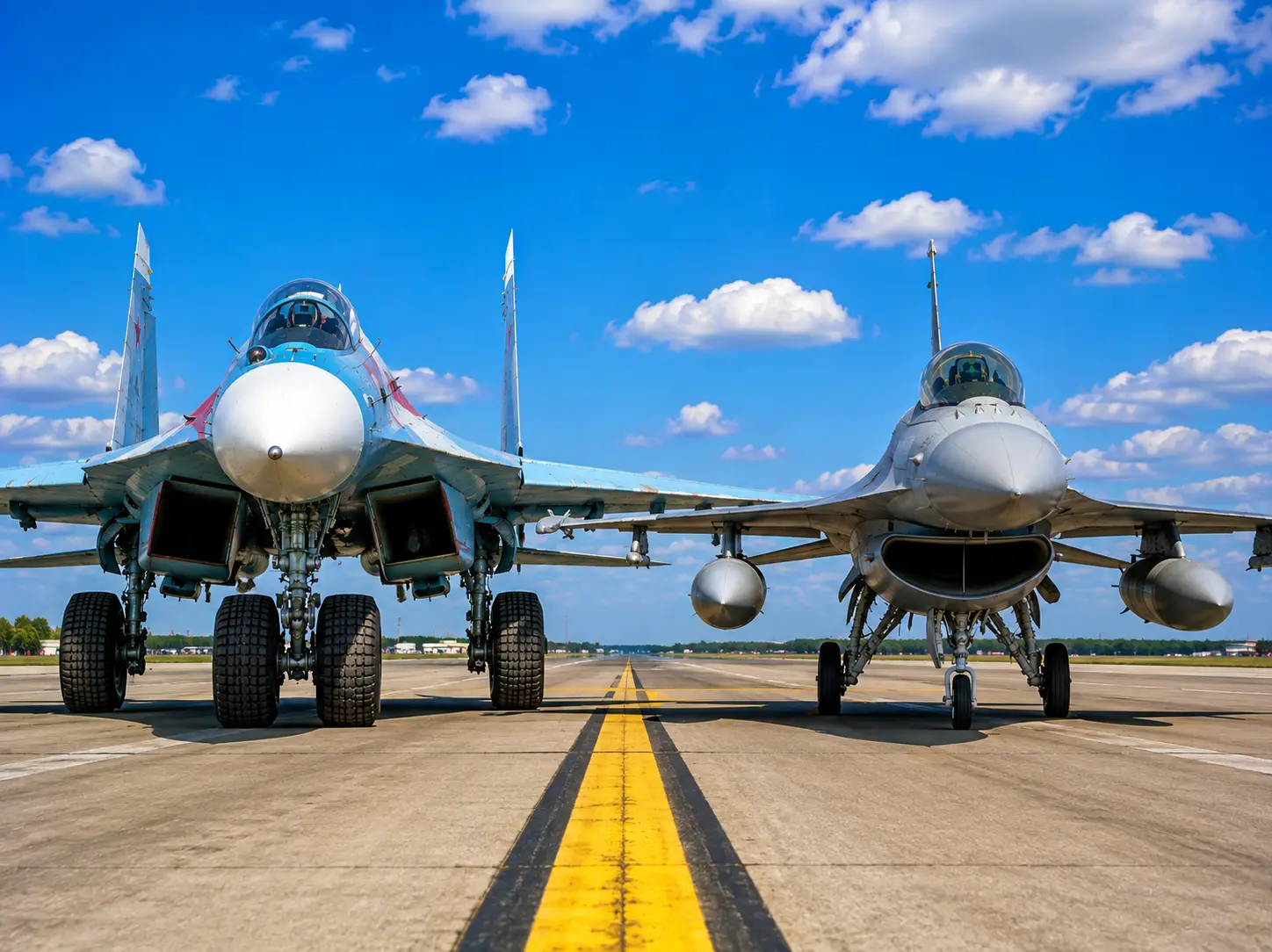
Eight killed in Kerala’s Thrissur after car rams into lorry parked on highway
&im=FitAndFill=(700,400))
Why Russian fighter jets use bulky, low-pressure tyres compared to US jets
)
FBI-wanted fraud accused arrested in Jalandhar over $600,000 scam
&im=FitAndFill=(700,400))
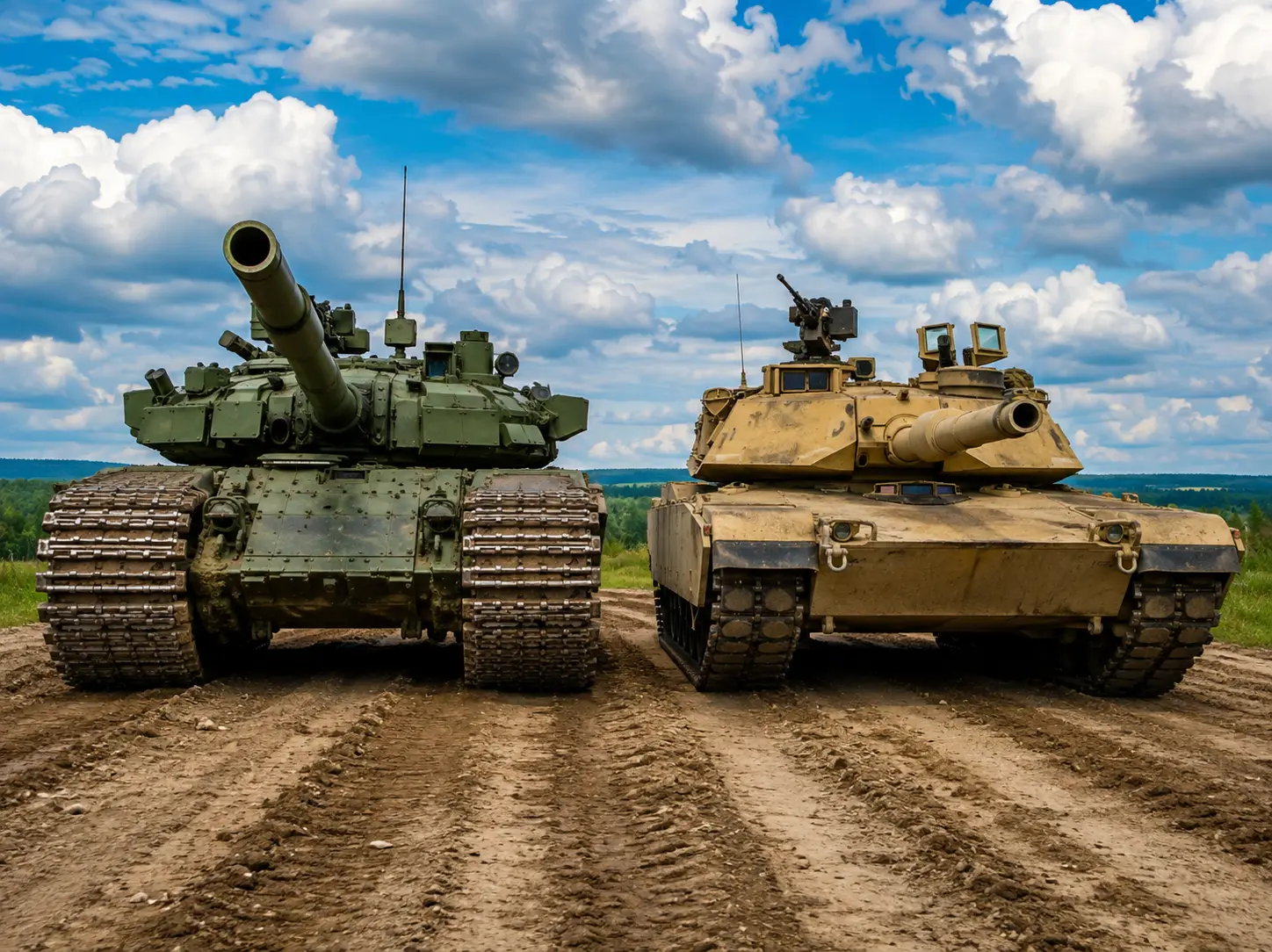
Why US tanks weigh over 20 tons more than Russian tanks
&im=FitAndFill=(700,400))
New Friday OTT releases (September 4, 2026): GDN, Dhamaal 4, Jagamae Sangeetham- Watch 6 new movies and TV shows on Netflix, Prime Video and more
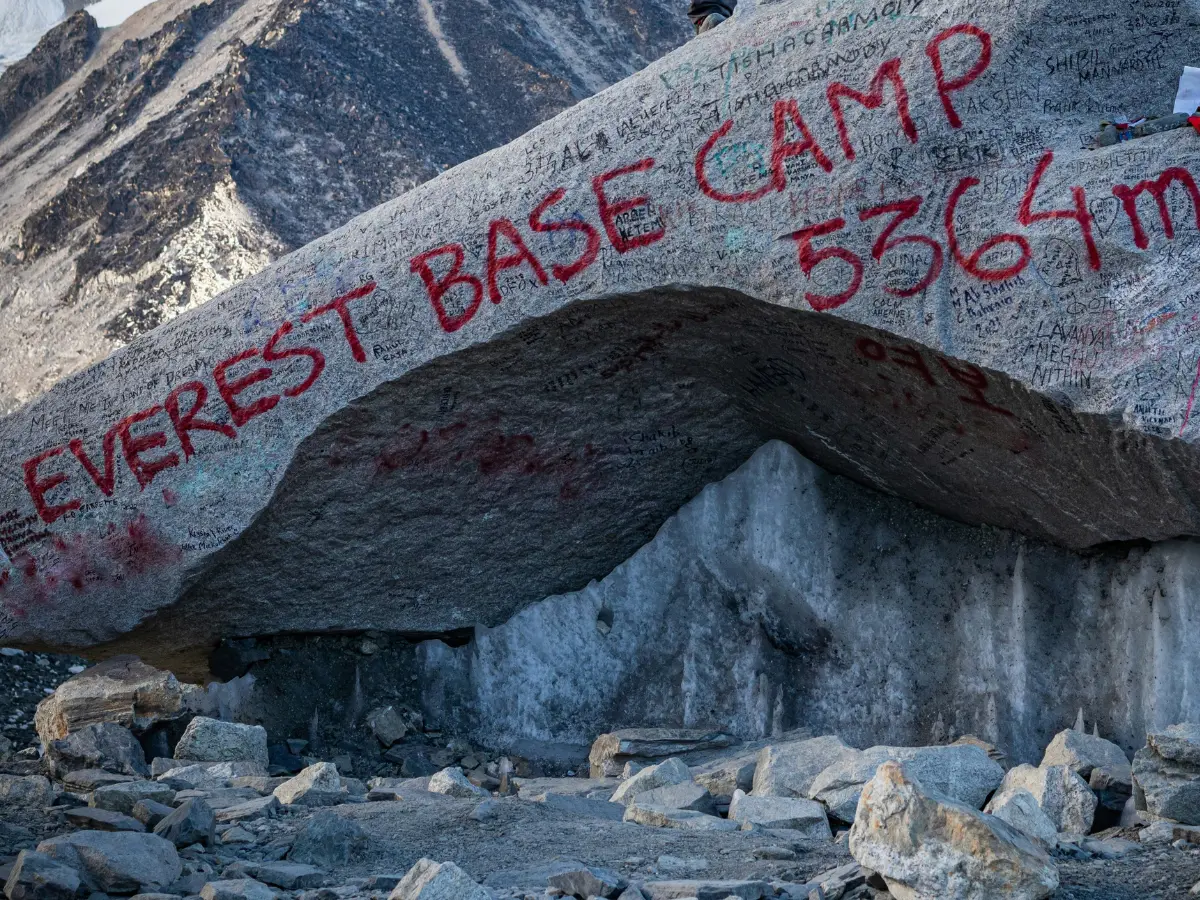)
Killing the Himalayas slowly: Human urine is melting a glacier on Mount Everest
Russian Deputy Prime Minister Alexander Novak said prices could rise to more than $300 a barrel.
In addition to the humanitarian disaster unfolding in Ukraine, the fighting and ensuing Western sanctions against Vladimir Putin’s Russia have sent a shock wave through the global economy.
Energy prices have surged worldwide, stocks have plummeted, and the food supply for many who rely on crops farmed in the fertile Black Sea region has been threatened.
Russia is the world's biggest exporter of oil and natural gas, and until now its energy exports had been exempted from international sanctions. Although the United States is not a leading buyer of Russian oil, its allies are likely to come under pressure to also wean their economies off Russian energy.
Europe is heavily reliant on Russian energy imports, and Western sanctions against Russia have so far not targeted oil and gas.
German Chancellor Olaf Scholz has called Russian energy supplies of "essential importance" for people's daily lives in Europe's biggest economy.
The US announcement will intensify the impact of the war on a global economy already suffering supply shortages and price surges as it lurches out of the pandemic crisis. In the United States, gas pump prices have already hit a record since Russia launched the invasion, worsening inflation that was already at 40-year highs.
US Senator Chris Coons, a Democrat, said the administration was coordinating with European allies "and making sure that we've done the groundwork to understand how to effectively implement a ban on Russian energy."
"We are going to see increased gas prices here in the United States. In Europe, they will see dramatic increases in prices. That's the cost of standing up for freedom and standing alongside the Ukrainian people, but it's going to cost us," Coons told CNN.
Buses carried civilians out of one embattled Ukrainian city Tuesday and supplies toward another, as officials tried to rescue people away from a Russian onslaught and ease the dire humanitarian situation for those still stuck.
On the 13th day of the invasion, Europe’s worst refugee crisis since World War II grew even more severe, with UNofficials reporting that 2 million people have now fled Ukraine.
Demands for ways to safely evacuate civilians have surged along with intensifying shelling by Russian forces that is also strangling cities, cutting off supplies of food, water and medicine as well as escape routes in tactics described by Ukrainian officials as reminiscent of medieval sieges.
(With inputs from agencies)