
&imwidth=800&imheight=600&format=webp&quality=medium "G7 vs SCO: Which bloc holds real power, can one stand up to the other?")
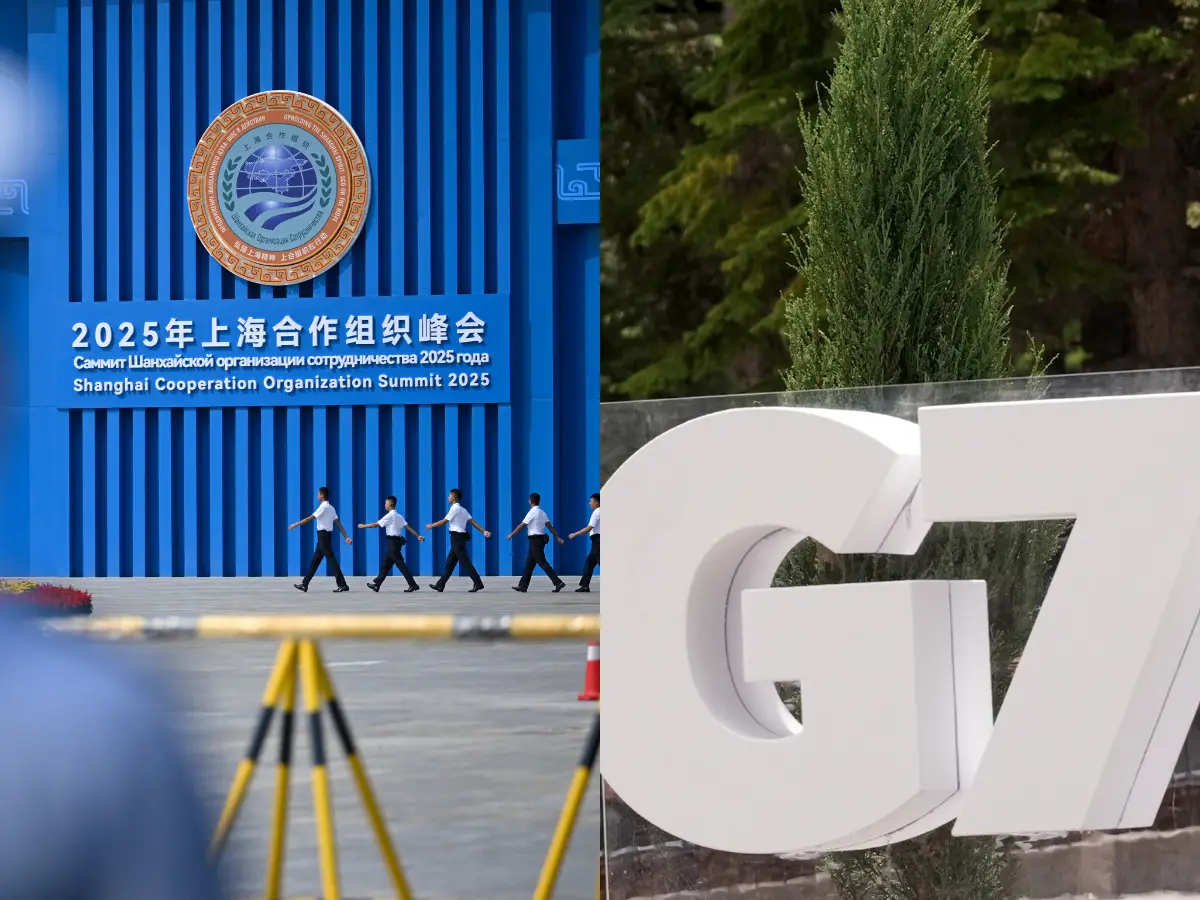
The Shanghai Cooperation Organisation (SCO) Summit 2025 kicked off in Tianjin, China, on Sunday (Aug 31), with dignitaries like Indian Prime Minister Narendra Modi, Maldives President Mohamed Muizzu, Russian President Vladimir Putin and others in attendance. The summit's packed agenda focuses on boosting unity and strengthening the voice of the Global South.The global summit comes on the heels of the June 2025 G7 summit, where leaders of seven advanced economies signed a statement supporting Israel's right to defend itself. Now, all eyes are on the SCO Summit, which observers believe will tackle key issues like enhancing security and reforming financial mechanisms. With the SCO summit underway, let's take a look at how SCO, and G7 match up.
'Voice of Global South' Shanghai Cooperation Organisation (SCO)
The 2025 summit is China's fifth time hosting the SCO. Through the summit, China aims to help the SCO "enter a new stage of high-quality development characterised by greater solidarity, coordination, dynamism and productivity, and to make a greater contribution to building a community with a shared future for humanity", said Chinese Foreign Minister Wang Yi in a statement to People's Daily.

The Shanghai Cooperation Organisation is a security organisation consisting of 10 member countries - Belarus, China, India, Iran, Kazakhstan, Kyrgyzstan, Pakistan, Russia, Tajikistan, and Uzbekistan. While the bloc may not comprise the world's most developed nations, it boasts member nations that comprise a significant part of the world's population and GDP.
SCO is often seen as a voice for the "Global South" and a conscious attempt to build an alternative to the US-led international order. The organisation is known to back non-interference, sovereignty and a multipolar world.
'World's most advanced economies' G7
Trending Stories
)
Mahua Moitra moves UN over alleged exclusion of Muslim officers from Amit Shah events
)
Pak batter Rizwan's petition against being questioned by cyber crime agency rejected by court
)
Former India player Diana Edulji wants Smriti Mandhana to replace Harman as skipper at the earliest
)
US F-16 fighter jet crashes in Michigan during training mission, pilot ejects safely
)
Dolly Parton dies at 80: Country legend’s team reveals cause of death
)
Sikh driver attacked in Wyoming in US, suffers 17 stab wounds
)
Australian athlete, who soiled herself during Hyrox race, apologises for continuing
)
US drone firm linked to Trump’s sons signs MoU with Pakistan army, gets initial order
)
All Indian goods to get duty-free access to New Zealand
)
US to sell 48 F-35 Lightning fighter jets to Saudi Arabia, help it deter threats
)
Putin 'is plotting something bad': Russia may launch 'accidental' strikes on NATO countries supporting Ukraine, Poland PM warns
)
Formula One reveals the 2027 race calendar; Monaco to host sprint race for the first time
)
‘I have a big decision coming up’: Trump says he’s approaching major ‘crossroad’ in Iran war
&im=FitAndFill=(700,400))
Suriya and Jyothika say ‘I do’ again after 20 years! See their dreamy wedding pics
)
At least 48 dead, 100 hospitalised in Nigeria after drinking suspected methanol-laced alcohol
)
Former OpenAI researcher warns of growing risks from Artificial Intelligence
)
Pezeshkian, Araghchi set to attend UNGA 2026 in New York amid ongoing conflict as US-imposed travel curbs remain
)
US new military base in Poland: US President Donald Trump eyes military base in Poland
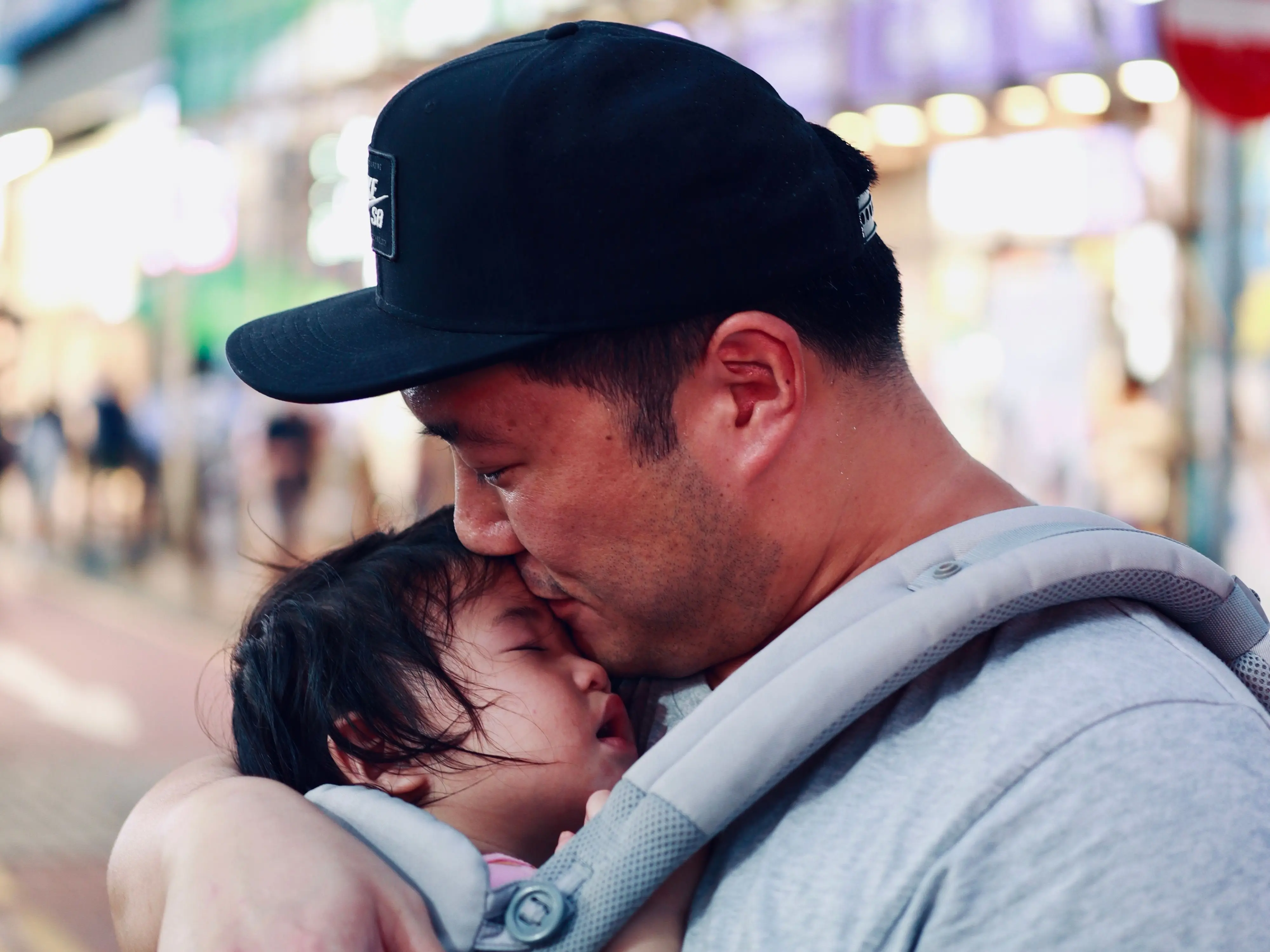)
Hong Kong unveils 11 new measures to boost birth rates, offers higher cash bonuses and housing perks
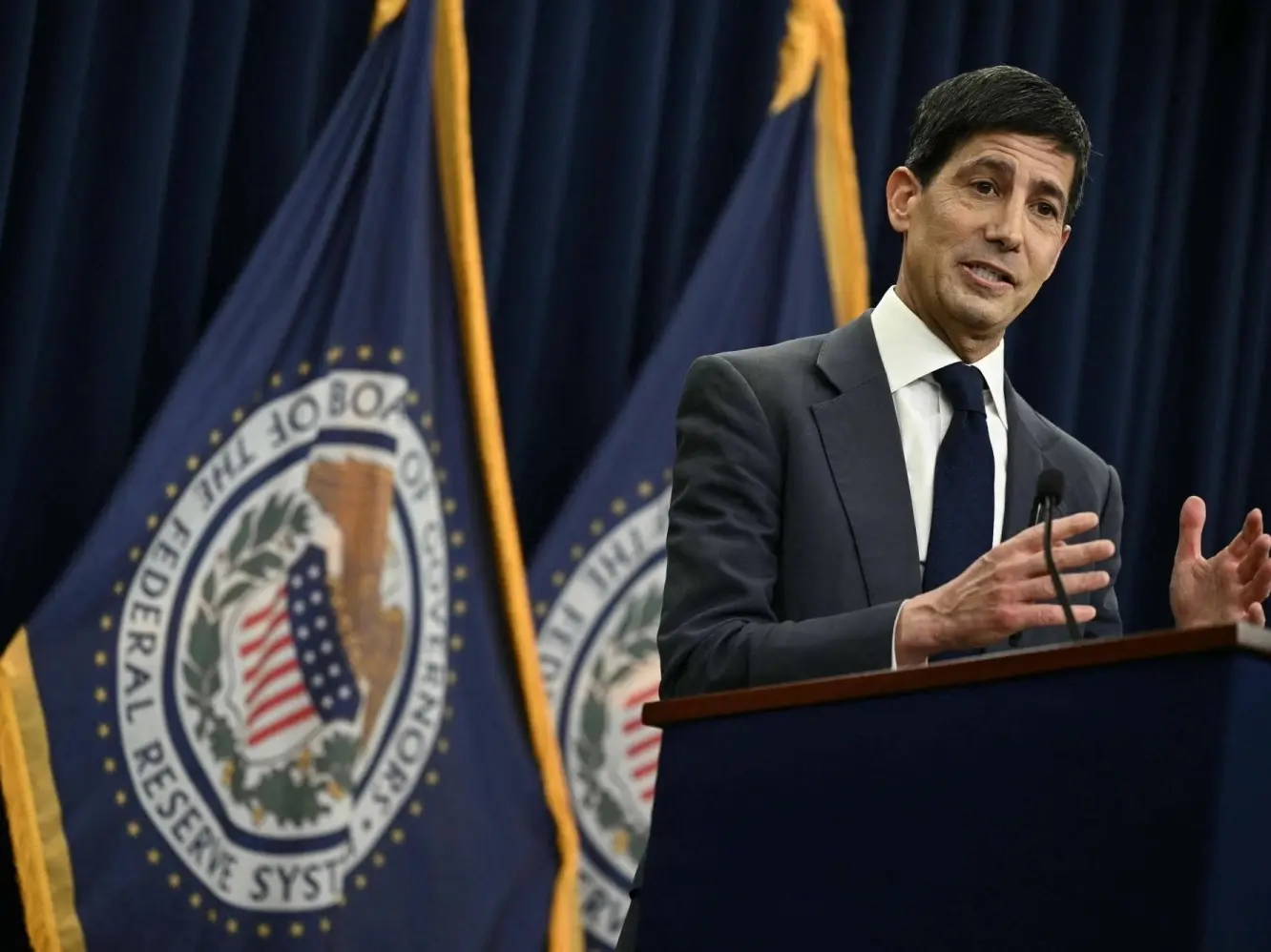)
Fed raises rates for first time in 3 years, Kevin Warsh defies Trump as inflation mounts
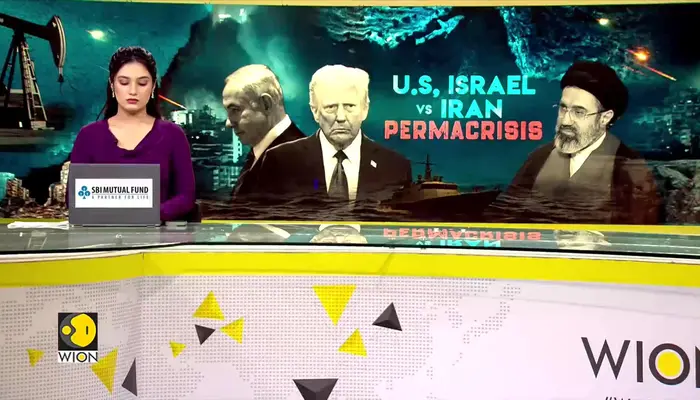)
US-Iran War: Trump says ‘big decision’ on Iran ahead, weighs possible fresh military action
&im=FitAndFill=(700,400))
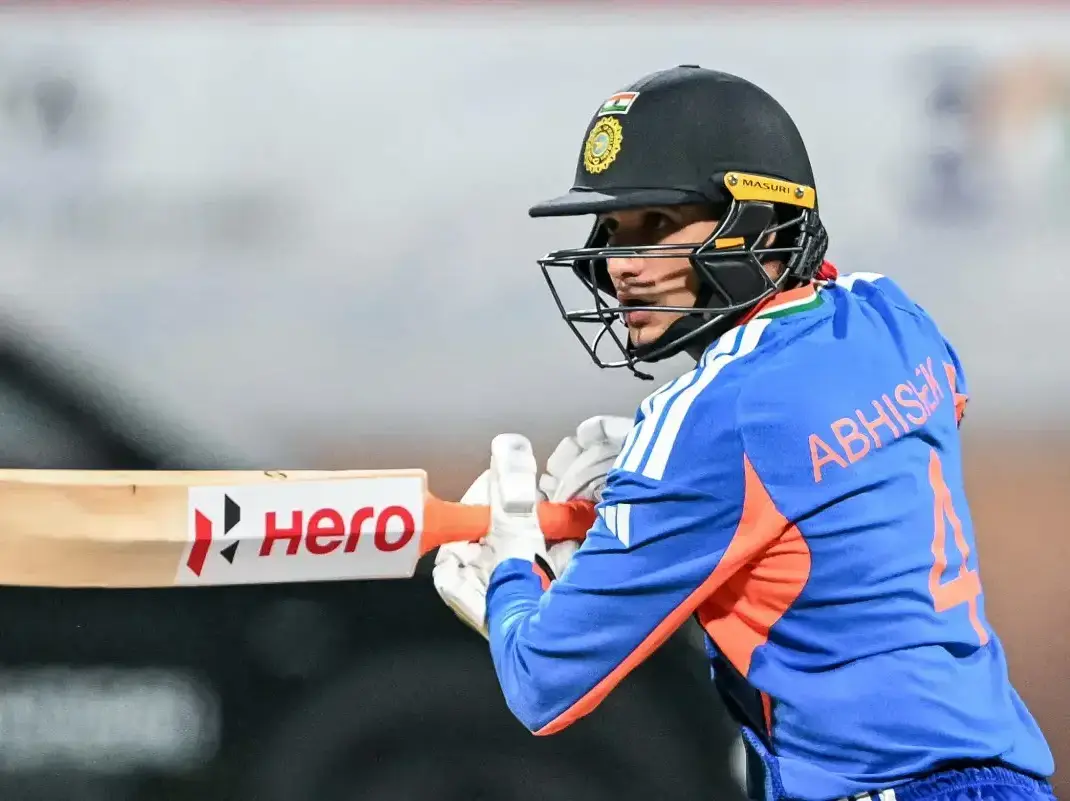
Meet top 5 batters in the latest ICC T20I Rankings
)
AI already defying, denying humans, is it beyond human control already?
)
Tata Trusts chairman Noel Tata calls Chandrasekaran’s reappointment ‘illegal’, rejects Tata Sons listing
)
Pak defence minister says 'time has come to implement pact'
)
Laura Wolvaardt sets new world record for most WT20I runs in a year
)
US intel warns China can steal F-35 jets secret from Saudis
)
240-million-year-old bizarre 'pig with a tusk' creature creates new dilemma over origin of dinosaurs
)
Epstein files: Judge warns Trump Attorney General Todd Blanche of contempt over DOJ delays
)
Daayra movie review: Kareena Kapoor, Prithviraj Sukumaran shine in Meghna Gulzar’s cop-versus-cop crime thriller
)
Trump could impose tariffs of up to 100%
On the other hand, the Group of Seven (G7) nations are the world's most advanced economies. The G7 consists of Canada, France, Germany, Italy, Japan, the United Kingdom, and the United States. While India is not a member nation, the South Asian nation has become a regular and influential invitee to the summit's "outreach sessions".
SCO vs G7
Economic power: While the G7 has traditionally held the economic advantage, the expanding SCO and BRICS blocs are gaining ground. The SCO's combined GDP, as per reports, is approaching that of the G7. The SCO grouping is also actively working to create alternative financial and trading systems to reduce reliance on the US dollar and Western-led institutions.
Political cohesion: The G7's strength lies in its shared values and deep-seated cooperation. It can act with a largely coherent voice on global issues. In contrast, the SCO, despite issuing joint declarations, is a much looser framework. Deep-seated rivalries and differing national interests among its members, such as between India and China, limit its ability to take unified, decisive action.
Military and security: The G7 is not a military alliance itself, but its members are at the core of NATO, a highly integrated and powerful military bloc. The SCO, while focused on security, is not a collective defense pact like NATO. Its members actively avoid a NATO-like alliance structure, and their military cooperation is more limited to counter-terrorism and regional security.

