&imwidth=800&imheight=600&format=webp&quality=medium "Fed hikes rates to 4%: Why India’s rupee, FPI and stock market face pressure")
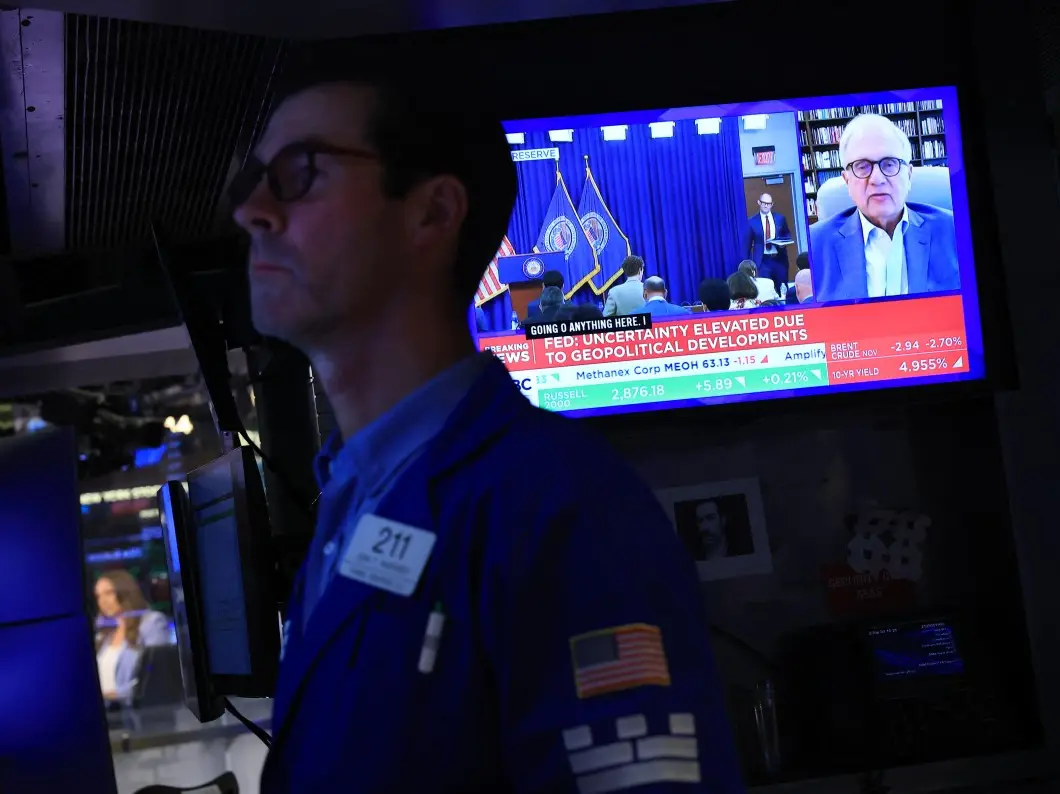
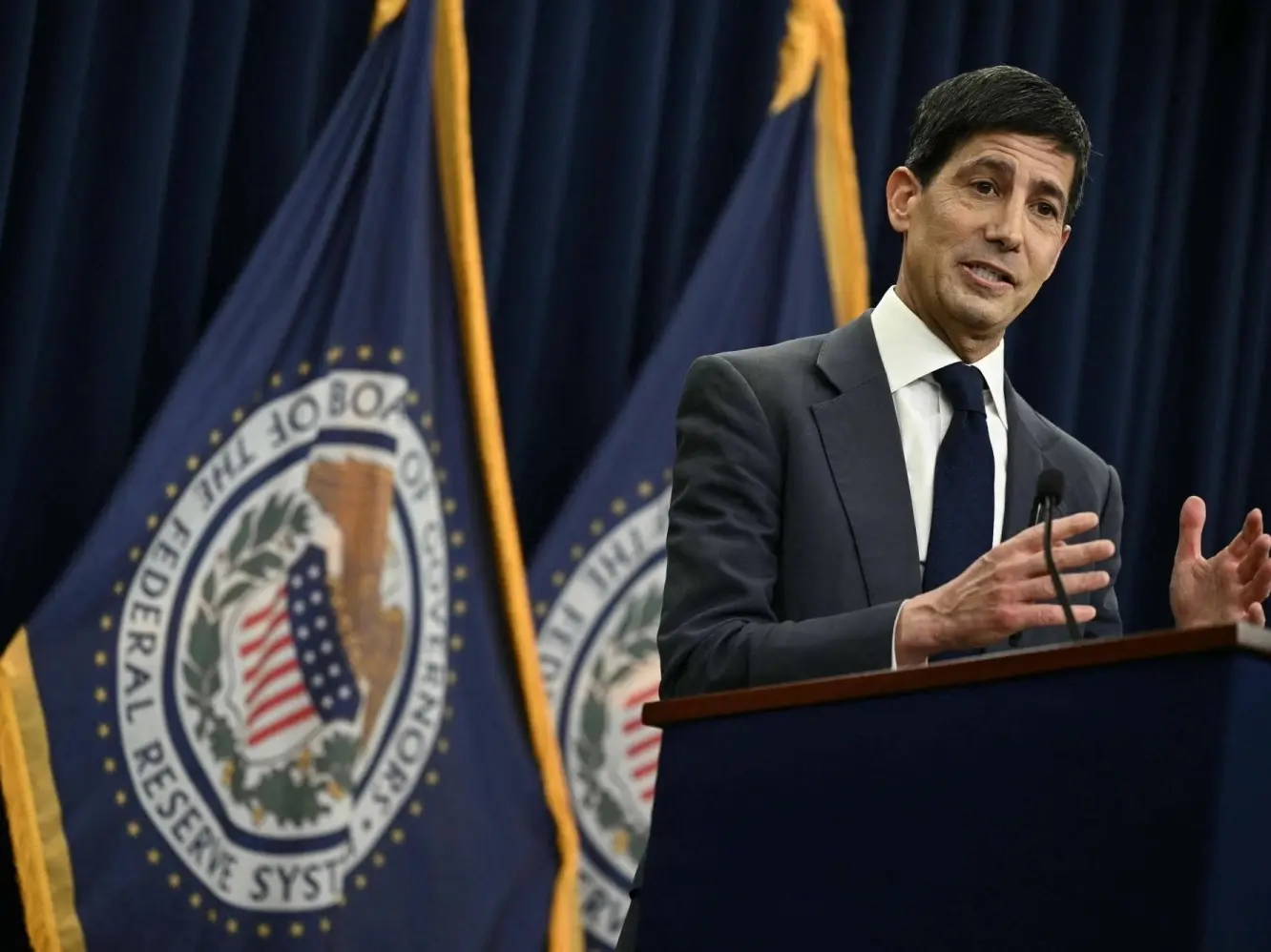
The US Federal Reserve has raised interest rates by 25 basis points on Wednesday, September 16, 2026, for the first time since July 2023, following its unanimous 12-0 vote. The new Fed Chair Kevin Warsh raised the interest rate from 3.75 per cent to 4 per cent, and the impact is likely to be felt beyond the US, from rupee and bond yields to the Indian stock market and direct FPIs. This comes despite US President Donald Trump urging that the rates are too high, and specifically supporting Warsh to deliver a much-needed rate cut. According to the Fed's Summary of Economic Projections, 16 out of 18 officials project at least one more quarter-point rate hike by the end of 2026.
Why did the Fed hike rates?
On the surface, the explanation provided was inflation. US consumer inflation rose 0.4 per cent in August and 3.4 per cent over the last 12 months, well above the 2 per cent target. The Fed believes that the rate hike should bring inflation back towards its projected goal. The higher interest rates are expected to slow down demand by increasing borrowing costs. It is also likely to raise mortgages, car loans and student loans, etc.

Will inflation drop?
This inflation is not related to a demand problem, but a supply shock. The Iran war has pushed oil prices well above $105 per barrel. Further, the AI buildout itself has created massive asset bubbles. A few corporations are circulating capital among themselves, calling it revenue. It is hardly surprising AI CEOs are calling for a slowdown. Some officials described it as a serious concern, an inflation risk, alongside the energy shock. Officials framed the rate hike as trying to keep near-term price shocks from becoming a persistent inflation problem, not as a claim that hiking will bring gas prices down.
Trending Stories
)
No Pandya as Auqib Nabi earns maiden ODI call-up; Mayank returns for WI T20Is| check full squads
)
Trump praises India’s Opium crackdown, hails anti-drug efforts
Mandakini breaks silence on Dawood Ibrahim photo: 'I was not invited by him'
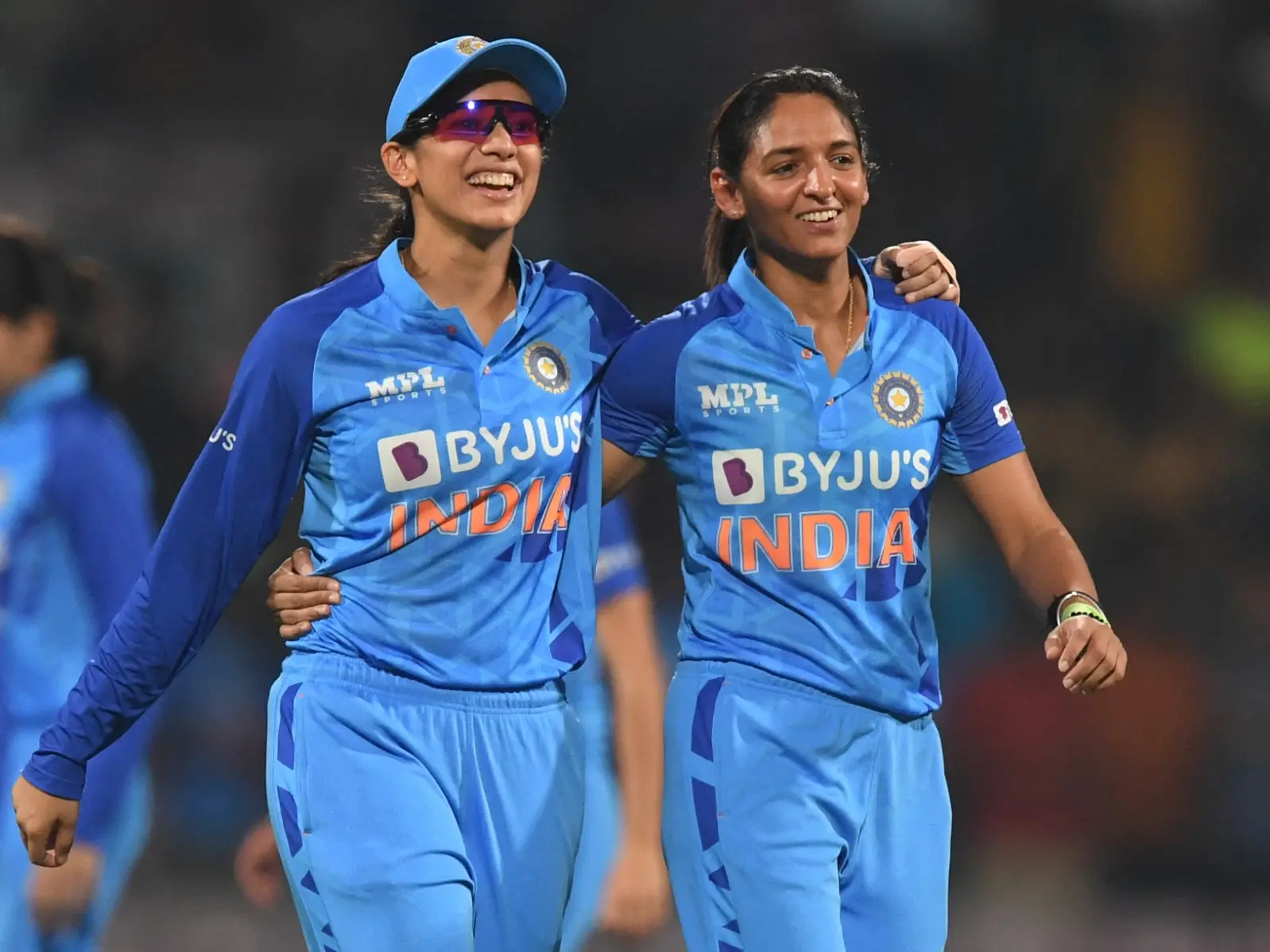)
Former India player Diana Edulji wants Smriti Mandhana to replace Harman as skipper at the earliest
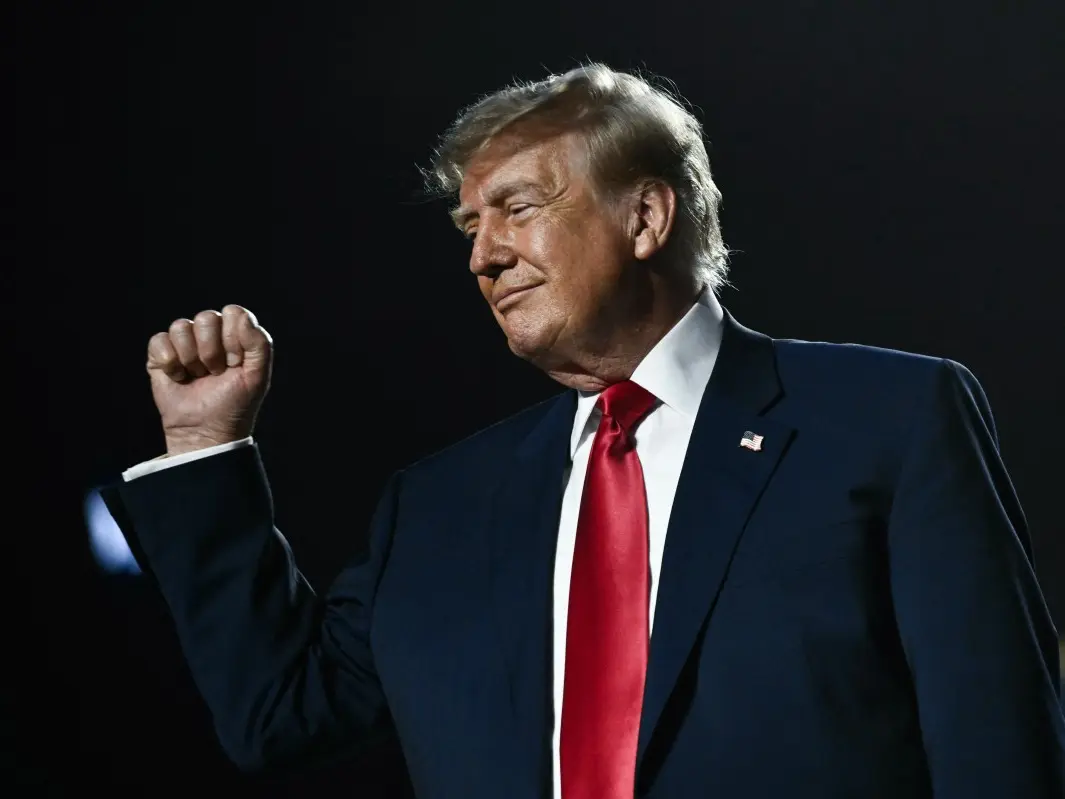)
Trump calls Canada-EU associate membership plan ‘laughable’ and threatens 'very serious tariffs'
)
Protests erupt over migrant housing plan in Piddington
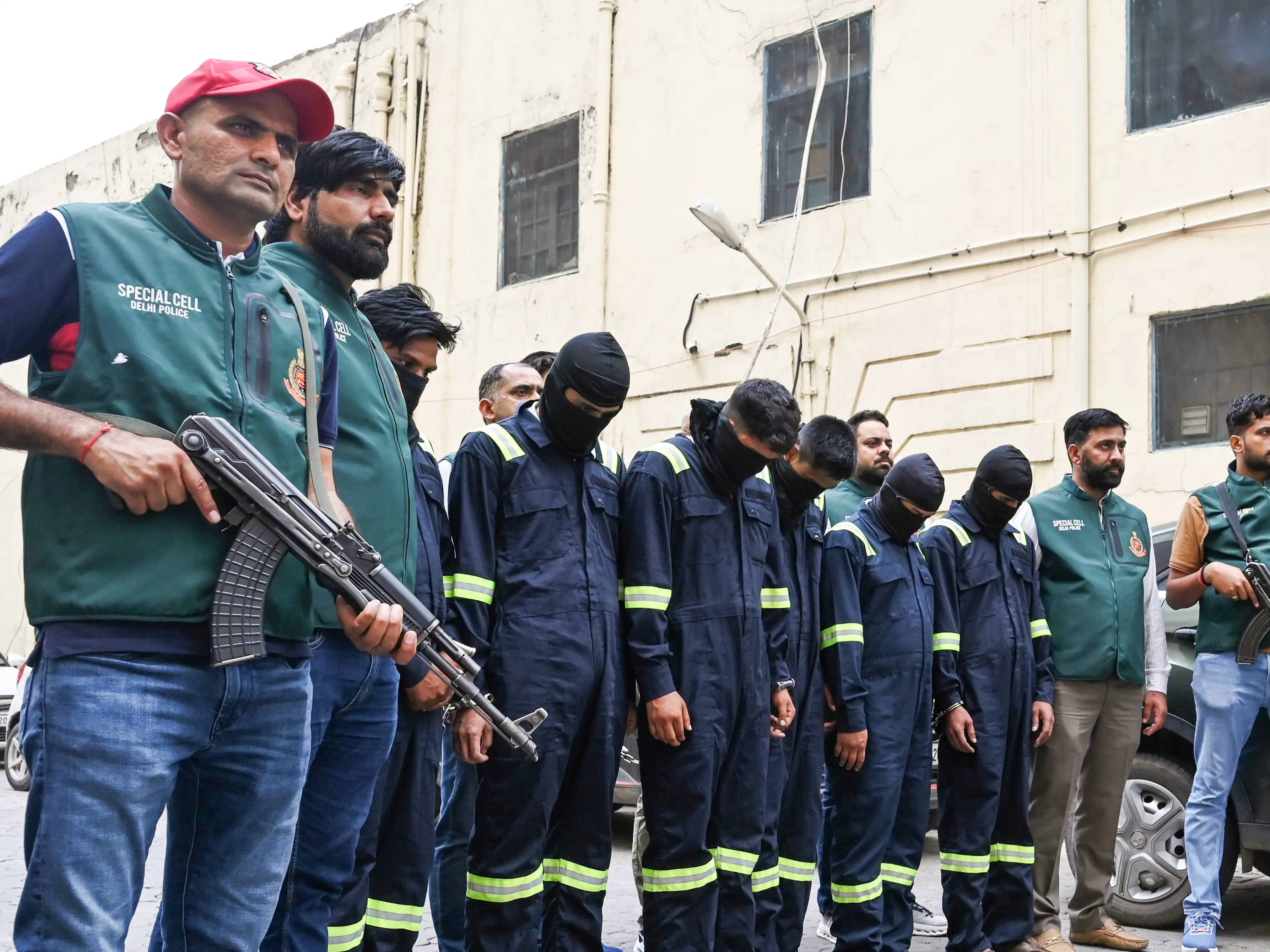)
Shahzad Bhatti Network declared terrorist organisation under UAPA: Govt order
)
Europe wants a common playbook for security threats, seeks security beyond NATO
)
240-million-year-old bizarre 'pig with a tusk' creature creates new dilemma over origin of dinosaurs
)
Formula One reveals the 2027 race calendar; Monaco to host sprint race for the first time
)
All Indian goods to get duty-free access to New Zealand
)
Bigg Boss 20: Mahhi Vij reveals she lost Yuva role to Kareena Kapoor; 'didn’t work out in my favour'
)
Lionel Messi for 2026 Ballon d’Or over Mbappe and Yamal, says Diego Simeone
)
US House votes 417-3 to pass Ratepayer Protection Act targeting AI data center electricity costs
)
Hong Kong unveils 11 new measures to boost birth rates, offers higher cash bonuses and housing perks
)
Former OpenAI researcher warns of growing risks from Artificial Intelligence
)
Veteran actor Anant Nag honoured with Indian cinema’s highest award
)
Wildfire tears through forests in Spain's Valencia
)
AUS vs SA: Steve Smith still gets 'little flashbacks' from sandpaper gate
)
PM Modi’s 76th birthday: From Akshay Kumar to Shilpa Shetty, Bollywood celebs extend warm wishes
)
Pakistan naval vessel returns to harbour with 'severe damage' after collision with Indian warship in Arabian Sea
)
Fed raises rates for first time in 3 years, Kevin Warsh defies Trump as inflation mounts
)
Katrina Kaif’s postpartum weight is not the problem; your gaze is
)
Taiwan seeks deeper India ties as direct flights restart soon and chip projects advance
)
Daayra movie review: Kareena Kapoor, Prithviraj Sukumaran shine in Meghna Gulzar’s cop-versus-cop crime thriller
)
Saudi Vs Houthis: Yemeni military rebels clash with Houthis
)
Pak batter Rizwan's petition against being questioned by cyber crime agency rejected by court
)
US trade tariff: 100% tariff targets Russian buyers amid trade tensions
)
Pakistan: Imran Khan's sons Kasim & Sulaiman claim their father is 'tortured' in jail
&im=FitAndFill=(700,400))
New OTT releases this week (September 14-20, 2026): Lust Stories 3, Waiting Hai, Irumudi- 5 new titles coming on Netflix, Prime Video and more
)
Ebola outbreak: WHO sees encouraging signs in fight against Ebola outbreak
)
Trump gets new power to hit India, China with up to 100% tariffs as US Senate clears Russia sanctions bill
)
‘Imagine 50 AI fighters cornering one manned jet’: India’s mobbing doctrine eyes a new era of air warm
)
Saudi vs Houthis: Riyadh claims to have shot Houthi drone targeting Mecca
)
US Treasury rallies global financial institutions for Op Economic Outcast to isolate Iran
)
Want to get married within a year? Why 18 lakh people rush to Jaipur for ‘sacred henna’
)
Pakistan boycotts chess match against Israel at Olympiad
)
UN General Assembly 2026: What is veto power. Which countries have it and how does it work?
&im=FitAndFill=(700,400))
Suriya and Jyothika say ‘I do’ again after 20 years! See their dreamy wedding pics
)
Abhishek Sharma rises to No. 2 in T20Is; ENG’s Robinson 3rd after record Pakistan Tests
)
Laura Wolvaardt sets new world record for most WT20I runs in a year
)
The Early Spring season 2 is happening, but fans have one request - 'don't change the actors'
)
Officials are also expecting to stop the elevated energy costs from bleeding into broader inflation expectations and wage-price spirals. Core CPI, which excludes food and energy prices, stood at 0.3 per cent for August and 2.4 per cent annually, which is elevated, meaning that inflation has already spilt over into other parts of the economy.
What does it mean for the Indian rupee, dollar and FPI?
The dollar has strengthened following the rate hike. It eased by 0.2 per cent after rising 0.7 per cent in the prior session. Other assets from developing economies are already feeling the heat. The rupee is flirting with the psychological 96-per-dollar level; it fell to an intraday low of 96.10 before staging a recovery to close flat at 95.89. Foreign Portfolio investment is also likely to drop as global investors find dollar-dominated assets more attractive. Overseas investors are aggressively hedging, as stop-loss orders are kicking in, which can keep pressure on the rupee even without fresh bad news. It is not just driven by the strength of the dollar; a double whammy with crude prices continuing above the psychological $100 mark. Sensex was volatile, with significant intraday swings and closing nearly flat, down marginally by 21.86 points.
The dollar is seeming strong in the short term, but persistently high borrowing costs will push US debt even higher. The long-term prospect of $40 trillion in debt does not look good for Uncle Sam. The interest is already more than $1.2 trillion higher than the US defence budget. This financial burden of servicing it is unlike anything ever seen in history.
Rate hike looming for India
The Fed's move was mirrored in the European Central Bank, which also raised interest rates by 25 basis points. Bank of Japan is also likely to follow with a rate hike to a 31-year high this Friday, September 18. With all major banks following the new regime, it is also imperative that the Reserve Bank of India revise its policy of holding rates. India has also seen CPI at 4.8 per cent for August, well above the target of 4 per cent, generalised for the third straight month. In fact, the minutes of the last MPC meeting point in that direction. The RBI has already announced Open Market Operations (OMO) sales to soak up the extra liquidity ahead of the festive season to align the Weighted Average Call Rate (WACR) with the policy repo rate.