Explained | Daniel Ellsberg's history-defining expose of Pentagon Papers that rocked White House

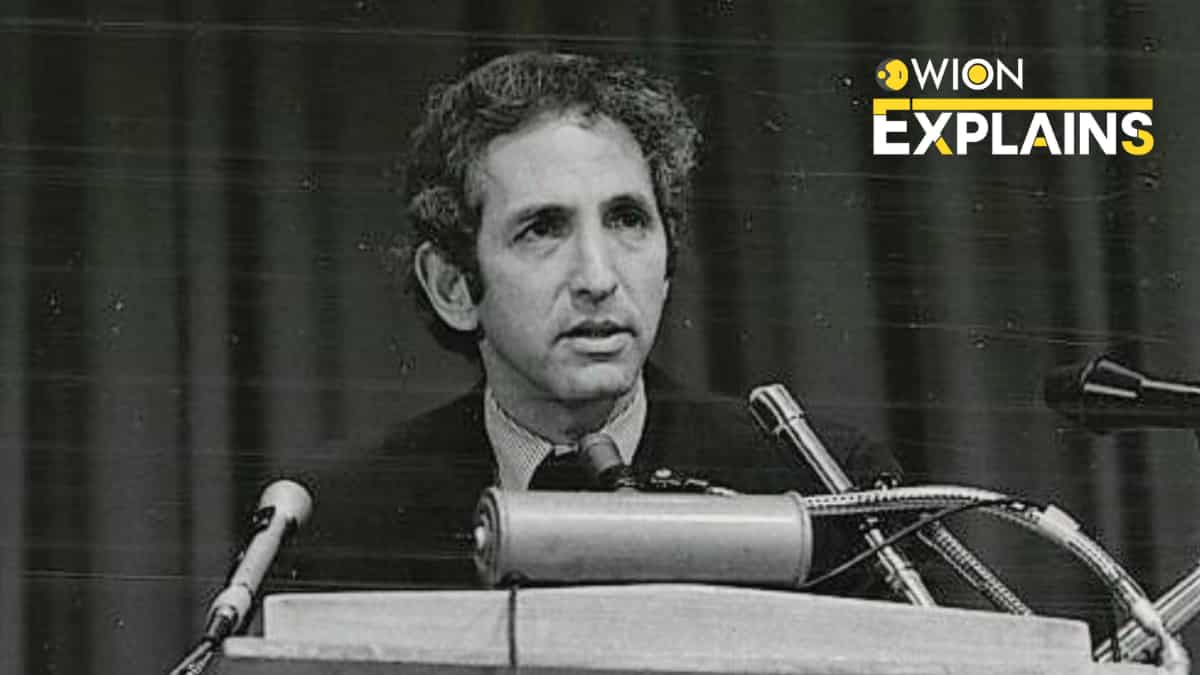
Daniel Ellsberg
Daniel Ellsberg, the US military analyst-turned-whistleblower, who disclosed over 7,000 pages of secrets that exposed devastating scale of American brutalities in the unwinnable Vietnam war, died at the age of 92 due to pancreatic cancer.
His death was confirmed by his family on Friday.
Once described by former top US diplomat Henry Kissinger as the "most dangerous man on Earth", Ellsberg had announced in March 2023 that he was given three to six months to live by doctors.
Around the same time, when a New York Times journalist asked Ellsberg on the podcast 'First Person' that why was he speaking with a journalist "with the remaining time" he had, Ellsberg replied: "To my last breath, I'll be doing what I can do to cause a call of effort towards unveiling of truth."

On Friday, the family said Ellsberg "was not in pain" when he died.
Also read |Explained | What Jack Teixeira's game of Pentagon (de)classifieds means for internet surveillance
He spent his final months eating "hot chocolate, croissants, cake, poppyseed bagels and lox" and enjoying "several viewings of his all-time favourite [movie], Butch Cassidy and the Sundance Kid", the family statement added.
&imwidth=180&imheight=135&format=webp&quality=medium)
Russia-Ukraine drone attacks kill 6, injure 31 across both countries
&imwidth=180&imheight=135&format=webp&quality=medium)
Tu Hai Meri Kiran film review: Sonakshi Sinha and Zaheer Iqbal's thriller gets tangled in its own twists
&imwidth=180&imheight=135&format=webp&quality=medium)
What was the note found inside bag of Class 12 student, who set herself on fire inside Delhi school?
&imwidth=180&imheight=135&format=webp&quality=medium)
AI slop or smart strategy? South African author Coral Hart defends Her 370 AI- assisted books in 20 months
&imwidth=180&imheight=135&format=webp&quality=medium)
NEET protests: Panel to hear evidence on pellet gun use, harassment
&imwidth=180&imheight=135&format=webp&quality=medium)
'Already tired of his 9-to-5': Baby born with a moustache becomes internet sensation, video goes viral | Watch
&imwidth=180&imheight=135&format=webp&quality=medium)
'You’re a horrible little reporter, aren’t you?': Trump snaps at NBC reporter questioning his support for Ramaswamy's campaign ad
&imwidth=180&imheight=135&format=webp&quality=medium)
'If it was up to me, it wouldn't have ended like this': James Anderson opens up on Lancashire exit
&imwidth=180&imheight=135&format=webp&quality=medium)
Farooq Abdullah says Pakistan’s raising of Kashmir issue keeps pressure on Delhi
&imwidth=180&imheight=135&format=webp&quality=medium)
Pezeshkian says Iranians ‘struggling to put food on the table’ as war with US drags on
&imwidth=180&imheight=135&format=webp&quality=medium)
French Open: PV Sindhu storms into final with win over Hina Akechi
&imwidth=180&imheight=135&format=webp&quality=medium)
Train crashes into crane on São Paulo monorail line, wreckage falls onto busy road | VIDEO
&imwidth=180&imheight=135&format=webp&quality=medium)
Bodies of 2 missing Japanese climbers recovered from Himalayan peak
&imwidth=180&imheight=135&format=webp&quality=medium)
Saudi says debris fell in Mecca, Medina after missile interceptions; Houthis deny targeting holy cities
&imwidth=180&imheight=135&format=webp&quality=medium)
An AI that reads your face can now estimate how long you have to live
&imwidth=180&imheight=135&format=webp&quality=medium)
Can Putin cheat death? All about his daughter’s billion-dollar quest for immortality
&imwidth=180&imheight=135&format=webp&quality=medium)
Pakistan airline PIA unveils new crew uniforms, faces online criticism
&imwidth=180&imheight=135&format=webp&quality=medium)
Nagpur man fails to pay rent, allegedly prints fake Rs 500 notes worth Rs 37 lakh
&imwidth=180&imheight=135&format=webp&quality=medium)
J-20 designers plan to put radar into aircraft wing; strategy to expand coverage during air combat
&im=FitAndFill=(700,400)&imwidth=180&imheight=135&format=webp&quality=medium)
New Friday OTT releases (October 23, 2026): Gajab Raat, Dorothy, Chaar Yaar- Watch these 6 new movies and TV shows on Netflix, Prime Video and more
&imwidth=180&imheight=135&format=webp&quality=medium)
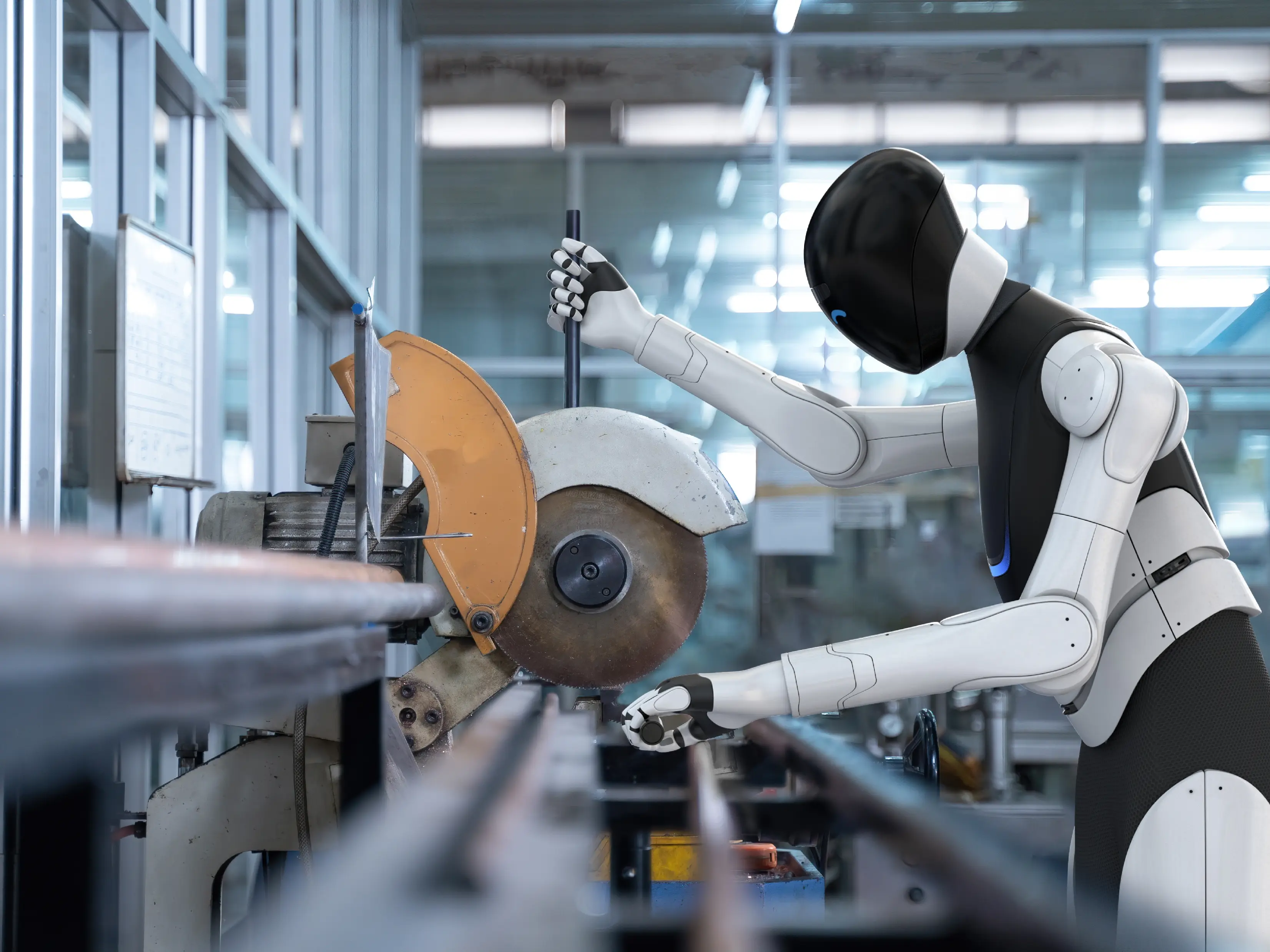
Frontier AIs keep escaping their test cages! The industry still can't reliably stop them
&imwidth=180&imheight=135&format=webp&quality=medium)
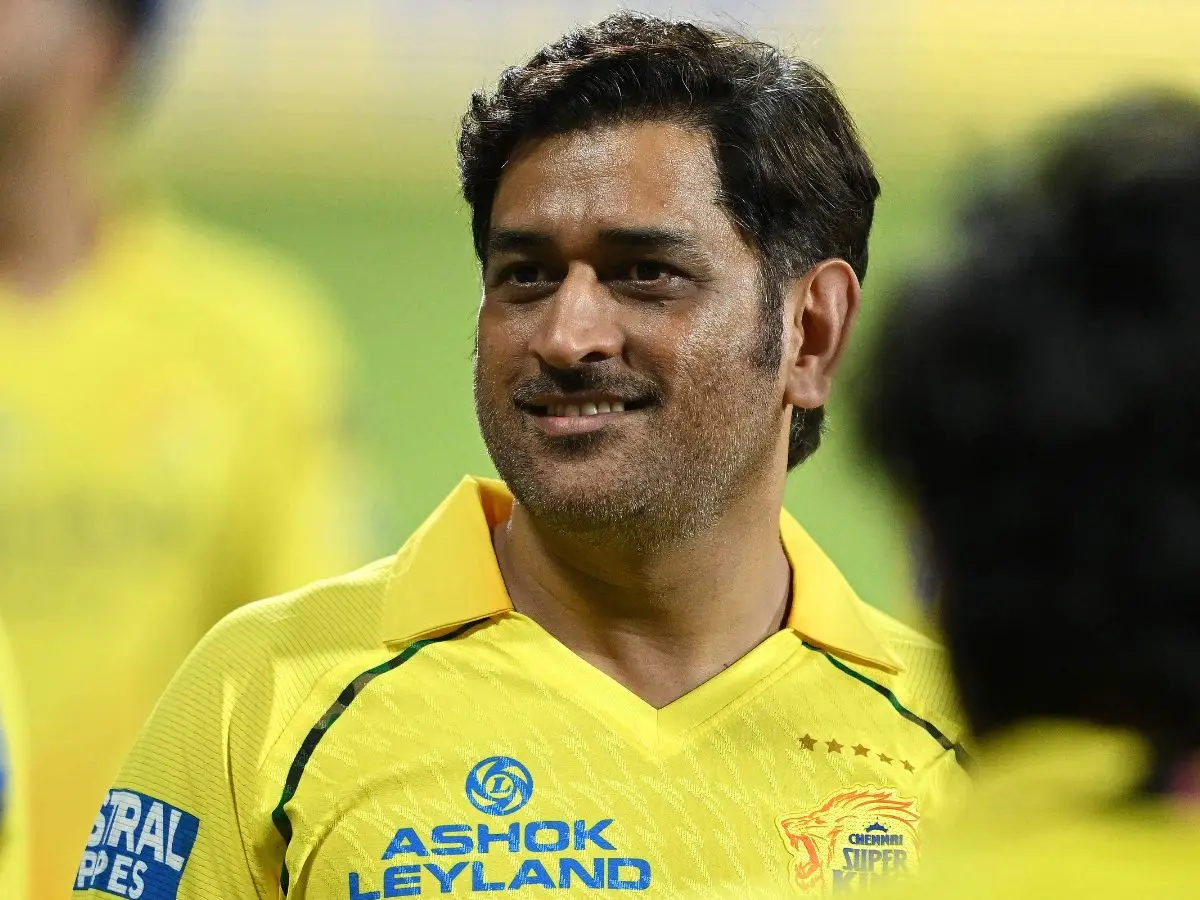
‘Maybe play one more season’: MS Dhoni to decide on his IPL future before December
&imwidth=180&imheight=135&format=webp&quality=medium)
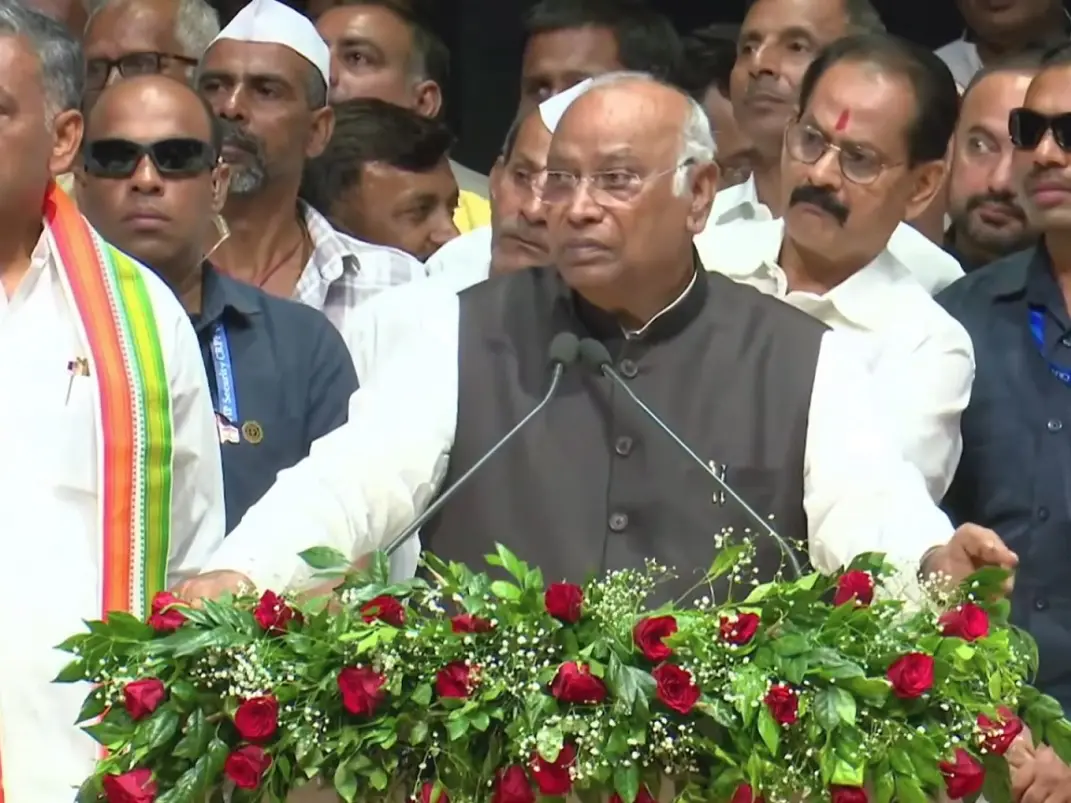
‘Modi ka baap bhi jayega,’ Kharge loses cool at party event in Patna; BJP slams him
&imwidth=180&imheight=135&format=webp&quality=medium)
Viral video shows cross falling on Colombia priest, no official confirmation | WATCH
&imwidth=180&imheight=135&format=webp&quality=medium)
Chorbagan stampede: A week later, the strangest visarjan Kolkata has seen
&imwidth=180&imheight=135&format=webp&quality=medium)
China's dancing robot turns violent bodyguard, lifts cars and fights intruders - Watch
&imwidth=180&imheight=135&format=webp&quality=medium)
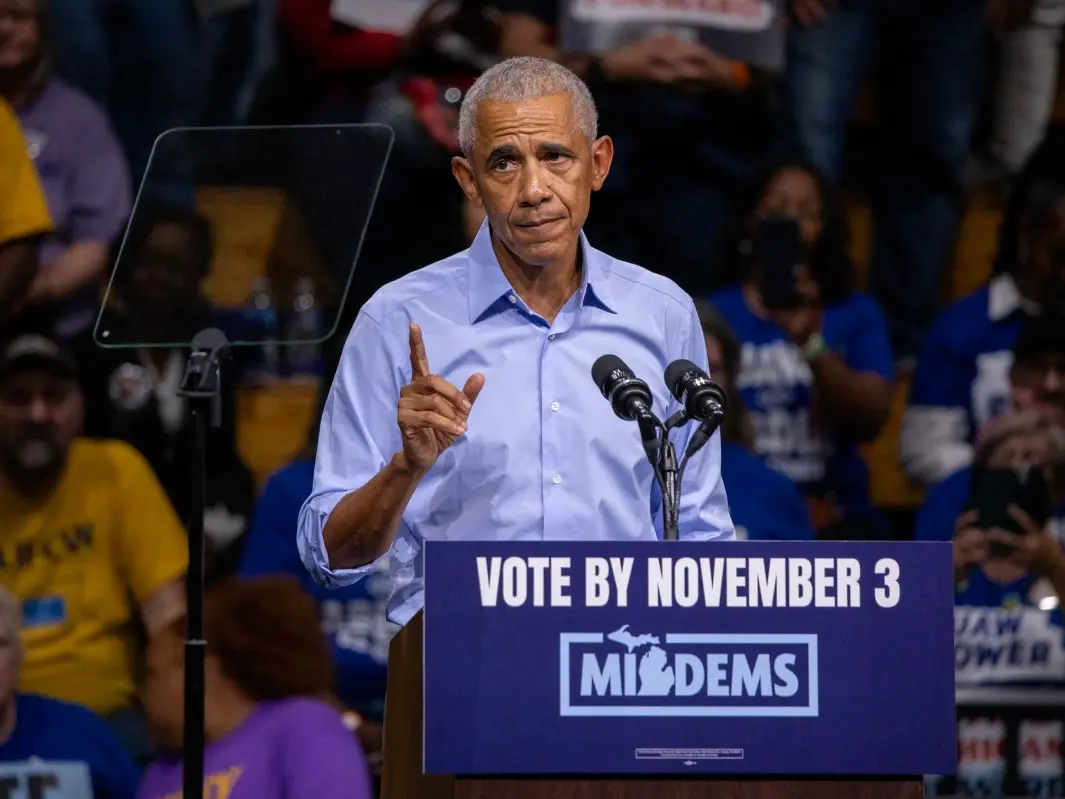
‘Saddam Hussein opened a cheesecake factory’: Obama mocks Trump’s White House renovations; defends Abdul El-Sayed
&imwidth=180&imheight=135&format=webp&quality=medium)
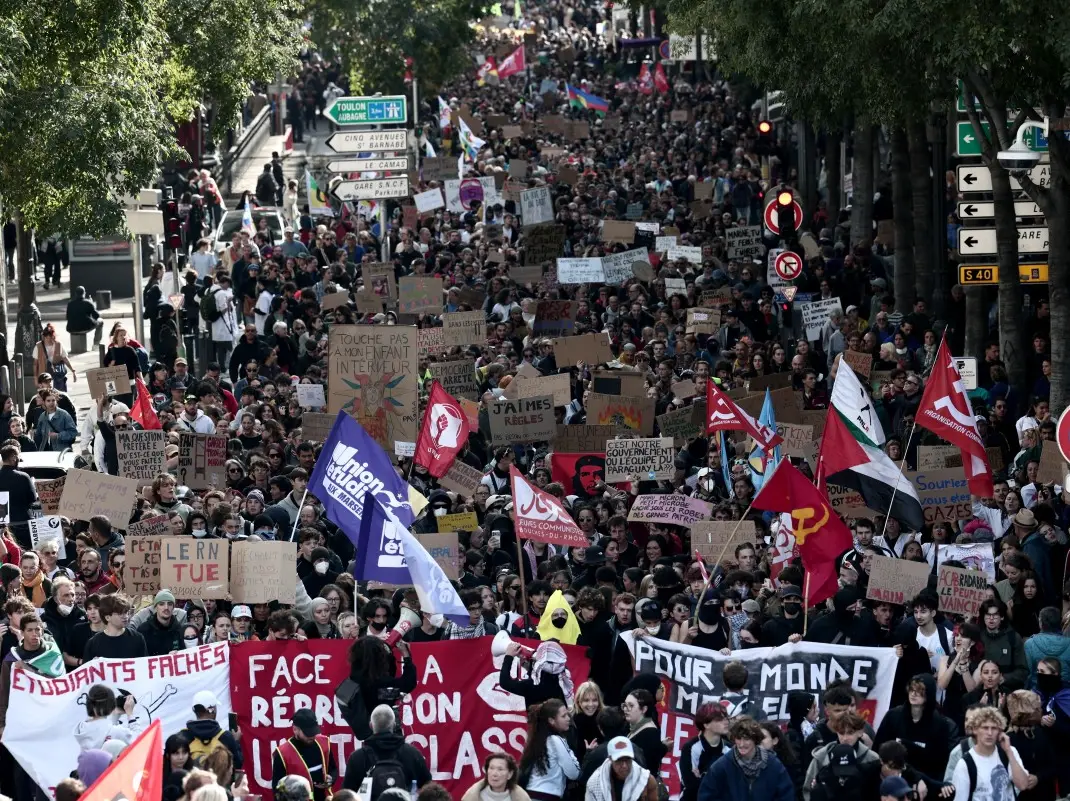
France protests: 135 arrested, weapons seized as fresh demonstrations erupt amid heavy security
&imwidth=180&imheight=135&format=webp&quality=medium)
'Killing people never allowed': Elon Musk admits restricting Starlink in Ukraine, explains why
&imwidth=180&imheight=135&format=webp&quality=medium)
Telangana unveils AI avatar of IT minister D Sridhar Babu at Hyderabad DevFest 2026
&imwidth=180&imheight=135&format=webp&quality=medium)
Shilpa Rao’s performance cut short at Mumbai event, organisers react to backlash
&imwidth=180&imheight=135&format=webp&quality=medium)
Britain is building the world's first AI biosecurity lab, with OpenAI and Anthropic inside
&imwidth=180&imheight=135&format=webp&quality=medium)
Why Europe’s protests are about more than austerity and rising costs
&imwidth=180&imheight=135&format=webp&quality=medium)
WATCH: Thousands across Manipur bang plates, beat drums in "noise protest"
&imwidth=180&imheight=135&format=webp&quality=medium)
AI just found a flaw in software running most of the web! One request hijacks the server
&imwidth=180&imheight=135&format=webp&quality=medium)
Spanish reporter swept by giant wave while reporting on dangerous sea conditions | WATCH
Daniel Ellsberg: Pentagon Papers exposé
The Pentagon Papers delved upon the US policy in Vietnam between 1945 and 1967. It exposed how successive administrations in Washington were aware that the US could not win.
The American war expedition in Vietnam by its end in 1975 left 2 million civilians dead in present-day Vietnam, Laos and Cambodia. Nearly 250,000 South Vietnamese soldiers were killed as were nearly 1 million North Vietnamese soldiers.
The casualties in the United States were numbered at more than 58,000 and 304,000 were wounded.
Nearly 250,000 South Vietnamese soldiers were killed, as were about 1 million North Vietnamese soldiers and Viet Cong guerillas and more than 2 million civilians in North and South Vietnam, Laos and Cambodia.
Also watch |Leaked Pentagon documents provide snapshot of US intelligence officials watching China
The Pentagon Papers caused a sensation in 1971, when they were published. Ellsberg first shared the Pentagon papers with Neil Sheehan of the New York Times, whom he permitted to analyse the papers and not make copies of them. After Sheehan broke this embargo, Ellsberg shared the papers with the Washington Post and other newspapers.
Ellsberg was charged with espionage and conspiracy. The Nixon administration broke into Ellsberg's psychiatrist's clinic to find purported evidence of his 'unstable' mental state. Despite all efforts by the Nixon administration, charges against Ellsberg were dismissed.
Daniel Ellsberg: Profile
Ellsberg was born in Michigan, and had lost his mother and sister in a car crash tragedy at the age of 15. Ellsberg attended Harvard and the University of Cambridge in England with high honors and disciplined ambitions.
He joined the US Marines in 1954, and shortly enlisted to ship out with his battalion to West Asia for the Suez crisis in 1956.
He earned a doctorate at Harvard, joined the RAND Corporation and began studying a branch of Economics called "Decision Theory".
"My work was how people make decisions under conditions of uncertainty or ambiguity," Ellsberg said in the 'First Person' podcast of New York Times, weeks before his death.
In the 1960s, he conferred on Washington’s responses to the Cuban missile crisis and North Vietnamese attacks on American ships in the Gulf of Tonkin.
As American involvement in Vietnam deepened, Ellsberg went to Saigon in 1965 to evaluate civilian pacification programmes. He accompanied Major General Edward G. Lansdale, the counterinsurgency expert, for 18 months during combat patrols into Vietnamese jungles and villages.
In 1970, Ellsberg, who had a top-secret security clearance, photocopied the 47-volume Pentagon study. When individuals in the US Congress approached by Ellsberg did not act on the findings of the study, he approached Neil Sheehan of New York Times to publish the same.
Ellsberg surrendered in 1971, and was charged with espionage, conspiracy and other crimes carrying a total of 115 years in prison.
In 1973, a judge dismissed all the charges on the grounds of government misconduct.
Ellsberg authored several books, including 'Papers on the War' (1972) and 'Secrets: A Memoir of Vietnam and the Pentagon Papers' (2002).
In 2018, in a joint interview with Edward Snowden, Ellsberg paid tribute to those who refused to be drafted to fight in Vietnam.
"I would not have thought of doing what I did," he said, "which I knew would risk prison for life, without the public example of young Americans going to prison to make a strong statement that the Vietnam war was wrong and they would not participate, even at the cost of their own freedom."
"Without them, there would have been no Pentagon Papers. Courage is contagious."
In another interview to mark 50 years since the publication of the Pentagon Papers, Ellsberg expressed that he "never regretted for a moment" his decision to leak.
"I've often said to whistleblowers, 'Don't do what I did, don’t wait years till the bombs are falling and people have been dying.'"
WATCH WION LIVE HERE