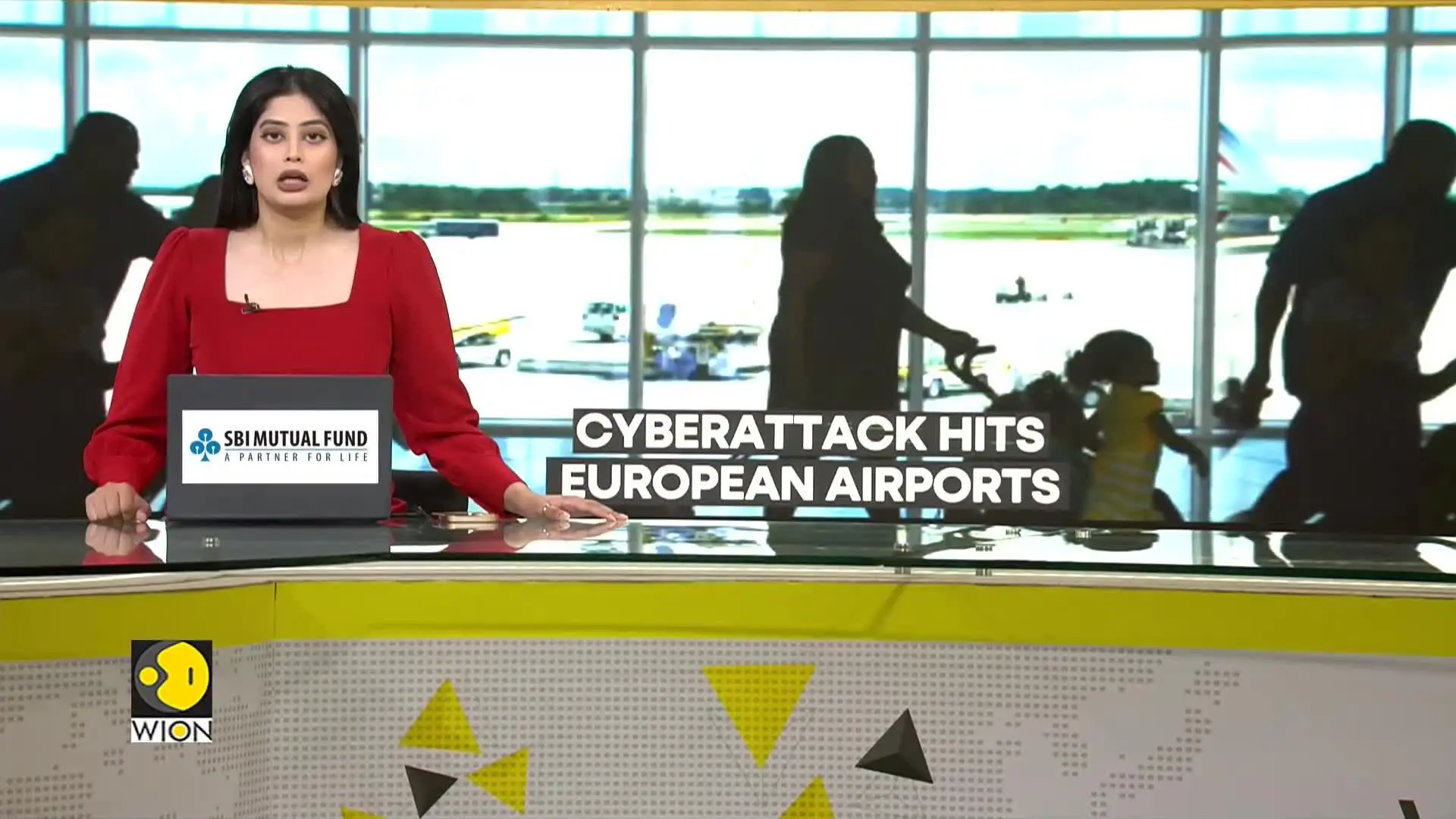
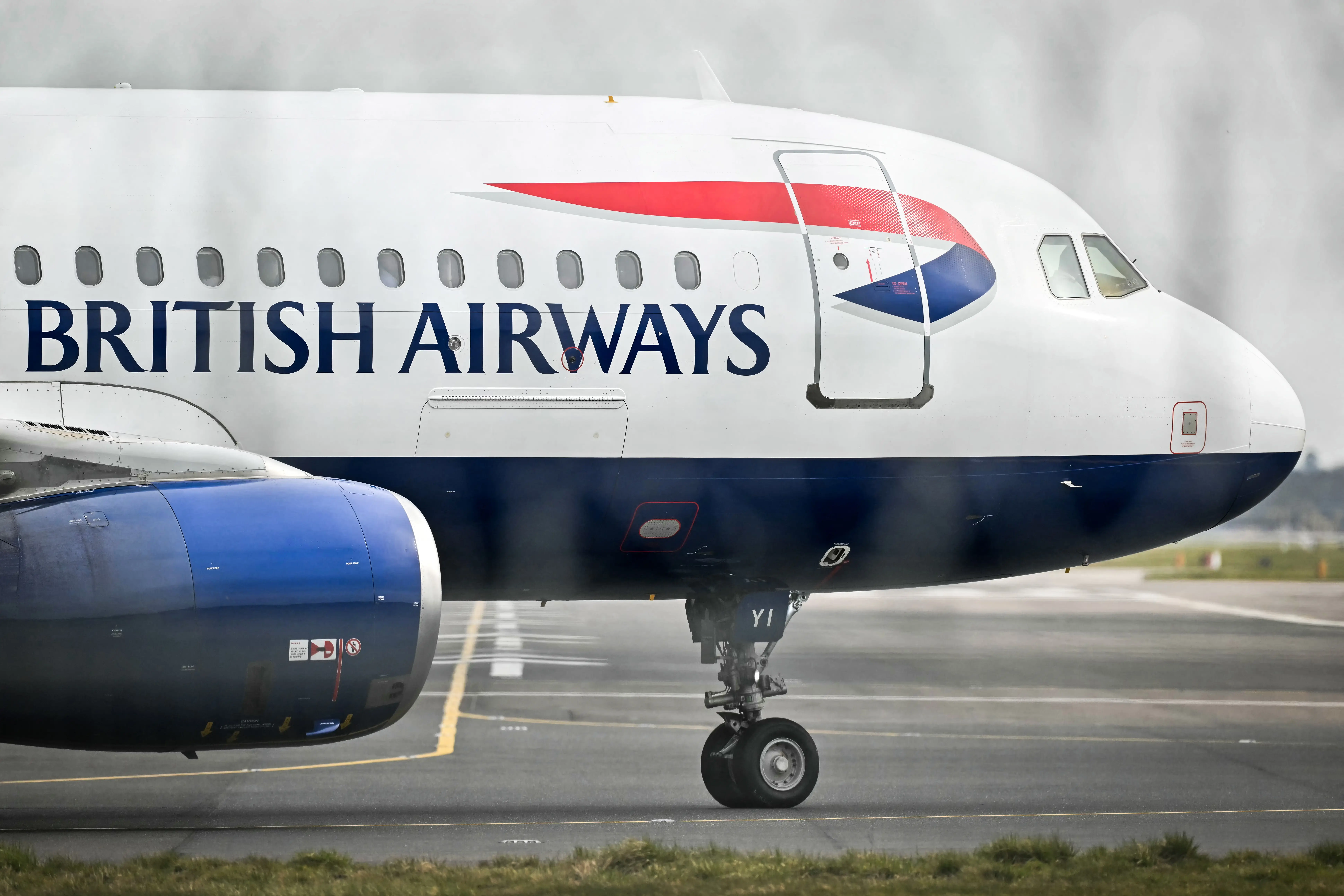
Man arrested over massive European airport cyberattack disrupting London, Brussels, Berlin, Dublin and Heathrow flights

&imwidth=600&imheight=450&format=webp&quality=medium "Man arrested over massive European airport cyberattack disrupting London, Brussels, Berlin, Dublin and Heathrow flights")
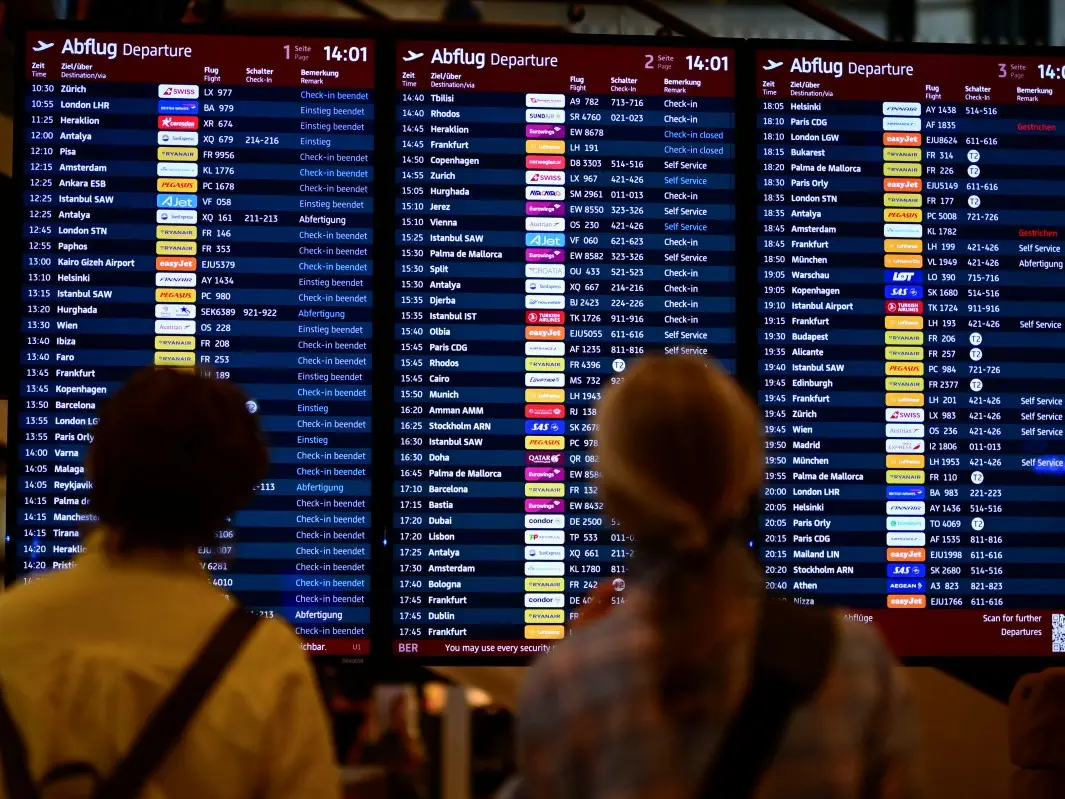
Passengers check a digital display showing flights with completed or uncompleted check-in at Berlin Brandenburg BER airport Willy-Brandt in Schoenefeld, southeast of Berlin, on September 20, 2025, after major European airports were hit by "cyber-related disruption" affecting automated check-in and baggage drop systems and causing delays. At least three busy European air hubs reported facing disruption and warned of flight delays and cancellations. Photograph: (AFP)
A man has been arrested in the UK in connection with a ransomware cyberattack that caused massive disruptions at London Heathrow, Brussels, and Berlin airports. Airlines are forced to implement manual check-ins, leading to flight cancellations and delays.
A man in his forties has been arrested on September 23, in connection with the massive cyber attack that disrupted the check-in and boarding system at several Major European airports, like London, Brussels, Berlin, and Dublin, on September 19, 2025. The man was arrested in Southern England, West Sussex.
The attack started late on Friday, September 19, 2025, and targeted the MUSE software platform of Collins Aerospace. The software was used by many major airports to handle everything from baggage handling to check-in, and most of the boarding processes
Read Also:. Statue of Trump and Epstein holding hands appears on National Mall, mocking “Everlasting Friendship”
UK's National Cyber Crime Agency have arrested him on suspicion of Computer Misuse Act offences, but he has been released on bail.
"Although this arrest is a positive step, the investigation into this incident is in its early stages and remains ongoing,” said Paul Foster, head of the NCA’s National Cyber Crime Unit.
The Cyberattack led to widespread travel disruptions across Europe. Nearly 50 inbound flights were cancelled at Brussels Airport, and 140 more were cancelled on Monday. London Heathrow and Berlin also faced significant disruptions. In a statement, Berlin airport said that the disruption still continued as most of the check-in and boarding process was done manually, leading to long queues and confusion among travellers.
Trending Stories
&imwidth=280&imheight=210&format=webp&quality=medium)
&im=FitAndFill=(700,400)&imwidth=280&imheight=210&format=webp&quality=medium)
&im=FitAndFill=(700,400)&imwidth=280&imheight=210&format=webp&quality=medium)
&imwidth=280&imheight=210&format=webp&quality=medium)
&imwidth=280&imheight=210&format=webp&quality=medium)
&imwidth=280&imheight=210&format=webp&quality=medium)
&imwidth=280&imheight=210&format=webp&quality=medium)
&imwidth=280&imheight=210&format=webp&quality=medium)
&imwidth=280&imheight=210&format=webp&quality=medium)
&imwidth=280&imheight=210&format=webp&quality=medium)
&imwidth=280&imheight=210&format=webp&quality=medium)
&imwidth=280&imheight=210&format=webp&quality=medium)
&imwidth=280&imheight=210&format=webp&quality=medium)
&imwidth=280&imheight=210&format=webp&quality=medium)
&imwidth=280&imheight=210&format=webp&quality=medium)
&imwidth=280&imheight=210&format=webp&quality=medium)
&imwidth=280&imheight=210&format=webp&quality=medium)
&imwidth=280&imheight=210&format=webp&quality=medium)
&imwidth=280&imheight=210&format=webp&quality=medium)
&imwidth=280&imheight=210&format=webp&quality=medium)
&imwidth=280&imheight=210&format=webp&quality=medium)
&im=FitAndFill=(700,400)&imwidth=280&imheight=210&format=webp&quality=medium)
&imwidth=280&imheight=210&format=webp&quality=medium)
&imwidth=280&imheight=210&format=webp&quality=medium)
&imwidth=280&imheight=210&format=webp&quality=medium)
&imwidth=280&imheight=210&format=webp&quality=medium)
&imwidth=280&imheight=210&format=webp&quality=medium)
&imwidth=280&imheight=210&format=webp&quality=medium)
&imwidth=280&imheight=210&format=webp&quality=medium)
&imwidth=280&imheight=210&format=webp&quality=medium)
&imwidth=280&imheight=210&format=webp&quality=medium)
&imwidth=280&imheight=210&format=webp&quality=medium)
&imwidth=280&imheight=210&format=webp&quality=medium)
“Given that check-in and boarding are still largely manual, longer processing times, delays, and cancellations by airlines may continue today despite the mobilisation of all available resources,” said Berlin Airport authority.
The European Agency for Cybersecurity (ENISA) confirmed that the incident involved Ransomware that encrypts data and demands a ransom for release. According to a report by the BBC, cyber attacks in the aviation sector have increased by 600 per cent over the past year.