EU Parliament scrutinises Pakistan over Baloch, Pashtun and minority rights as MEPs urge review of trade privileges

&imwidth=600&imheight=450&format=webp&quality=medium "EU Parliament scrutinises Pakistan over Baloch, Pashtun and minority rights as MEPs urge review of trade privileges")
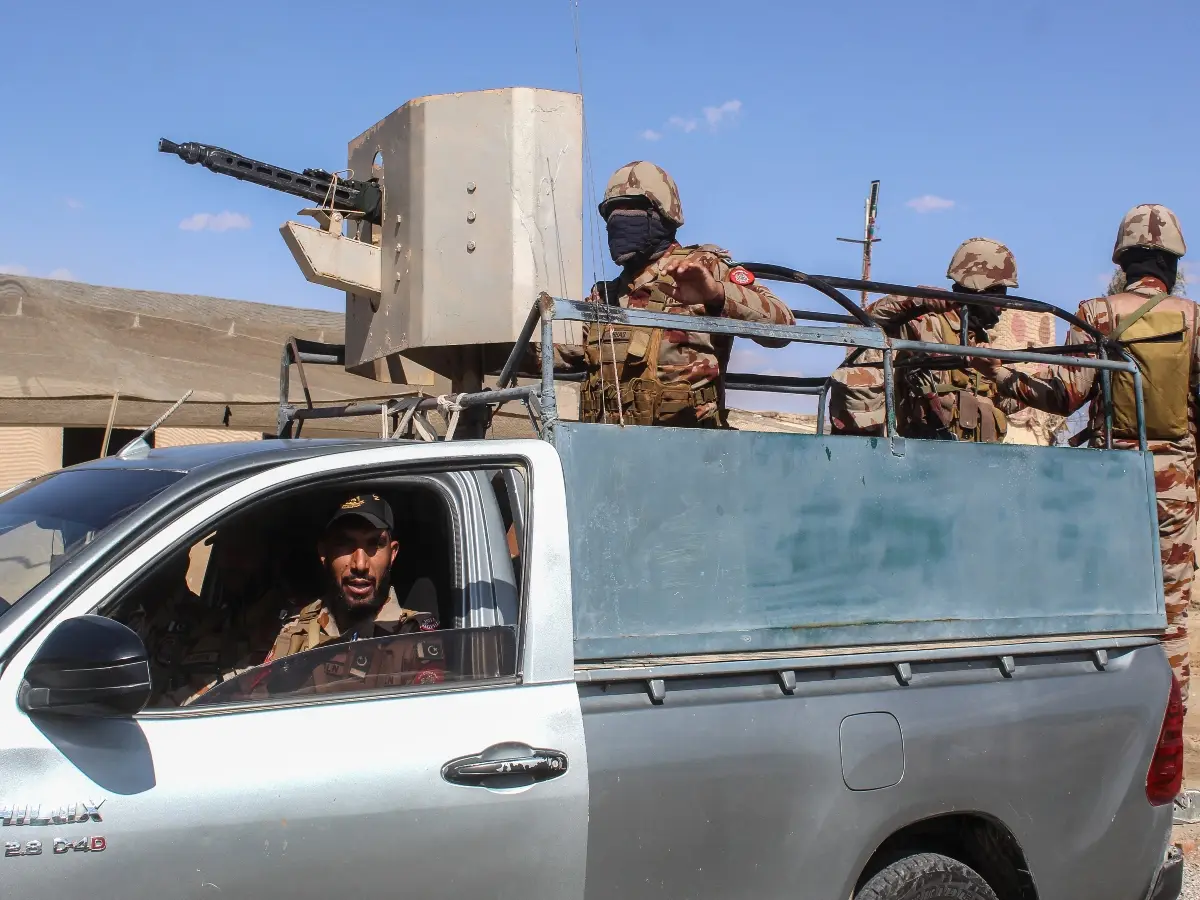
Pakistani Soldiers Photograph: (AFP)
Mahrang Baloch, leader of the Baloch Yakjehti Committee (BYC), was sentenced to life imprisonment in June 2026 by an anti-terrorism court in Quetta over events linked to a 2024 protest.
The European Parliament has tabled a joint motion for a resolution condemning the targeting of religious and ethnic minorities in Pakistan, highlighting cases of abduction and forced conversion of young girls, as well as the persecution of Baloch and Pashtun activists.
The resolution, backed by major political groups including the centre-right European People's Party (EPP), Socialists and Democrats (S&D), European Conservatives and Reformists (ECR), Renew Europe, and the Greens/EFA, draws attention to the case of 13-year-old Christian girl Maria Shahbaz. In March 2026, Pakistan’s Federal Constitutional Court rejected a petition from her father, upholding her forced conversion and marriage to an older man despite allegations of abduction.
It describes the ruling as emblematic of broader failures to protect vulnerable girls from minority communities. “Poverty and marginalisation heighten women’s and girls’ risk of abduction, forced conversion and marriage,” the text states, noting that in 2025 roughly 75% of such cases involved Hindu girls and 25% Christian girls, predominantly in Sindh province.
The motion also addresses the targeting of prominent human rights defenders. It expresses “strong concerns at the use of blasphemy, anti-terrorism and cybercrime laws to target minorities, opponents and civil society,” citing the convictions of figures including Baloch activist Mahrang Baloch and Sibghatullah Shahji, as well as calls for the release or fair treatment of others such as Ali Wazir and Hanif Pashteen.
Mahrang Baloch, leader of the Baloch Yakjehti Committee (BYC), was sentenced to life imprisonment in June 2026 by an anti-terrorism court in Quetta over events linked to a 2024 protest. The proceedings have been described as flawed and aimed at silencing peaceful advocacy against enforced disappearances and extrajudicial killings in Balochistan, rights groups say. Similar pressures have been reported on Pashtun leaders associated with the Pashtun Tahaffuz Movement (PTM).
Trending Stories
)
)
)
)
)
)
&im=FitAndFill=(700,400))
)
)
&im=FitAndFill=(700,400))
)
)
)
)
)
)
)
)
)
)
&im=FitAndFill=(700,400))
&im=FitAndFill=(700,400))
)
)
)
)
)
&im=FitAndFill=(700,400))
)
&im=FitAndFill=(700,400))
)
)
)
&im=FitAndFill=(700,400))
A key demand in the resolution is for the European Union to link these issues to Pakistan’s Generalised Scheme of Preferences Plus (GSP+) status, which grants the country preferential access to EU markets. “Calls on the EU to raise these issues in the framework of the EU-Pakistan GSP+ dialogue; recall that failure to effectively implement its human rights commitments should result in the withdrawal of Pakistan’s GSP+ status,” it states.
Pakistan remains one of the largest beneficiaries of the scheme, with exports to the EU valued in billions of euros. EU officials have previously monitored compliance with 27 international conventions on human rights and labour standards, but the Parliament is pushing for tougher enforcement. With the resolution now in the parliamentary process, it is expected to be debated and voted on soon.
