Energy shock: US gas prices hit 4-year high as Iran tensions push oil above $100

&imwidth=600&imheight=450&format=webp&quality=medium "Energy shock: US gas prices hit 4-year high as Iran tensions push oil above $100")
For representative purpose only Photograph: (Unsplash)
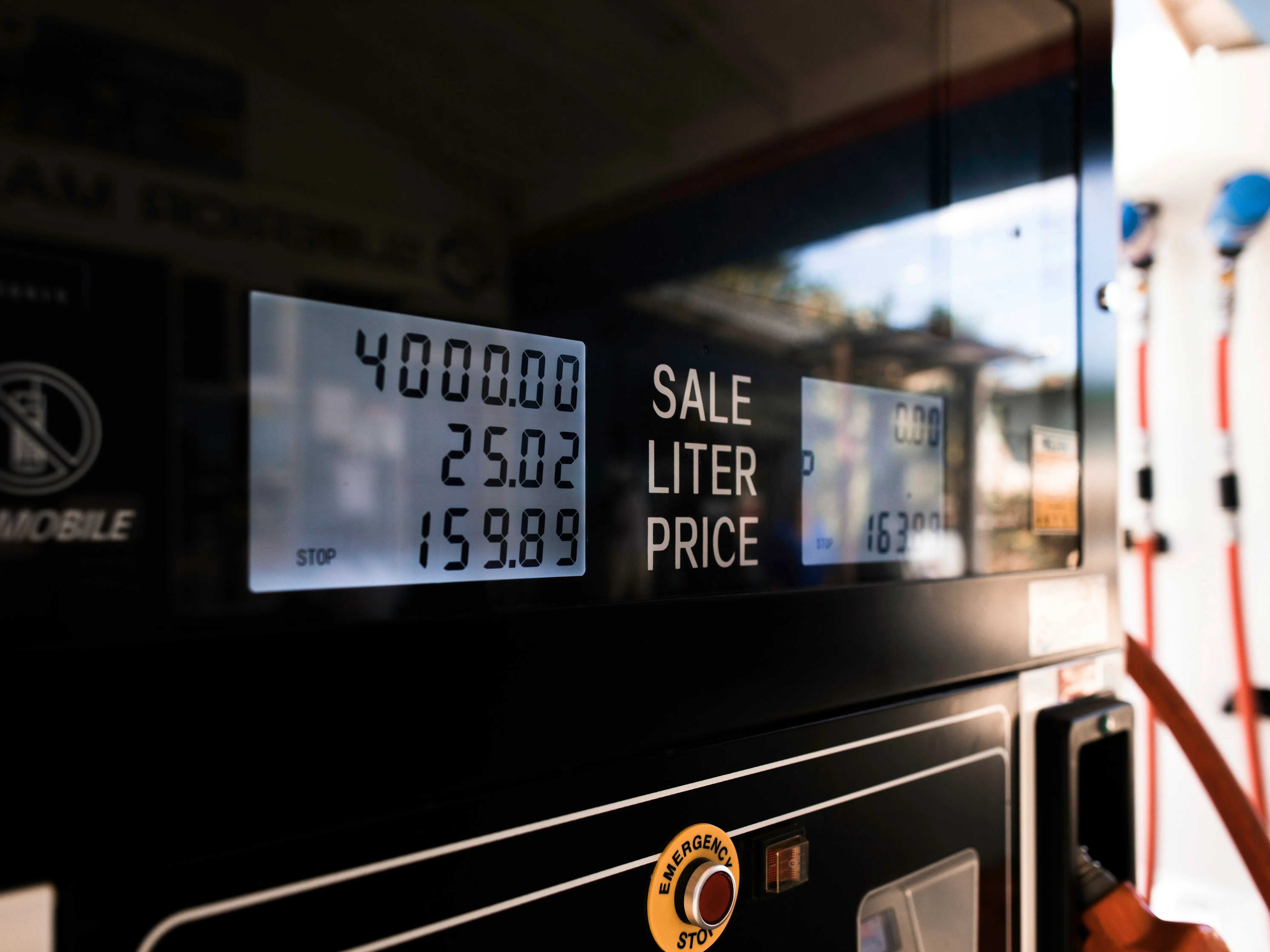
US gas prices hit $4.18, a 4-year high, as ongoing Iran tensions disrupt oil supply and push crude prices above $100 per barrel globally
Gasoline prices across the United States climbed to a four-year high on Tuesday (April 28) as negotiations between the US and Iran showed little progress. According to AAA, the national average price for a gallon of regular gasoline reached $4.18. This is the highest level since April 2022, shortly after Russia invaded Ukraine. Prices rose 1.6 per cent on Tuesday alone, marking the sharpest daily increase in over a month. Crude oil prices continued their upward trend as talks remained stalled over reopening the Strait of Hormuz and limiting Iran’s nuclear activities.
Over the past week, oil prices have surged steadily. Brent crude, the global benchmark, has increased in six of the last seven sessions and is now more than 40 per cent higher than before the initial U.S.-Israeli strikes on Iran in late February. Despite rising energy costs, stock markets remain near record highs, supported by strong corporate earnings. Investors are closely watching upcoming reports from major technology firms investing heavily in artificial intelligence. Oil prices saw further gains on Tuesday. Brent crude rose 4 per cent to above $105 per barrel for July delivery before easing to $104 after the United Arab Emirates announced plans to exit OPEC next month. Over the past week, Brent has climbed roughly $10 per barrel, while June delivery prices briefly exceeded $110.
Meanwhile, West Texas Intermediate crude increased 5 percent to about $101 per barrel for June delivery. Market participants are closely monitoring disruptions in the Strait of Hormuz, a crucial route between Iran and Oman that typically handles about one-fifth of global oil supply. Stock markets showed some weakness ahead of key economic events. The S&P 500 dropped 0.6 percent on Tuesday after a slight gain the previous day, as investors awaited tech earnings and the Federal Reserve’s interest rate decision. Asian markets were mixed. South Korea’s Kospi rose 0.4 percent, while Taiwan’s Sensex fell 0.4 percent. Japan’s Nikkei 225 declined 1 per cent after the Bank of Japan kept rates unchanged, though some policymakers signaled concern about inflation linked to the Iran conflict.
In Europe, the Stoxx 600 index slipped 0.5 per cent. Gasoline prices continued to edge higher, with the national average reaching $4.18 per gallon, up about 40 per cent since the conflict began. Diesel prices have risen even faster, reaching $5.46 per gallon, a 45 per cent increase. Gas prices typically lag behind changes in crude oil, rather than moving in direct sync.
Trending Stories
)
)
)
)
)
)
)
&im=FitAndFill=(700,400))
)
)
)
)
)
)
)
&im=FitAndFill=(700,400))
)
)
)
)
)
&im=FitAndFill=(700,400))
)
)
)
)
)
)
)
)
)
)
)
)
)
)
)
)
Disclaimer: WION takes utmost care to accurately and responsibly report ongoing conflicts in West Asia involving Israel, Iran, the US, Gulf nations, and non-state actors like Hezbollah, Hamas, Houthis, Islamic State, and others. Claims and counterclaims, disinformation and misinformation are being made online and offline. Given this context, WION cannot independently verify the authenticity of all statements, social media posts, photos, and videos.

