

&imwidth=800&imheight=600&format=webp&quality=medium "Chinese chokehold on rarest of rare earths is squeezing US defence and semiconductor industries. Here is how")
China’s near-absolute dominance of some of the rarest rare-earth elements is choking US defence and semiconductor industries that depend on these critical minerals. According to a recent Reuters report, suppliers to US aerospace and chip-making firms are facing worsening shortages of certain rare earth elements, particularly niche ones like yttrium and scandium known. At least two suppliers have turned away some clients due to these constraints, the report said, citing sources.
Why are rare earths like yttrium and scandium important?
Yttrium and scandium are generally classified as heavy rare earths, a category that also includes elements such as dysprosium and terbium. Yttrium and scandium are critical for high-performance applications in aerospace and chips. They play vital roles in defence technology and aerospace components, and are used in coatings and other specialised parts.
In the semiconductor industry, these rare earths are used in next-generation 5G chips and other advanced components.
China’s export controls on rare earths
Amid trade tensions over critical minerals, China imposed export controls in April 2025 on several medium and heavy rare earths. This action sharply reduced overseas shipments, The shortages of rare earths mentioned above persisted despite a partial trade truce later in 2025.
Trending Stories
&imwidth=180&imheight=135&format=webp&quality=medium)
Delhi Police arrest Cockroach Janta Party's Saurav Das, Ashutosh Ranka, Ajinkya Shinde in Jantar Mantar case, to be produced before court
&imwidth=180&imheight=135&format=webp&quality=medium)
‘How many people did she illegally bring from Somalia?’ Trump targets Ilhan Omar, questions her net worth
&im=FitAndFill=(700,400)&imwidth=180&imheight=135&format=webp&quality=medium)
New OTT releases this week (October 12-18, 2026): Sacrifice, Koffee with Karan S9, Roadies Rebirth- 6 titles coming on Netflix, JioHotstar and more
&imwidth=180&imheight=135&format=webp&quality=medium)
CMs Vijay-Naidu meet in Vijayawada, discuss water sharing, river-linking
&imwidth=180&imheight=135&format=webp&quality=medium)
Pakistan to chair UN-backed global Borrowers’ Platform as its own debt burden mounts, triggers sarcastic reactions on social media
&imwidth=180&imheight=135&format=webp&quality=medium)
Girl 'dead' for 8 hours wakes up at her own funeral, dad insists she wasn't breathing
&imwidth=180&imheight=135&format=webp&quality=medium)
US Midterms 2026: In Alaska, cost-of-living anxiety meets strangest ballot in high-stakes Senate race
&imwidth=180&imheight=135&format=webp&quality=medium)
Saudi Arabia strikes Yemen oil sites as Houthi missiles target Riyadh; 'limited fire' breaks out at Aramco
&imwidth=180&imheight=135&format=webp&quality=medium)
Trump reconsidering calling off Nidal Hasan's execution livestream. Here's why
&imwidth=180&imheight=135&format=webp&quality=medium)
Blasts heard in Sanaa as Saudi-led coalition warns civilians to evacuate; Houthis vow retaliation
&imwidth=180&imheight=135&format=webp&quality=medium)
L Murugan resigns as Union Minister, expresses wish to return to grassroots
&imwidth=180&imheight=135&format=webp&quality=medium)
Robot gropes girl, makes thrusting movements in bizarre crime in Germany
&imwidth=180&imheight=135&format=webp&quality=medium)
‘My president, I mean my husband’: Trump's new press secretary Katie Zacharia's first briefing goes off the rails in 14 minutes
&imwidth=180&imheight=135&format=webp&quality=medium)
Ranabaali: Vijay Deverakonda, Rashmika Mandanna film gets U/A certificate with zero cuts
&imwidth=180&imheight=135&format=webp&quality=medium)
OpenAI employee arrested by FBI after allegedly hiding recording device in office
&imwidth=180&imheight=135&format=webp&quality=medium)
New Delhi rejects Beijing’s claims and remarks on Ladakh location naming exercise
&imwidth=180&imheight=135&format=webp&quality=medium)
'Turn approver, resign, we'll forgive you': Rahul Gandhi claims receiving messages from CEC Gyanesh Kumar
&imwidth=180&imheight=135&format=webp&quality=medium)
MI5 chief warns Russia is UK’s ‘aggressor number one’ as Iran and AI threats grow
&imwidth=180&imheight=135&format=webp&quality=medium)
Measles kills again: 6 dead in Pennsylvania as America faces its worst outbreak in decades | Gravitas
&imwidth=180&imheight=135&format=webp&quality=medium)
Suicidal man survives jump from 11th floor in Japan, could now be tried for murder
&imwidth=180&imheight=135&format=webp&quality=medium)
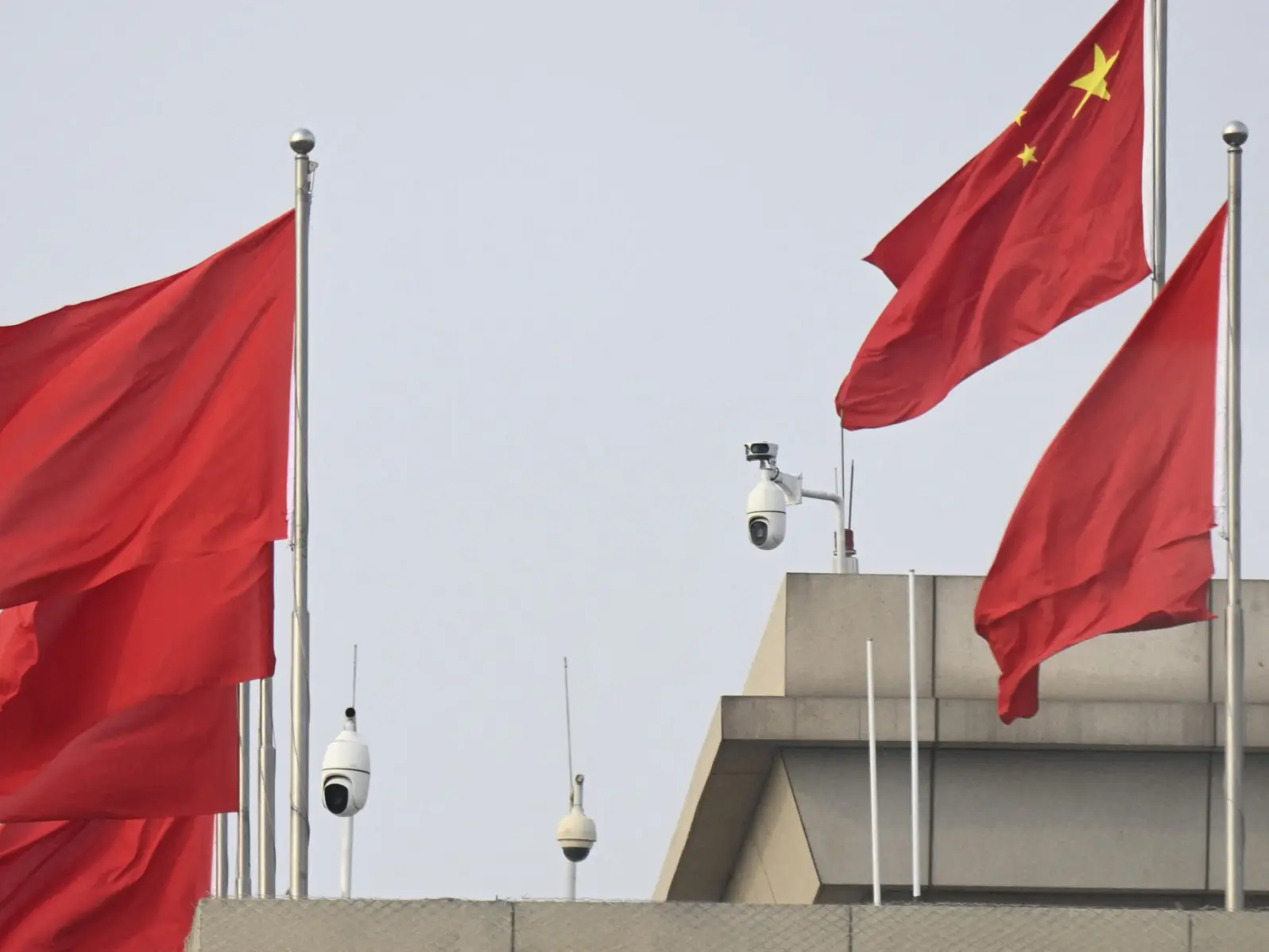
China's counter-surveillance industry booms amid heightened espionage fears | Gravitas
&imwidth=180&imheight=135&format=webp&quality=medium)
Marco Rubio to visit India next week, focus on energy cooperation and strategic ties
&imwidth=180&imheight=135&format=webp&quality=medium)
Cornell University suspends fraternity parties over 2024 gang rape allegations
&imwidth=180&imheight=135&format=webp&quality=medium)
Is the AI chip boom already over? Global semiconductor stocks slide as investors question unbridled spending
&imwidth=180&imheight=135&format=webp&quality=medium)
Anupam Kher joins Ranbir Kapoor's Ramayana as Jatayu, new poster unveiled
&imwidth=180&imheight=135&format=webp&quality=medium)
France accuses Musk of ‘online harassment’ of European leaders, warns of poll interference
&im=FitAndFill=(700,400)&imwidth=180&imheight=135&format=webp&quality=medium)
Navratri 2026: 9 days, 9 forms of Goddess Durga and 9 colours- Check the complete list
&imwidth=180&imheight=135&format=webp&quality=medium)
'Don't ever mess with nature!': Trump’s tiger attack post triggers social media backlash as victim's family issues heartbreaking tribute
&imwidth=180&imheight=135&format=webp&quality=medium)
Sidhu Moose Wala’s younger brother wins hearts by recreating late singer’s signature move at Toronto Hologram Show
&imwidth=180&imheight=135&format=webp&quality=medium)
1,500 drones illuminate Mumbai sky as Cordelia Cruises unveils second ship, Cordelia Sky
&imwidth=180&imheight=135&format=webp&quality=medium)
UK school ditches technology, shifts from screen to pen and paper for learning
&imwidth=180&imheight=135&format=webp&quality=medium)
Ken Paxton's Dubai night out with two US fugitives sparks political storm as Texas Senate race tightens
&imwidth=180&imheight=135&format=webp&quality=medium)
Trump accuses Houthis of driving up oil prices before US midterms, warns of consequences
&imwidth=180&imheight=135&format=webp&quality=medium)
Pope Leo XIV diagnosed with lung cancer after surgery, Vatican says 'successful surgery and recovering'
&imwidth=180&imheight=135&format=webp&quality=medium)
'Ouch!!! That must hurt': Kangana Ranaut hails Kamal Haasan's sharp reply to Elon Musk over Starlink row
The Reuters report, citing Chinese customs data, said that US imports of yttrium products plunged to just 17 tonnes in the eight months after curbs were imposed, from 333 tonnes in the eight months before controls.
Also read: Modi and Lula sign rare earths deal, set target of over $20 billion bilateral trade in 5 years
From jet engines to chips: What is affected by Chinese dominance of rare earths?
China’s control over the rare earth supply chain is creating a strategic vulnerability for US aerospace, affecting avionics, engines and defence systems. However, there are no reports of jet engine or chip manufacturing being halted outright because of the rare-earth curbs by China.
A US official cited in the Reuters report said that some manufacturers face outright “shortages” of certain rare earths from China.
Semiconductor experts warned that low scandium supplies specifically risk next-generation chip production.
China’s leverage in the rare earths sector is growing
China’s responses to US tariffs and tech restrictions have included expanding export controls on rare earths. These curbs particularly targeted defence and chip uses of rare earth materials. China added elements such as holmium, erbium, thulium, europium and ytterbium to the restricted list.
China’s overwhelming dominance in rare earths supply chain
China accounts for a large share of global rare earth mining output. Estimates vary, but it is widely reported to be above 60 to 70 per cent of total production, depending on the minerals.
When it comes to processing and refining rare earths, China controls an even larger share of global capacity. Estimates suggest China dominates around 90 per cent of global separation, refining and processing capacity, making it difficult to bypass China for the high-purity materials needed downstream. For heavy rare earths such as yttrium and scandium, Chinese dominance in processing is often reported at extremely high levels.
China also produces a very large percentage of the global supply of permanent magnets, which are the key end products that use rare earths. These magnets are essential for electric vehicles, wind turbines, aerospace, defence and electronics.
US efforts to diversify are not yet succeeding
China’s export restrictions have disrupted US industries that depend on rare earths. The US has been trying to diversify supply chains with investments in domestic projects and partnerships, including efforts involving MP Materials and Department of Defence initiatives. However, such efforts take time, and processing facilities can take years to become operational. Dependency on China for heavy rare earths may well persist into the 2030s.

