China-Japan tensions escalate as Tokyo announces plans to deploy missiles on island near Taiwan: What's happening

&imwidth=600&imheight=450&format=webp&quality=medium "China-Japan tensions escalate as Tokyo announces plans to deploy missiles on island near Taiwan: What's happening")
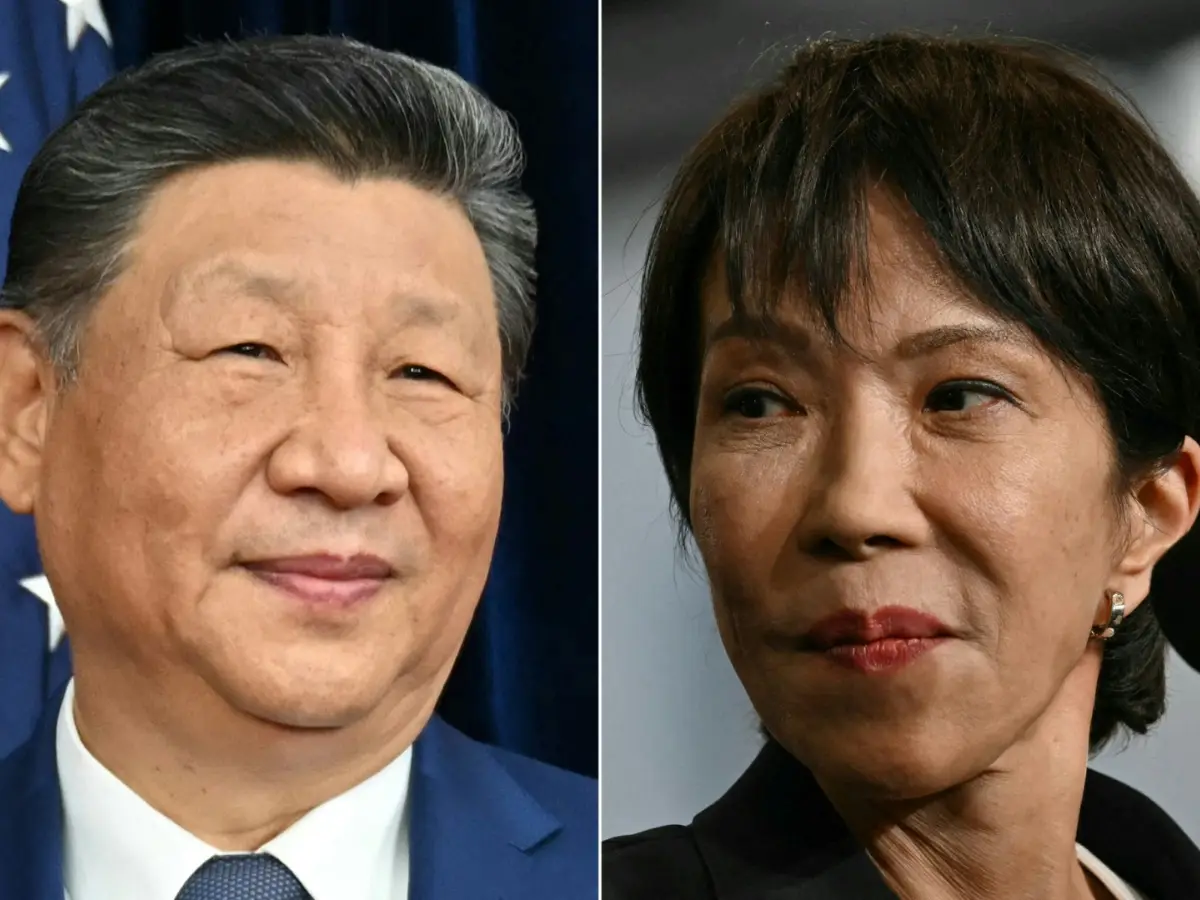
Chinese President Xi Jinping and Japan's PM Sanae Takaichi Photograph: (AFP)
China has restricted exports to 40 Japanese entities over “remilitarisation” concerns, escalating tensions triggered by PM Sanae Takaichi’s Taiwan remarks. Japan protested the move and plans missile deployment near Taiwan, deepening geopolitical and trade frictions.
The China-Japan tensions continue to simmer months after Japanese Prime Minister Sanae Takaichi spoke in favour of Taiwan. In latest escalation of tensions, China has restricted exports to 40 Japanese entities citing their contributing to Japan's “remilitarization.” The Chinese Commerce Ministry put 20 Japanese companies on an export control list and 20 others on a separate watchlist. Meanwhile, Tokyo issued a formal protest over the step taken by Beijing while it also said that it will deploy missiles to a tiny island near Taiwan within five years. The announcements by China and Japan hints at a possible escalation of tensions in the near future.
China restricts exports to 40 Japanese entities
The restriction imposed by China on Japanese companies means these entities will not be able to import from China dual-use goods, which can be used for civilian and military purposes. Foreign organizations and individuals are also banned from providing dual-use items originating in China to the 20 entities. The list include multiple business subsidiaries of Mitsubishi Heavy Industries, Kawasaki Heavy Industries and Fujitsu, among others.
The separate watchlist has 20 Japanese companies for which Chinese exporters are required to submit individual export license applications, along with risk assessment reports and written pledges that the dual-use items will not be used by Japan's military. It includes Subaru Corporation, Mitsubishi Materials Corporation and the Institute of Science Tokyo, among others.
Trending Stories
&imwidth=280&imheight=210&format=webp&quality=medium)
&imwidth=280&imheight=210&format=webp&quality=medium)
&imwidth=280&imheight=210&format=webp&quality=medium)
&imwidth=280&imheight=210&format=webp&quality=medium)
&imwidth=280&imheight=210&format=webp&quality=medium)
&imwidth=280&imheight=210&format=webp&quality=medium)
&imwidth=280&imheight=210&format=webp&quality=medium)
&imwidth=280&imheight=210&format=webp&quality=medium)
&imwidth=280&imheight=210&format=webp&quality=medium)
&imwidth=280&imheight=210&format=webp&quality=medium)
&imwidth=280&imheight=210&format=webp&quality=medium)
&imwidth=280&imheight=210&format=webp&quality=medium)
&imwidth=280&imheight=210&format=webp&quality=medium)
&imwidth=280&imheight=210&format=webp&quality=medium)
&imwidth=280&imheight=210&format=webp&quality=medium)
&imwidth=280&imheight=210&format=webp&quality=medium)
&imwidth=280&imheight=210&format=webp&quality=medium)
&imwidth=280&imheight=210&format=webp&quality=medium)
&imwidth=280&imheight=210&format=webp&quality=medium)
&im=FitAndFill=(700,400)&imwidth=280&imheight=210&format=webp&quality=medium)
&imwidth=280&imheight=210&format=webp&quality=medium)
&imwidth=280&imheight=210&format=webp&quality=medium)
&imwidth=280&imheight=210&format=webp&quality=medium)
&imwidth=280&imheight=210&format=webp&quality=medium)
&imwidth=280&imheight=210&format=webp&quality=medium)
&imwidth=280&imheight=210&format=webp&quality=medium)
&imwidth=280&imheight=210&format=webp&quality=medium)
&imwidth=280&imheight=210&format=webp&quality=medium)
&imwidth=280&imheight=210&format=webp&quality=medium)
&imwidth=280&imheight=210&format=webp&quality=medium)
&imwidth=280&imheight=210&format=webp&quality=medium)
&imwidth=280&imheight=210&format=webp&quality=medium)
&imwidth=280&imheight=210&format=webp&quality=medium)
&imwidth=280&imheight=210&format=webp&quality=medium)
&imwidth=280&imheight=210&format=webp&quality=medium)
&imwidth=280&imheight=210&format=webp&quality=medium)
The Chinese Commerce Ministry said the measures, aiming to curb Japan's remilitarization and nuclear ambitions, “are entirely legitimate, reasonable, and legal.” It added, “The restrictions will not affect normal economic and trade exchanges between China and Japan, and honest and law-abiding Japanese entities have absolutely nothing to worry about.” Tokyo issued a formal protest and said that such measures will never be tolerated. "This is deplorable indeed. We strongly protest to China and urge them to lift them (the controls). We will take actions accordingly," Kei Sato, Japan's deputy chief Cabinet secretary, said.
Japan to deploy missiles in island near Taiwan
Japan's defence minister Shinjiro Koizumi said that his country will deploy missiles to a tiny island near Taiwan within five years. He added that surface-to-air missiles, which are capable of shooting down aircraft and ballistic missiles, will be located on Yonaguni by March 2031. “It depends on the progress of preparing facilities, but we are planning for fiscal 2030,” Koizumi told reporters. Yonaguni lies 100km from Taiwan and already has an SDF facility.
China-Japan tensions
The tensions between China and Japan was triggered after a remark by Japanese PM Sanae Takaichi in November 2025. On Nov 14, Takaichi was asked by an opposition lawmaker in parliament about “survival-threatening situations.” In response, Takaichi gave an example that an attempt to bring Taiwan completely under the control of China using battleships and military force could constitute such a situation. The term ‘survival-threatening situation’ used by Japanese Prime Minister Takaichi refers to a situation where an armed attack on a foreign country closely related to Japan poses a threat to Japan's survival. In such a situation, Japan would militarily help the other nation.
Beijing reacted sharply to Takaichi's remark, and termed it as direct challenge to its sovereignty. In a diplomatic fall-out, Japan returned last two giant pandas to China in early 2026. China reinstated a ban on Japanese seafood imports and issued travel warnings citing safety risks, leading to the cancellation of nearly 500,000 flight bookings. According to a report, Chinese visitors to Japan plummeted 60.7 per cent year-on-year in January 2026. Beijing raised the issue in the UN and demanded Takaichi's apology as well as urged the Japanese government to take back the statement.

