Trump announces first Japan investments under trade deal: How it helps US counter China?

Trump announced the first $36 billion tranche of Japan’s $550 billion US investment pledge tied to a tariff deal. The projects span energy, oil exports, and manufacturing, boosting US industry, reducing reliance on China
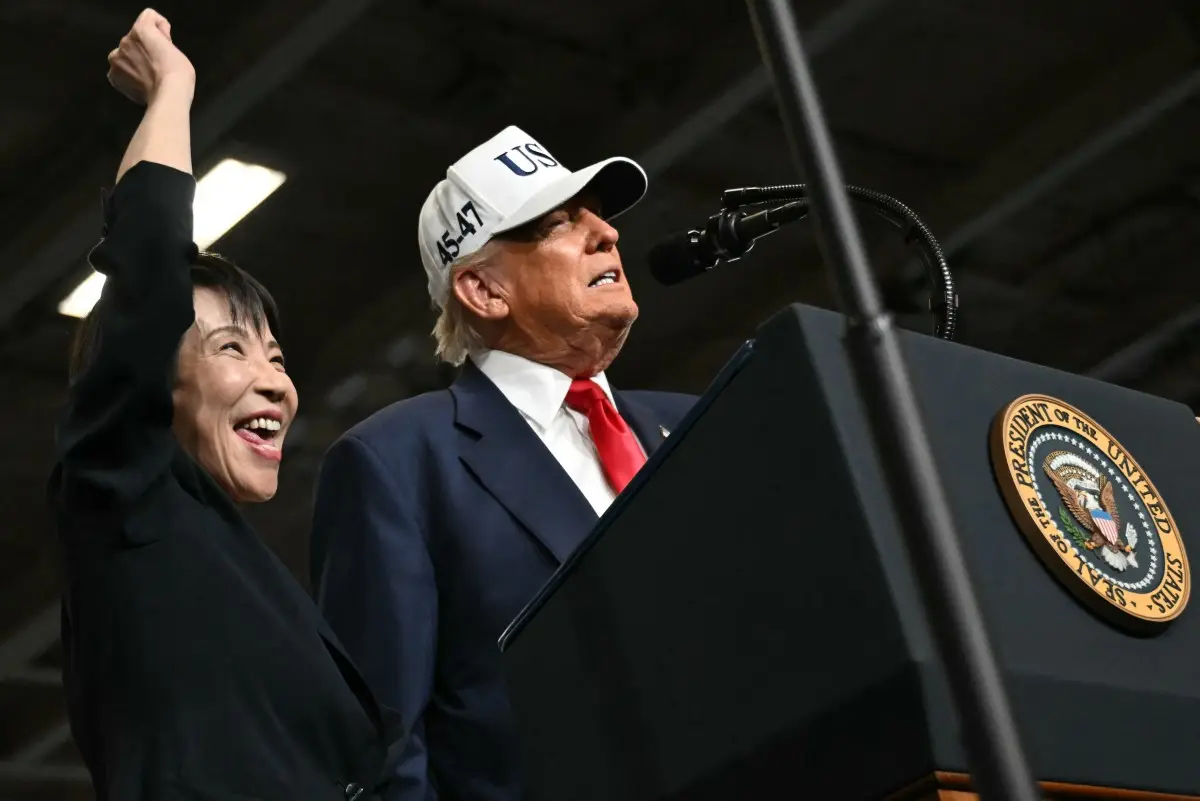
US, Japan announce first tranche of $550 bn investments
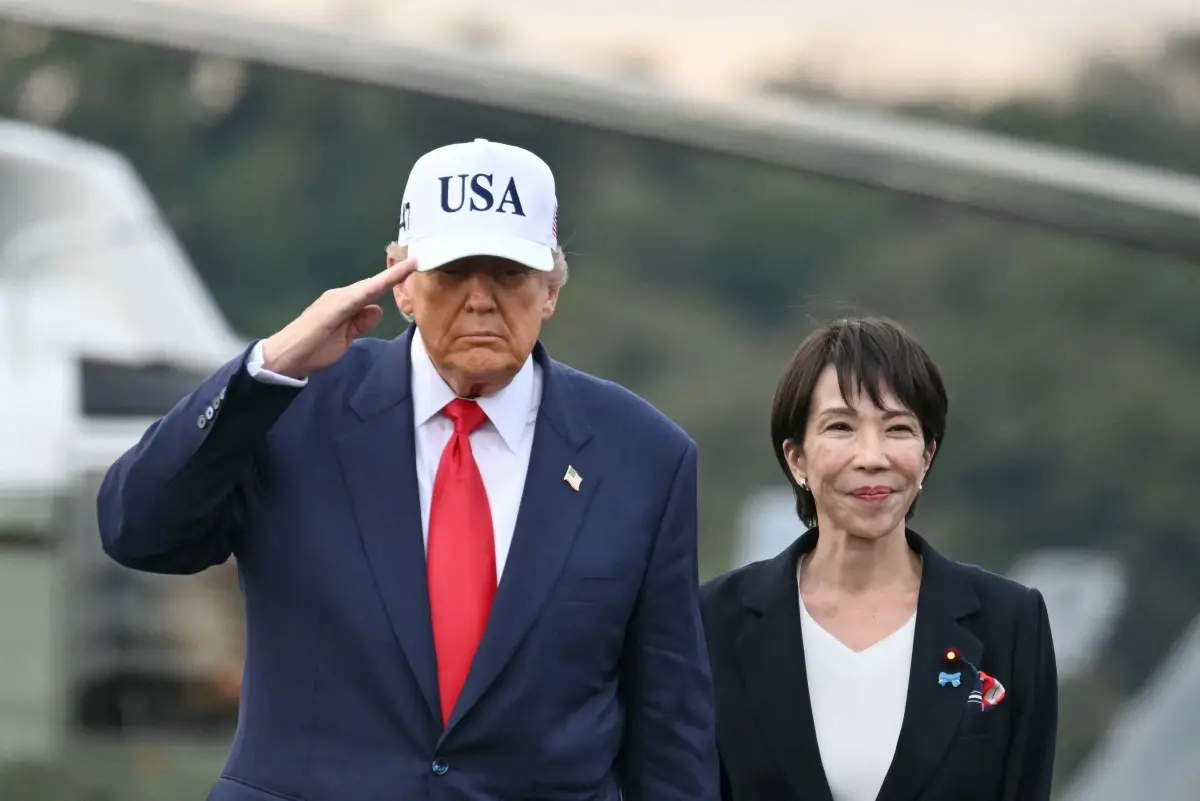
Months after sealing a trade deal with Japan, US President Donald Trump has announced a first tranche of investments by Japan from the $550 billion promised by Tokyo in the deal. The commitments of $36 billion for three infrastructure projects came as Japan comes under pressure to deliver on its pledges made in 2025 in return for lower US trade tariffs. Under the trade deal, Tokyo had agreed to invest $550 billion through 2029 "to rebuild and expand core American industries," according to the White House. The pledge was made in exchange for reducing threatened US tariffs of 25 percent to 15 percent on Japanese imports.
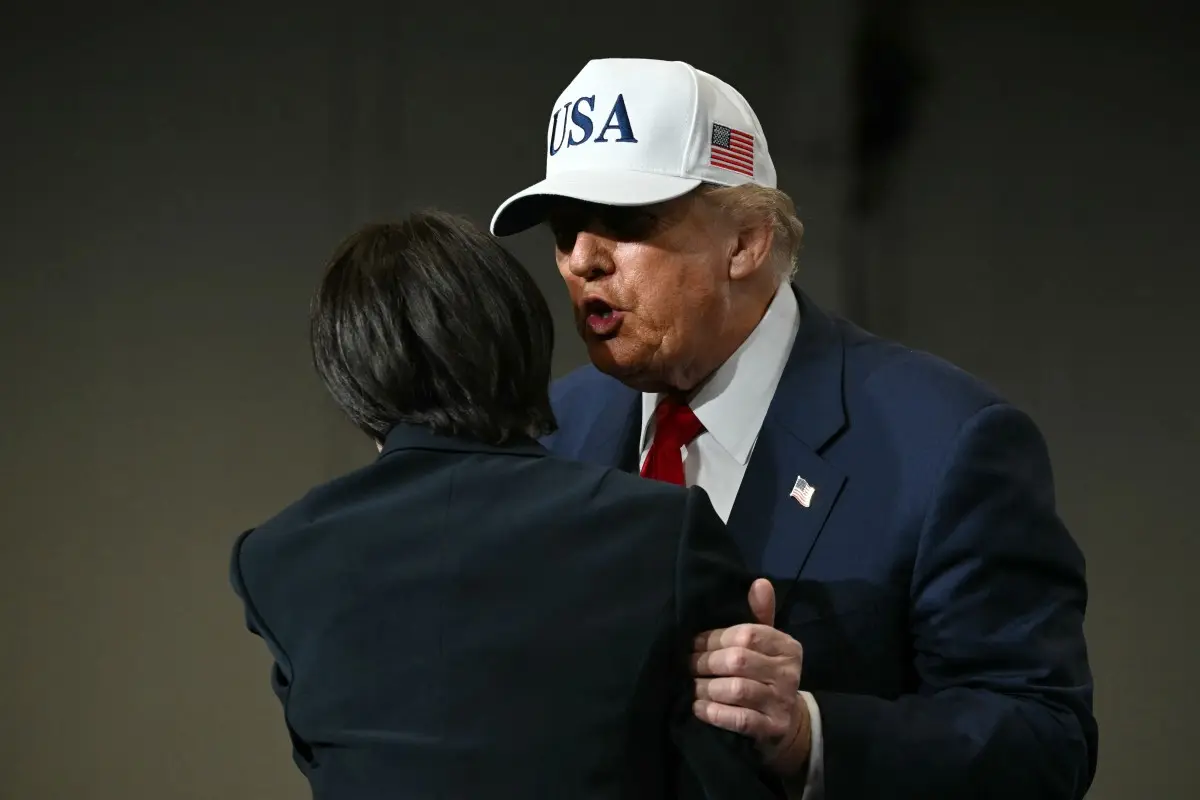
What Trump said about the investments?
"Japan is now officially, and financially, moving forward with the FIRST set of Investments under its $550 BILLION Dollar Commitment to invest in the United States of America. The scale of these projects are so large, and could not be done without one very special word, TARIFFS," Trump wrote on his Truth Social platform.
What are the three infrastructure projects?
The projects include a natural gas facility in Ohio, a deep-water oil export facility in the Gulf of Mexico, and a synthetic diamond manufacturing facility.
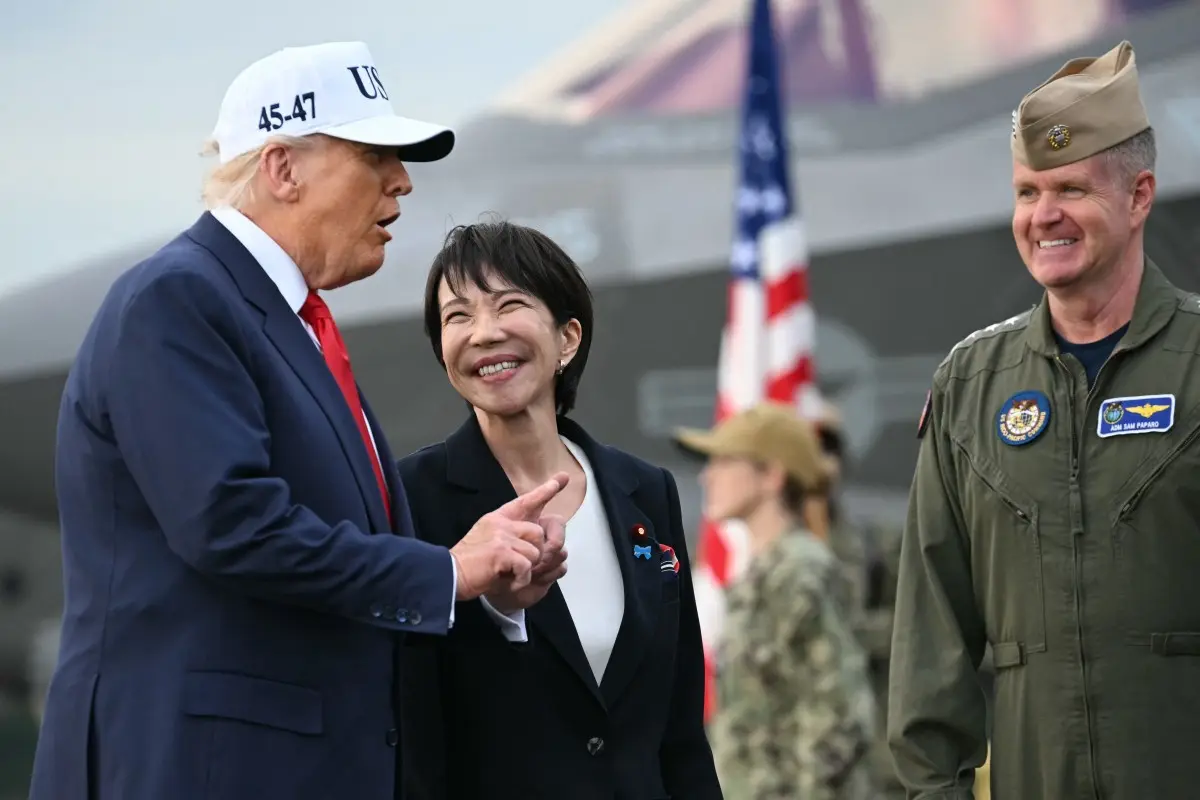
Why Japanese PM announced the investments?
Trump's January warning to South Korea that it was "not living up to its deal" served as a warning to Takaichi as well who is scheduled to visit the White House next month. She said that the deal will “strengthen the Japan–US alliance by enabling Japan and the United States to jointly build resilient supply chains in strategically important areas for economic security -- such as critical minerals, energy, and AI/data centers.”
What this means with respect to China?
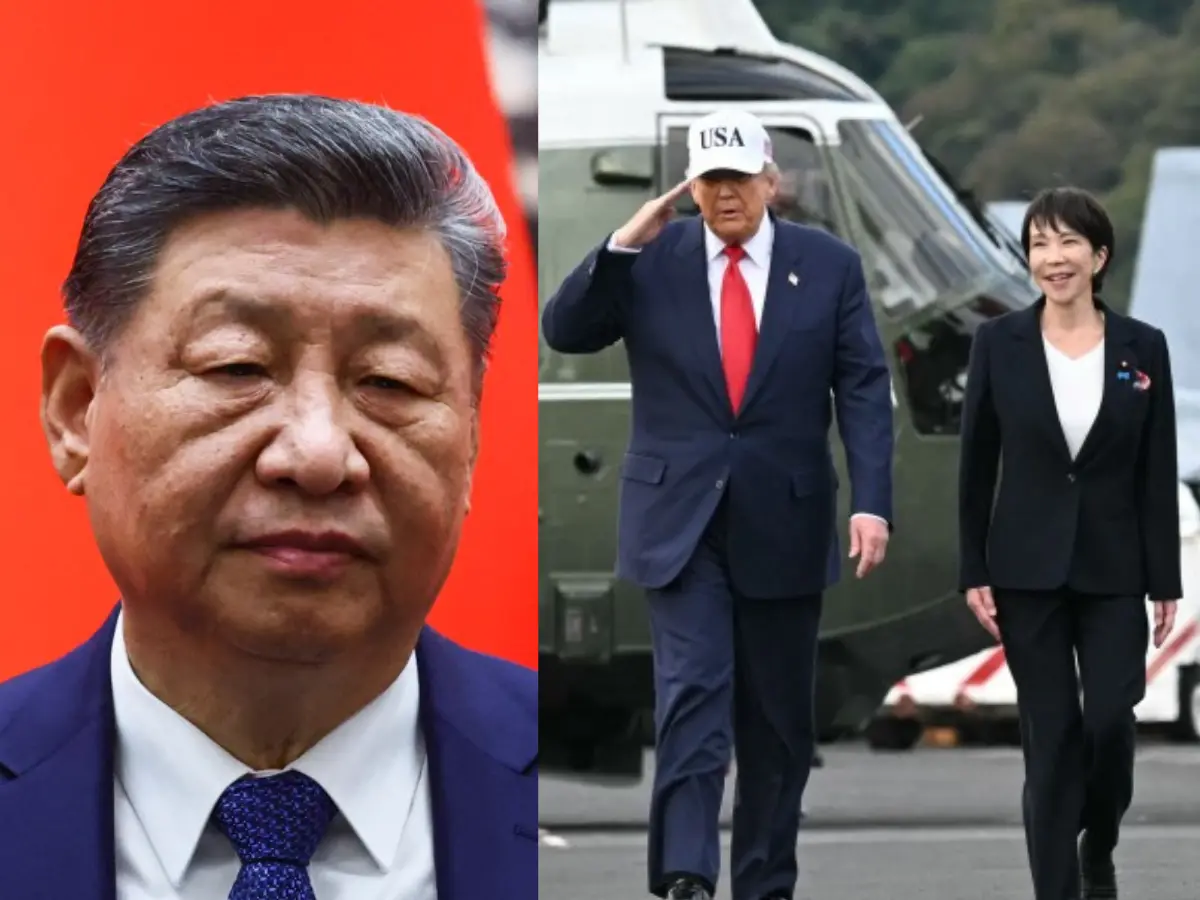
While Japan got a reduced tariffs on Japanese imports including automobiles from 25 per cent to 15 per cent, US became the big winner. It will receive 90 per cent of the profits from these ventures. Moreover, it reduces China's leverage. By building domestic capacity for critical minerals and semiconductors, the US aims to end its reliance on China, something that Lutnick also highlighted. With China-Taiwan tensions increasing and US' arms package to Taiwan as well as Japan's backing to the country, Washington sees business and trade as an important point to keep Beijing in check.
What's the significance of these investments?
US Trade Secretary Howard Lutnick called the announcements the “MASSIVE AMERICA FIRST TRADE WIN”. According to AFP, the natural gas generation facility will be the "largest in history", generating 9.2 gigawatts of power, according to Lutnick. Takaichi said that it would supply electricity to AI data centers and similar facilities. Bloomberg News reported that at full capacity it would be the equivalent of nine nuclear reactors or the power consumed by about 7.4 million homes. The oil project will generate $20–30 billion annually in US crude exports. The facility making synthetic diamond grit, where China dominates supplies, will ensure that the United States is no longer reliant on foreign imports.
)
)
)
)
)