Can oil be carried through UAE, Oman by land amid Hormuz blockade? WION Decodes

&imwidth=600&imheight=450&format=webp&quality=medium "Can oil be carried through UAE, Oman by land amid Hormuz blockade? WION Decodes")
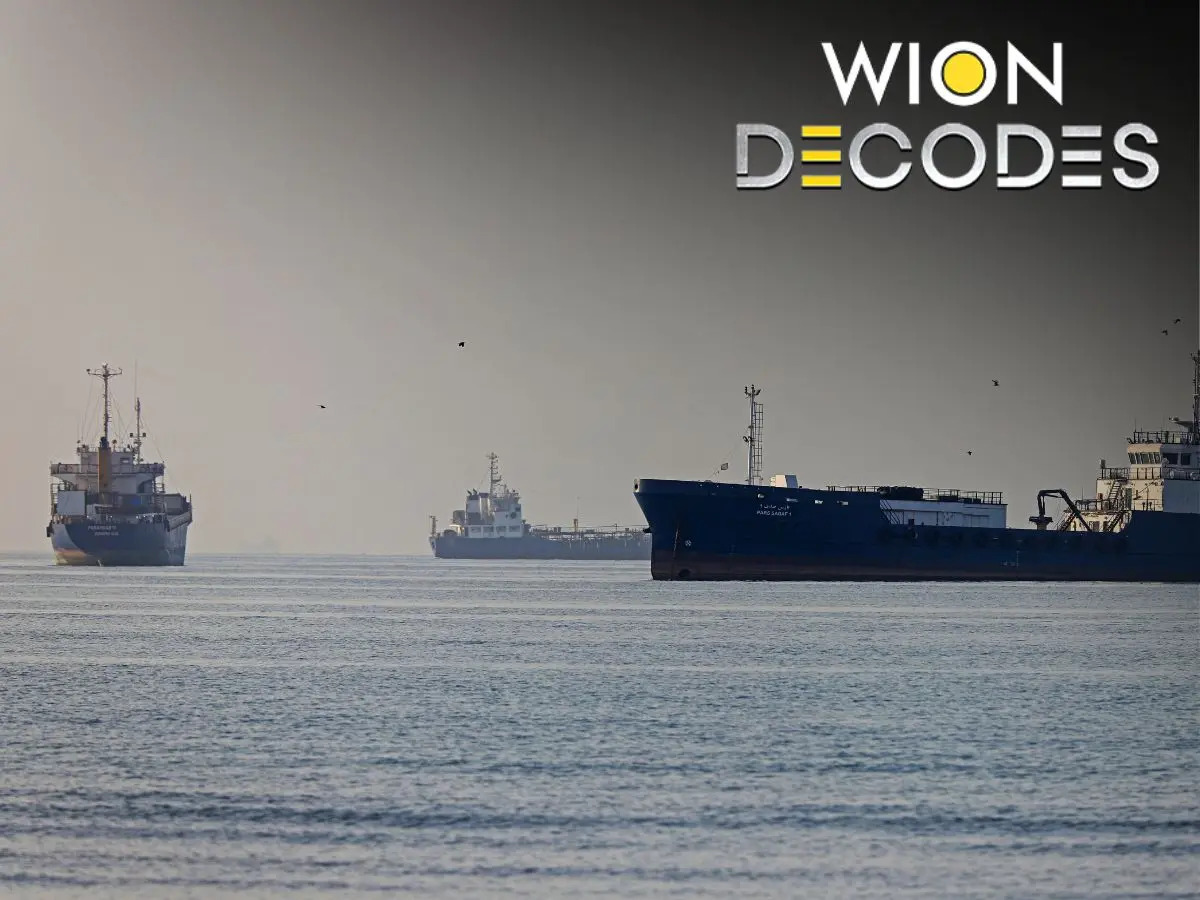
In this picture obtained from Iran's ISNA news agency on June 1, 2026, vessels sail at Suru Beach in Bandar Abbas along the Strait of Hormuz. Photograph: (AFP)
The Strait of Hormuz blockade amid rising US-Iran tensions has disrupted a key global oil route, driving up prices and raising concerns over energy supplies. Can Gulf nations bypass it via land routes?
As global energy supply continues to be affected due to the blockade of the Strait of Hormuz amid escalating tensions in the Middle East, oil prices have surged sharply in recent weeks. Since the war began on February 28, the maritime traffic through the strategic waterway has been severely restricted as military activity by both the United States and Iran has intensified in the region. The narrow strait is the only maritime outlet for ports located in the Persian Gulf, which accounts for nearly a fifth of the world’s oil trade. Now, a question arises whether Gulf countries can simply transport crude oil through neighbouring nations such as the UAE and Oman by land. However, it may not be as easy as it sounds. Let’s take a look at it.
Why is Strait of Hormuz important?
The Strait of Hormuz is one of the most critical energy chokepoints in the world. Located between Iran and Oman, the narrow waterway serves as the primary export route for Gulf nations, including Saudi Arabia, Iraq, Kuwait, the UAE, and Qatar. The route is vital for the supply of oil to the rest of the world, especially Asia and Europe, which are heavily dependent on energy supplies from the Middle East.
The blockade of the strait has disrupted the key shipping route, impacting global energy supply across the world. This has, in turn, spiked oil prices and raised concerns over supply shortages.
Now, let’s explore whether a land route is feasible or not for oil transport.
Trending Stories
&im=FitAndFill=(700,400)&imwidth=280&imheight=210&format=webp&quality=medium)
&imwidth=280&imheight=210&format=webp&quality=medium)
&imwidth=280&imheight=210&format=webp&quality=medium)
&imwidth=280&imheight=210&format=webp&quality=medium)
&imwidth=280&imheight=210&format=webp&quality=medium)
&imwidth=280&imheight=210&format=webp&quality=medium)
&imwidth=280&imheight=210&format=webp&quality=medium)
&imwidth=280&imheight=210&format=webp&quality=medium)
&imwidth=280&imheight=210&format=webp&quality=medium)
&imwidth=280&imheight=210&format=webp&quality=medium)
&imwidth=280&imheight=210&format=webp&quality=medium)
&imwidth=280&imheight=210&format=webp&quality=medium)
&imwidth=280&imheight=210&format=webp&quality=medium)
&imwidth=280&imheight=210&format=webp&quality=medium)
&imwidth=280&imheight=210&format=webp&quality=medium)
&im=FitAndFill=(700,400)&imwidth=280&imheight=210&format=webp&quality=medium)
&imwidth=280&imheight=210&format=webp&quality=medium)
&imwidth=280&imheight=210&format=webp&quality=medium)
&imwidth=280&imheight=210&format=webp&quality=medium)
&imwidth=280&imheight=210&format=webp&quality=medium)
&imwidth=280&imheight=210&format=webp&quality=medium)
&imwidth=280&imheight=210&format=webp&quality=medium)
&im=FitAndFill=(700,400)&imwidth=280&imheight=210&format=webp&quality=medium)
&imwidth=280&imheight=210&format=webp&quality=medium)
&imwidth=280&imheight=210&format=webp&quality=medium)
&imwidth=280&imheight=210&format=webp&quality=medium)
&imwidth=280&imheight=210&format=webp&quality=medium)
&imwidth=280&imheight=210&format=webp&quality=medium)
&imwidth=280&imheight=210&format=webp&quality=medium)
&imwidth=280&imheight=210&format=webp&quality=medium)
&imwidth=280&imheight=210&format=webp&quality=medium)
&imwidth=280&imheight=210&format=webp&quality=medium)
&imwidth=280&imheight=210&format=webp&quality=medium)
&imwidth=280&imheight=210&format=webp&quality=medium)
&imwidth=280&imheight=210&format=webp&quality=medium)
Scale of shipment
In a normal situation, before the conflict, 20 million barrels of oil and petroleum products per day would pass through the Strait of Hormuz. To replace that route, road transport would require an enormous fleet of tanker trucks operating continuously. While tanker ships can carry massive quantities of crude efficiently and at relatively low cost, trucks or railways of that scale remain a challenge due to the lack of infrastructure. Moreover, transporting millions of barrels of oil across land would be logistically difficult, expensive, and time-consuming.
Pipelines have limited capacity
Some Gulf nations have existing pipelines designed to bypass the Strait of Hormuz, including the UAE’s pipeline to Fujairah on the Gulf of Oman and Saudi Arabia’s East-West Pipeline to the Red Sea. However, they can only accommodate a fraction of roughly 4.7 to 7.5 million barrels per day, much less than the over 20 million barrels that normally passes through the strait.
Lack of infrastructure
Moving the current route of oil transportation to land through the UAE or Oman would require extensive infrastructure, including pipelines, storage facilities, rail systems, and export terminals. Currently, the Gulf nations lack such facilities. Investing in such projects would involve billions of dollars in investment and take years to complete. While there are discussions about pipelines that could replace the crucial trade route, they cannot immediately replace the strait’s capacity.
For now, despite existing alternatives, the Strait of Hormuz remains indispensable to global oil transportation, making any prolonged blockade a major concern for energy markets worldwide.
WATCH | G7 Summit 2026: World Leaders Gather For The High Stakes Summit In Evian-Les-Bains

