
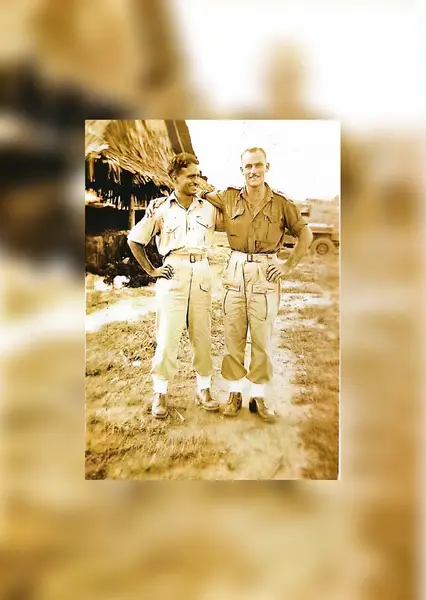
Sydney: There is a growing call for the construction of a memorial for the Indian soldiers who laid down their lives in the Pacific during World War 2. In 2022, Narinder Parmar, a soft-skill trainer and author in Australia, urged authorities to build a permanent memorial in Canberra for the 2,800 Indian soldiers who perished in Papua New Guinea during World War II.
Among the survivors was his father, Major Chint Singh of the 2nd Dogra Regiment, whose tale of survival and camaraderie with Australian forces remains a powerful story even today.
Parmar said in a series of posts on X, “War Memorial for 3000 Indian soldiers died in Papua & New Guinea during WW2! I would like to request both political parties that a memorial erected in Canberra to honour Indian soldiers who fell in the line of duty during WW2 in Papua New Guinea and as a symbol of friendship forged by the Indian soldiers after the war with Australians. Chint Singh, one of the survivors of 3000 Indian POWs, was invited to sign the Japanese surrender flag, displayed in AWM, Canberra.”

The role of Indian troops in the Pacific Theatre is often overlooked. After Singapore’s fall in 1942, nearly 3,000 Indian soldiers were taken prisoner by the Japanese and sent to Papua New Guinea. Only about 200 survived the brutal conditions of starvation, disease, and cruelty.
Maj. Singh, leading his men through captivity, endured by eating grass and insects, maintaining discipline despite unimaginable hardship.
On 30 September 1945, Australian forces liberated Maj. Singh’s group at Angoram. Lt. F.O. Monk, struck by their resilience, recalled the moment they came ashore, malnourished but unbroken.
The 15th Australian Field Ambulance at Wewak provided care, with Sgt. Ron Bader writing letters for the soldiers and Nurse Sister Murch offering compassion. This forged a deep bond, which was captured in Maj. Singh’s 1946 farewell letter to the 6th Australian Division, praising their “sympathy, love, and affection.”
Maj. Singh, honoured with signing the Japanese surrender flag, visited Australia in 1947 and 1970, welcomed as a friend. Australian veterans like Sgt. Eric Sparke kept his story alive. A 1971 memorial in Angoram, built by the Returned and Services League for the fallen Indians, was later washed away during floods.
“One of them was my father, who along 3000 PoWs were shipped to PNG! He became chief witness in Aust War Crime Commission! His mateship with Australian officers nurtured post war, he cherished rest of his life,” Parmar says.
Trending Stories
)
'He will always be ahead': India coach Gambhir says Sooryavanshi won't walk into team ahead of Samson
)
'Gangsta' crab shoves knife blade at man and his dog in Florida - Watch
&im=FitAndFill=(700,400))
Which country has the most F-35s outside America?
)
Andhra Pradesh police pose as FBI to get X to remove tweets
)
Godfather of AI Geoffrey Hinton gives US lawmakers a one-year warning on AI
)
UNGA 2026 theme explained: What does ‘Restoring trust, managing transformation: A United Nations that delivers for all’ mean?
)
US F-16 fighter jet crashes in Michigan during training mission, pilot ejects safely
&im=FitAndFill=(700,400))
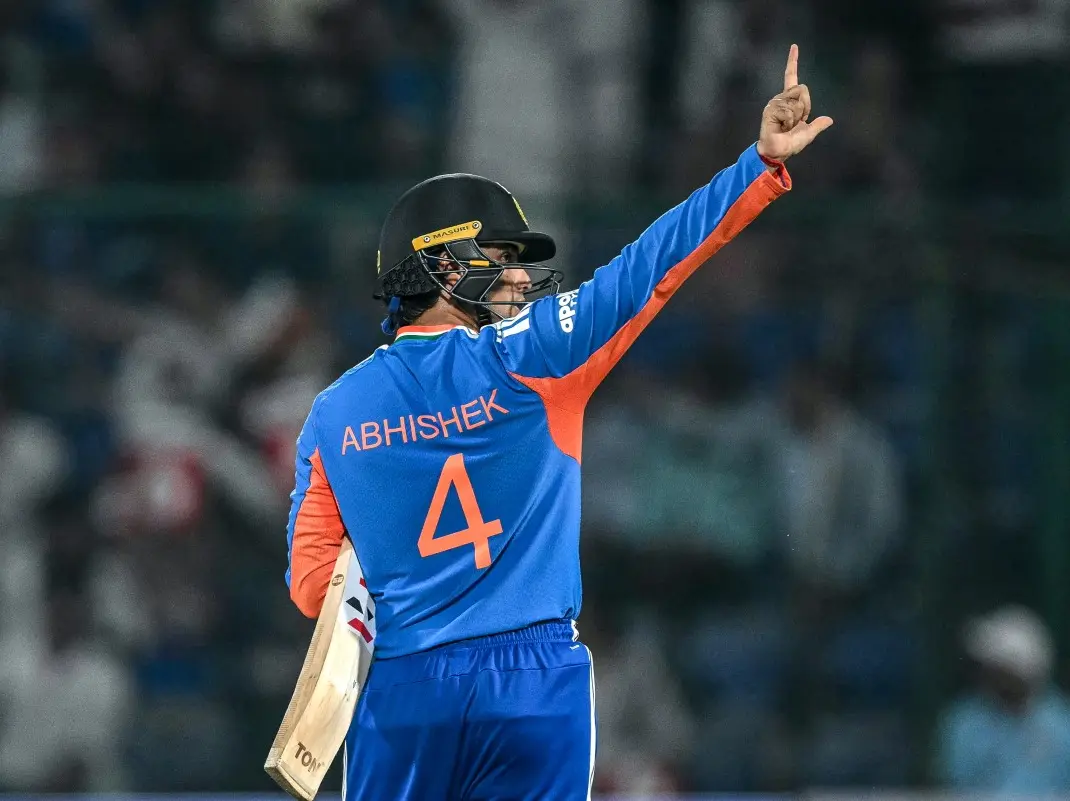
Meet top 5 Indian batters with fastest T20I centuries
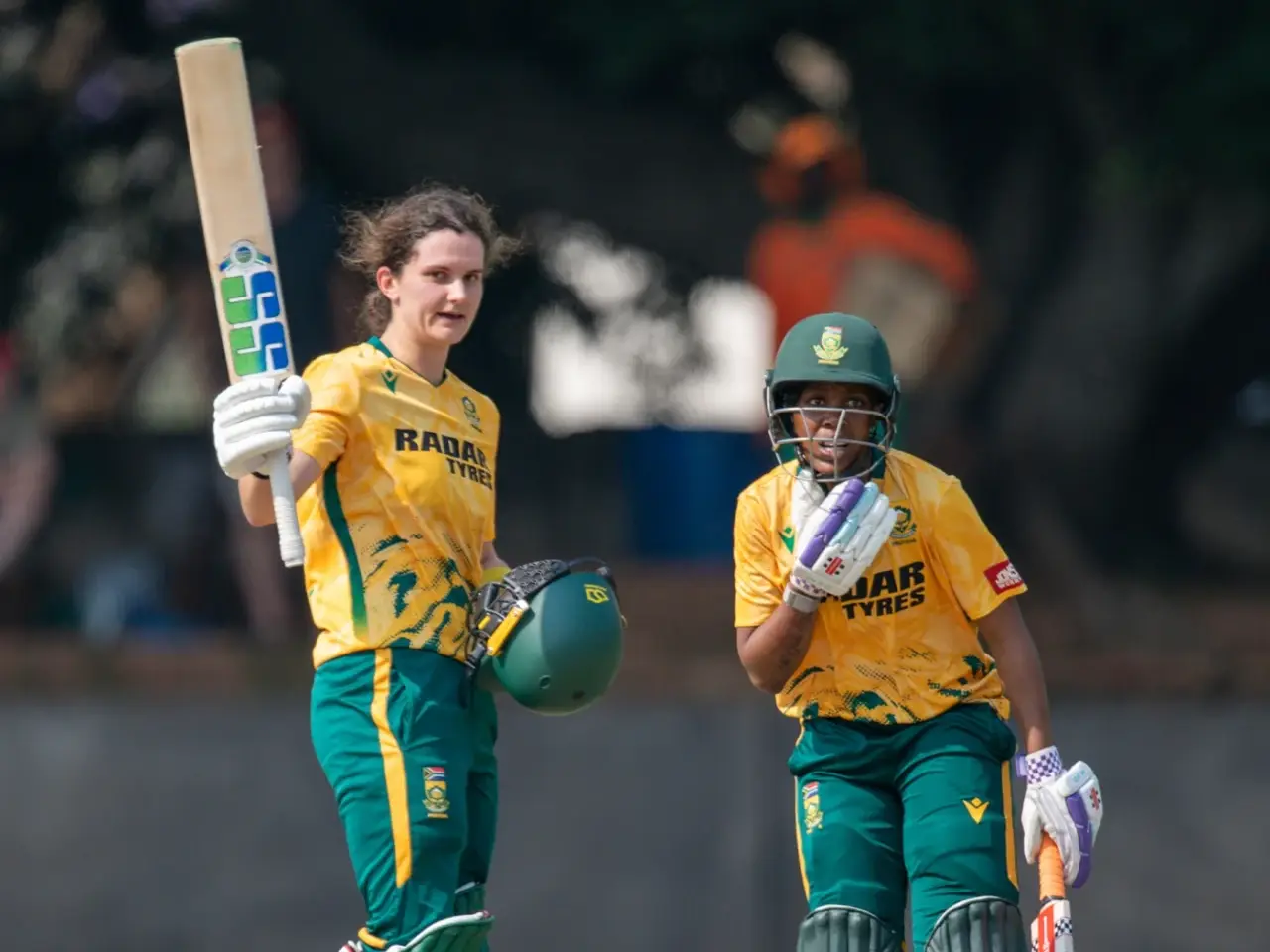)
Laura Wolvaardt sets new world record for most WT20I runs in a year
)
Ganpati Visarjan: Alia Bhatt and Ranbir Kapoor bid adieu to Bappa, watch viral videos
)
Who is Khalilur Rahman? All you need to know about 81st UN General Assembly President
)
North Korea's last nuclear test in 2017 set off 1,399 earthquakes over 8 years, each stronger than previous
&im=FitAndFill=(700,400))
New Friday OTT releases (September 18, 2026): Lust Stories 3, You+Me, Best of the Best- 8 new titles coming on Netflix, Prime Video and more
)
Xi-Trump summit may boost military links
)
Pentagon revives mandatory testosterone testing for male troops aged 30 and above
)
Asian Games 2026: Shafali stars as India thump Japan by 8 wickets to book semis berth
)
Marathi film Gondhal is India's official entry for Oscars 2027
)
The Verdict | When precision fails: US commits war crime in Minab school strike, UN finds
)
Shivakumar attends 79th Kalyana Karnataka Utsav in Kalaburagi
)
Three labourers killed as DU student loses control of his car, rams into them on Dwarka Expressway
)
US-North Korea tensions explode, Kim Yo Jong warns of 'more offensive' response
&im=FitAndFill=(700,400))
From Abhishek Sharma to Sahil Chauhan, 5 batters with fastest T20I hundreds
)
Ukraine plans record $109 bn defence spending, nearly two thirds of budget amid Russia war
)
Drone strikes cooling tower at Russia's Kursk Nuclear Plant, IAEA confirms
&im=FitAndFill=(700,400))
Suriya and Jyothika say ‘I do’ again after 20 years! See their dreamy wedding pics
)
Cristiano Ronaldo returns to Portugal squad for Nations League under new coach
)
Trump bans CNN, MS NOW and Politico from White House over ‘FAKE NEWS’
)
Spain Floods: Deadly floods hit Spain as torrential rains trigger widespread flooding
)
How did an Australian river with 500 crocodiles pass the Olympic test? Here's how
)
Hong Kong extends newborn cash support scheme by three years
&im=FitAndFill=(700,400))
Meet top 5 bowlers in latest ICC T20I rankings
)
India ‘deeply concerned’ as Houthi strikes hit Saudi civilian & energy sites
)
A first in 100 years: New cat species discovered in Bolivia is incredibly tiny
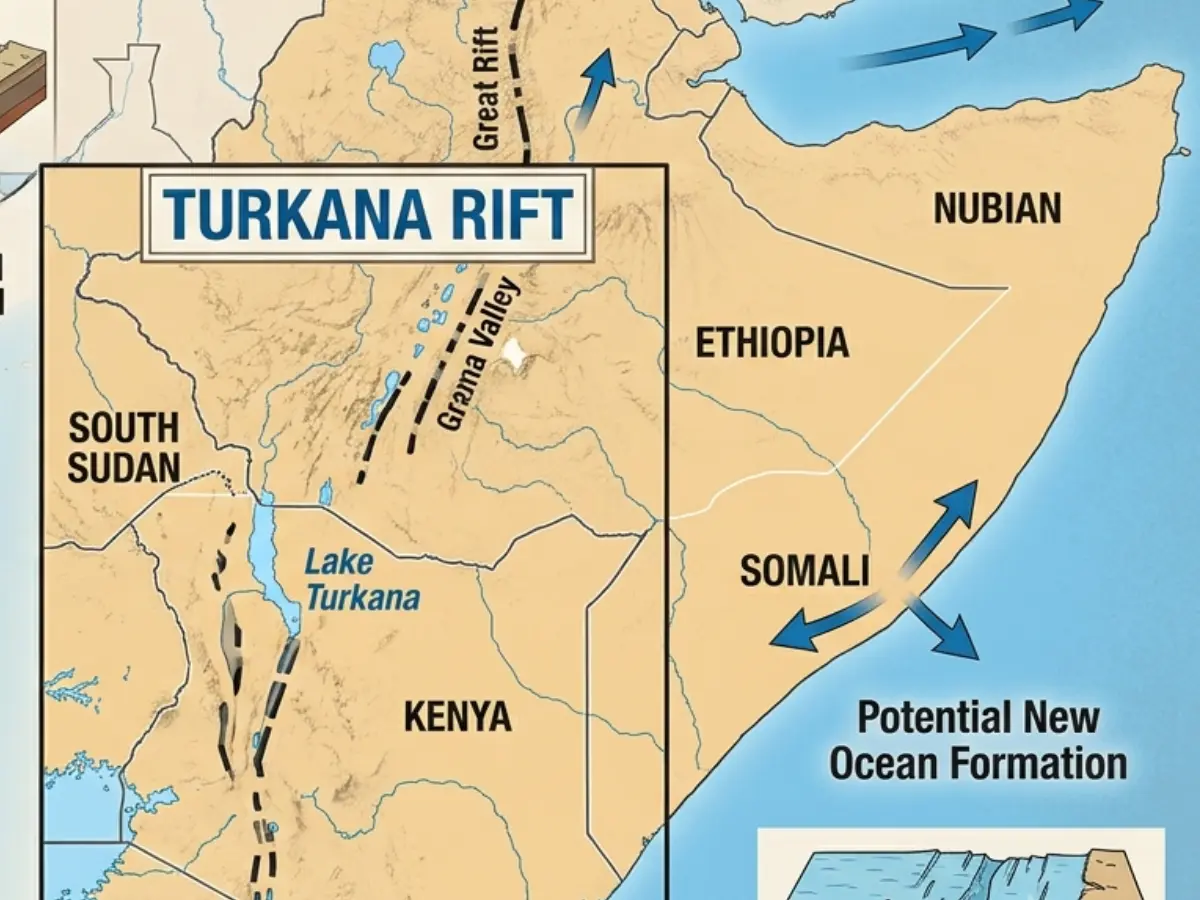)
Africa is splitting, and a lot sooner than estimated, giving way to a new ocean
)
Indian activist-lawyer Prashant Bhushan's post brings focus on ‘conflict of interest’ appointments of ex-govt officials at Reliance, Adani groups
&im=FitAndFill=(700,400))
Meet top 5 batters in the latest ICC T20I Rankings
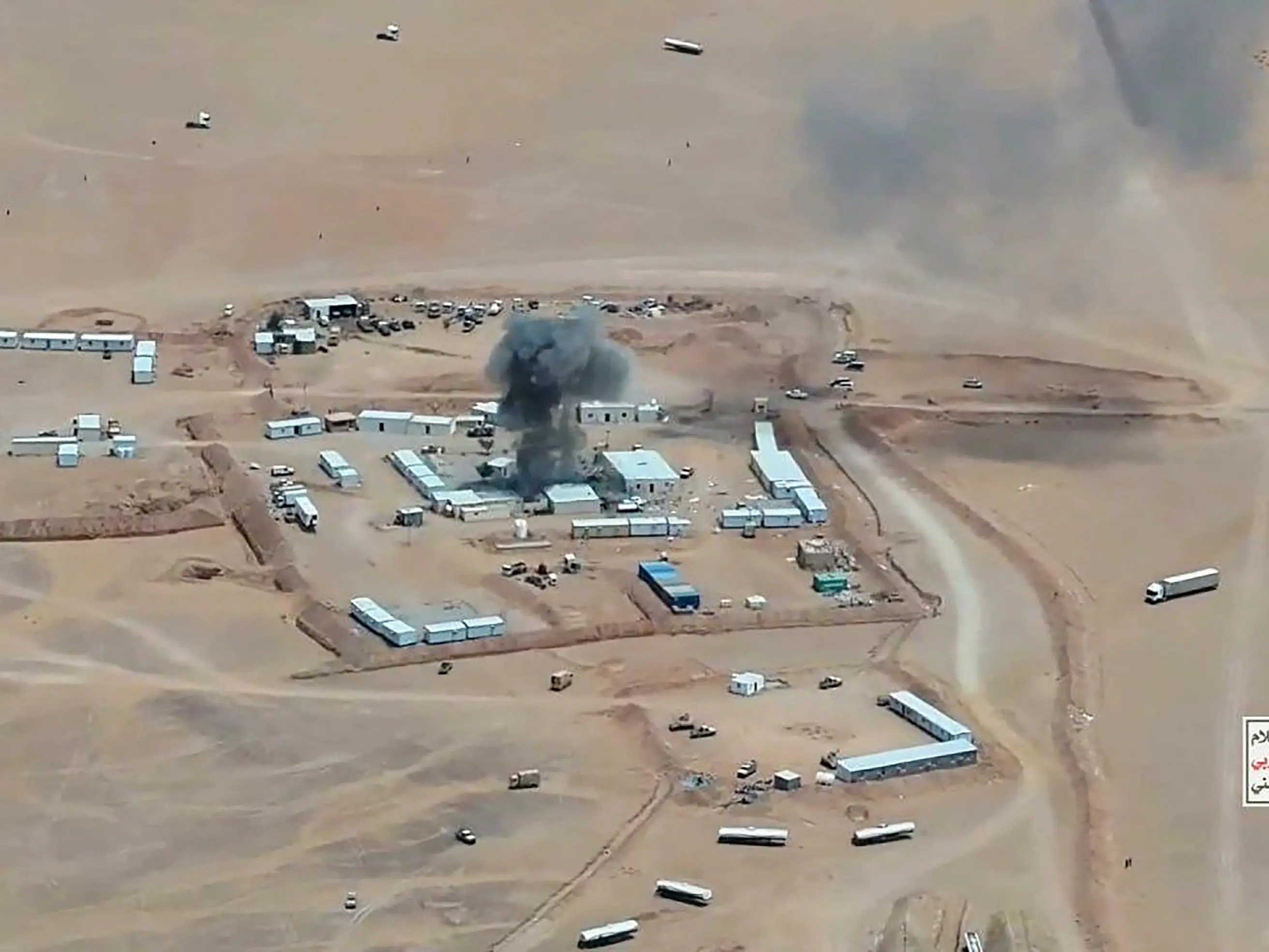)
‘Will go to any extent’: Pakistan vows to defend Saudi Arabia amid Houthi attacks
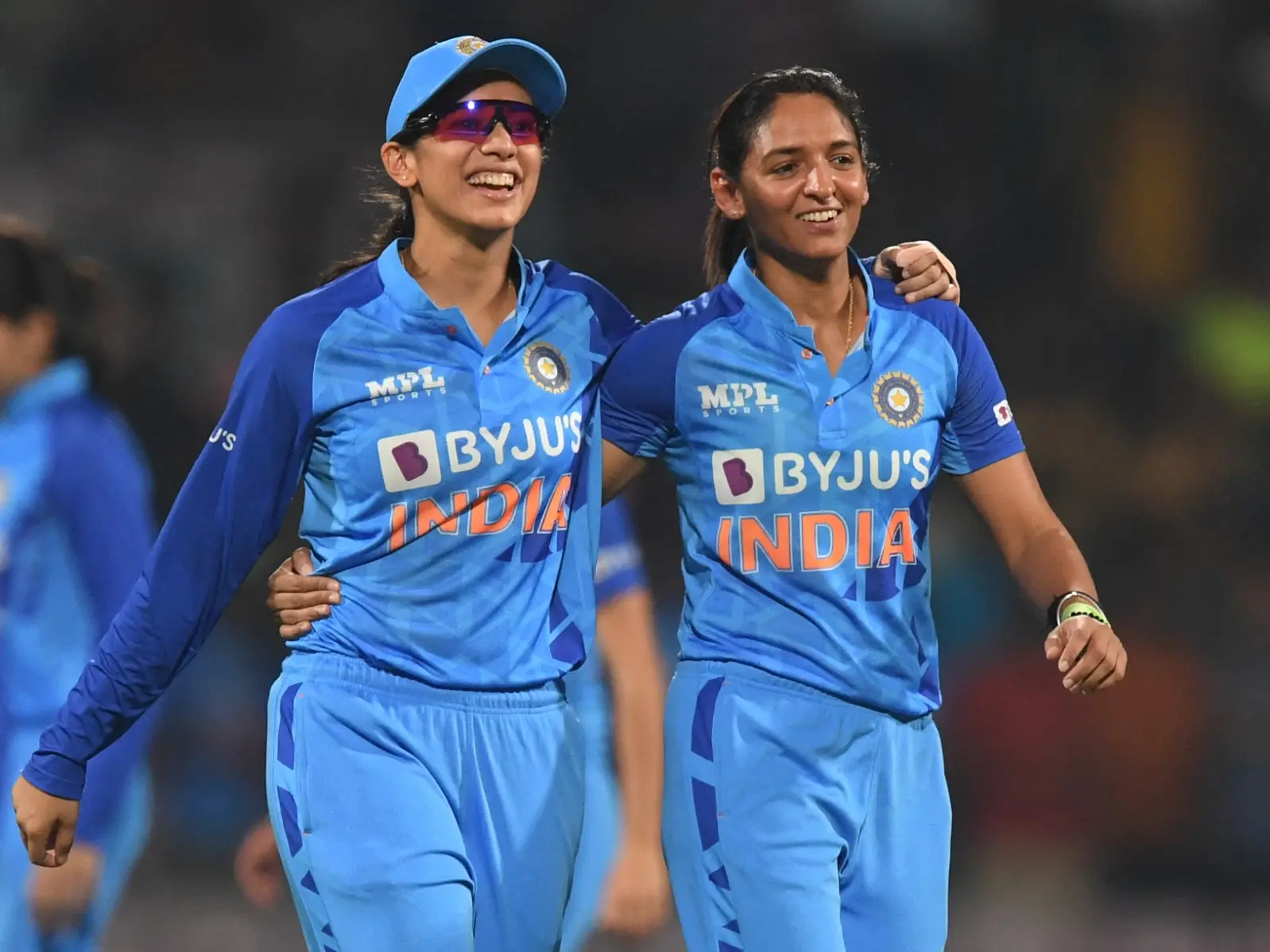)
Former India player Diana Edulji wants Smriti Mandhana to replace Harman as skipper at the earliest
)
India seeks to build a full semiconductor supply chain
Parmar’s call for a Canberra memorial seeks to honour these sacrifices and the India–Australia bond, rooted in wartime compassion. As bilateral ties grow through trade and shared Indo-Pacific interests, this shared history underscores a deeper connection.
For the Indian diaspora, a memorial would be a touchstone, linking their identity to ancestral courage and shared sacrifice.
Like the Neuve-Chapelle Memorial in France for Indian soldiers of World War I, a memorial in Canberra would bridge past and present, India and Australia.
