Beyond the seven: How Macron's extended G7 Summit 2026 guest list signals a multipolar shift | WION Decodes

&imwidth=600&imheight=450&format=webp&quality=medium "Beyond the seven: How Macron's extended G7 Summit 2026 guest list signals a multipolar shift | WION Decodes")
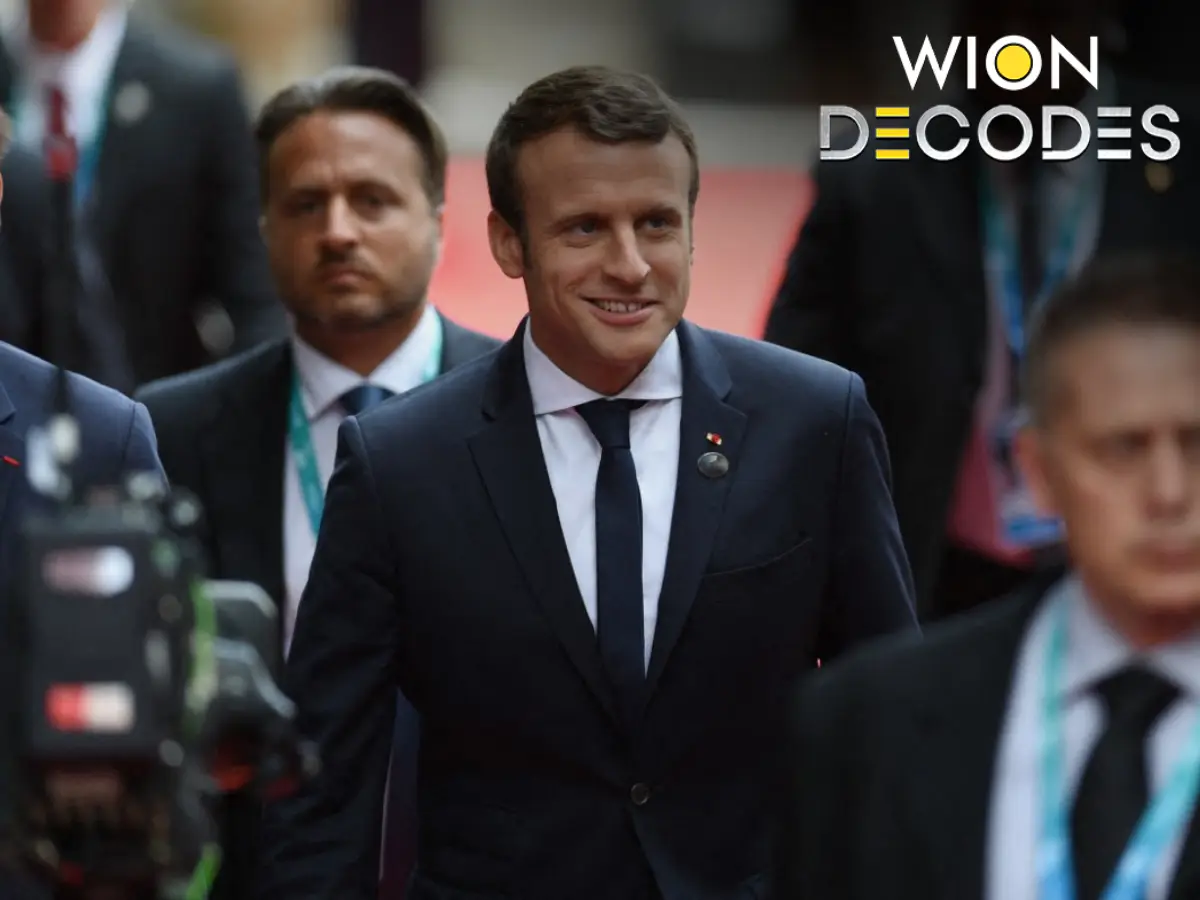
Beyond the seven: How Macron's extended G7 guest list signals a multipolar shift Photograph: (Credit: AFP)
Explore how French President Emmanuel Macron's expanded guest list for the 52nd G7 Summit in Évian signals a major multipolar shift, as Western powers court key Global South leaders.
As heads of state convene for the 52nd G7 Summit on the shores of Lake Geneva, the most telling indicator of shifting global power is not the core gathering of traditional Western industrial powers. Instead, it is the strategic outreach list constructed by French President Emmanuel Macron. By inviting an influential group of non-members heavily featuring India, Brazil, Kenya, Egypt, and South Korea, the French presidency has issued a pragmatic acknowledgement of a new geopolitical reality: the G7 can no longer address global economic or security crises in an isolated vacuum. The strategic structure of the outreach invitations reveals a Western diplomatic effort to build fluid coalitions with pivotal "middle powers" capable of navigating an increasingly fragmented world.
Courting the systemic anchors: India and Brazil
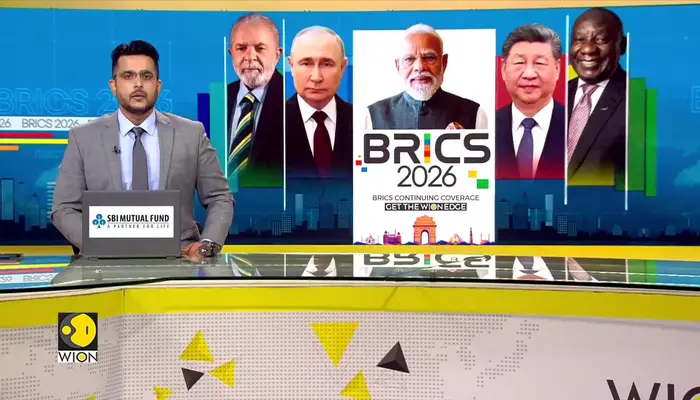
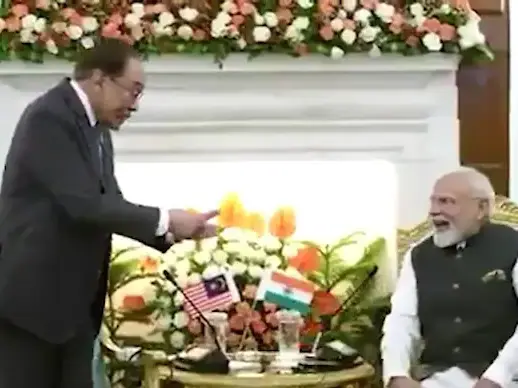
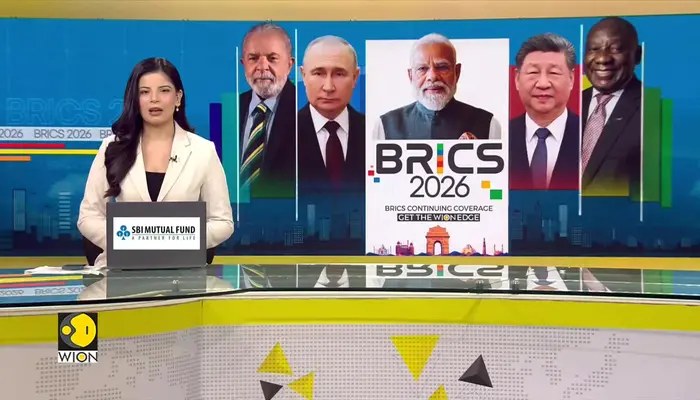
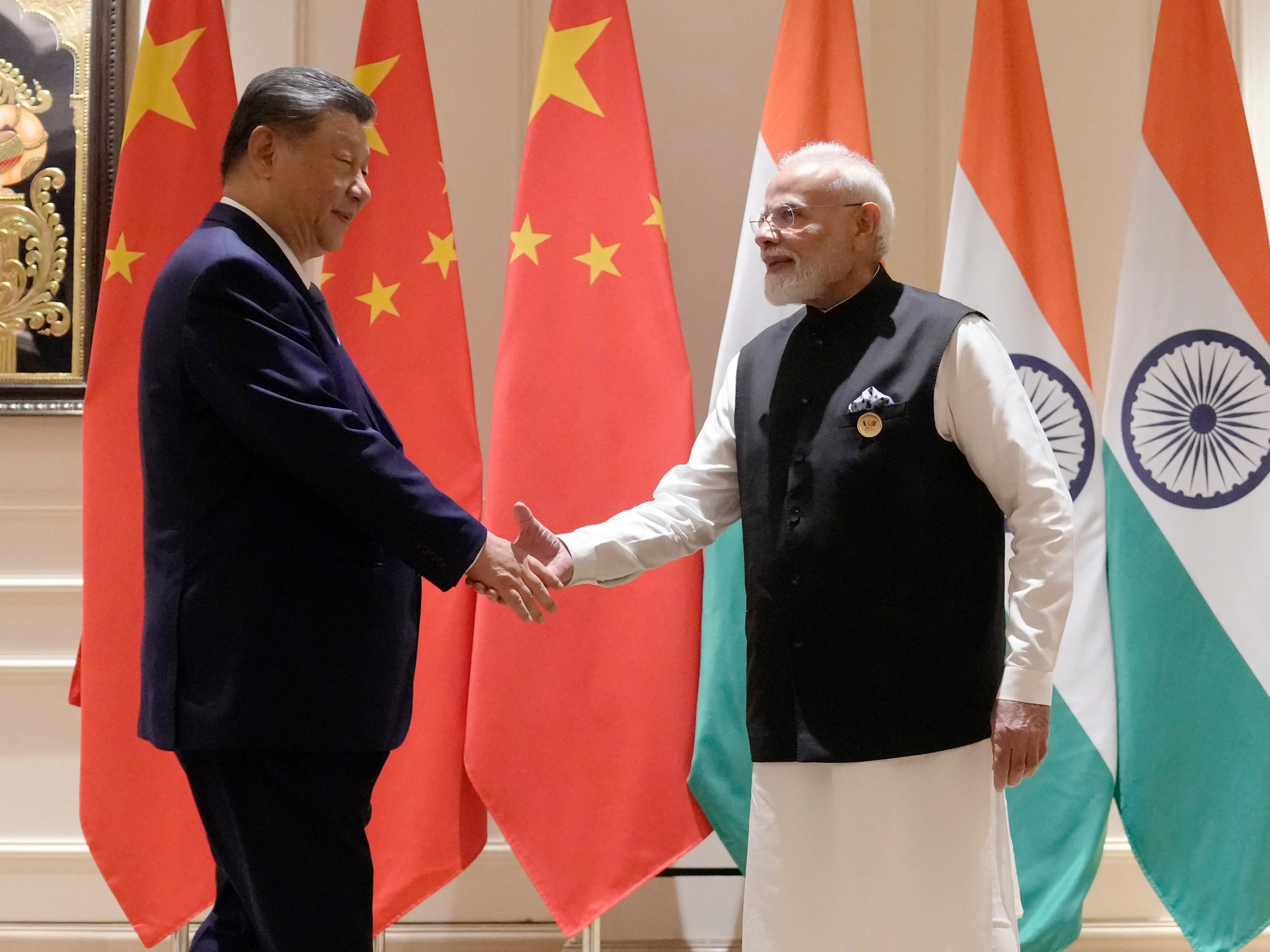
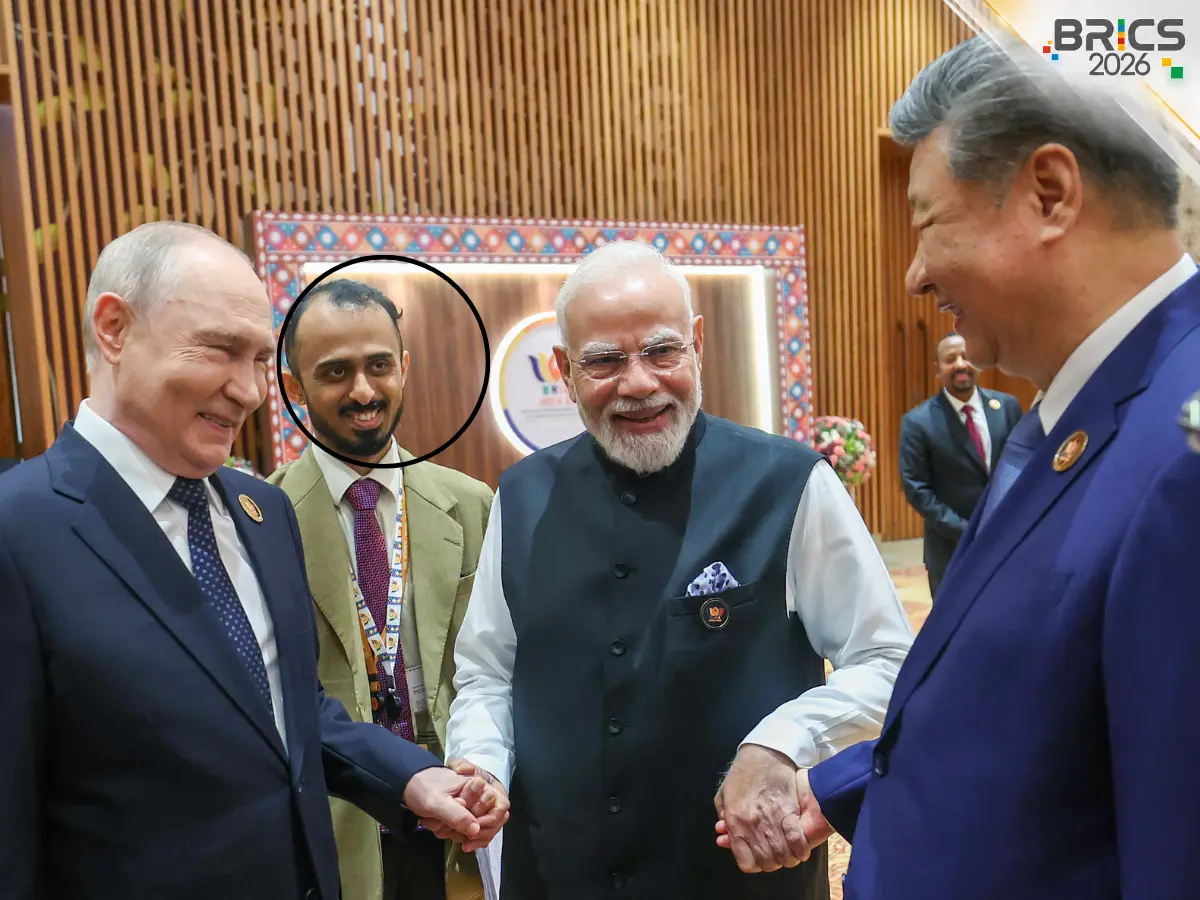
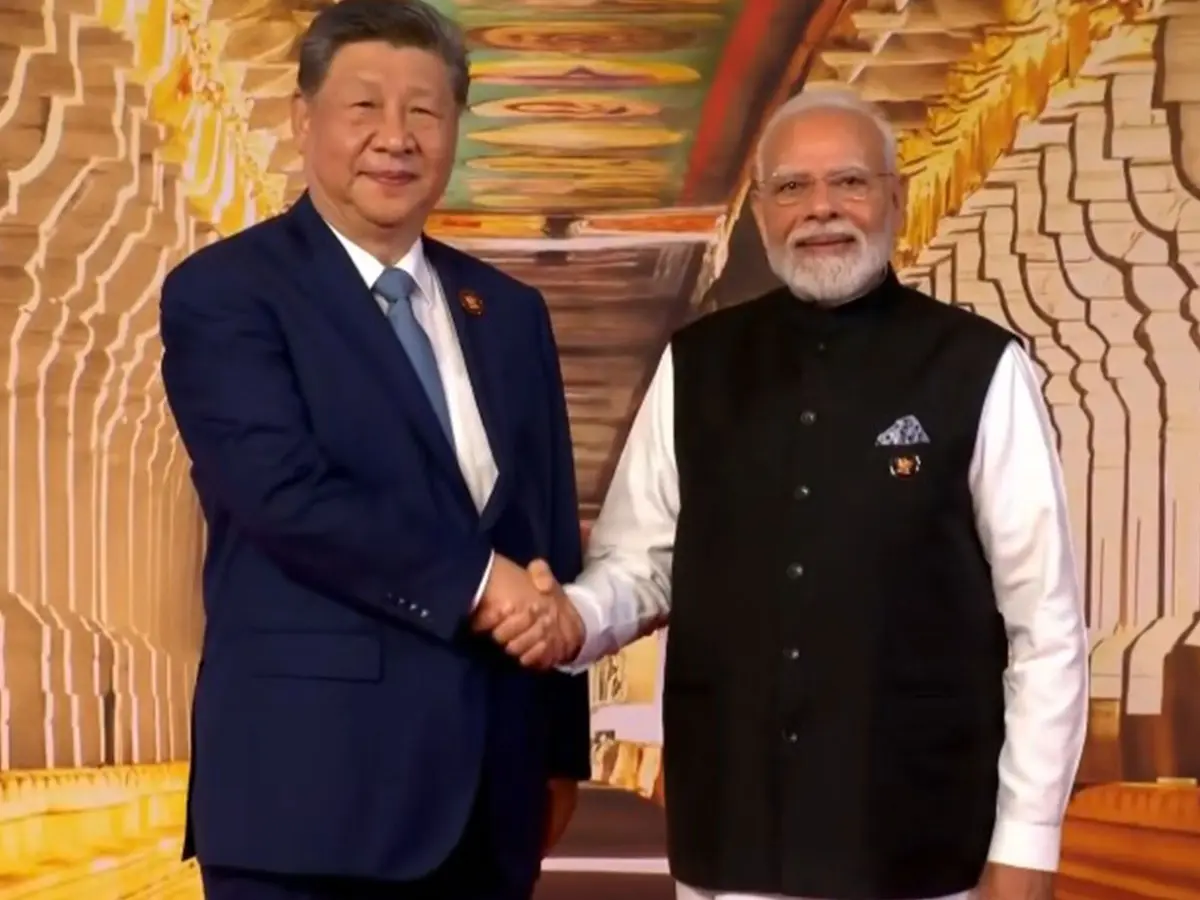
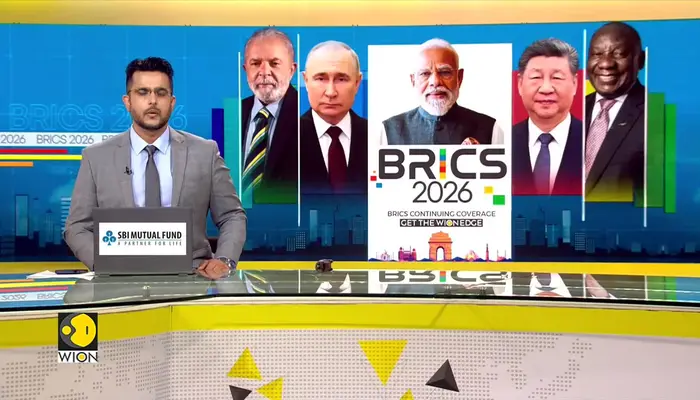
The inclusion of Indian Prime Minister Narendra Modi and Brazilian President Luiz Inácio Lula da Silva has transitioned from a diplomatic courtesy to a systemic necessity. Both nations serve as critical gatekeepers of global governance, wielding significant influence within expanding alternative frameworks such as the BRICS+ bloc.
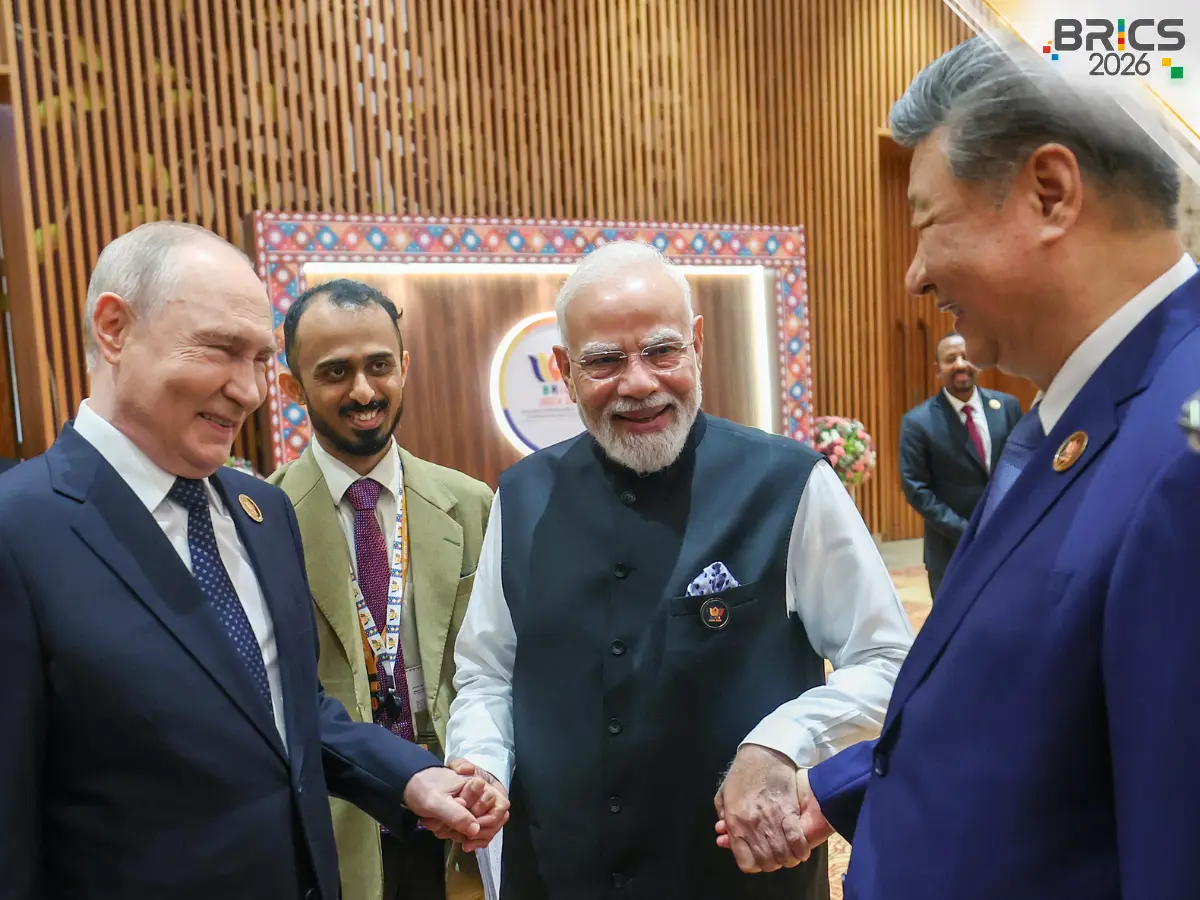
For the G7, engaging India is central to stabilising critical supply chains and fortifying Indo-Pacific security strategies. New Delhi has consistently used its platform to position itself as a diplomatic bridge, amplifying the Global South's structural economic concerns. According to the Ministry of External Affairs, this marks Prime Minister Modi's seventh consecutive participation in a G7 summit, cementing India's role as a permanent fixture in high-level Western deliberations.
Trending Stories
)
&im=FitAndFill=(700,400))
&im=FitAndFill=(700,400))
)
)
&im=FitAndFill=(700,400))
)
&im=FitAndFill=(700,400))
)
)
)
)
)
)
)
)
&im=FitAndFill=(700,400))
)
)
)
)
)
)
)
)
)
)
)
)
)
)
&im=FitAndFill=(700,400))
)
)
Concurrently, Brazil’s presence under President Lula brings intense leverage over climate policy, global agriculture, and international financial structures. By integrating these key non-member states directly into the preliminary Sherpa tracks, which held intensive negotiation cycles across France in Versailles and Toulouse earlier this year, the G7 is actively trying to manage institutional frictions before they harden into completely parallel, competing economic orders.
Mediterranean and African Security Alliances
The guest list also highlights an intense diplomatic effort to secure critical trade corridors and counter deep-seated Russian and Chinese infrastructure investments across Africa and the West Asia. The invitation extended to Kenyan President William Ruto underscores Kenya’s position as an economic and diplomatic anchor in East Africa, giving the West a vital partner to pitch reformed development finance models.
Furthermore, France's localised outreach heavily prioritises maritime security and energy corridors. The inclusion of Egypt, Qatar, and the United Arab Emirates reflects an urgent priority to address volatile shipping lanes and supply chain vulnerabilities outside of Chinese monopolies. Notably, this summit also marks the historic first attendance of a Syrian representative, following the rise of President Ahmed al-Sharaa's administration, signalling a major realignment of regional diplomacy.
The concession of a multipolar reality
The deeper story of the Évian outreach track lies in the economic reality behind the invitations. The systemic gap in nominal GDP clout between the traditional G7 and the world’s rising middle powers has narrowed dramatically over the last decade. Whether regulating the fast-evolving artificial intelligence sector, managing sovereign debt distress, or securing critical minerals, the G7 lacks the unilateral authority to dictate global policy. By expanding the table at Évian, the West is conceding that its geopolitical resilience depends on building transactional partnerships with the rising powers rewriting the rules of the international order.

