Bangladesh war crimes tribunal sentences seven Awami League leaders to death over July Uprising crackdown

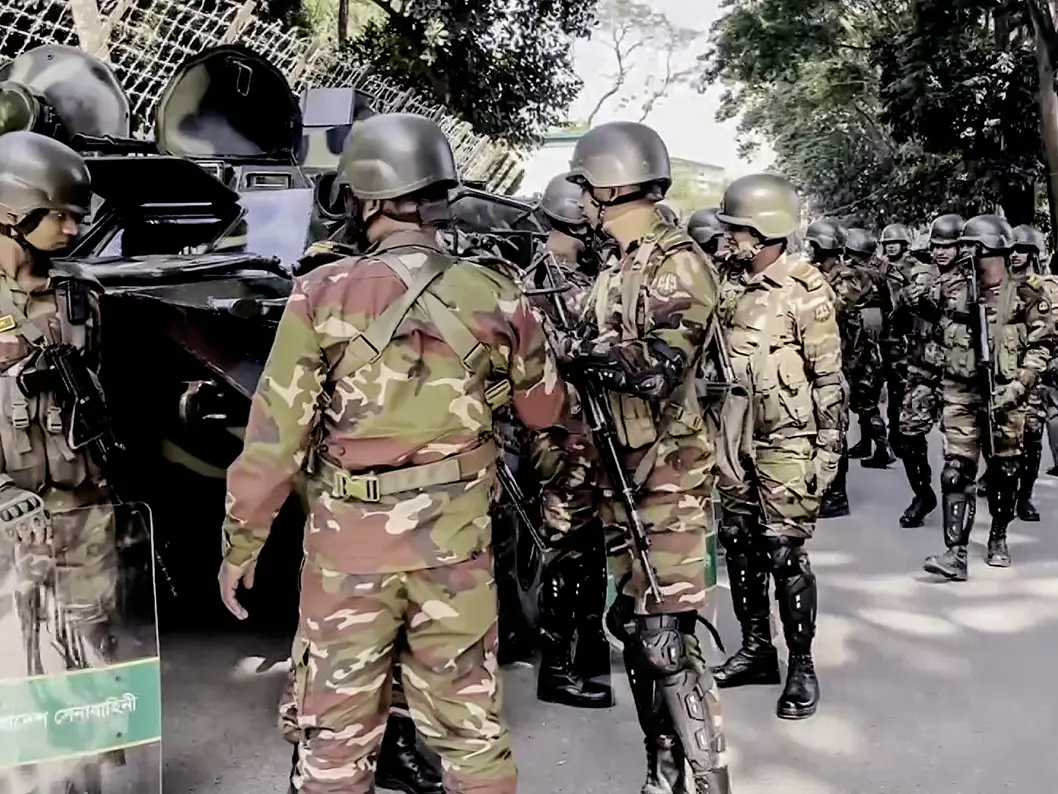&imwidth=600&imheight=450&format=webp&quality=medium "Bangladesh war crimes tribunal sentences seven Awami League leaders to death over July Uprising crackdown")
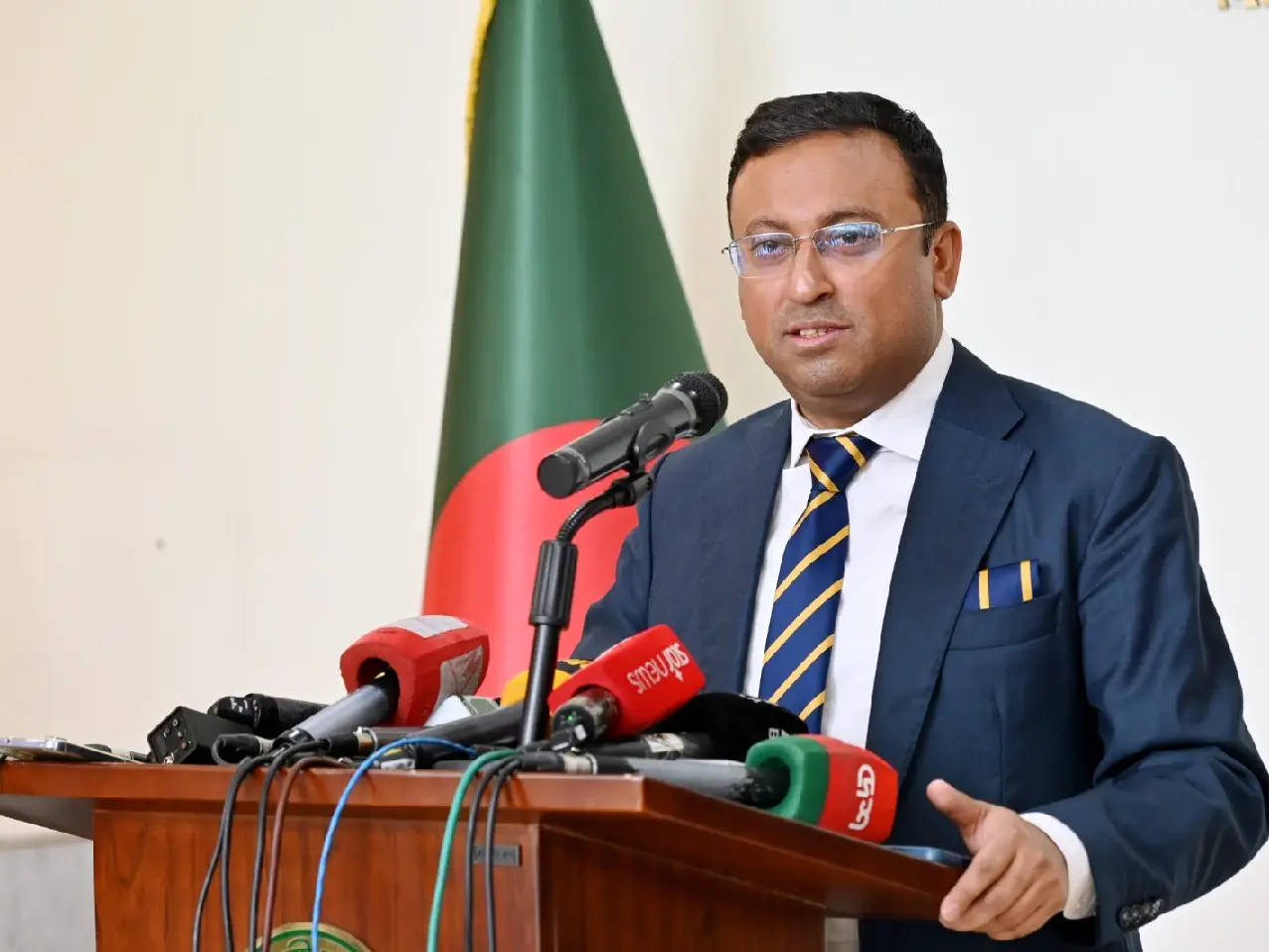
Representative image. Photograph: (ANI)
The three-member bench, led by Justice Nazrul Islam Chowdhury and including Justices Md Manzurul Basid and Nur Mohammad Shahriar Kabir, delivered the verdict against Awami League General Secretary Obaidul Quader among others.
Bangladesh's International Crimes Tribunal-2 (ICT-2) on Tuesday sentenced seven senior leaders of the now-banned Awami League to death for crimes against humanity, holding them responsible for directing and inciting deadly violence during last year's student-led protests known as the July Uprising.
The three-member bench, led by Justice Nazrul Islam Chowdhury and including Justices Md Manzurul Basid and Nur Mohammad Shahriar Kabir, delivered the verdict against Awami League General Secretary Obaidul Quader among others. All seven were tried in absentia and represented by state-appointed lawyers, as none of the accused had appeared before the tribunal.
Also read: Trump gets a blow from US Supreme Court over mail-in voting: Why is it so important and how it works
Also sentenced were Joint General Secretary AFM Bahauddin Nasim, former state minister for information and broadcasting Mohammad Ali Arafat, Jubo League Chairman Sheikh Fazle Shams Parash and General Secretary Mainul Hossain Khan Nikhil, and Chhatra League President Saddam Hussain and General Secretary Sheikh Wali Asif Enan.
The tribunal ordered the confiscation of half the movable and immovable assets of five of the convicts, excluding Saddam and Enan, to be distributed among families of those killed and injured in the uprising.
According to prosecutors, the accused conspired in state meetings during the movement to plan killings, with evidence drawn from audio and video recordings submitted to the tribunal. Prosecutors further alleged that Quader had directly ordered security forces to open fire on protesters, triggering indiscriminate shooting that continued until Hasina's government fell on August 5, 2024.
Trending Stories
)
)
)
)
)
)
)
)
)
)
&im=FitAndFill=(700,400))
)
)
)
&im=FitAndFill=(700,400))
)
&im=FitAndFill=(700,400))
)
)
)
)
)
)
&im=FitAndFill=(700,400))
)
)
)
)
)
)
)
)
)
)
)
)
)
)
)
)
Chief Prosecutor Md Aminul Islam had earlier told the tribunal during closing arguments that all charges against the accused were proven and that they bore responsibility for the killing and injury of large numbers of people during the uprising, while defence counsel sought acquittal.
The verdict comes roughly ten months after the same tribunal sentenced deposed prime minister Sheikh Hasina to death in absentia over the crackdown, a ruling that drew sharp criticism from rights groups including Amnesty International and Human Rights Watch over fair-trial concerns.
The United Nations has estimated that up to 1,400 people were killed, most by security forces' gunfire, during the unrest that ultimately ended Hasina's 15-year rule. Hasina has been living in exile in India since fleeing Dhaka, and last month said she intends to return to Bangladesh in December despite the threat of imprisonment or execution.
The verdict can be appealed before Bangladesh's Supreme Court.
