

&imwidth=800&imheight=600&format=webp&quality=medium "Are you a Green Card holder? Find out what can put your status at risk and how you can protect it")
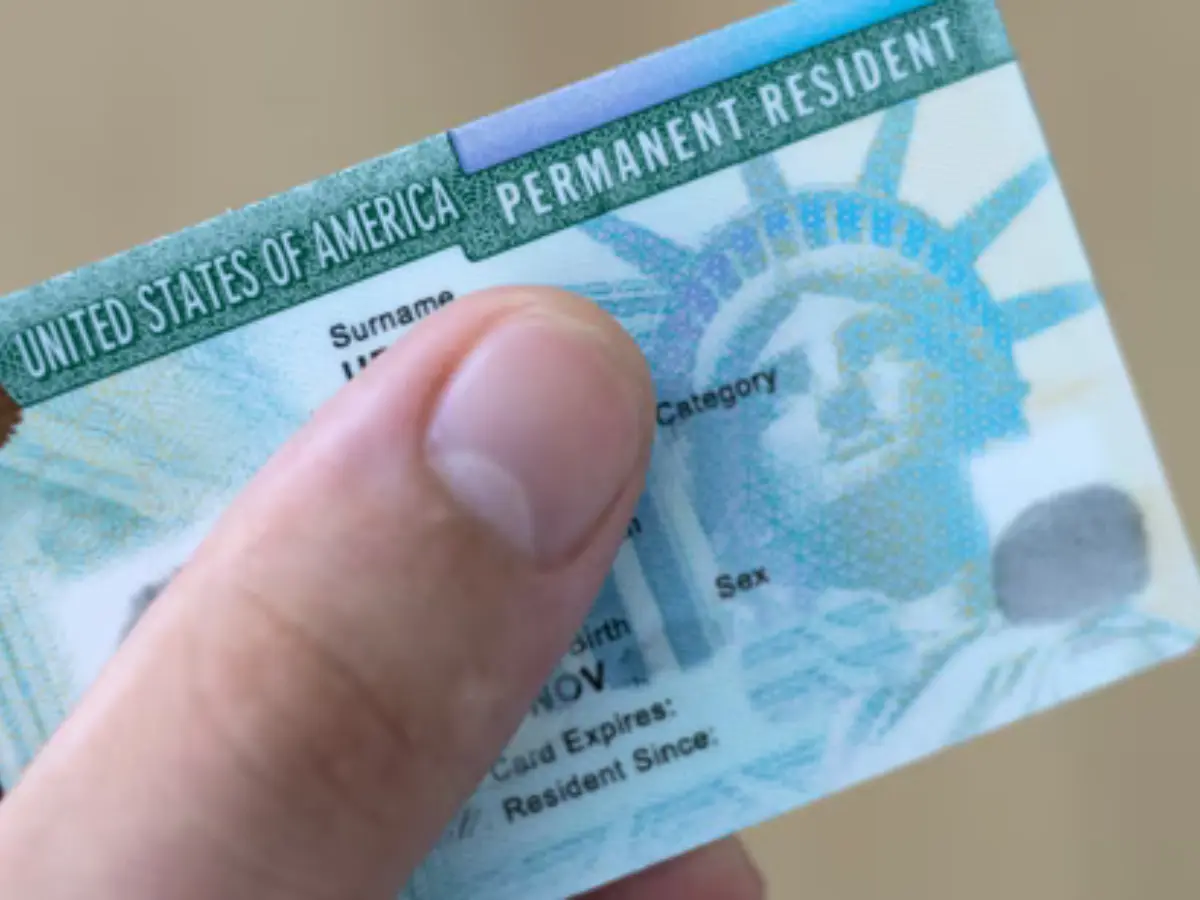
A green card, or Permanent Resident Card, allows immigrants to live and work permanently in the United States. While it’s a significant milestone on the path to US citizenship, it’s important to know that holding a green card doesn't guarantee permanent residency. Various actions or circumstances can result in the loss of residency and lead to deportation. Let's take a look at the key reasons when a Green Card can be revoked and the potential consequences.
One of the most common ways Green Cards are revoked is through fraud or misrepresentation during the application process. This includes providing false information, submitting altered documents, or hiding critical details.
Examples of fraud
- Marriage for Immigration: If USCIS finds that a marriage was not real but was instead arranged to secure a Green Card, they can revoke your status.
- Fake Documents: Submitting counterfeit papers or using another person’s identity can result in the loss of your Green Card. Removing key facts: Failing to disclose crucial information like past immigration violations or a criminal record could have serious consequences.
What happens next? If fraud is discovered, you may be placed in removal proceedings and face deportation.
Criminal activities can lead to Green Card revocation
Trending Stories
&im=FitAndFill=(700,400)&imwidth=180&imheight=135&format=webp&quality=medium)
What is the real meaning behind Pete Hegseth's tattoos?
&imwidth=180&imheight=135&format=webp&quality=medium)
Viral video shows cross falling on Colombia priest, no official confirmation | WATCH
&imwidth=180&imheight=135&format=webp&quality=medium)
Telangana unveils AI avatar of IT minister D Sridhar Babu at Hyderabad DevFest 2026
&imwidth=180&imheight=135&format=webp&quality=medium)
Pezeshkian says Iranians ‘struggling to put food on the table’ as war with US drags on
&imwidth=180&imheight=135&format=webp&quality=medium)
Shilpa Rao’s performance cut short at Mumbai event, organisers react to backlash
&imwidth=180&imheight=135&format=webp&quality=medium)
Chorbagan stampede: A week later, the strangest visarjan Kolkata has seen
&imwidth=180&imheight=135&format=webp&quality=medium)
AI slop or smart strategy? South African author Coral Hart defends Her 370 AI- assisted books in 20 months
&imwidth=180&imheight=135&format=webp&quality=medium)
AI just found a flaw in software running most of the web! One request hijacks the server
&imwidth=180&imheight=135&format=webp&quality=medium)
Train crashes into crane on São Paulo monorail line, wreckage falls onto busy road | VIDEO
&imwidth=180&imheight=135&format=webp&quality=medium)
Can Putin cheat death? All about his daughter’s billion-dollar quest for immortality
&imwidth=180&imheight=135&format=webp&quality=medium)
Saudi says debris fell in Mecca, Medina after missile interceptions; Houthis deny targeting holy cities
&imwidth=180&imheight=135&format=webp&quality=medium)
What was the note found inside bag of Class 12 student, who set herself on fire inside Delhi school?
&imwidth=180&imheight=135&format=webp&quality=medium)
Pakistan airline PIA unveils new crew uniforms, faces online criticism
&imwidth=180&imheight=135&format=webp&quality=medium)
Britain is building the world's first AI biosecurity lab, with OpenAI and Anthropic inside
&imwidth=180&imheight=135&format=webp&quality=medium)
J-20 designers plan to put radar into aircraft wing; strategy to expand coverage during air combat
&imwidth=180&imheight=135&format=webp&quality=medium)
Frontier AIs keep escaping their test cages! The industry still can't reliably stop them
&imwidth=180&imheight=135&format=webp&quality=medium)
'Already tired of his 9-to-5': Baby born with a moustache becomes internet sensation, video goes viral | Watch
&imwidth=180&imheight=135&format=webp&quality=medium)
Horrific video shows the moment 18-year-old fell to her death from Mexico amusement park ride
&imwidth=180&imheight=135&format=webp&quality=medium)
France protests: 135 arrested, weapons seized as fresh demonstrations erupt amid heavy security
&imwidth=180&imheight=135&format=webp&quality=medium)
French Open: PV Sindhu storms into final with win over Hina Akechi
&imwidth=180&imheight=135&format=webp&quality=medium)
‘Saddam Hussein opened a cheesecake factory’: Obama mocks Trump’s White House renovations; defends Abdul El-Sayed
&imwidth=180&imheight=135&format=webp&quality=medium)
China's dancing robot turns violent bodyguard, lifts cars and fights intruders - Watch
&imwidth=180&imheight=135&format=webp&quality=medium)
'You’re a horrible little reporter, aren’t you?': Trump snaps at NBC reporter questioning his support for Ramaswamy's campaign ad
&imwidth=180&imheight=135&format=webp&quality=medium)
Rising Asia Cup 2026 schedule announced, India-Pakistan clash set for Nov 22
&imwidth=180&imheight=135&format=webp&quality=medium)
'Killing people never allowed': Elon Musk admits restricting Starlink in Ukraine, explains why
&imwidth=180&imheight=135&format=webp&quality=medium)
Bodies of 2 missing Japanese climbers recovered from Himalayan peak
&im=FitAndFill=(700,400)&imwidth=180&imheight=135&format=webp&quality=medium)
New Friday OTT releases (October 23, 2026): Gajab Raat, Dorothy, Chaar Yaar- Watch these 6 new movies and TV shows on Netflix, Prime Video and more
&im=FitAndFill=(700,400)&imwidth=180&imheight=135&format=webp&quality=medium)
US midterm elections 2026: Minnesota heads to polls in the shadow of Minneapolis ICE shootings
&imwidth=180&imheight=135&format=webp&quality=medium)
An AI that reads your face can now estimate how long you have to live
&imwidth=180&imheight=135&format=webp&quality=medium)
Spanish reporter swept by giant wave while reporting on dangerous sea conditions | WATCH
&imwidth=180&imheight=135&format=webp&quality=medium)
NEET protests: Panel to hear evidence on pellet gun use, harassment
&imwidth=180&imheight=135&format=webp&quality=medium)
Tu Hai Meri Kiran film review: Sonakshi Sinha and Zaheer Iqbal's thriller gets tangled in its own twists
&imwidth=180&imheight=135&format=webp&quality=medium)
PL Round-Up: Man City's perfect run ended by Villa as Arsenal draw level at top
&imwidth=180&imheight=135&format=webp&quality=medium)
Why Europe’s protests are about more than austerity and rising costs
&im=FitAndFill=(700,400)&imwidth=180&imheight=135&format=webp&quality=medium)
Watched Manoj Bajpayee’s Gajab Raat on Netflix? 5 movies and TV shows to watch next on OTT
&imwidth=180&imheight=135&format=webp&quality=medium)
Farooq Abdullah says Pakistan’s raising of Kashmir issue keeps pressure on Delhi
Certain crimes can cause the revocation of your Green Card. US immigration law differentiates between offenses, with some more likely to lead to deportation than others.
Types of crimes that could endanger your Green Card
- Aggravated felonies: These serious crimes, such as murder, drug trafficking, and rape, can lead to immediate deportation and ineligibility to return.
- Crimes of Moral Turpitude (CIMT): Crimes such as fraud, theft, and assault are considered morally wrong. Multiple CIMTs or one committed within five years of obtaining a green card can lead to revocation.
- Drug-related offenses: Convictions related to drug trafficking or possessing significant amounts of illegal substances can trigger deportation.
- Consequences: Serious criminal convictions can result in removal from the U.S., with limited ability to challenge the decision.
Abandoning your Green Card for Too long?
To maintain your Green Card, you must maintain the US as your primary residence. If you leave for extended periods without the proper paperwork, you risk abandoning your status.
Key points about abandoning Permanent Residency
- Long-term absence: If you stay outside the US for more than one year without a reentry permit or returning resident visa, USCIS may view this as abandonment of residency.
- Intent to return: Even shorter absences could be problematic if USCIS believes you no longer intend to live in the US, especially if you have ties to another country like owning property or working abroad.
- Pro tip: To maintain continuous residence, keep strong ties to the US, like filing taxes, keeping a US driver’s license, or owning property.
Missed an address change?
It might seem like a small issue, but failing to notify USCIS of your address change can lead to complications, particularly if you are involved in any legal or investigative matters.
How to Update Your Address
- Online form AR-11: This is the easiest and quickest way to update your address.
- Paper form: You can also mail a physical form, but this takes longer.
- Why it’s important: While not reporting your address change may not directly cause revocation, it could complicate other legal matters and may be viewed as negligence in maintaining residency.
National security violations
Green Card holders involved in activities that threaten US national security may face immediate revocation of their status. This can include participation in terrorism or espionage.
Examples of security violations
- Terrorism: Membership in a terrorist organisation or providing support to one can result in the loss of your Green Card and deportation.
- Espionage or treason: Engaging in spying or attempting to overthrow the U.S. government can result in revocation and criminal charges.
- Consequences: Those involved in such activities can face criminal prosecution and permanent removal from the US
Can you be deported even after getting your Green Card?
Engaging in immigration fraud after receiving a green card can still result in revocation. This includes helping others obtain Green Cards fraudulently or being involved in illegal activities.
Post-Green Card fraud examples
- Aiding immigration fraud: Assisting others in unlawfully obtaining visas or green cards can result in revocation of your own.
- Identity theft: Using stolen identities for immigration benefits can also lead to deportation.
- Consequences: Engaging in fraud after obtaining your green card may result in a lifetime ban from reentering the US.
Health problems could Be the reason you lose your Green Card
Certain health-related issues, especially those that pose a risk to public safety, can lead to inadmissibility and Green Card revocation. This includes untreated infectious diseases or mental health disorders that could endanger others.
Tip: Green Card holders should stay up-to-date on public health requirements and get regular health checkups to avoid issues.
Protect your Green Card status
Green Card holders must be aware of the various conditions that can lead to the loss of permanent residency. Criminal activities, fraud, prolonged absences, and failure to meet residency conditions are just a few ways a Green Card can be revoked. By following the rules, maintaining ties to the US, and seeking legal advice when needed, you can safeguard your Green Card status and continue on the path to US citizenship.

