Amid spiralling debt crisis, Pakistan to sell $1bn Fauji Foundation stake to UAE

&imwidth=600&imheight=450&format=webp&quality=medium "Amid spiralling debt crisis, Pakistan to sell $1bn Fauji Foundation stake to UAE")
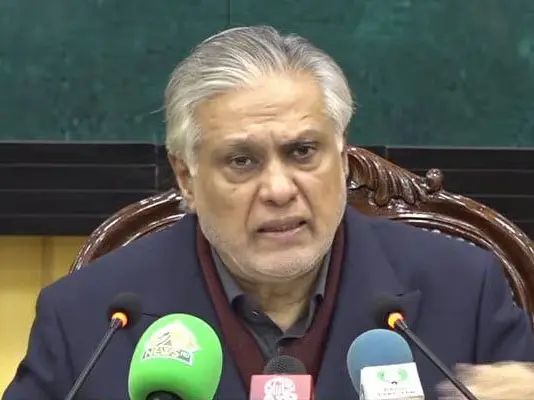
Pakistan Deputy Prime Minister and Foreign Minister Ishaq Dar Photograph: (X)
Pakistan’s total external debt stood at $91.8 billion as of June 2025, while the International Monetary Fund estimates the size of the country’s economy at around $410 billion.
Amid a raging debt crisis, Pakistan decided to sell a stake worth $1 billion in Fauji Foundation to the United Arab Emirates, along with a rollover possibility of debt worth $2 billion by the Gulf country. The deal is expected to provide much-needed respite to the cash-strapped country, looking to manage its current account deficit to meet conditions set by the International Monetary Fund (IMF) for a bailout package. Fauji Foundation, the multibillion-dollar conglomerate, one of the biggest in the country, was founded and run by the Pakistan Army.
Pakistan Deputy Prime Minister and Foreign Minister Ishaq Dar on Saturday emphasised that if the deal with the UAE to acquire these stakes goes through, it will settle a liability of around $1 billion on March 31.
“We are currently engaged with the UAE…regarding the rollover of $1 billion a few weeks ago. They will be acquiring some shares, and our liability will be eliminated. The shares are of the Fauji Foundation Group. After extensive meetings by the committee, it is taking the lead. We hope that this transaction will be completed by 31 March,” Dar said.
According to the official data, Pakistan's total external debt stood at $91.8 billion till June 2025, while its total pubic debt adds up to approximately $286.8 billion. The size of Pakistan's economy is estimated at around $410 billion according to the IMF.
Islamabad has raised nearly $12 billion via bilateral loans in recent years to keep the country floating. Dar accused previous governments of inaction on IMF programmes, which allowed Pakistan to arrive in such a situation.
“I was right to say that Pakistan would not have taken $12 billion from the begging bowl if it had acted on the IMF programme. We would not have been able to balance our accounts, and the IMF was not willing to come on board. I am grateful that the UAE is also involved. I recognise their co-operation. Saudi Arabia provided $5 billion in support during this period. China supported $4 billion via a state-to-state deposit, and the UAE supported $3 billion,” said Dar.
Trending Stories
&imwidth=280&imheight=210&format=webp&quality=medium)
&imwidth=280&imheight=210&format=webp&quality=medium)
&imwidth=280&imheight=210&format=webp&quality=medium)
&imwidth=280&imheight=210&format=webp&quality=medium)
&imwidth=280&imheight=210&format=webp&quality=medium)
&imwidth=280&imheight=210&format=webp&quality=medium)
&imwidth=280&imheight=210&format=webp&quality=medium)
&imwidth=280&imheight=210&format=webp&quality=medium)
&imwidth=280&imheight=210&format=webp&quality=medium)
&imwidth=280&imheight=210&format=webp&quality=medium)
&imwidth=280&imheight=210&format=webp&quality=medium)
&imwidth=280&imheight=210&format=webp&quality=medium)
&imwidth=280&imheight=210&format=webp&quality=medium)
&imwidth=280&imheight=210&format=webp&quality=medium)
&imwidth=280&imheight=210&format=webp&quality=medium)
&imwidth=280&imheight=210&format=webp&quality=medium)
&imwidth=280&imheight=210&format=webp&quality=medium)
&imwidth=280&imheight=210&format=webp&quality=medium)
&imwidth=280&imheight=210&format=webp&quality=medium)
&im=FitAndFill=(700,400)&imwidth=280&imheight=210&format=webp&quality=medium)
&imwidth=280&imheight=210&format=webp&quality=medium)
&imwidth=280&imheight=210&format=webp&quality=medium)
&imwidth=280&imheight=210&format=webp&quality=medium)
&imwidth=280&imheight=210&format=webp&quality=medium)
&imwidth=280&imheight=210&format=webp&quality=medium)
&imwidth=280&imheight=210&format=webp&quality=medium)
&imwidth=280&imheight=210&format=webp&quality=medium)
&imwidth=280&imheight=210&format=webp&quality=medium)
&imwidth=280&imheight=210&format=webp&quality=medium)
&imwidth=280&imheight=210&format=webp&quality=medium)
&imwidth=280&imheight=210&format=webp&quality=medium)
These announcements concerning the stake sale and a potential rollover of the $2 billion loan came after a meeting in Islamabad between Pakistan Prime Minister Shehbaz Sharif and President Sheikh Mohammed bin Zayed Al Nahyan, who was on his second visit to the South Asian country in 2025.
Pakistan is currently receiving IMF support under two programmes, a $7 billion Extended Fund Facility (EFF) and a Resilience and Sustainability Facility (RSF) worth about $1.3 billion, underscoring its continued reliance on international financial assistance.
This support is part of a long-standing pattern. Since 1958, Pakistan has entered into 23 IMF programmes, repeatedly turning to the global lender to stabilise its economy. Despite successive bailouts, the South Asian nation has remained trapped in a cycle of balance-of-payments crises and recurring fiscal stress, prompting repeated IMF interventions over the decades.
