After food shortage, Palestinians in Gaza hit by heavy winter rains

Gaza rain
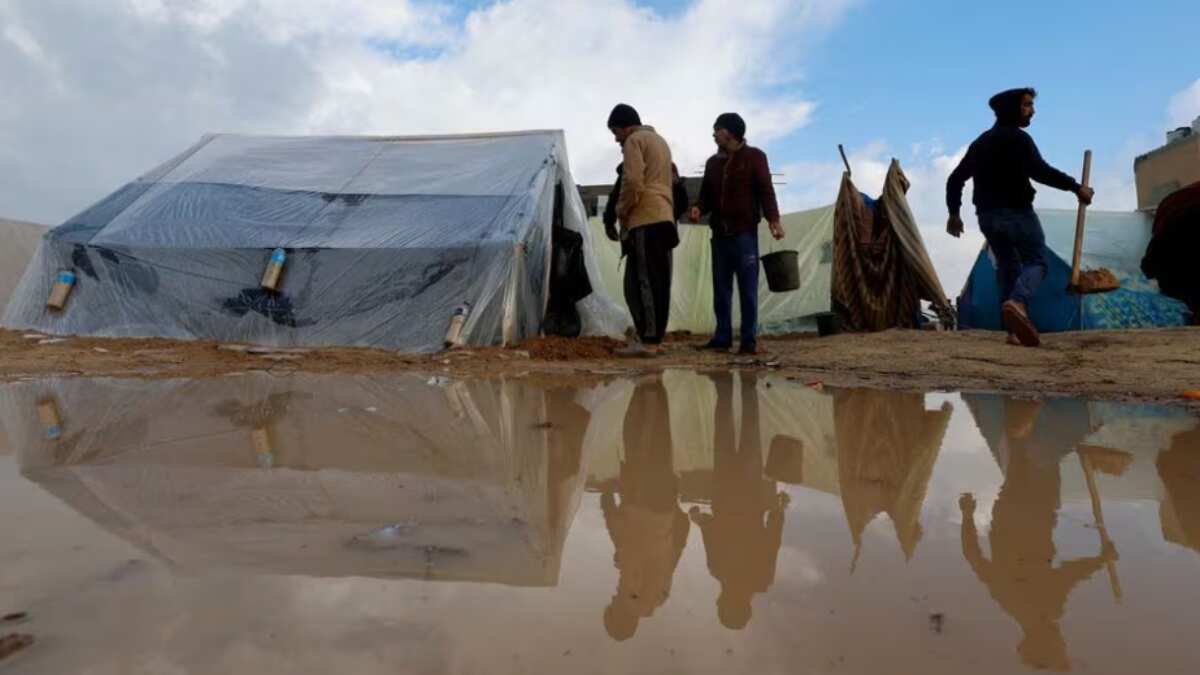
Amid the ongoing Israel-Hamas war that has intensified after the expiry of the second truce deal, Palestinians in the Gaza Strip are under constant state ofdread. Their problems have been compounded by the winter rains that have swept across the Strip, washing away the tents and flooding the areas, including refugee camps.
The Palestinians are describing the conditions as "living hell", according to a Guardian report. The worsening humanitarian situation has led nearly 85 per cent of Gaza's population to abandon their homes and live on aid from international organisations.
“Rainwater seeped in. We couldn’t sleep. We tried to find nylon covers but couldn’t find any so we resorted to stones and sand” to keep the rain out," a Palestinian who had camped in grounds of al-Aqsa Martyrs hospital in central Gaza told AFP.

While some families have proper tents, others are relying on tarpaulins and other plastic materials to forge a living space that protects them from the rain.
Videos on social media showed people walking through flooded streets as everything remained closed. One clip going viral showed a man carrying his family member wrapped in a white shroud, suggesting they may have been killed in the Israeli airstrikes.
(WION cannot independently verify the authenticity of the media)
)
China thinned Himalayan troop presence in 2025, India defence report says; terms border situation 'stable'
)
Israeli minister calls to strip Gaza film directors of citizenship
)
China discovers vast gold and silver 'mine' in the Pacific with unheard-of deposits
)
Crude oil prices jump more than $107 per barrel following Houthi attacks on Saudi
)
Ganesh Chaturthi 2026: Devotees throng the iconic Lalbaugcha Raja pandal in Mumbai
)
Did China give Iran intel before US base strike that killed 3 troops? Trump says, 'You’re right...'
)
Did India risk its US trade deal despite softer stance at BRICS?
)
Turkish Airlines plane flies through a storm three times, triggering severe turbulence
)
Trump says Canada eager to reach a deal, it could come ‘fairly soon’ if Ottawa treats US farmers better
)
Russian drone hits Warsaw-bound train near Polish border, Zelensky accuses Moscow of ‘deliberate’ targeting
)
First naval drone battle? Ukraine says Sargan 3000 sank Russian unmanned boat
)
Video of Pakistani lawmaker struggling to read English tribute to Jinnah goes viral - WATCH
&im=FitAndFill=(700,400))
New OTT releases this week (September 14-20, 2026): Lust Stories 3, Waiting Hai, Irumudi- 5 new titles coming on Netflix, Prime Video and more
)
‘Want to reset ties with India, have engagement based on mutual interests,’ says Bangladesh minister
&im=FitAndFill=(700,400))
Why Chinese PL-15 air-to-air missiles use dual-pulse motors compared to European interceptors
)
Iran, India agree to deepen humanitarian and political ties, President Pezeshkian says
)
Plane carrying prominent figure crashes at Libya’s Misrata airport: Report
)
Natural caffeine sources gain popularity; matcha & botanicals offer calm energy
)
Saudi Arabia discovers 110 million tonnes of Uranium-rich ore in Madinah region
)
Humans may lose control of AI: Anthropic CEO calls for slowdown, Altman, Musk back him
)
Practical Magic 2 breaks Spidey spell over North American box office
)
‘Let’s go’: Newly declassified videos show dramatic rescue of US Air Force officers downed in Iran
)
800 million years old - Scientists discover 'fingerprints' of supercontinent Gondwana in ancient rocks
)
Russia proposes to build 360 kmph Ivolga FG trains in India: What happened on sidelines of BRICS
)
Women's Asia Cup 2026: India denied trophy once again despite winning the title
)
'Huge destructive power': North Korea calls its latest missile launches 'live-fire drill' even as US dismisses 'immediate threat'
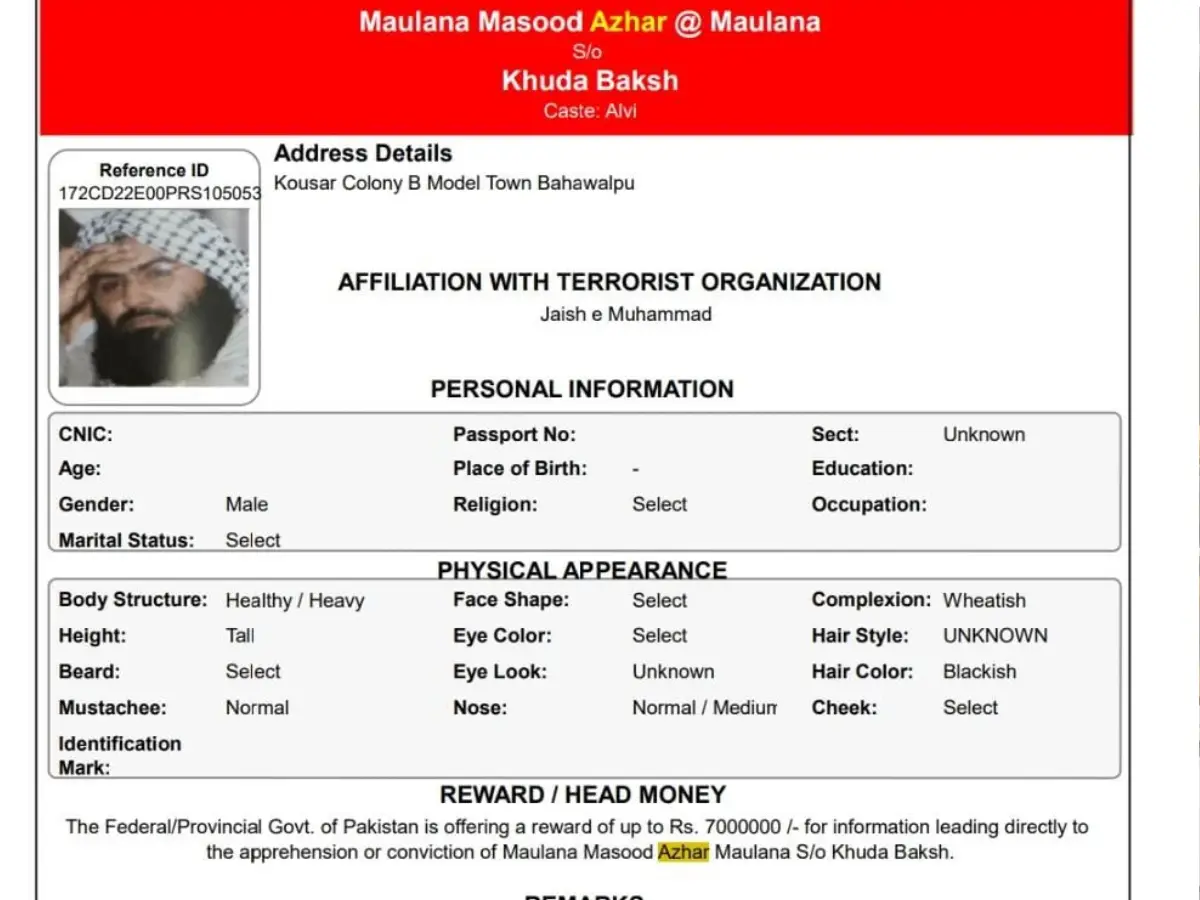)
Pakistan puts Pak Rs 70 lakh bounty on UN terrorist Masood Azhar; move draws skepticism in Delhi
)
Indian importers urge Bangladesh to lift export ban on 'Hilsa' fish ahead of Durga Puja
)
Delhi’s balancing act: BRICS serves as a stage for West Asia diplomacy
)
Liam Neeson sparks romance rumours after holding hands with Stella Stocker at TIFF 2026
&im=FitAndFill=(700,400))
Why European Meteor missiles use ramjet engines compared to standard US solid rockets
)
Veteran Bollywood actress Nafisa Ali shares health update as Stage 4 cancer progresses, starts targeted therapy
)
Orlando Bloom addresses Pirates of the Caribbean comeback and reunion with Johnny Depp
Food troubles
Apart from finding it difficult to have a space to call it home, the Palestinians are also struggling for food. A report published by theWorld Food Programme (WFP) last week revealed that91 per cent of households in Gaza reported going to bed hungry while 63 per cent reported enduring entire days without food.
Thereportstated that "42 per cent of the households in the Northern governorates(Gaza and North Gaza) and 35 per cent of households in the Southern governorates (Deir Al Balah, Khan Younis and Rafah) reported knowing of people who were compelled to consume wild or raw food to cope with hunger".
Watch |Israel-Hamas war: Displaced Gaza residents sheltering in tents face heavy rainfall
The food scarcity situation is significantly worse in the north than in the south, according to the report. The aid is concentrated in the south of the strip where it is received through the border with Egypt at the Rafah crossing.
According to the Hamas-run Palestinian health ministry, more than 18,000 people have been killed since Israel launched its retaliatory operations following the militant group’s attack on October 7 in southern Israel.
Disclaimer: WION takes utmost care to accurately and responsibly report ongoing developments on the Israel-Palestine conflict after the Hamas attacks. However, we cannot independently verify the authenticity of all statements, photos and videos.
(With inputs from agencies)