Afghanistan's Taliban government plans to build dams on Kunar river, escalating water tensions with Pakistan

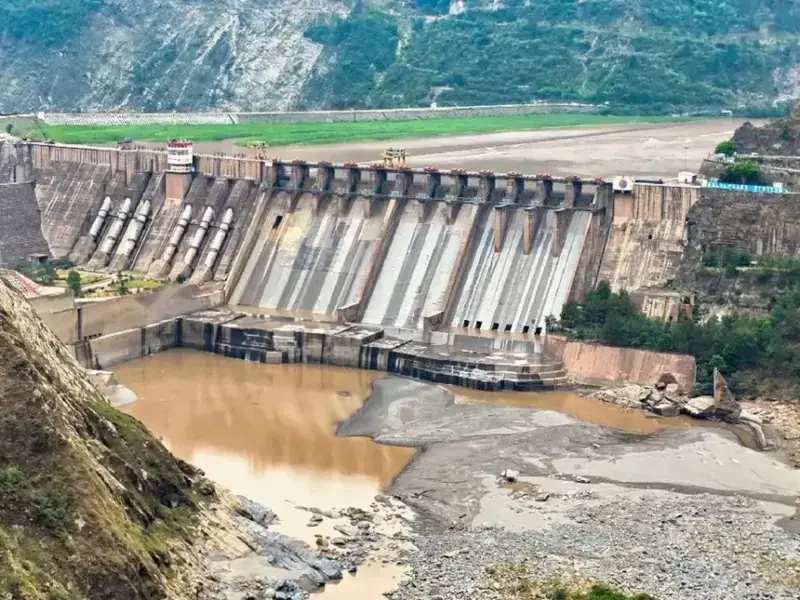&imwidth=600&imheight=450&format=webp&quality=medium "Afghanistan's Taliban government plans to build dams on Kunar river, escalating water tensions with Pakistan")
Afghanistan's Taliban government plans to build dams on Kunar river Photograph: (File image)
Afghanistan’s Taliban regime plans to build dams on the Kunar River, escalating tensions with Pakistan over water control, following deadly clashes and regional disputes
Afghanistan, under Taliban rule, is moving forward with plans to construct dams on the Kunar river, which flows into Pakistan, potentially reducing water flow to its neighbour. The directive to begin work on these dams as soon as possible was given by Taliban Supreme Leader Mawlawi Hibatullah Akhundzada. This comes amid recent violent clashes between Afghanistan and Pakistan, which led to hundreds of deaths, further intensifying the conflict.
This move follows a shift in India’s stance regarding water-sharing with Pakistan. In response to attacks by Pakistani-backed terrorists that killed 26 civilians in Pahalgam, India suspended the Indus Waters Treaty, which governs water sharing between the two countries, particularly concerning the western rivers. The Afghan Ministry of Water and Energy announced that Akhundzada had instructed the rapid construction of dams on the Kunar River. The 480-kilometer-long river originates from Afghanistan’s Hindu Kush mountains and flows southward into Pakistan’s Khyber Pakhtunkhwa region. If these dams are built, they could severely impact Pakistan’s water supply, as the Kunar river feeds into the Kabul River, which ultimately joins the Indus. This disruption would have far-reaching consequences for agriculture and energy in Pakistan, particularly in Punjab province.
The Taliban’s push for water sovereignty has been one of its key priorities since it took power in 2021. Afghanistan has been accelerating dam construction and hydropower projects to reduce its dependence on neighbouring countries for water and energy. However, the lack of a formal water-sharing agreement between the two countries has raised concerns in Pakistan, which fears that unilateral actions by Afghanistan could lead to a regional water crisis, further worsening Pakistan’s already strained food and energy security.
The announcement also comes just a week after Afghanistan’s Foreign Minister Mawlawi Amir Khan Muttaqi visited India. There, he met with India’s Foreign Minister S Jaishankar to discuss mutual cooperation on hydropower projects, such as the India-Afghanistan Friendship Dam, which helps Afghanistan with both irrigation and electricity generation.
In addition to the Friendship Dam, India is also supporting the Shahtoot Dam project, aimed at providing water to Kabul residents and improving agricultural productivity. Both countries emphasized the importance of sustainable water management, while India’s investments in Afghanistan’s water and energy sectors have further solidified their bilateral ties. However, with the Taliban’s new focus on water control, the region’s geopolitical situation remains tense and uncertain.
Trending Stories
&imwidth=280&imheight=210&format=webp&quality=medium)
&imwidth=280&imheight=210&format=webp&quality=medium)
&im=FitAndFill=(700,400)&imwidth=280&imheight=210&format=webp&quality=medium)
&imwidth=280&imheight=210&format=webp&quality=medium)
&imwidth=280&imheight=210&format=webp&quality=medium)
&imwidth=280&imheight=210&format=webp&quality=medium)
&imwidth=280&imheight=210&format=webp&quality=medium)
&imwidth=280&imheight=210&format=webp&quality=medium)
&imwidth=280&imheight=210&format=webp&quality=medium)
&imwidth=280&imheight=210&format=webp&quality=medium)
&imwidth=280&imheight=210&format=webp&quality=medium)
&imwidth=280&imheight=210&format=webp&quality=medium)
&imwidth=280&imheight=210&format=webp&quality=medium)
&imwidth=280&imheight=210&format=webp&quality=medium)
&imwidth=280&imheight=210&format=webp&quality=medium)
&imwidth=280&imheight=210&format=webp&quality=medium)
&imwidth=280&imheight=210&format=webp&quality=medium)
&imwidth=280&imheight=210&format=webp&quality=medium)
&imwidth=280&imheight=210&format=webp&quality=medium)
&imwidth=280&imheight=210&format=webp&quality=medium)
&imwidth=280&imheight=210&format=webp&quality=medium)
&im=FitAndFill=(700,400)&imwidth=280&imheight=210&format=webp&quality=medium)
&imwidth=280&imheight=210&format=webp&quality=medium)
&imwidth=280&imheight=210&format=webp&quality=medium)
&imwidth=280&imheight=210&format=webp&quality=medium)
&imwidth=280&imheight=210&format=webp&quality=medium)
&imwidth=280&imheight=210&format=webp&quality=medium)
&imwidth=280&imheight=210&format=webp&quality=medium)
&imwidth=280&imheight=210&format=webp&quality=medium)
&imwidth=280&imheight=210&format=webp&quality=medium)
&imwidth=280&imheight=210&format=webp&quality=medium)
&imwidth=280&imheight=210&format=webp&quality=medium)
&imwidth=280&imheight=210&format=webp&quality=medium)

