1MDB scandal: Malaysia Central Bank governor Muhammad bin Ibrahim steps down

Malaysia-1MDB-governor-EFE
Six countries, including the United States, Switzerland and Singapore, have opened a judicial investigation into the alleged 1MDB funds misappropriation.
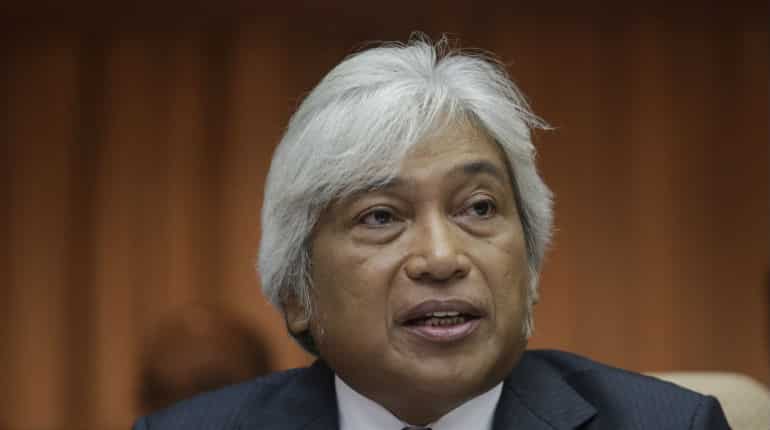
The Malaysian government on Wednesday accepted the Central Bank governor's resignation over his role in debt finance in relation to the scandal-plagued state-owned investment fund 1Malaysia Development Berhad.
The resignation of Muhammad bin Ibrahim was announced in a brief statement released by Bank Negara, without specifying any reason for his resignation.
The Central Bank of Malaysia signed - at the behest of former prime minister Najib Razak - for the purchase of several pieces of land owned by the 1MDB to inject liquidity into the state-owned fund.

The money raised from the sale was used to pay the liabilities of 1MDB, Malaysia's Finance Minister, Lim Guan Eng, said recently.
Najib lost his position as prime minister after the opposition won the general elections on May 9.
1MDB, which Najib created in 2009 and presided over until 2016, was created to attract foreign investment and create a financial district in Kuala Lumpur, but accrued a debt of 42 billion ringgit ($10.5 billion).
)
US vs China over South China Sea: Washington backs Philippines, Beijing hits back
)
US Supreme Court backs Trump administration's use of SAVE database to check voter citizenship
)
Outrage erupts after 3-year-old is married to 60-year-old man in Pakistan, link to her sister's murder being probed
)
‘Anti-social elements spreading false rumours’: LPU issues statement amid massive unrest over alleged rape
)
LPU students go on rampage, vandalise campus amid widespread protest: What's happening
)
OpenAI AI Agents hacked 4 websites before Hugging Face, researchers reveal
)
US Treasury Secretary Scott Bessent hails global crackdown on Iranian banks and airlines
&im=FitAndFill=(700,400))
New Friday OTT releases (September 25, 2026): Don’t Be Shy, Hunkkaar: The Roar, Mango Pachcha- 6 movies and TV shows on Netflix, Prime Video and more
)
Asian Games 2026: India face Afghanistan in quarterfinal on Sep 28; Pakistan clash with Hong Kong
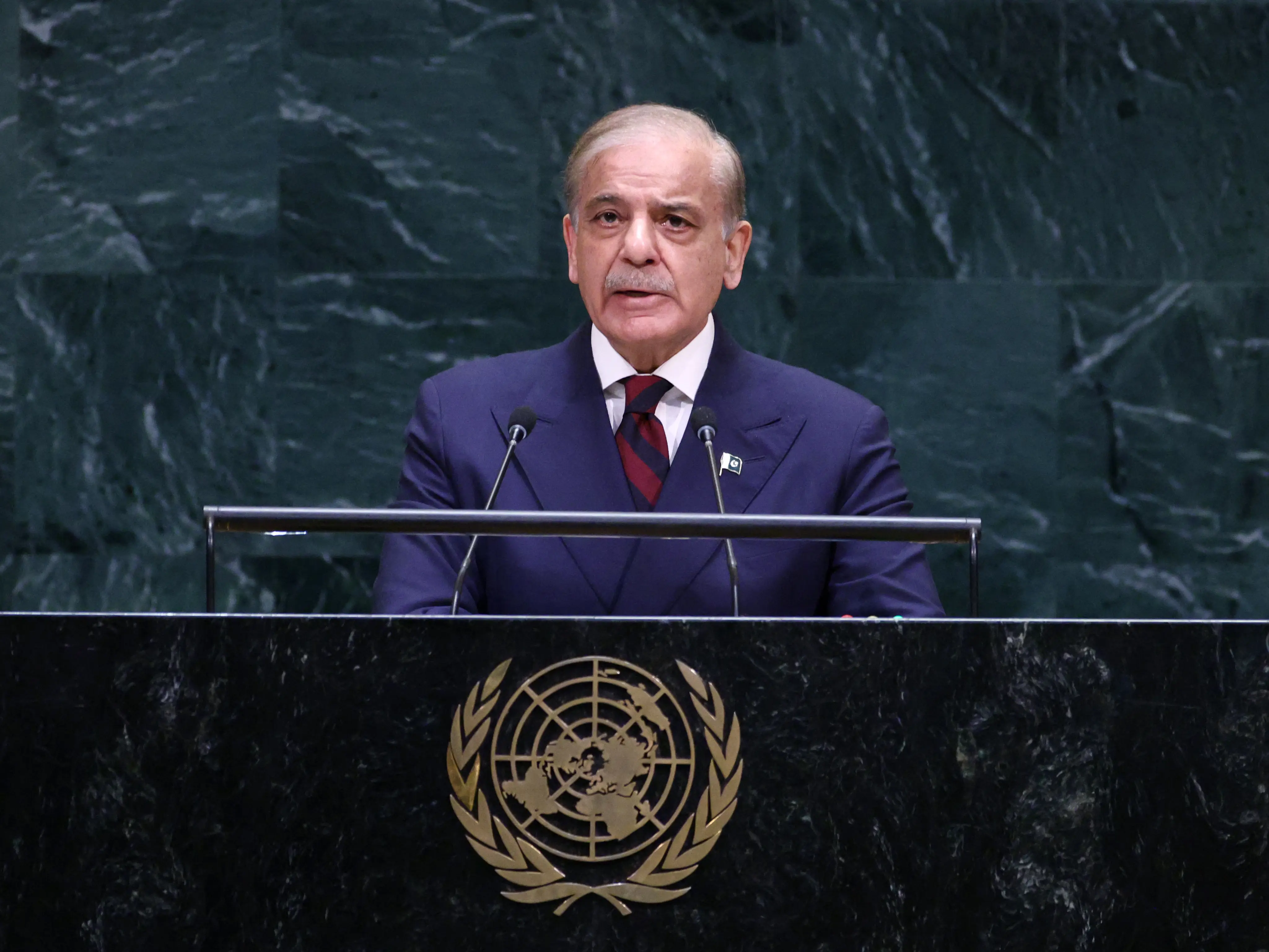)
‘Attack on Mecca a red line for Pakistan’: Shehbaz Sharif warns Houthis at UN
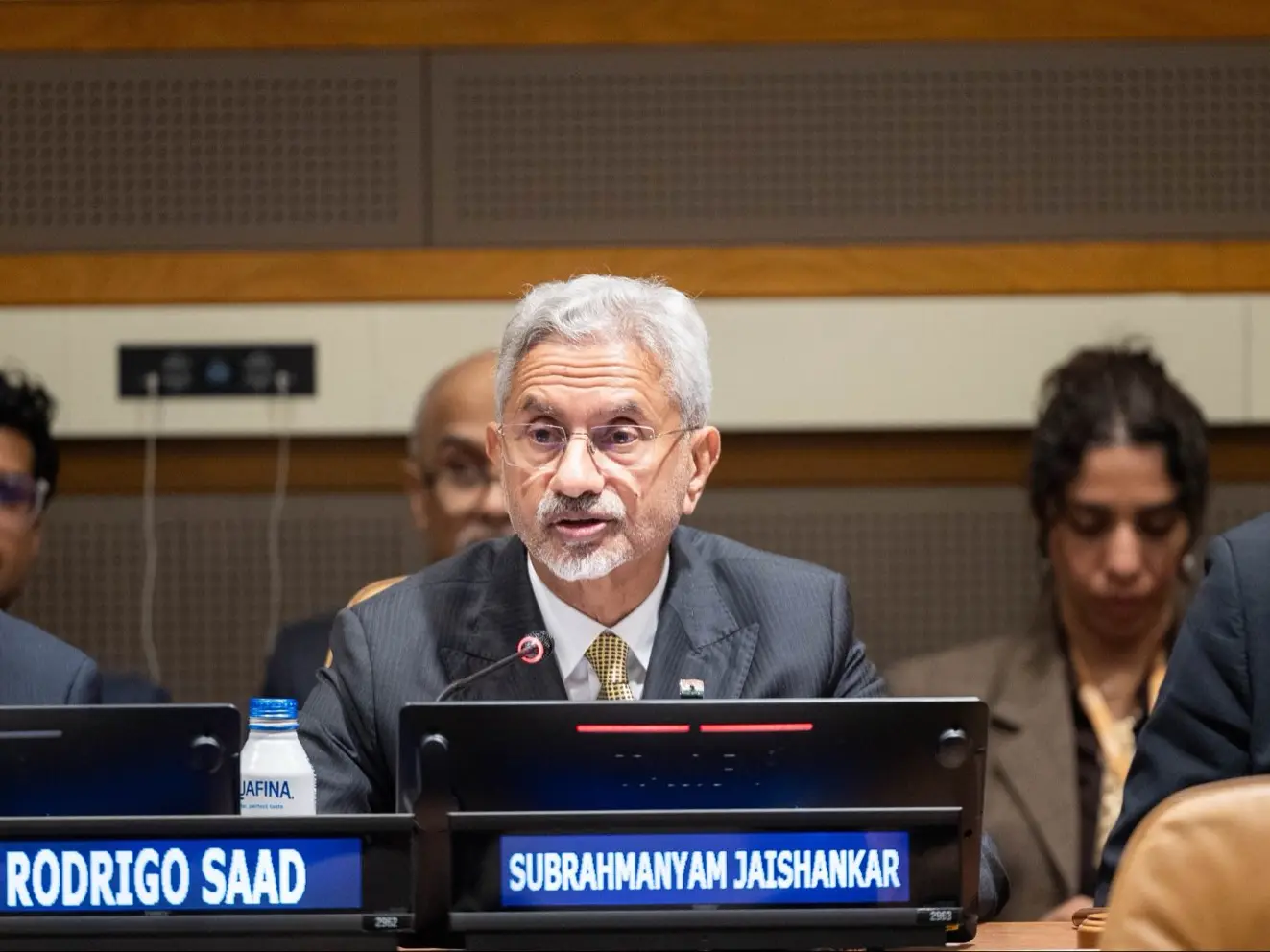)
'Countries far from conflict are penalised': Jaishankar calls for Gulf peace, seafarer safety at UN
)
Bigg Boss 20: Salman Khan schools Rhiti Tiwari over Qazi Touqeer clash, compares her to Dolly Bindra
)
Gaza's war turned environmental damage into second crisis
)
Nations League: Spain sink England at Wembley; Modric shines for Croatia
)
Two men die of suspected chemical exposure inside public toilet in Mumbai
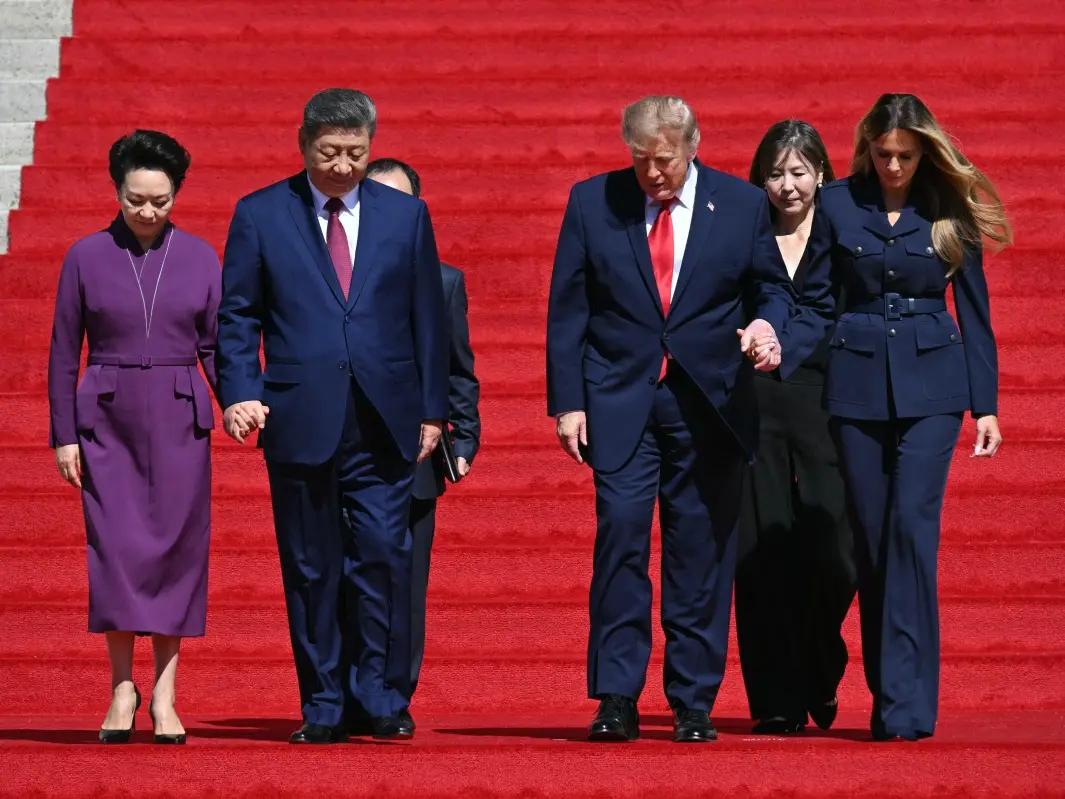)
Trump-Xi summit wrap: Big pageantry, Iran talks, few major developments and more meetings planned
)
‘Could kill billions...’: Bill Gates backs calls to slow AI development amid fears of catastrophe
)
Bollywood x K-pop crossover! LE SSERAFIM’s Kazuha charms fans with Shah Rukh Khan’s ‘Chammak Challo’ steps
)
US-Iran war: Trump rejects Iran's Hormuz proposal, reports suggest talks expected next week
)
'What kind of confession is this?': Pakistan PM Shehbaz Sharif’s 'terrorists would be roaming New York' remark goes viral, raises alarm online. Watch
)
Jaishankar at UNGA: Goodwill and friendship can't coexist with terrorism
)
Sri Lankan Tamil migrant worker gets death sentence in Saudi Arabia, help sought from India
)
'FIRST LOOK from inside Noah’s Ark': Researchers share video from inside mysterious mound in Turkey
)
UNSC reform momentum grows: Russia, Portugal, Mauritius push for India's permanent seat bid
)
WATCH | As Shehbaz Sharif claims Pakistan’s ‘victory’ during 2025 conflict, Indian diplomat R Srinivas laughs at UN
)
Ceuta migrant crisis: Protesters take to streets as Spain grapples with migrant challenge
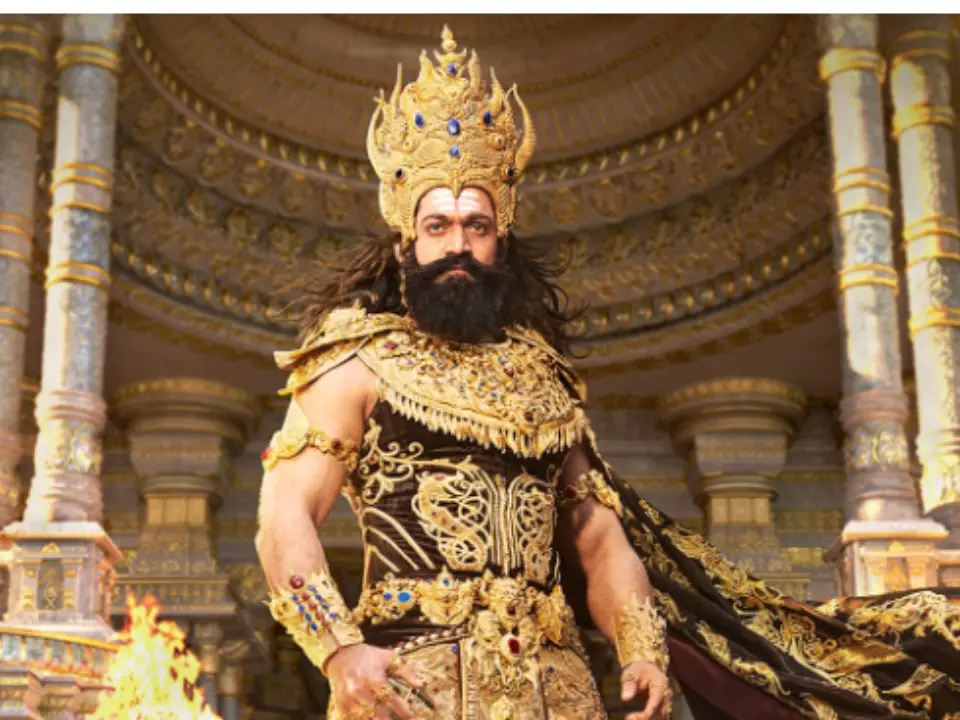)
Ramayana: Yash’s Ravana gets first official poster from Nitesh Tiwari’s epic
)
'A terrorist country is asking me that question?': Jaishankar hits back at Pakistani journalist at UN; flags attacks on commercial shipping
)
Russia will achieve Ukraine war aims; Europe doing everything to block peace talks: Lavrov at UN
The former premier, who has been banned from leaving the country by order of the authorities, is being probed for an alleged siphoning of some $681 million from the 1MDB to his personal accounts.
Najib denied the allegations, claiming the money was a donation from a Saudi Arabian prince, an explanation that was accepted at that time by 1MDB, the Malaysia Anti-Corruption Commission and the then-attorney general, but the case was reopened after Malaysia's change in government.
Six countries, including the United States, Switzerland and Singapore, have opened a judicial investigation into the alleged 1MDB funds misappropriation.
The US Department of Justice has pegged the total amount diverted from 1MDB at $4.5 billion, of which some $1 billion is suspected to have been laundered in the US through the purchase of real estate, yachts, jewellery and artwork, among other things.