
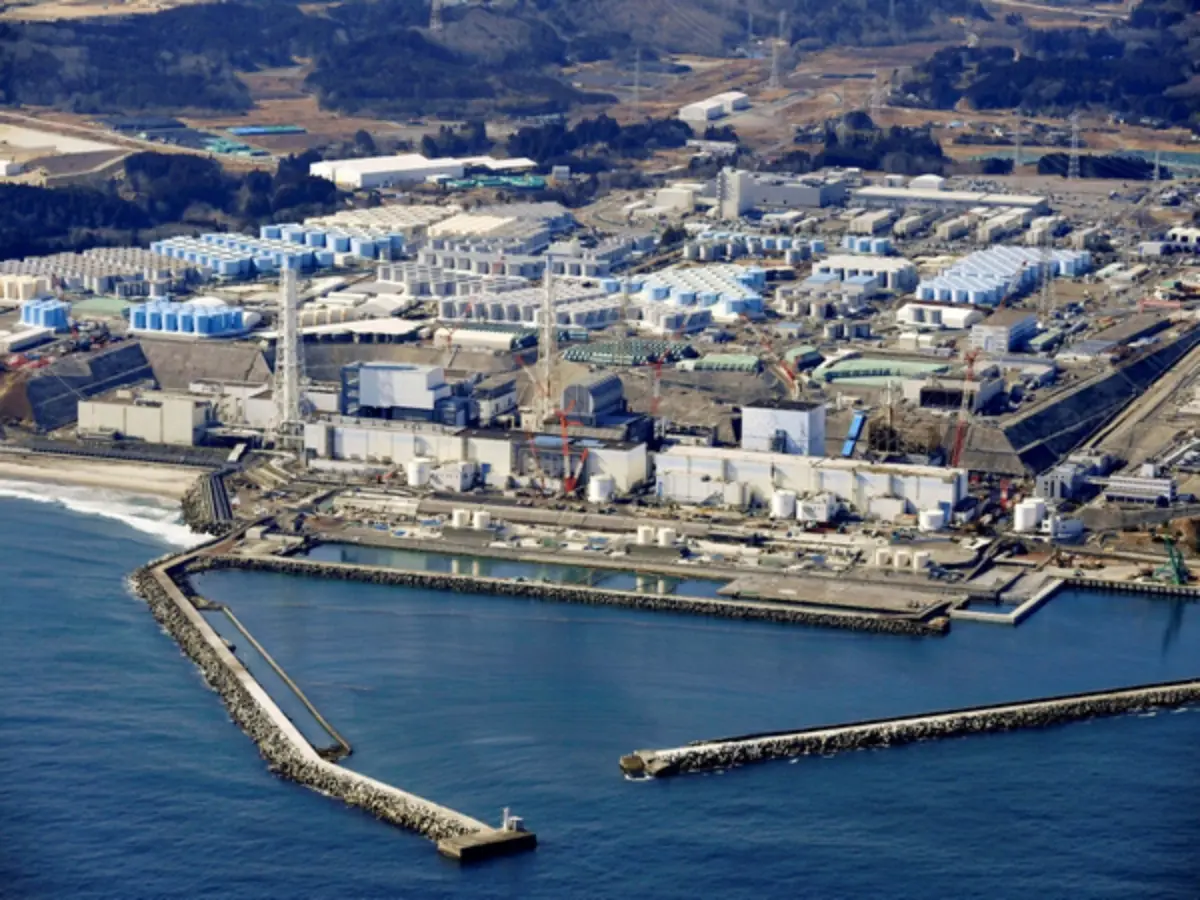
&imwidth=800&imheight=600&format=webp&quality=medium "'Stable, no radioactive impact': Japan halts restart of world’s biggest nuclear plant")
Just hours after the process of restarting the world's biggest nuclear power plant, Japan suspended the process Thursday (Jan 22). The reactor however, remained "stable", said the operator, according to news agency AFP. Operations to relaunch a reactor at the Kashiwazaki-Kariwa plant in Niigata province began late Wednesday after permission was granted by the nuclear regulator amid protests from some sections.
"An alarm from the monitoring system... sounded during the reactor startup procedures, and operations are currently suspended," Takashi Kobayashi, a spokesperson for operator Tokyo Electric (TEPCO), told AFP.
He further said that the reactor "is stable and there is no radioactive impact outside". He also added that an investigation has been ordered into the incident an is not sure when the reactor will resume operations.

About the reactor
Kashiwazaki-Kariwa plant located in the northwest of Tokyo is the world's biggest nuclear power plant by potential capacity, although just one reactor of seven was restarted.
Before 2011, nuclear power accounted for nearly 30 per cent of Japan’s electricity, and it planned to get that up to 50 per cent by 2030. As of 2023, nuclear power accounted for just 8.5% of electricity. Now, Japan wants nuclear power to fulfil 20% of its electricity needs by 2040 as it wants to reduce its reliance on fossil fuels, achieve carbon neutrality by 2050.
Trending Stories
)
The Early Spring is proof not everyone can talk about their real feelings, and it is perfectly OK
)
UN votes to ‘correct the map’ as India backs fairer world view
)
Nigerian Navy discovers 99,000 litres of suspected stolen, illegally refined products as it intensifies anti-crude oil theft operations
)
Who is Aditi Paudel? 17-year-old becomes Japan's first literacy ambassador
)
Bengaluru: Officials find 40 kg expired chilli at chairman's club
)
Jaishankar rejects trade link to ending Ukraine war
)
Israeli strikes on Lebanon kill three, injure 23 despite truce
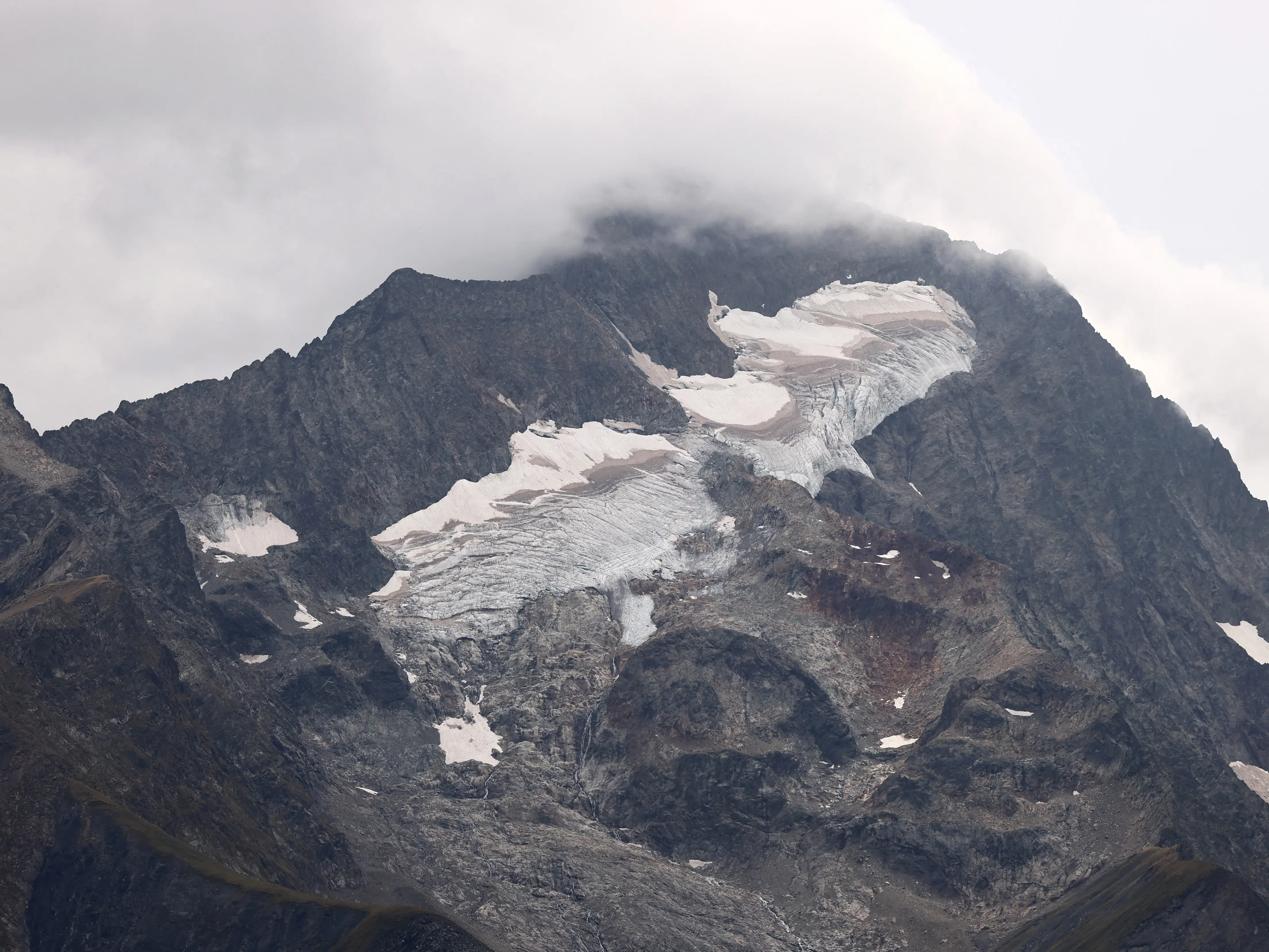)
Alpine glacier was covered with sheep wool sheets to prevent melting. It worked
)
South Korea mulls deploying military assets to Strait of Hormuz
)
World's fifth-largest economy, British army can't afford to train
)
Breaking | Vance takes the podium: First White House briefing since Leavitt's exit
)
Taiwan raises 'concerns' over China's missile test
)
BRICS 2026: $1 trillion sovereign capital set to converge in Delhi for first iBRICS Summit
)
What is Iran's Pickaxe Mountain that Trump has again threatened to bomb?
)
UN votes to correct world map that visually shrank Africa for 450 years
)
Former NewJeans member Danielle launches YouTube channel, hints at new solo journey
)
Bangladesh batter Towhid Hridoy creates history with 350 not out in South Africa
)
Brendan Fraser’s transformation fuels The Mummy 4 excitement as fans welcome back Rick O’Connell
&im=FitAndFill=(700,400))
Krishna Janmashtami 2026: From Dhaniya Panjiri to Makhana Kheer- 5 best sweet dishes perfect for celebrating Lord Krishna’s birth
)
Donald Trump plans to travel to Ireland on Qatari-donated jet amid security concerns
)
Nazi-looted art to return to Jewish heirs
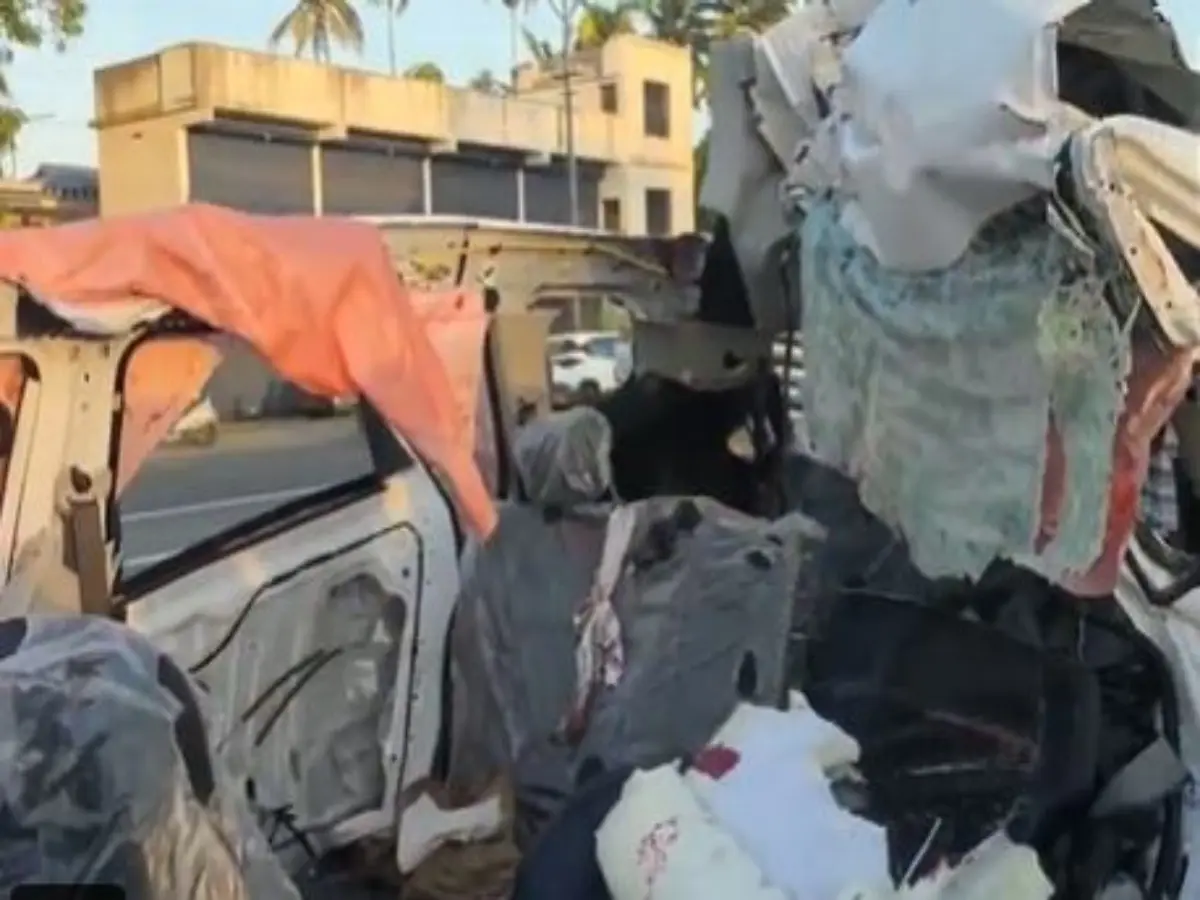)
Eight killed in Kerala’s Thrissur after car rams into lorry parked on highway
&im=FitAndFill=(700,400))
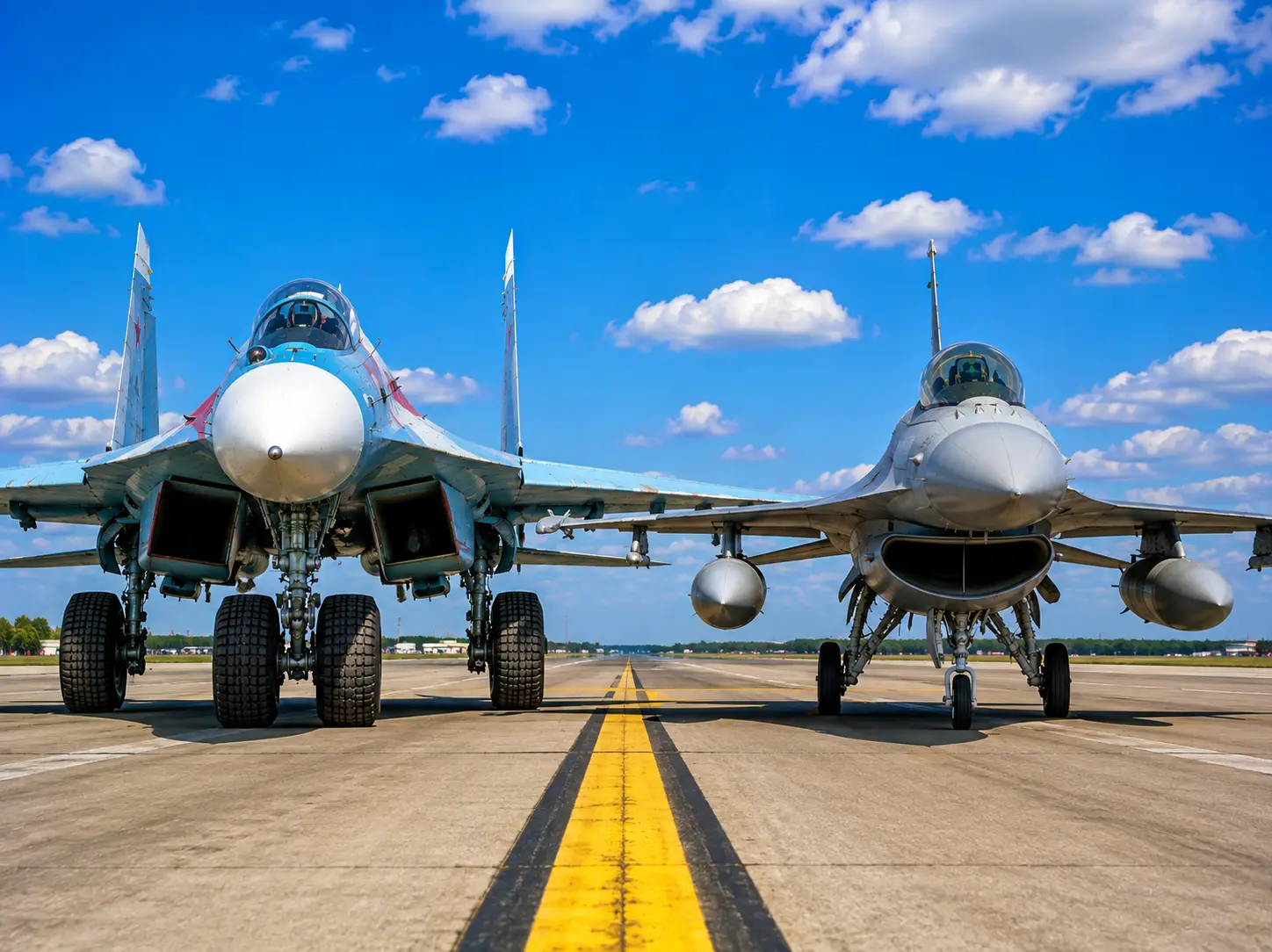
Why Russian fighter jets use bulky, low-pressure tyres compared to US jets
)
FBI-wanted fraud accused arrested in Jalandhar over $600,000 scam
&im=FitAndFill=(700,400))
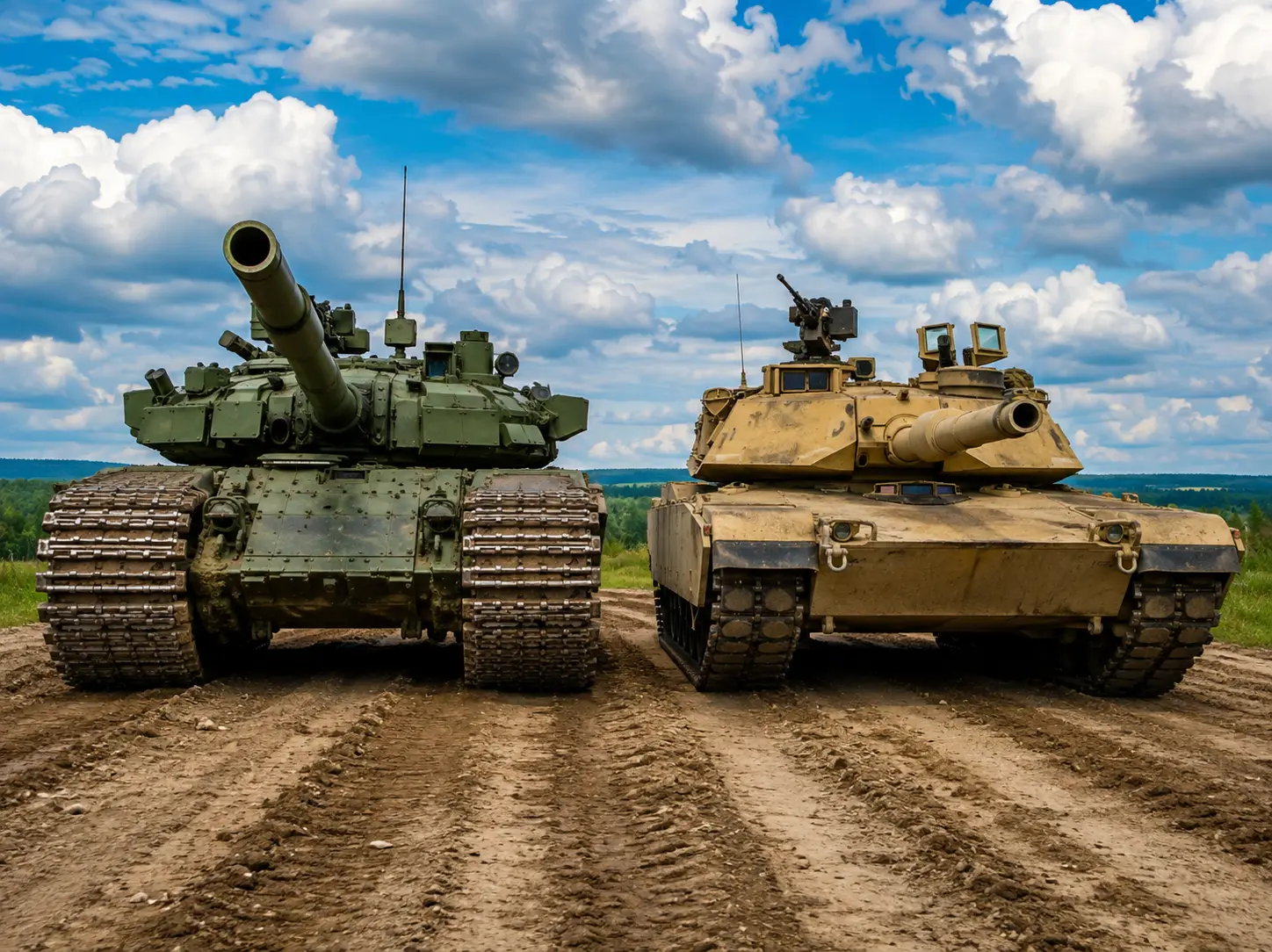
Why US tanks weigh over 20 tons more than Russian tanks
&im=FitAndFill=(700,400))
New Friday OTT releases (September 4, 2026): GDN, Dhamaal 4, Jagamae Sangeetham- Watch 6 new movies and TV shows on Netflix, Prime Video and more
)
Killing the Himalayas slowly: Human urine is melting a glacier on Mount Everest
Japan shut down all 54 of its reactors after Fukushima meltdown in 2011
Japan, which always relied heavily on energy imports, adopted nuclear power early but had to shut down all 54 of its reactors in 2011 after a massive earthquake and tsunami triggered a meltdown at Fukushima, causing one of the worst nuclear disasters in history.
The seventh reactor at the plant is not likely to be brought back on until 2030, while the other five could be decommissioned, leaving the plant with far short of its capacity of 8.2 gigawatts when all seven reactors were operational.
The meltdown in the reactors at Fukushima Daiichi, 220 km northeast of Tokyo, led to radioactive leakage.
