

&imwidth=800&imheight=600&format=webp&quality=medium "'Oil' is not well: G7 countries, Japan weigh strategic reserve release as price hovers around $100")
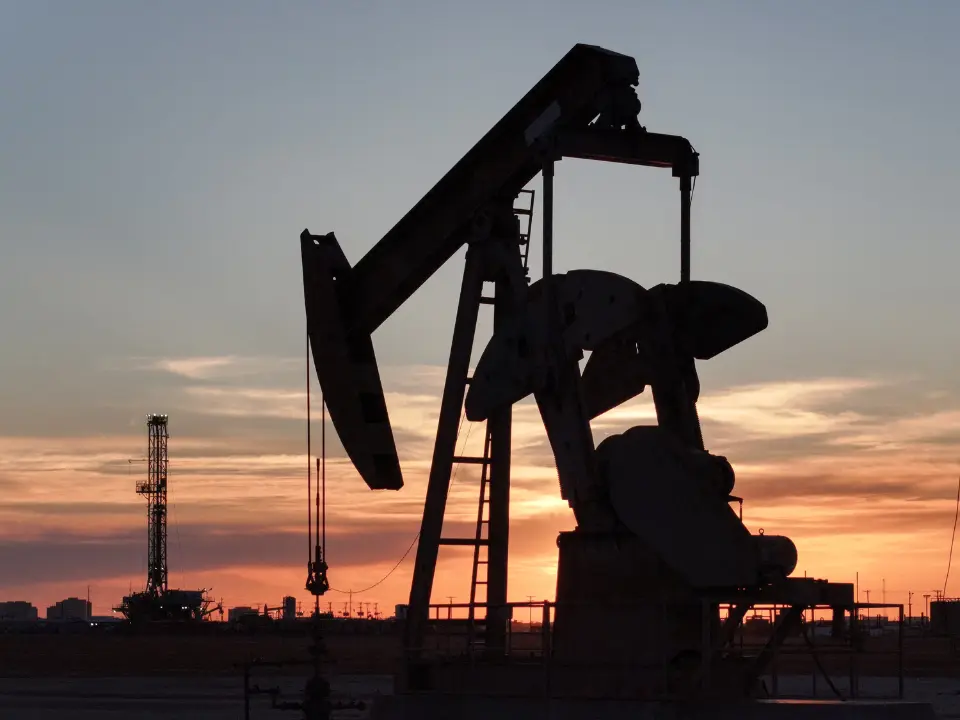
G7 countries will hold an emergency meeting on Monday (March 9) to address soaring oil prices after crude surged 30% to $119.48, crashed 19% to $96.45, and later settled near $103.32, a massive $23 intraday swing, one of the biggest single-day reversals in crude oil market history. The sharp volatility came as the escalating US-Israel conflict with Iran rattled global markets. Finance ministers from major industrialised economies, including UK Chancellor Rachel Reeves, are expected to discuss the economic consequences of the conflict and its impact on energy markets and inflation.
Oil prices spiked as traders feared prolonged disruptions to energy shipments through the crucial Strait of Hormuz, a narrow maritime route that normally carries about 20% of the world’s oil supply. Traffic through the strait has slowed dramatically since the conflict intensified more than a week ago. Global benchmark Brent crude briefly climbed close to $120 per barrel during Asian trading on Monday before retreating to around $107. US West Texas Intermediate (WTI) crude followed similar movements and traded near $104 per barrel.
According to a report by the Financial Times, the G7 meeting may consider a coordinated release of petroleum reserves through the International Energy Agency (IEA). If implemented, it would mark the first such intervention since 2022, when reserves were released following Russia’s invasion of Ukraine. The possibility of major supply disruptions has raised fears of higher energy costs for households and businesses worldwide. Persistent energy inflation could also limit the scope for central banks to cut interest rates.
Geopolitical tensions escalated over the weekend. The US and Israel carried out fresh airstrikes across Iran targeting several sites, including oil storage facilities. Meanwhile, Iran reportedly launched attacks on energy infrastructure in nearby Gulf states. Saudi Arabia said it intercepted two waves of drones heading toward a major oilfield overnight.
Political developments inside Iran also added to uncertainty after Mojtaba Khamenei was named successor to Supreme Leader Ali Khamenei, signalling that hardline leadership remains firmly in control during the conflict.
Trending Stories
&im=FitAndFill=(700,400)&imwidth=180&imheight=135&format=webp&quality=medium)
What is the real meaning behind Pete Hegseth's tattoos?
&imwidth=180&imheight=135&format=webp&quality=medium)
Viral video shows cross falling on Colombia priest, no official confirmation | WATCH
&imwidth=180&imheight=135&format=webp&quality=medium)
'My name has always been Ilhan Omar': Congresswoman hits back at Trump, calls him a 'creep'
&imwidth=180&imheight=135&format=webp&quality=medium)
Pezeshkian says Iranians ‘struggling to put food on the table’ as war with US drags on
&imwidth=180&imheight=135&format=webp&quality=medium)
Chorbagan stampede: A week later, the strangest visarjan Kolkata has seen
&imwidth=180&imheight=135&format=webp&quality=medium)
AI slop or smart strategy? South African author Coral Hart defends Her 370 AI- assisted books in 20 months
&imwidth=180&imheight=135&format=webp&quality=medium)
Could you survive 3 days without power? UK tells households to prepare now
&imwidth=180&imheight=135&format=webp&quality=medium)
AI just found a flaw in software running most of the web! One request hijacks the server
&imwidth=180&imheight=135&format=webp&quality=medium)
Can Putin cheat death? All about his daughter’s billion-dollar quest for immortality
&imwidth=180&imheight=135&format=webp&quality=medium)
India-China face-off continues near Arunachal’s Taksing, reveals ITBP chief in first official confirmation of tensions
&imwidth=180&imheight=135&format=webp&quality=medium)
Saudi says debris fell in Mecca, Medina after missile interceptions; Houthis deny targeting holy cities
&imwidth=180&imheight=135&format=webp&quality=medium)
Trump invokes Operation Sindoor at US midterm rally, claims 250% tariffs stopped India-Pakistan war
&imwidth=180&imheight=135&format=webp&quality=medium)
France protests: Clashes erupt between police and protesters in Paris as nearly 410,000 take to streets across country
&imwidth=180&imheight=135&format=webp&quality=medium)
Tu Hai Meri Kiran box office: Sonakshi Sinha and Zaheer Iqbal's film fails to take off, mints Rs 15 Lakh on day 1
&imwidth=180&imheight=135&format=webp&quality=medium)
After France and Italy, protests erupt in Spain: What’s fueling the anger?
&imwidth=180&imheight=135&format=webp&quality=medium)
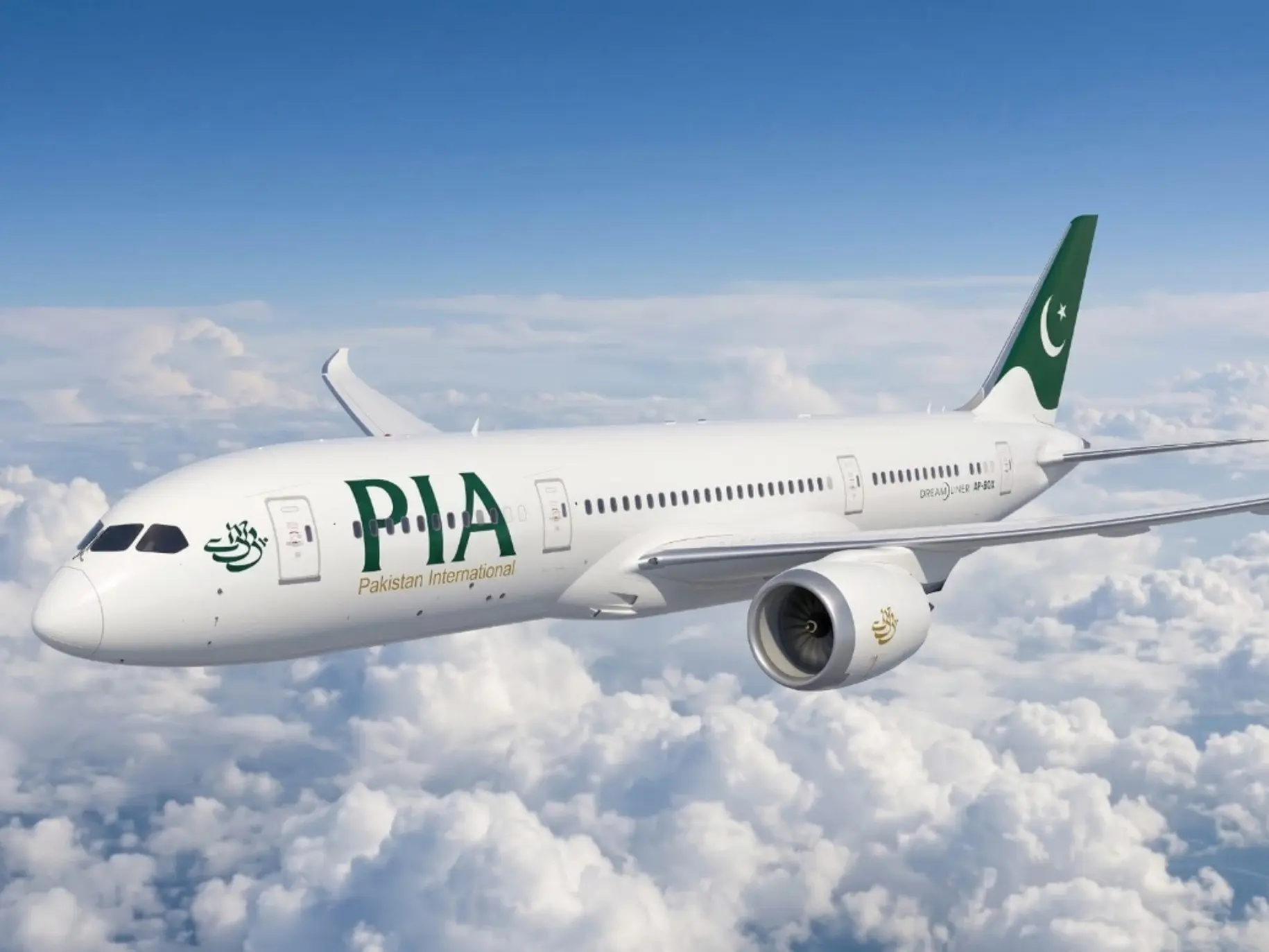
Pakistan airline PIA unveils new crew uniforms, faces online criticism
&imwidth=180&imheight=135&format=webp&quality=medium)
Britain is building the world's first AI biosecurity lab, with OpenAI and Anthropic inside
&imwidth=180&imheight=135&format=webp&quality=medium)
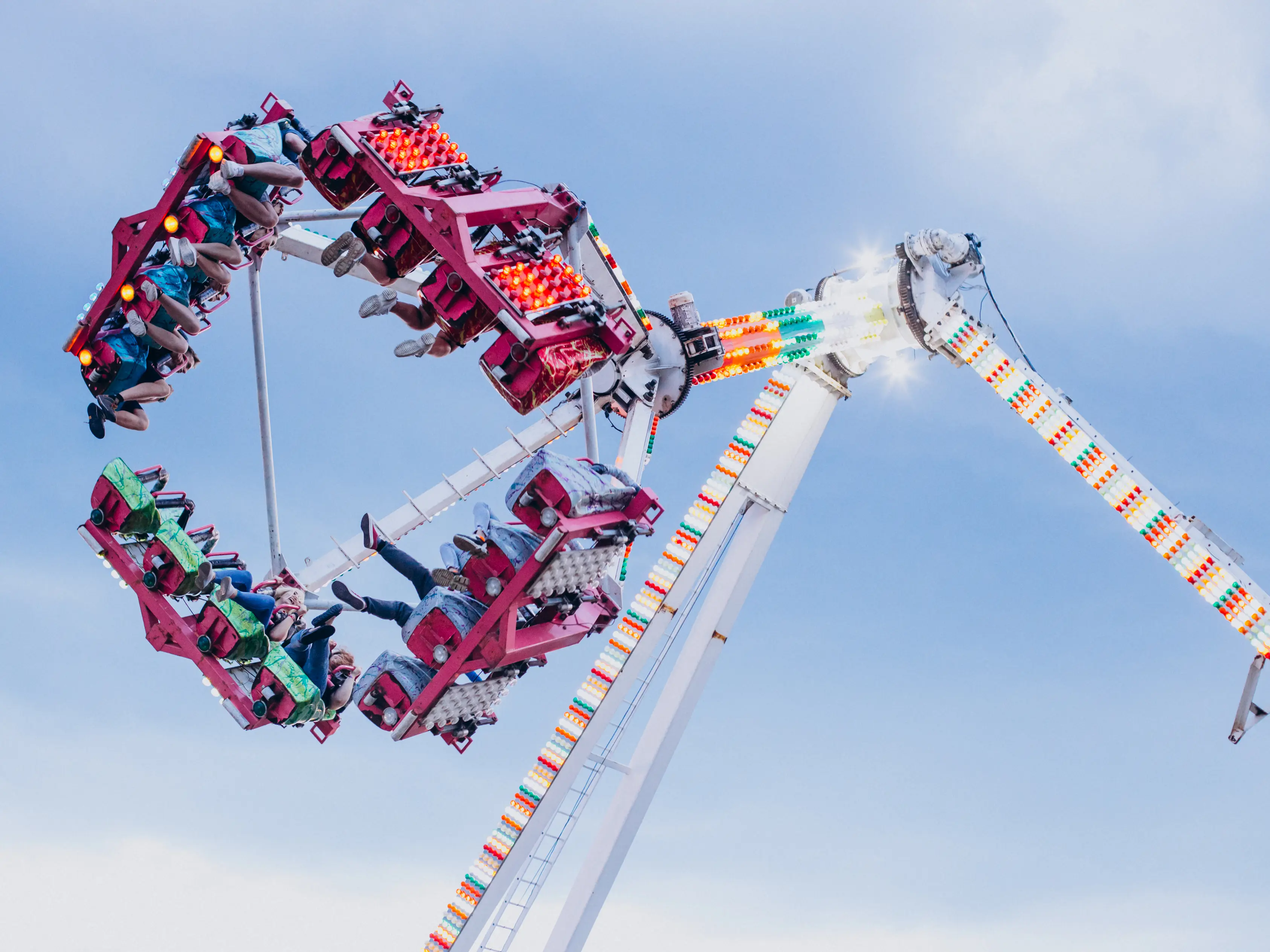
Horrific video shows the moment 18-year-old fell to her death from Mexico amusement park ride
&imwidth=180&imheight=135&format=webp&quality=medium)
'Already tired of his 9-to-5': Baby born with a moustache becomes internet sensation, video goes viral | Watch
&imwidth=180&imheight=135&format=webp&quality=medium)
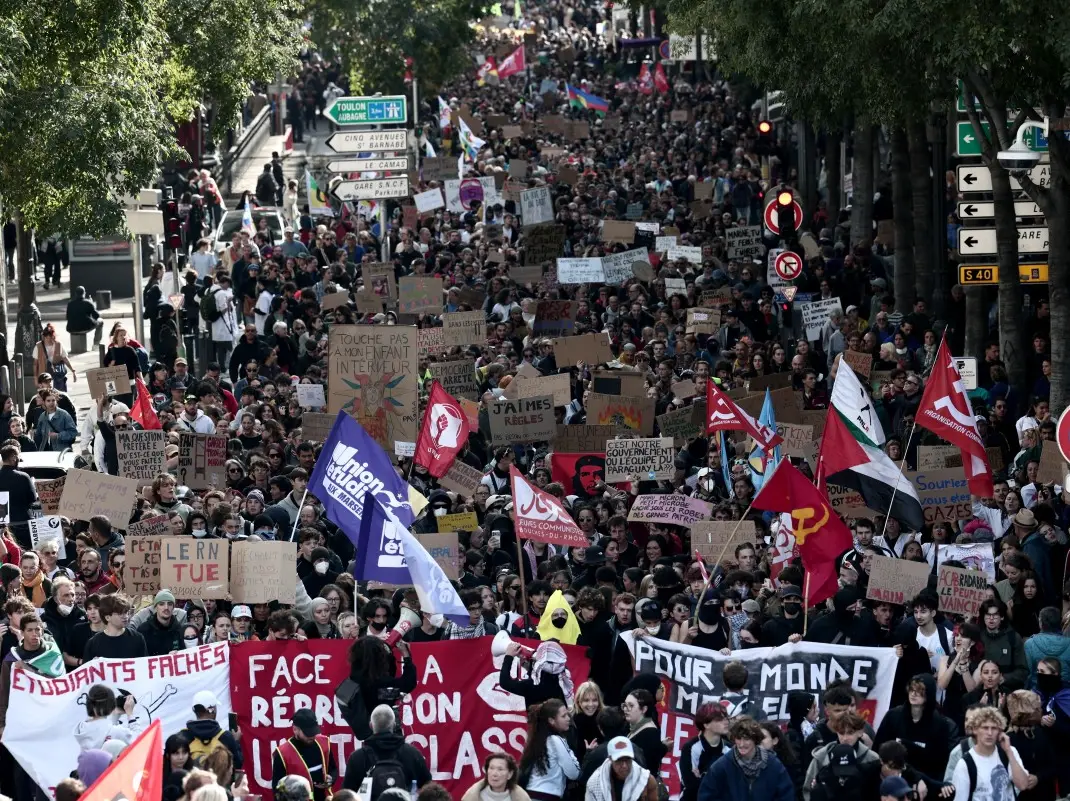
France protests: 135 arrested, weapons seized as fresh demonstrations erupt amid heavy security
&imwidth=180&imheight=135&format=webp&quality=medium)
French Open: PV Sindhu storms into final with win over Hina Akechi
&imwidth=180&imheight=135&format=webp&quality=medium)
Albania protests enter 12th day as students clash with police, demand Rama's exit
&imwidth=180&imheight=135&format=webp&quality=medium)
'You’re a horrible little reporter, aren’t you?': Trump snaps at NBC reporter questioning his support for Ramaswamy's campaign ad
&imwidth=180&imheight=135&format=webp&quality=medium)
Rising Asia Cup 2026 schedule announced, India-Pakistan clash set for Nov 22
&imwidth=180&imheight=135&format=webp&quality=medium)
Chemical warehouse explosion in Mexico: Several injured in multiple blasts, 1,000 evacuated in León
&imwidth=180&imheight=135&format=webp&quality=medium)
US Midterms 2026: Dead for years, paedophile Jeffrey Epstein finds mention in over 500 campaign ads; Texas alone spent $10 million
&imwidth=180&imheight=135&format=webp&quality=medium)
Bodies of 2 missing Japanese climbers recovered from Himalayan peak
&im=FitAndFill=(700,400)&imwidth=180&imheight=135&format=webp&quality=medium)
New Friday OTT releases (October 23, 2026): Gajab Raat, Dorothy, Chaar Yaar- Watch these 6 new movies and TV shows on Netflix, Prime Video and more
&im=FitAndFill=(700,400)&imwidth=180&imheight=135&format=webp&quality=medium)
US midterm elections 2026: Minnesota heads to polls in the shadow of Minneapolis ICE shootings
&imwidth=180&imheight=135&format=webp&quality=medium)
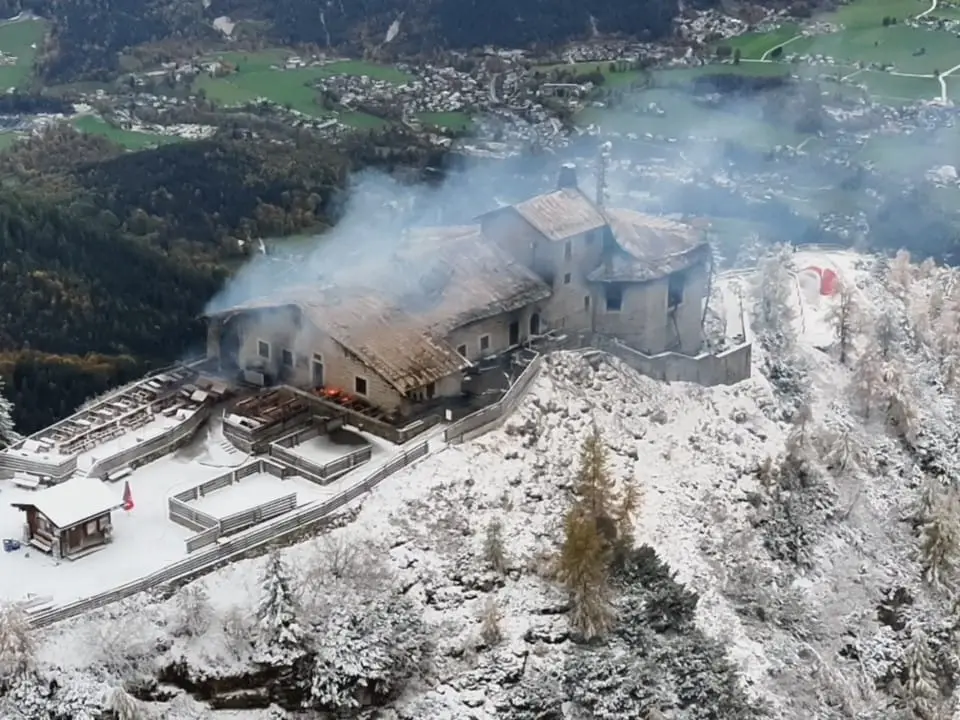
Hitler’s ‘Eagle’s Nest’ mountain retreat wrecked by fire, suspect detained: What to know about the Nazi-era site
&imwidth=180&imheight=135&format=webp&quality=medium)
Tu Hai Meri Kiran film review: Sonakshi Sinha and Zaheer Iqbal's thriller gets tangled in its own twists
&imwidth=180&imheight=135&format=webp&quality=medium)
UK Police confirm receiving letter containing number of claims about Meghan Markle's father in 2019, not 2018
&imwidth=180&imheight=135&format=webp&quality=medium)
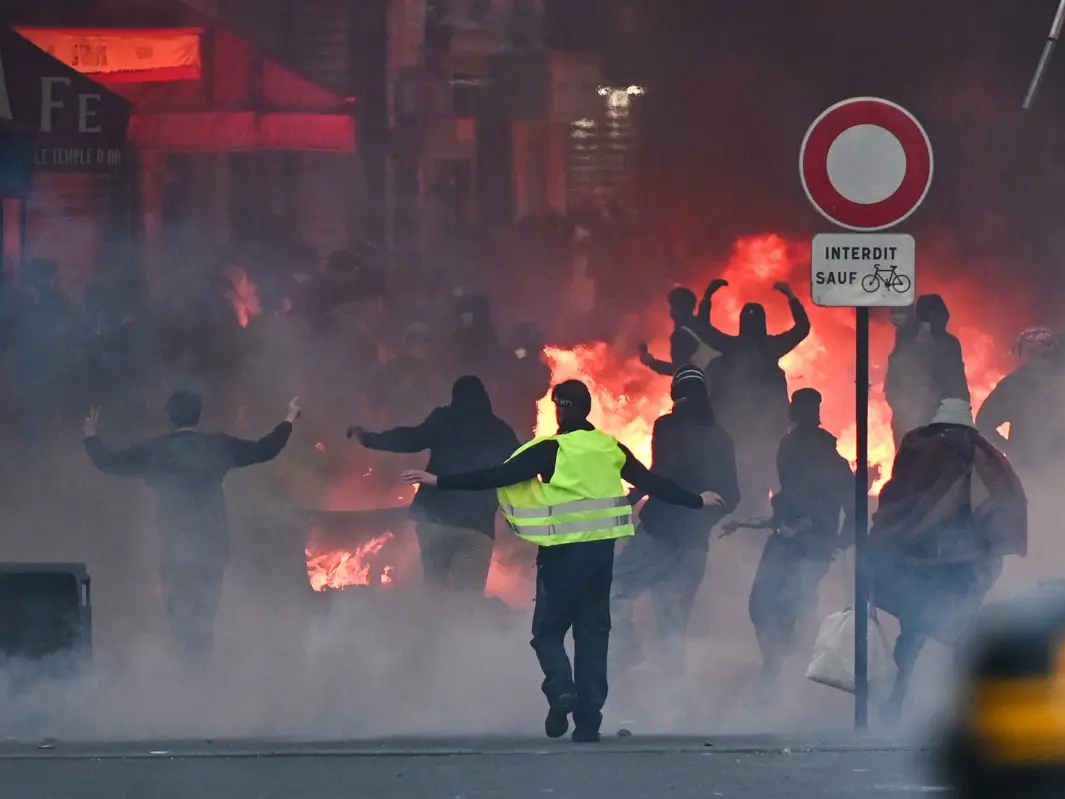
Why Europe’s protests are about more than austerity and rising costs
&im=FitAndFill=(700,400)&imwidth=180&imheight=135&format=webp&quality=medium)
Watched Manoj Bajpayee’s Gajab Raat on Netflix? 5 movies and TV shows to watch next on OTT
&imwidth=180&imheight=135&format=webp&quality=medium)
Farooq Abdullah says Pakistan’s raising of Kashmir issue keeps pressure on Delhi
How global markets reacted to Israel-Iran war?
Financial markets reacted sharply. European stock markets fell after steep declines across Asia. Germany’s DAX dropped 1.6% while France’s CAC 40 fell 2%. In London, the FTSE 100 slipped 1.3%, although energy companies BP and Shell gained as oil prices surged. Asian markets saw deeper losses earlier in the day. Japan’s Nikkei 225 fell 5.2%, while South Korea’s Kospi dropped 6%, triggering a temporary circuit breaker to halt trading and prevent panic selling. Natural gas prices also surged. UK gas for month-ahead delivery jumped nearly 25% to 171p per therm at the start of trading before easing to about 156p. Despite the spike, prices remain far below the 2022 peak of 640p reached after Russia’s invasion of Ukraine.
Rising geopolitical risks have also pushed up government borrowing costs. The yield on UK two-year government bonds climbed to 4.12% from 3.87%, while the benchmark 10-year yield rose to 4.76%, up from around 4.3% before the conflict began. US President Donald Trump downplayed concerns over rising oil prices. Posting on his Truth Social platform, he said temporary price increases were a small cost for global security and predicted oil prices would fall once Iran’s nuclear threat was eliminated. However, higher fuel costs are already hitting American consumers. Data from the motorists group AAA shows the average price of regular gasoline in the US rose 11% last week to $3.32 per gallon.
Disclaimer: WION takes utmost care to accurately and responsibly report ongoing conflicts in West Asia involving Israel, Iran, US, Gulf nations and non-state actors like Hezbollah, Hamas, Houthis, Islamic State, and others. Claims and counterclaims, disinformation and misinformation are being made online and offline. Given this context, WION cannot independently verify the authenticity of all statements, social media posts, photos and videos.

