'Not distant events': Defence Minister Rajnath Singh explains 'direct implications' of Hormuz blockade on India

&imwidth=600&imheight=450&format=webp&quality=medium "'Not distant events': Defence Minister Rajnath Singh explains 'direct implications' of Hormuz blockade on India")
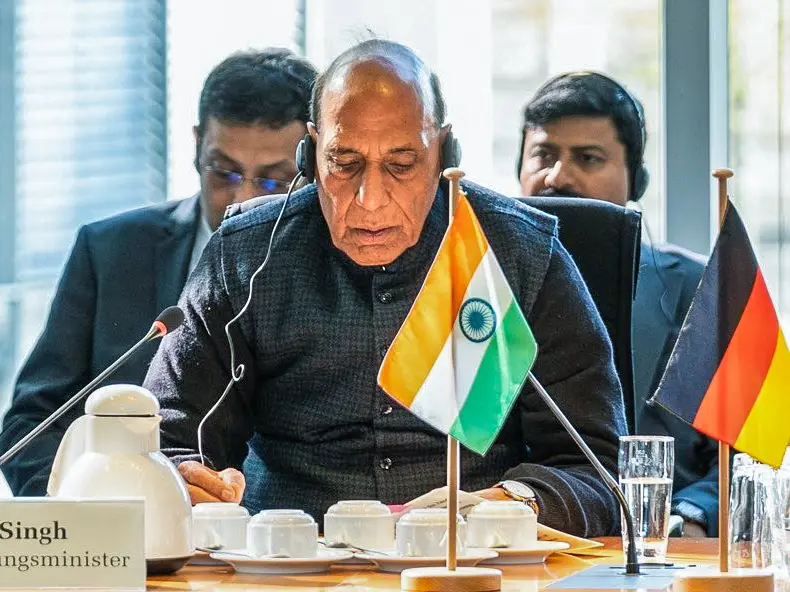
Indian Defence Minister Rajnath Singh addresses German Parliamentarians Photograph: (ANI)
Rajnath Singh warned that disruptions in the Strait of Hormuz directly threaten India’s energy security and economic stability. Speaking in Germany, he stressed global ripple effects and outlined India’s coordinated strategy to safeguard supplies
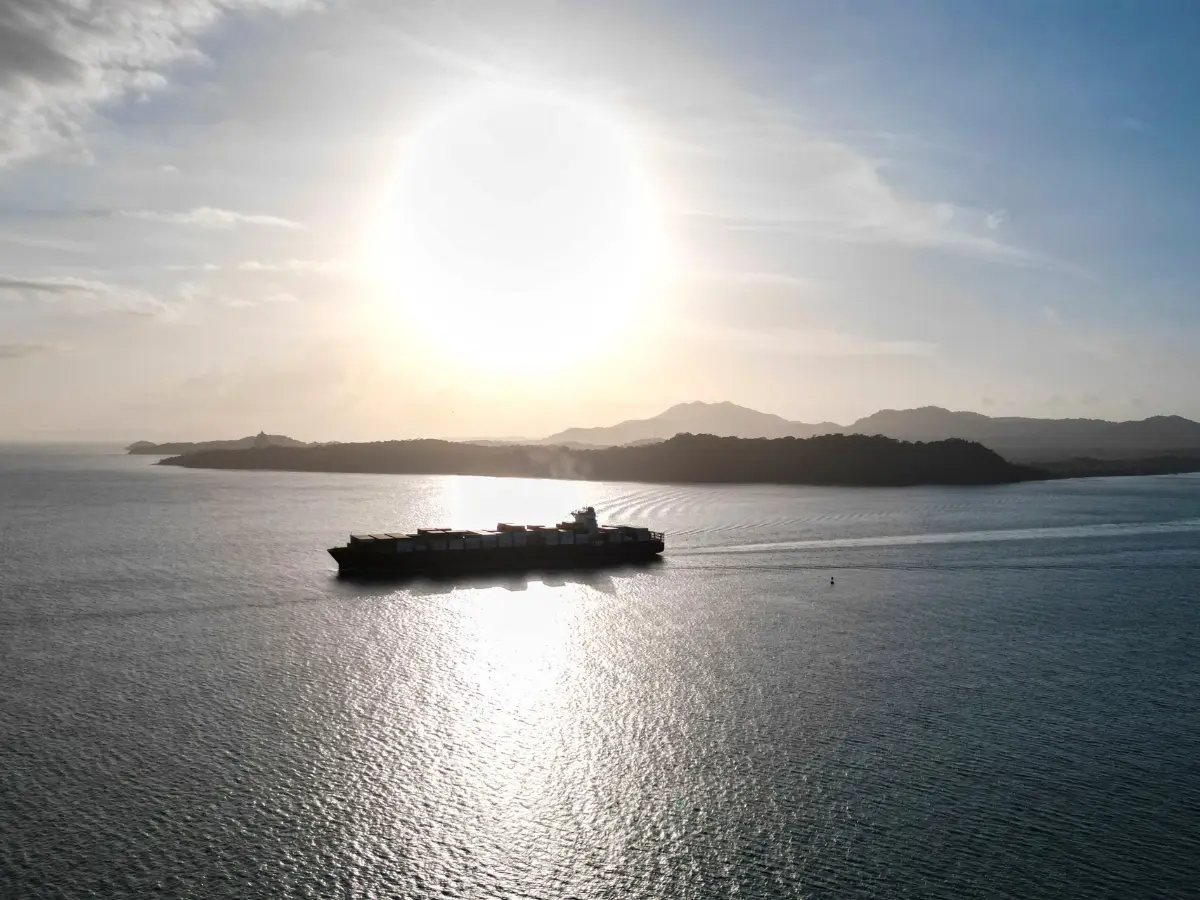
Indian Defence Minister Rajnath Singh on Tuesday (Apr 21) said that any disruption in the Strait of Hormuz has direct consequences for developing nations like India and de-stablises the economy of the country. Highlighting that countries like India depends heavily on the West Asian region for energy, he said that disruptions are not “distant events” but immediate challenges affecting national security and economic interests. Singh was addressing the German Parliamentary Standing Committee on Defence and Security in Berlin on Day-1 of his three-day visit to Germany. Earlier, Indian Prime Minister Narendra Modi had called the blockade of Strait of Hormuz, the key oil transit route of the world, as “unacceptable.” Since the beginning of the Iran-US war, India has emphasized that international waterways must remain "free and open" for unimpeded commercial shipping.
What Rajnath Singh said?
According to a statement from the Ministry of Defence, Singh said "For a developing country like India, which relies on the West Asian region for a significant share of its energy requirements, disruptions in the Strait of Hormuz are not distant events, they are stark realities with direct implications for our security and economic stability." Singh also used the platform to highlight India's “Aatmanirbhar Bharat” policy and said that it is not merely a procurement programme but an invitation to co-create, co-develop, and co-innovate. Defence Minister asserted that the world today is faced with new security threats, and there is a need to adapt to the changing environment.
Further, Singh pointed out that the current geopolitical instability can no longer be viewed as a regional matter. Their consequences are global in scope, he said, describing them as not localised disturbances, but serious developments with far-reaching implications for energy security, food security, and global economic stability, apart from the immense humanitarian cost they entail. He then explained how India is focussing on energy supplies amid a global crisis. “Bringing together key ministries, our deliberations focused on safeguarding energy supplies, maintaining availability of essential commodities, containing inflationary pressures, and protecting citizens as well as industry from external disruptions,” he said.
Trending Stories
)
)
)
)
)
)
)
&im=FitAndFill=(700,400))
)
)
)
)
)
&im=FitAndFill=(700,400))
)
)
)
)
)
)
)
)
)
)
)
)
&im=FitAndFill=(700,400))
)
)
)
)
)
)
)
India's stance on Hormuz blockade
India's Defence Minister's statement comes days after two Indian-flagged tankers, including the Sanmar Herald, came under fire from Iranian side and was forced to return. India has expressed "deep concern" over the incident and has summoned the Iranian Ambassador to New Delhi to lodge a protest and warned of consequences. India confirmed its participation in UK-hosted diplomatic talks to discuss reopening the strategic waterway. India has called for a free navigation and urged de-escalation and dialogue since the start of the war.

